




By Graphia, The Wordsmith Witch

No matter what your spiritual path looks like, every Witch can benefit from possessing a thorough, comprehensive Herbal Grimoire. Many practitioners include such contents as a guide for the magical correspondences of different herbs, a list of various herbal substitutions for spellcrafting, and last, but not least – a reference section that lists commonly found baneful herbs and their toxicity levels.


This herb correspondence chart is the culmination of years of research. We hope this reference guide will help you to understand the magical properties of herbs, roots, flowers, barks and resins. It is our goal to provide others with accurate sources of information to enrich their lives and their Craft. What are some ways you can implement the information in the following guide into your own practice? Click on the link below to view the chart.
This take (the cleansing recipe a step further in that it is designed to prepare you for the working elements of ritual and Magick, when you will need the additional ability to focus and control.
Add the following to liquid shower gel:
tbsp rosemary leaves
1/2 tsp ground cinnamon
6 drops frankincense oil
6 drops sandalwood oil
4 drops jasmine oil
4 drops oil of orange
(you can literally scrape the oil from the outside of an orange using a blunt knife)

As Samhain approaches, you can decorate your home with a number of easy craft projects. Start celebrating a bit early with these fun and simple ideas that honor the final harvest, and the cycle of life and death
Do you have Pagan kids coming over for a Samhain event? You can have a kid-friendly celebration by putting together a goodie bag that’s representative of your Pagan spirituality. The key here is to do some creative, outside the box thinking. Sure, there are a ton of Halloween decorations in the store at this time of year, but not all of those are really connected with Pagan religious belief systems. They’re really more about the secular celebration of Halloween, which is fine, unless you’re looking for kid-friendly stuff that honors Pagan spirituality.
Here are a few things to try:
Finally, remember, Samhain is the same day as Halloween, so never underestimate the power of a few strategically placed pieces of delicious candy!
April’s showers have given way to rich and fertile earth, and as the land greens, there are few celebrations as representative of fertility as Beltane. Observed on May 1st (or October 31-November 1 for our Southern Hemisphere readers), festivities typically begin the evening before, on the last night of April. It’s a time to welcome the abundance of the fertile earth, and a day that has a long (and sometimes scandalous) history.
As Beltane approaches, you can decorate your home (and keep your kids entertained) with a number of easy craft projects. Start celebrating a bit early with fun floral crowns and a Maypole altar centerpiece, do some meditative braiding, or even get to the know the Fae! A few simple seasonal crafts are a great way to celebrate the Beltane Sabbat. There’s more to this time of year than just plants and greenery, so be sure to check out these simple craft ideas!
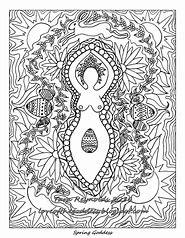

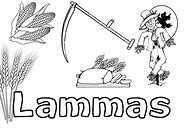
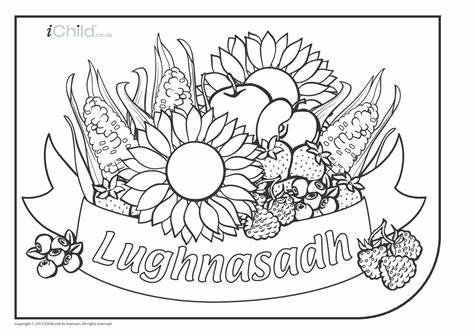
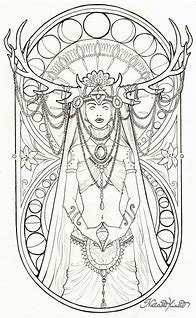
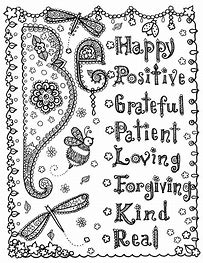
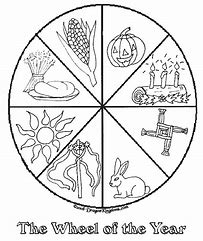
Even though winter is just beginning in the northern hemisphere here in the USA we have been going through a bitter cold period. If you are anything like me something fun to do would be welcomed right now so I give you these pages for you and/or your children and/or grandchildren to color. Take a picture of the creations and email to ladybeltane@aol.com to have it posted on WOTC. Include the first or pagan name you want to be posted with the picture(s).




Recipe by Gerina Dunwich
20 drops musk oil
25 drops pine oil
1 cup oak moss
2 cups dried mistletoe
1 cup dried poinsettia flowers
1 cup dried bayberries
1/2 cup dried rosemary
1/2 cup dried holly leaves and berries
3 crushed pinecones
Mix the musk and pine oils with the oak moss, and then add the remaining ingredients. Stir the potpourri well and store in a tightly covered ceramic or glass container.
(The above recipe for “Yule Ritual Potpourri” is quoted directly from Gerina Dunwich’s book “The Wicca Spellbook: A Witch’s Collection of Wiccan Spells, Potions and Recipes”, page 162, A Citadel Press Book, Carol Publishing Group, 1994/1995)
Midsummer is a celebration of light and life, symbolized by the flame of a candle and the movement of water. A large glass bowl filled with an assortment of floating candles makes a wonderful point of focus for ritual. Choose bright yellow sunflowers, white lilies, and red tulip-shaped candles. Have each person participating in the ritual inscribe his or her desire, with a pin, on a candle. Have each person come forward, place his or her candle in the bowl and light it as he makes his wish. Following the ritual, the bowl is placed outdoors, and the candles are left to burn out.
One of the most popular symbols of Midsummer is the Sun Wheel, the turning of which suggests the turning, or progression, of the seasons. The Wheel is decorated with flowers, fresh herbs, and brightly colored ribbons.
The simplest method for making a Sun Wheel is to buy an already-prepared natural-branch wreath from an arts and crafts store. Affix small branches of rowan to form the spokes of the wheel (four spokes to represent the elements and cross-quarter days or eight to symbolize the eight Wiccan Sabbats). Use floral wire to attach fresh flowers and herbs to the wreath. Embellish with brightly colored ribbons. The wheel can be used as the focal point for your Midsummer rites or hung on the front door of your home for decoration.
Let the illumination commence this September as we celebrate World Candle Month. With the summer winding down and the cooler, darker, autumn taking over, September is the perfect time of year to celebrate the remarkable history and modern relevance of the humble (and not so humble) candle. Founded in 2013, World Candle Month unites candle aficionados around the globe in an effort to “slow down and appreciate the everyday moments of simple pleasures.”
Candles have an illustrious history (as we’ll get to in a moment) but they are currently as relevant as ever. World Candle Month highlights the many ways that candles, scented or otherwise, can be incorporated into our daily lives. Once used to bring light into dark places, candles are now a source of calm and relaxation with scents designed to freshen any space and improve any mood. Stick with us as we celebrate all the ways candles are integral to our past and can be a welcome addition to our future.

 Witches Of The Craft®
You must be logged in to post a comment.