
Category: Daily Posts

A Little Humor for Your Day
Rules For Being Human
You will receive a body. You may like it or hate it, but it will be yours for the entire period this time around.
You will learn lessons. You are enrolled in a full-time informal school called LIFE. Each day in this school you will have the opportunity to learn lessons. You may like these lessons or think them irrelevant or stupid. It makes no difference, you will learn lessons.
There are no mistakes, only lessons. Growth is a process of trial and error, experimentation. The “failed” experiment that ultimately “works.”
A lesson is repeated until learned. A lesson will be presented to you in various forms until you have learned it. When you have learned it, you can then go on to the next lesson.
Learning lessons does not end. There is no part of life that does not contain its lessons. If you are alive, there are lessons to be learned.
“There” is no better than “Here.” When your “There” has become a “Here” you will simply obtain another “There” that will again, look better than “Here.”
Others are merely mirrors of you. You cannot love or hate something about another person unless it reflects to you something you love or hate about yourself.
What you make of life is up to you. You have all the tools and resources that you need. What you do with them is up to you. The choice is YOURS.
The answers to life’s questions lie inside of you. All you need to do is look, listen, and trust
You will get what you ask for. It may not be what you wanted, but it will be what you asked for.
UPON ENTERING THIS LEVEL OF EXISTENCE, YOU WILL FORGET ALL OF THE ABOVE.
I hope the rest of your and your family have a day and evening that is relaxing, filled with fun, laughter, and love. Always remember to take a little me time every day to recharge yourself!
Merry part until we merry meet again!
Welcome to WOTC! A Thought for Today
Starting about the age of 50, after crossing the broom into my Crone stage of life, when someone asks, “How old are you?” or I tell someone my age instead of saying, “__ years old” I say, “I’m 68 (in 2026) years wise.” The reason being is to me an age is just a number but doesn’t say anything about your life experiences. But by saying I’m __ year wise I feel I’m conveying that I have learned from life and grown plus gathered more knowledge about a variety of topics and making things. Some may think my crossing into my Crone years at 50 was too young but by the time I was 50 I had 5 wonderful children and 6 awesome grandchildren; I had quit my women’s monthly time at about 34 years wise due to surgery. The biggest reason is I felt it was my time to do it.
So, remember to tell anyone inquiring about your age or you share it that you are __years wise not __ years old. You have lived life, grown and your knowledge has grown about life and intellectually.
If you want to see information on any tradition of witchcraft, herbs, flowers, a Goddess or a God, or anything pertaining to any tradition of witchcraft, please put it in the comment section or email Lady Carla Beltane at ladybeltane@witchesofthecraft.com. I will try to find some information to post about it.
May your and your family’s lives be filled with all things positive!
Blessed be.
Some of the Witchcraft/Magickal Correspondence for Sunday
(YOU CAN COPY AND PASTE ANY CORRESPONDENCES POSTED TO A DOCUMENT TO PRINT AND/OR SAVE ON YOUR COMPUTER FOR PERSONAL USE ONLY. This is one person’s viewpoint)
Sunday Source: lightwarriorslegion.com
Use this day to cast spells for exorcism, creativity, individuality, success, promotion, hope, fortune, fame, wealth, leadership, joy, hope, renewing energy and spirituality.
Sun
Golden. Additionally: Orange
Helios, Apollo, Lugh, and Bel
A Little Humor for Your Day

I hope the rest of your and your family have a day and evening that is relaxing, filled with fun, laughter, and love. Always remember to take a little me time every day to recharge yourself!
Merry part until we merry meet again!
Welcome to WOTC! A Thought for Today

If you want to see information on any tradition of witchcraft, herbs, flowers, a Goddess or a God, or anything pertaining to any tradition of witchcraft, please put it in the comment section or email Lady Carla Beltane at ladybeltane@witchesofthecraft.com. I will try to find some information to post about it.
May your and your family’s lives be filled with love, happiness, laughter, joy, and positive things!
Blessed be
A Little Humor for Your Day

It could be Mr. Witch too.
I hope the rest of your and your family have a day and evening that is relaxing, filled with fun, laughter, and love. Always remember to take a little me time every day to recharge yourself!
Merry part until we merry meet again!
For Your Listening Pleasure – The Earth is my Mother(Ancient chant)

Welcome to WOTC! A Thought for Today
As witches and Pagans we need to do something many, many people do not do. We need to help keep all of Mother Earth clean for all living creatures and other things. An easy way to do this, especially if you live in a large city, is to take a walk with some type of bag or container and if you want a pair of either disposable or kitchen rubber gloves in case you run across something nasty that is full of ants or a different insect, pick up the trash others have left behind with no thought or just do not care behind. Another way to help is if you drink bottle water get the largest size you can than use a reusable water bottle or travel mug to refill from the large container in you refrigerator or other cold area in your home. This cuts down on the individual smaller container adding to a landfill. Even if you recycle by your trash service or take things in yourself there is so many rules about how things need to be properly cleaned for the recycling to be accepted fully. Please if you recycle educate yourself on how the recycling centers expects things to come into them, this will allow more usage of what comes from your home to recycle. Remember EVERYDAY is Earth day to a witch not just the single date of April 22nd every year.
If you want to see information on any tradition of witchcraft, herbs, flowers, a Goddess or a God, or anything pertaining to any tradition of witchcraft, please put it in the comment section or email Lady Carla Beltane at ladybeltane@witchesofthecraft.com. I will try to find some information to post about it.
May your and your family’s lives be filled with love, happiness, laughter, joy, and positive things!
Blessed be
A Little Humor for Your Day – 52 Tea Puns That Will Get You Laughing Oolong Time
(I enjoy and laugh at many jokes found in Reader’s Digest magazines that I plan on sharing a lot of them with you.)

From Reader’s Digest
So many quali-tea puns for a brew-tiful day.
Some words are just destined to be turned into puns. The word “tea” itself is so easy to make into some tea-riffic puns, not to mention all the other tea-related words. Just like wine puns or coffee puns, the possibilities are practically endless to celebrate your favorite beverages. Puns are the perfect (and funny) addition to any conversation but can also be used on a greeting card for a friend or even in your social media captions. Next time you post a picture of tea time on Instagram, jazz it up with one of these quali-tea puns to impress your friends. Or just do it for yourself because puns can always put a smile on your face. And, of course, if you’re posting pictures of your other food, we have plenty of donut puns and fruit puns too. We have puns for all occasions! Check out the best tea puns ahead.
Tea puns
Nice tea meet you!
Making tea isn’t hard, but waiting for the kettle to boil sure is tea-dious.
This drink is tea-licious!
Oolong live the queen!
Let’s get this par-tea started!
It’s a brew-tea-ful day!
Steep dreams!
Don’t be chai!
I’m gonna love you oolong time!
Varie-tea is the spice of life!
This party is totally tea-riffic.
You’re my bes-tea!
Sweet dreams are made of tea.
Don’t kettle for second best.
Sip sip hooray!
The reali-tea is I love a good brew.
The only way out is brew it.
It’s been oolong time coming.
Sometimes I’m great at multi-tea-tasking.
Feeling tired enough to go to steep.
Can we all get oolong?
I’ll chai again tomorrow.
You’re totally tea-riffic.
You have to admit these puns are quali-tea.
Everything I brew, I brew for you.
If at first you don’t suceed, chai, chai again.
Walk a chamomile in my shoes.
Feeling a bit of deja brew.
Kettle down, kettle down.
You’re such a cu-tea.
I’ve been waiting oolong, long time for this.
It’s thirs-tea Thursday!
I believe I can chai.
Boba puns
We’re a pearl-fect fit for each other.
Pearls night out.
This boba tea is unbelie-bubble!
Hope you’re tapi-okay!
I’m totally cap-bubble of drinking something other than tea, I just don’t want to!
I always had a thing for the pearl next door.
I haven’t tried boba before, but I’ll give it a pearl.
You give me bubble-flies.
Matcha puns
We’re a matcha made in heaven.
You and me are the perfect matcha.
Game, set, matcha!
I’m feeling so matcha better today!
I love you so matcha.
So matcha love.
I’ve met my matcha!
So little time, so matcha to do.
Thank you very matcha.
I’ve met my matcha.
So nice to matcha—what’s your name?
I hope the rest of your and your family have a day and evening that is relaxing, filled with fun, laughter, and love. Always remember to take a little me time every day to recharge yourself!
Merry part until we merry meet again!
Welcome to WOTC! A Thought for Today

DOing your best can change from one minute to the next. How you are felling usually effect what your best is during your illness. Those of us with chronic pain conditions and/or mental health difficulties really understand that doing our best each day depends on how we fell that day. Your best in the morning might be different than you best in the afternoon ot evening or vise-versa. I know my best can change often during days my fibromyalgia is in a flare or what my mental state maybe. I have learned to just roll with it and if someone else doesn’t think I am doing my best at any given moment? Well they have a right to their opinions but they do not live in my skin or my mind. ONly the person these things are happening too can truly know what their best is anytime or any place.
If you want to see information on any tradition of witchcraft, herbs, flowers, a Goddess or a God, or anything pertaining to any tradition of witchcraft, please put it in the comment section or email Lady Carla Beltane at ladybeltane@witchesofthecraft.com. I will try to find some information to post about it.
May your and your family’s lives be filled with love, happiness, laughter, joy, and positive things!
Blessed be
Let’s Have Some Fun with a Contest – Prize is a 5-Card Animal Spirit or Helper Reading
Who remembers the name of these cartoon characters below from Saturday morning cartoons? Please only put the charter’s initials so you do not give their names away to others.

In my house as a child the only time I got to eat a meal while sitting in front of the television was my breakfast on Saturday morning as long as my mom did not consider it messy. So, I think I ate cereal or toast with peanut butter on it every Saturday for most of my young childhood. After my dad crossed in 1970 I did not watch cartoons as much on Saturday mornings because whether he was at home or work, he drove an ambulance for what is now a large company in Illinois, providing he was not out on a call we watched or talked on the phone laughing them together. I remember these times as some of the best in my childhood!
Who remembers the name of these cartoon characters below from Saturday morning cartoons? Please only put the charter’s initials so you do not give their names away to others.

This cartoon was mine and my dad’s all-time favorites!
I watch reruns of both of these and other cartoons from my childhood any time I can.
Let’s really let our inner child out to play and have some non-grown-up fun this weekend!
Prize for the right answers for both pictures wins a 5 card Animal Spirit Guide or Helper reading FREE! This reading is for the 5 elements, Air, Fire, Water, Earth, and Spirit, that are inside all of us. All entries must be in the comment section below. REMEMBER INITIALS ONLY OF THE NAMES. Anyone putting the full name of the characters will be disqualified from the contest and your comment removed. If I like your comment and say “email me” in a reply to your comment, it means you win a reading. Please put 3 dates and times that would work for you on Saturday, October 17, 2026 or Sunday, October 18, 2026 for your free reading, and I will pick the one that fits into my schedule the best.
Contest ends on Tuesday,October 13, 2026 , and the post will be removed around 8:00 PM CDT on this date. Your reading can be scheduled starting on Wednesday, October 14, 2026. You may gift your reading to another person if you want to. I will email you a gift certificate they can email back with the dates and time good for them.
Good luck and have some fun!
Welcome to WOTC! A Thought for Today

Lady of the Abyss has been on my mind a lot again lately. For those of you that have joined us after her crossing may not know that she founded WOTC in the 1990s. Breaking the taboo of real witchcraft not the media false type coming into the mainstream vast modern world wide web. Lady A had the website up for sale and I called her expressing I wish I could purchase it. At this time I had a year or two old different website that LAdy A talked me into doing to apprentice those new to The Craft and those wanting to learn more. She asked me many questions about keeping her dream of the Goddesses and Gods were brought out in a true and honest way. Than we went on to talk about other more personal things. As we were getting ready to hang up she said in no uncertain words, “I will give you WOTC because I know you will keep my commitment to the Goddess will be carried on.” To say I was surprise is an understatement as I started crying happy tears we discussed when and how I would take WOTC over. Of course I thanked her during that call many time and making the commitment to her and the Goddess to carry on what she had started so long ago. We talked more often during her last days about WOTC and how to do things on it, very personal things and just enjoyed each others company. Now I think she knew she was going to cross the veil soon but didn’t want to put the “burden” of carrying that knowledge with her. The rest of my journey in accepting she was physically gone took time. I called and she came to me on the first Samhain after her crossing to tell me she will always be with me to guide me in my work on what is her website. Even though it is approximately seven years her spirit crossed the veil she still comes when I get into a confused state on what to post on a given day. I have this same picture of her up at eye level in my office and look at her smiling face often with a thank you for what she gifted me with. When I want to retire I Will be looking for someone to take over and ask them many of the same questions she asked me on that phone call that changed my life.
If you want to see information on any tradition of witchcraft, herbs, flowers, a Goddess or a God, or anything pertaining to any tradition of witchcraft, please put it in the comment section or email Lady Carla Beltane at ladybeltane@witchesofthecraft.com. I will try to find some information to post about it.
May your and your family’s lives be filled with love, happiness, laughter, joy, and positive things!
Blessed be
Most Powerful Addiction Spell
Most Powerful Addiction Spell
WOTC’s Lady Carla Beltane’s Grimoire
Edit
(SIDE NOTE from Lady Carla Beltane: Normally I would not post something on here that I post on the WOTC website but as this may be needed by someone who doesnot follow witchesofthecrsft.com I decided to post it here also.
No one can stop an addiction unless they truly want to. I am speaking from experience not just quoting something I read. I have been smoking cigarettes on and off since 10 1/2 years old. I have quit numerous times including all 6 times I have been pregnant and nursing the baby and at other times in my life but as soon as I hit a rough spot the first thing, I reach for is a cigarette. Now being in my mid-sixties and wanting to see even my youngest grandchild grow into adulthood along with dancing at all 10 of my grandchildren’s weddings I am trying to quit for good. This was the furthest thing from my mind today as I was looking for a spell to share with you but as I was looking for an animal type of spell this addiction spell kind of jumped out at me. As I have written a few spells and even a couple of rituals to stop smoking along with trying herbal remedies and other ways to give up cigarettes my intentions were not as dedicated to this life changing task as I thought they were. So, I feel it is time to try what someone else has written but tweak it to fit the addiction I want to stop once and for all. )
Most Powerful Addiction Spell – SOURCE: learningwitchcraft.com
You may need the following items for this spell:
STONES:
Purple Sage Agate or
Amythist Agate
Nebula Stone
Hematite
Petrified Wood
Clear Quartz
Moss Agate
Iolite
Sunstone
Mook Jasper
Lithium Quartz or
Lipidilite
Crisicola or
Gem Silica
Angel Wing lue Anhydrite
or Selenite
Benitoite
CANDLES:
1 White
1 Green
Oil:
Rose or healing oil of choice (Sandalwood oil is consider by many witches to be an all-purpose oil.)
INSENCE:
Rose (or choice) (Sandalwood incense can also be used as a substitute for any other type of incense.)
White Sage
MEDICINE BAG:
Green
INK:
Doves Blood and quile (please do not seek out a dead Dove as it might have died for some type of bird illness that could be transferred to you or from an abundance of fleas. For me I will be using Dragon Blood ink that is available through Amazon and other online retailers.)
SEALS:
Figure 25- Greater Keys of Solomon, First Mars
Figure 26- Greater Keys of Solomon Mars
PROTECTIVE SALT ( I will give the repice for making sacred white and black salt in the “Spell For” post tomorrow.)
Casting Directions for ‘Most Powerful Addiction Spell’
This is extremely serious work and extremely taxing. IT SHOULD BE DONE IN A PROTECTIVE CIRCLE. When dealing with addiction you’re coping with the physical, spiritual, and emotional being of the person that is afflicted. It’s an disease.
To cast your circle. Light a white candle at the middle of the area you will be working in. Take salt and do a circle big enough for you to work in in a clock wise direction. I usually start in the South. When finished with your circle call from the 4 Arch Angles Michael, Gabriel, Uriel, and Raphael to protect you will doing your job. Face South and telephone in Michael to join you. I say the name three times and wait until I feel his presence before calling in the next Angel. Telephone in Uriel facing West, Raphael facing North, and Gabriel facing East. Finish by confronting South again. You’re now ready to start the work.
Charge your Green Candle by employing the healing oil of your choice. I usually begin at the top and work my way down to the middle and then begin again at the bottom and work my way into the centre charging the candle with the intention to cure. Light the candle.
Clean each and every rock with the power of Air, Water, Earth, and Fire. I usually run the stone through the light of the White Candle cleansing it by Fire, utilize White Sage Smoke to cleans it by Air, Water to cleans it by Water, and Salt to cleans it by Earth.
You can consecrate each stone with the healing oil you have selected. Holding it in your hand (the one you write with) and focusing on the purpose of each stone will help charge it. I also concentrate on the person I am doing it for. Place each stone in the Green Medicine Bag when completed.
I use the Seals of King Solomon for the purpose of this bag but if you’ve got another healing seal that you prefer it can also be used. You may draw the seals on parchment with Doves Blood Ink. Make the seals small enough to fit in the bag or you may chose to set them on the bag its self.
Wile producing this spell I found some information on Demons that are associated with alcoholism according to King Solomon. Deception is the first named Demon and has a corresponding Angle called Lamechalal that stops its progress. Strife is the next Demon but she is frusterated by Baruchiachel. Klothod is the third Demon but is frusterated by Marmarath. The fourth Demon was not appointed but gave a description and corresponding Angle. ” I cause men to forget their sobriety and moderation. I part them and divide them into parties; for Strife follows me hand in hand. I rend the husband from the sharer of the bed, andB children from parents, and brother.” ” I have an Angle that frusterates me, The Great Balthial.” The fifth Demon is called Power but is fruterated by Asteraoth. The sixth Demon is called Error and is frusterated by Uriel. The seventh Demon is known as Spartan and it makes people worst than they had been to begin with It’s frusterated with a Locust. I got a part of Locust jewelry for this purpose.
I would also include the names of the Angles which fight the Demons on parchment in this bag with a request to each of them to frusterate and cast out the Demons.
I’m doing this work and it’s a LONG PROCESS. The materials are often tough TO FIND but woth it. THE DEMONS WILL SENCE YOU GETTING READY TO CAST THEM OUT SO BE PREPAIRED. I’ve undergone ANGER, DOUBT, all kinds of attacks wile doing this work or preparing to do it. I’ve had people report FEAR because the Demons have been disturbed and know they will soon be cast out. It’s very important that the person you’re preparing this bag for continue to go to what program they are attending. THIS BAG WILL HELP THEM but there has to be effort on their part too.
Posted Sep 9, 2023 at 4:11 PM
Bring All the Elements into Every Room in Your Home or Office
Bring All the Elements into Every Room in Your Home or Office
WOTC’s Lady Carla Beltane’s Grimoire
Edit
I am mainly an Earth and Kitchen Witch, so I like to have something related to my eclectic pagan path in every room of my home including my basement and enclosed front porch. As I have visitors that I have to keep my spiritual path on the down low with I use the following ideas to still have my home be my quiet, protected place.
I use different style, clear glass containers to match the rooms decor. In these I place some stones for Earth, a seashell for Water, a matchstick for Fire, and a small feather for Air. I suggest putting the feather on the bottom or somewhere close to the middle of the other objects, so it does not get blown away. Then as most people believe in angels in one form or another, I place a small angel statue next to the container holding the other elements for Spirit.
I bless each clear glass container by saying, “Earth, Air, Fire, and Water please bring me what I need from you each day. I charge you to help protect my home.” I repeat this nine times over each clear glass container in the room it belongs in and finish with, “These are my words, this is my will, so mote it be.”
For each angel statue I bless it by saying, “Please help me have clear thoughts and sight to stay on my true-life path. Help me to remember to be kind to everyone I come in contact with no matter how they may treat and/or talk me. “I repeat this nine times over each angel in the room it belongs in and finish with, “These are my words, this is my will, so mote it be.”
If you want, you can included a black stone in each container and make one to carry in a pocket or purse with PUT AH written on it. PUT AH stands for the following:
Patience
Understanding
Tolerance
Acceptance
Harmony
To charge each stone with these attributes say this spell nine times while holding it in your power hand (the hand you write with):
I ask for patience, understanding, and tolerance
for better acceptance of people, places, situations, they way people talk to or about me
so I can live in better harmony within myself, my home, work, and world.
These are my words, this is my will, so mote it be
The reason I say the blessings and spells nines time each is to make it strong as it comes out to three times three.
Posted Aug 3, 2023 at 6:16 PM
Let’s Have Some Fun – Printable Mabon Coloring Pages


Divination Journal
Lady Carla Beltane picks out the symbol, rune, tarot card, etc., but the information is from the website in the hyperlink. The description of these is one person’s view on them.
Tarot Card
Source: Tarotx.net
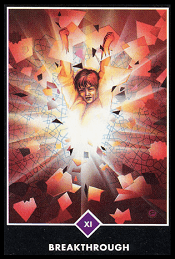
Breakthrough – Major Arcana
Menu of Contents
I. The commentary of The Breakthrough Osho Zen
II. The meaning of The Breakthrough Osho Zen
Animal Spirit Guide or Helper
Source: UniGuide.com

Owl
Owl symbolism and meaning include wisdom, intuition, supernatural power, independent thinking, and observant listening. This mysterious bird has been a subject in the myths and folklore of cultures around the world for centuries. After all, owl species exist on every continent except Antarctica. In addition, the owl spirit animal is an important totem in the beliefs of many cultures. In this post, you’ll learn about owl symbols, the owl in cultural mythology, owl spiritual meanings, and more.
Table of Contents
Detailed Owl Meanings and Symbols

Rune
Source: white-magic-help.net

GEBO
a Partnership, a Gift
If this rune is pulled, that is a sign that unity, union or partnership is near. But you are requested, not to throw yourself into this connection. A true partnership can only consist of two independent, healthy beings, that preserve there own independence also in this union. This advice is important at all levels: in romantic relationships, in commercial things, simply in partnerships of every type.
Witch’s Rune
Source: groveandgrotto.com

The Moon (Midwinter)
Inner thoughts, intuition, contemplation, solitude, change.
Ogham
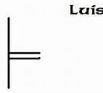
Luis
Luis corresponds to the letter L in the alphabet, and is associated with the Rowan tree. This symbol represents insight, protection and blessings.
The Rowan tree has often been associated with protection against enchantment and magic. Rowan sticks were often used to carve protective charms on, and hung over a door to prevent evil spirits from entering. The berries, when split in half, reveal a small pentagram inside. The Rowan indicates protection, as well as knowledge and insight about what is taking place in your surroundings.
Luis Correspondences
Mundane Aspects: Keep your awareness high, and go with your intuition when it comes to the people and events in your life. Trust your judgment, and don’t allow yourself to be lulled into a false sense of security.
Magical Aspects: Keep yourself true to your spirituality, staying grounded even in times of doubt. This will help protect you from that which might bring you emotional, physical or spiritual harm.
I Ching
Source: IChingOnline.net
K’un / Receptive Force
Earth above and Earth below:
The Earth contains and sustains.
In this situation, the Superior Person should not take the initiative; he should follow the initiative of another.
He should seek receptive allies in the southwest; he should break ties with immovable allies in the northeast.
Responsive devotion.
Receptive influence.
Sublime Success if you keep to your course.
SITUATION ANALYSIS:
This is a time for dealing with reality as it is, not as you would have it be.
If you realize that in this situation you are the receptor, not the transmitter of the stimulus, you will find yourself reaching goals that seemed unattainable under your own steam.
If you persist in futile efforts to be the Shaper rather than the Shaped, you will completely miss this unique opportunity.
Numerology
Source: Numerology Double Digit Numbers
Thirty 30
It is communication and creativity. It is a high octave 3. It has a great sense of humor, is jovial and warm, but also a bit superficial. Easily distracted, lacks staying power.
Angel Number
Source: angel-numbers.com

Three
Higher powers are listening to your wishes, prayers and affirmations. They are close to you and want to help. Keep your faith, manifestation of your thoughts will come when the time is right.
Welcome to WOTC! A Thought for Today

September 2026 monthly posts will be up sometime this afternoon or tomorrow morning. I have an appointment this morning so not enough time to get everything done before I have to leave. I am feeling well enough to get this done for all of you. Thank you for your support, understanding, and well wishes.
If you want to see information on any tradition of witchcraft, herbs, flowers, a Goddess or a God, or anything pertaining to any tradition of witchcraft, please put it in the comment section or email Lady Carla Beltane at ladybeltane@witchesofthecraft.com. I will try to find some information to post about it.
May your and your family’s lives be filled with love, happiness, laughter, joy, and positive things!
Blessed be
September 2026 Moon Phase Calendar
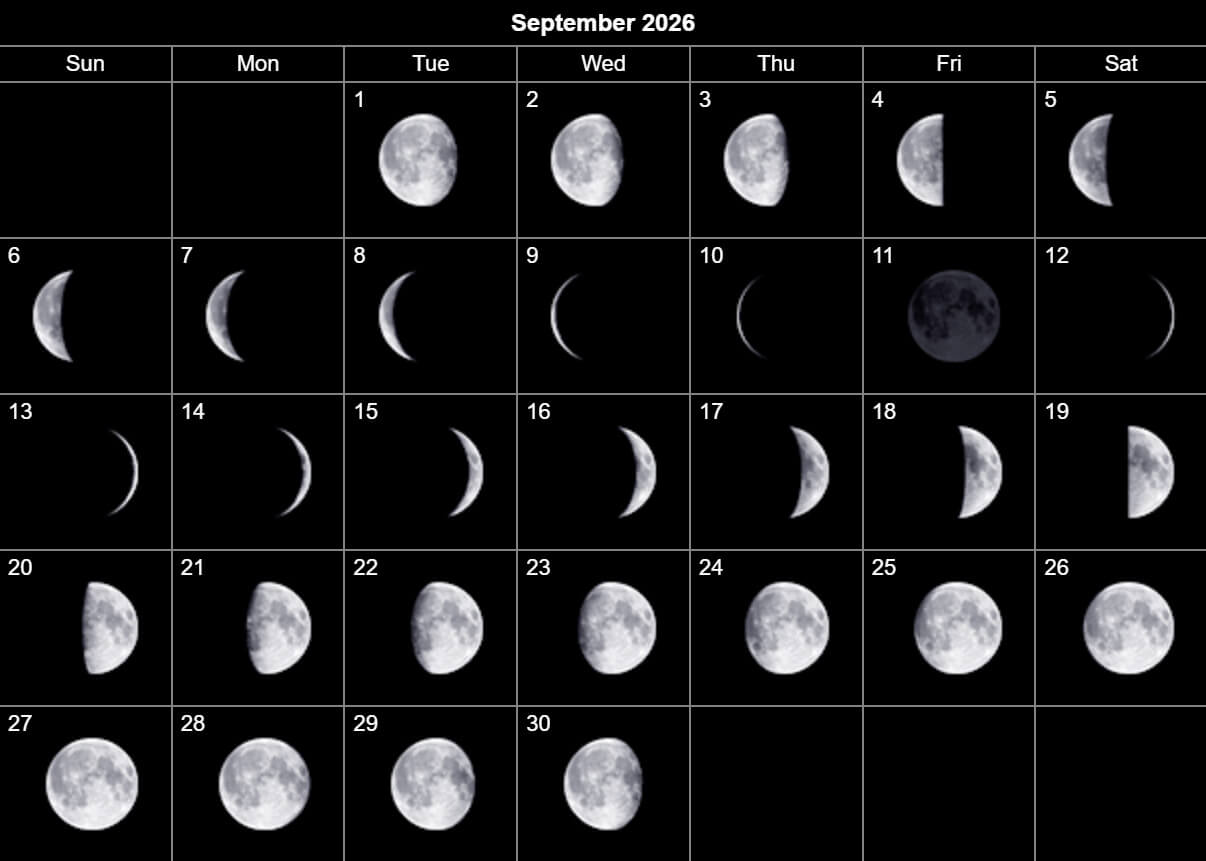
For Your Viewing Pleasure
One of the youngest victims of the Anderson, IN flood on August 13, 2026 is Lizzy she is only 10 years old. As explained in the video neither the town or county gave residents in this area any warning to evacuate. The trauma she and all the other hard hit flood victims have from this Historical event I can’t even imagine. Please keep them in your prayers for strength and peace of mind. There will be other videos from other homes, the surrounding area where actual shit is covering the grass from where a waste treatment plant that was flooded left its debris. Here is the link to the short of Lizzy’s room Lizzy’s Room Anderson, Indiana USA
Please tune in Sunday, August 30th anywhere from 8:30 AM PT/9:30 AM MT/10:30 AM CT/11:30 AM ET to 2 PM MT/3 PM MT/4 PM CT/5 PM ET to watch a the block pull together to tell their stories at a cook out hosted by my oldest son, Carl and his wife Vicki.


You must be logged in to post a comment.