(SIDE NOT: Sandalwood oil can be used in place of any other essential)

(SIDE NOT: Sandalwood oil can be used in place of any other essential)
Love magick is a perennial popular topic. However, there is more to this topic than meets the eye. There are many enchanting layers here for us to explore on this day of the week. What about creating a loving home, or producing a loving and nurturing family? What about keeping your intimate relationships vital and on track? How about promoting happy, healthy, and enduring friendships? See, there is more to be considered than just the “You shall be mine…” type of fictional love spell.
Don’t forget that many of the deities associated with Fridays are also parents. So, yes, while this is the day to work on romance, sex, and love spells, there is additional magick to be considered here, which makes Fridays a more well-rounded and bigger opportunity for witchery than many folks ever truly realize. The truest, strongest magick always comes from the heart.
Book of Witchery – Spells, Charms & Correspondences For Every Day of the Week
Ellen Dugan
Themes: Luck; Wealth; Beauty
Symbols: Boats; Dragons; Guitars; Snakes; Saltwater
About Benten:
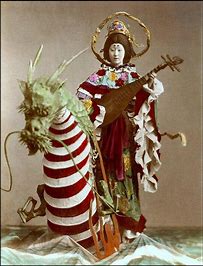
As the Japanese goddess steering the New Year’s Treasure Ship, Benten is a perfect figure to call on for financial improvements this year. She is the only goddess of luck in Japan and is referred to as queen of the seas and patroness of gamblers.
Japanese women invoke her to bring beauty and fortune into their lives. Benten is depicted as riding a golden dragon, playing a biwa (guitar), and sending out white snakes with her missies. Her robe bears a jewel that grants wishes.
To Do Today:
To welcome Benten’s prosperity into your home, sprinkle a little saltwater on the threshold today. Or, to generate beauty within and without, soak in a bath of Epsom salts while listening to guitar music. The Shigato Hajime festival honors the beginning of the work week
in Japan, where it is believed that good omens for work begin today. If you want to get a peek at how your employment will fare this year, try divination by dice (a traditional gambler’s tool). Hold one die in your hand, ask for Benten to provide a sign, then roll it. The results can be interpreted as follows:
(1) a negative omen; (2) feeling torn between two good options; (3) a good omen; (4) financial security (5) not much material change, but improvements in interoffice relationships (6) an excellent omen; roll again. If you get two more sixes, Benten’s treasures will be yours!
By Patricia Telesco
As you might have read in a previous post, I leave in 13 ½ days to go to one of my grandson’s Army Basic Combat Training graduation. So as I get colds, flu, and other nasty bugs easily due to my immune system being comprised by a few different things I decided to get my 4th covid, this year’s flu, and a pneumonia vaccine at the same time yesterday. I am also wearing a mask in any public place. I am not going to disappoint him by being sick and unable to join in on celebrating this milestone in his life.
Now the not-so-good reaction coming from the vaccines integrating into my system has left both of my upper arms extremely sore amongst other things. I am using my cellphone with a stylus to do this post as it hurts to type, along with bad brain fog, feeling very tired, and a bad fibromyalgia flare. I hope the symptoms go away by tomorrow so I feel up to bringing you the daily things you are used to seeing on WOTC.
Tomorrow’s posts will go live sometime during the day. Just please don’t look for them starting at 9:00 AM CST. Thank you!


Saint Distaff’s Day (Europe)
Themes: Work; Weaving Destiny
Symbols: Web; Spinning Wheel; Needle
About Arachne:
Arachne, the Greek Spider goddess, inspires positive changes in your destiny for the new year. Legend tells us that Arachne challenged Athena to a weaving contest and won. In anger, Athena destroyed the girl’s tapestry. Arachne, grief-stricken, took her destiny in hand and turned herself into a spider, but she continues to use her weaving talents to spin and pattern the lives of mortals.To Do Today:
According to lore, Saint Distaff, the patroness of weaving, was a fictional persona made up to mark the resumption of normal activity after the holidays. Instead of this imaginary figure, we turn to Arachne to help us take the strands of our fate in hand and begin weaving a year filled with goddess energy.To direct your spiritual focus toward the goddess, wear something woven today, or display it proudly. If you have no such items, braid together three strands of thread or yarn saying:
Arachne, bless this magick braid, so on you my mind is staid.
Carry this as a charm to keep your thoughts and actions goddess-centered.
Finally, mend any work clothes in need of repairs to improve your job standing. As you make the final knot in a button or hem, bind the magick by saying:
This tread I wind, the magick bind.
Visualize your professional goals as you work.
By Patricia Telesco
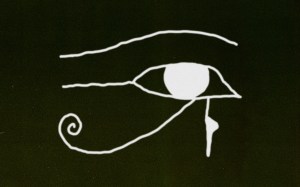
The Eye of Horus is a symbol from ancient Egyptian that is used for protection or to connote power and good health. The symbol comes from Horus, a sky god in ancient Egypt whose eye was injured and then restored, which is why the symbol can be used for transformation, healing and redemption. This symbol can also be called a wedjat.
Represents: the Egyptian god Horus.
Used in rituals for: protection, healing.

Aster flower meaning and symbolism includes hope, optimism, new beginnings, innocence, fun, affection, and other lovely attributes.
There are over 32,000 species of aster flowers, which comprise the Asteraceae family of flowers, and they are found on every continent except Antarctica. Because of their popularity and wide distribution, many people are curious about what they symbolize. In fact, many cultures around the world have myths and folktales that involve asters.
In this post, we’ll explore all aspects of aster flower symbolism and meanings. And if you’re curious about one of the most well-known flowers in the aster family, be sure to check out my dedicated post on sunflower meaning and symbolism.
“Along the river’s summer walk, The withered tufts of asters nod; And trembles on its arid stalk, The hoar plum of the golden-rod.”
– John Greenleaf Whittier
Here’s a quick list of what asters symbolize. We’ll go into more detail on these throughout this post:
As springtime flowers that come out when the days are growing longer and the sun is shining, aster flowers are also symbols of hope and optimism.
In fact, the name “aster” comes from an Old English term that translates to “day’s eye.” The reason for the name is that, like lotus flowers, aster flowers open up in the morning to take in the day’s sunshine and then close up again in the evening. So, they respond to the warm and positive energy of the sun.
In this way, they remind us to focus on the positive. After all, hope, gratitude, and having a positive attitude are the best ways to manifest good outcomes.
Because they open up with the morning sun of a new day, aster flower symbolism also includes fresh starts and new beginnings. The aster is a positive symbol for believing each day is filled with opportunities.
Because of these qualities, the aster is the perfect gift for new babies, newborn spiritual ceremonies, or even those embarking on a new adventure.
As they are symbols of new beginnings and hope, aster flowers are also associated with innocence. So, they make wonderful gifts for babies and children.
The aster also reminds us grownups to never forget our own inner child. Just because we’re grownups with adult responsibilities, doesn’t mean we have to be sophisticated and self-contained all the time.
The aster reminds us, as the Buddhists say, to have “a beginner’s mind.” This means having an approach to life that is curious and enthusiastic, like a child. In other words, it’s the opposite of being jaded.
There is an easy-breezy aspect to aster flowers. They bloom in spring, when nature is waking up, and they grow easily in a variety of conditions. Not to mention, these flowers are easy to draw. In fact, they were probably the first flowers that many of us drew as kids.
As asters are associated with children, they are also associated with fun and lightheartedness. After all, children naturally know how to laugh and have a good time.
How many of us have plucked the petals of an aster flower as we played the game “He loves me, he loves me not” or “She loves me, she loves me not”?
Because asters grow easily in many locations, they are often the wildflowers picked spontaneously for a bouquet to give to someone you have a crush on. This is why aster flower meanings also include love and affection.
In fact, in Victorian England, where flower symbolism was a popular pastime, giving a bouquet of aster flowers to someone meant that you returned their affection.
The pastime of making flower chains out of aster flowers and their stems goes back hundreds of years. In fact, people in ancient cultures wore aster flower chains as head wreaths and belts. Not only were they beautiful, they symbolized ever-lasting love.
Just as they are associated with springtime, newborns, and babies, aster flowers are also symbols of fertility and motherhood.
In fact, in ancient Scandinavia, as you’ll read about below, aster flowers were associated with the fertility goddess Freya.
The Latin name for the Asteraceae family of flowers comes from the Latin word for “star,” which is “aster.”
These flowers not only resemble bright stars, they’re also named for the Greek goddess Astraea who turned into a star. You’ll read more about Astraea in the section on Greek mythology below.
As a symbol for stars, asters remind us of something fundamental, which is that we all originated from the same source, which is stardust.. As Joni Mitchell sang in her song “Woodstock”: “We are stardust Billion year old carbon…”
Asters come in a variety of bright colors, and each color has its own special meanings. Here are some of those associations:
With their white petals and yellow centers, the white aster symbolizes new beginnings, hope, innocence, and motherhood. This is why white aster flowers, or daisies, make lovely gifts for new parents and babies.
Like the sunflower, yellow aster flowers symbolize joy, fun, hope, and good luck. In addition, they symbolize prosperity and good fortune.
So, they make lovely gifts for friends or anyone whose spirits you want to lift. As well, they are good luck symbols for manifesting more abundance in your life or that of someone you love.
As with other orange flower meanings, an orange aster flower symbolizes health, healing, and optimism. They also symbolize zany, off-beat fun.
Like other pink flowers, pink asters symbolize love and affection, including both platonic and romantic love. They also symbolize innocence and serenity.
So, pink asters are ideal for gardens and in flower pots to welcome new babies, celebrate new moms, or simply as gifts for those in your life who love the color pink.
Like other red flowers, red asters symbolize romantic love. Because the nature of these flowers is lighthearted and fun, red asters make lovely gifts for new crushes or long-term partners when you want to keep things light.
In addition, as a symbol of eternal love, the red aster is a sweet gift for a long-term flame when you want to reconfirm your commitment to them.
Red is also the color of wealth and good luck in some cultures, such as China. So, red aster flowers also symbolize prosperity and good fortune.
Like orange asters, purple aster flowers symbolize zany fun and spontaneity.
In addition, purple is the color of peace and understanding. So, as with other purple flowers, a purple aster symbolizes the kind of hope and optimism that brings people together and heals misunderstandings. Thus, it is a flower that represents unity.
As with other blue flower meanings, blue asters symbolize loyalty and trust.
They’re also helpful symbols to use in visualization and other meditation practices.
Like wishing on a star, focusing on a blue aster in prayer or meditation can help to calm the mind and envision positive outcomes.
Green aster flowers symbolize new beginnings, renewal, and growth. So, they are helpful symbols for new creative, business, or other endeavors. Along these lines, they are positive symbols for building wealth.
On a spiritual level, the aster represents spiritual faith and the eternal life of the soul.
They also embody the idea that we all have the opportunity to begin again, no matter the mistakes we’ve made in our past. For some, aster flowers are also symbols of reincarnation.
Because they grow on every continent except Antarctica, the aster plays an important role in the natural ecosystems in which they grow. As a result, they share synergies with the wild animals and insects in their natural habitats.
For example, rabbits and deer love to eat aster flowers. In addition, insects including ladybugs, spiders, damselflies, and dragonflies prey on the insects that eat asters. In doing so, they help to protect the life force of the flowers.
Furthermore, birds, including finches, sparrows, cardinals, and towhees, are attracted to asters for their seeds and the insects that live in their ecosystems as a source of food.

There are no restrictions to shopping or important decisions today. The Moon is in Cancer.
You will enjoy cocooning at home today by yourself; or you might like a heart-to-heart talk with a family member because family conversations will be warm and mutually supportive today. Yes, you feel warm and friendly; nevertheless, you will welcome some privacy and downtime.
This is a great day to interact with others, particularly younger people. Get out an be involved with groups and organizations. Share your ideas because others need to hear your perspective, which will be sympathetic and compassionate. Don’t be afraid to speak up.
You make a fabulous impression on others today, which is why bosses, parents and people in authority will be impressed with you. In fact, some are so impressed with you, a romance might blossom! Meanwhile, you might boost your income today. Ka-ching!
This is a powerful day for you because the Moon is in your sign dancing with Neptune, while Venus and Jupiter line up at the top of your chart. People see you as benevolent, attractive and successful. (A winning combo!) Meanwhile, tonight you want to party!
Travel for pleasure totally appeals today. Meanwhile, you might develop a crush or a new romance with someone who is “different.” This is a solid day to discuss inheritances and issues regarding shared property because you will come out laughing all the way to the bank. Tonight, passion rules!
This is a wonderful day to schmooze with friends and partners because you are happy to see them and you want the best for them. Naturally, they will warm to your good feelings for them, and will want to share good times with you! It’s a marvellous evening to have fun and enjoy a date.
This is a productive day and you will accomplish a lot in a very pleasant way because others are cooperative and helpful. In fact, someone might be so helpful that a new romance or flirtation might begin. Relations with partners and friends are excellent. Share good times with someone this evening.
Put on your dancing shoes because it’s time to paint the town red! This is a wonderful day to socialize with others. It’s also a great day to enjoy fun activities with children, sports events, the arts, the theatre, movies and above all romance, romance, romance! Get out the glitter!
You will enjoy entertaining at home today. Certainly, family gatherings will be loving, upbeat and warm hearted. In fact, family members will help each other, especially with home repairs. This is a great day to enjoy kids’ activities as well. Meanwhile, romance is in the air!
A warm, heart-to-heart discussion with a partner or close friend will be a bonding experience for both parties today. In fact, whatever transpires might shift a platonic friendship to a romantic level. (Anything is possible because this is a very romantic day and people feel particularly cozy.)
If shopping today, you might be tempted to buy something elegant and luxurious. (Might even be a plane.) Caution about self-indulgence. Nevertheless, social outings will be fun and romantic! “And a good time was had by all.”
You are a sensitive romantic. It’s important to know that today, and this evening, might be one of the best times to have a romantic date in the entire year! Gifts and goodies might come your way. You feel sociable and eager to reach out to others. You also feel playful, prankish and flirtatious!
Actress Rebel Wilson (1980) shares your birthday today. You are an independent thinker who is loyal to your friends. You have a vision of what you want for yourself. This is a marvellous year to socialize and enjoy life! Nurture the happiness and beauty you have within yourself. Old friends might reappear to rekindle relationships.

You’re about to learn what a soul contract is, how it affects you and how you can maximise the impact of soul contracts in this life.
In my role as a life coach, I like to learn about these spiritual ideas, so I am able to work with a broader range of clients.
Now, I’m excited to share these ideas with you.
Let’s dive right into it.
The Full Moon for this month will occur early in the month on Tuesday, March 7th. The New Moon will happen later in March on Tuesday, March 21st.
March’s full moon is commonly called the Full Worm Moon. This is because of the earthworms that wriggle out of the ground as the earth begins to thaw in March. Here’s a little known fact about March’s full moon: it was called the Worm Moon only by Southern Native American tribes. In fact, there’s no way the Northern tribes would have ever called it the Worm Moon – and the reason why is fascinating.
Essentially, earthworms did not exist in Northern America. It would be literally impossible for Northern tribes to see worms popping up in March. All the earthworms you see in Northern America today are invasive species brought in by colonists. These earthworms were brought over either out of a misguided intent to help fertilize the soil, or as an accident along with transported plants or the soil used for ballast in ships. Little did the colonists know that during the last ice age, glaciers had spread so far across Canada and the northern parts of the United States that all earthworms had been completely wiped out.
When the deep ice melted 12,000 years ago, the native forests in those areas grew back and adapted to the loss of earthworms. The growth of these forests became dependent on a layer of duff, which is a compost layer comprised of decomposing leaves and other rotting organic matter. If you ever visit one of these native forests, you will be asked to clean your shoes and make sure it’s free of earthworm eggs. That’s because while it’s normally harmless everywhere else, earthworms will aggressively destroy the native forest’s duff layer by eating right through it.
This is why in Northern American tribes such as the Shawnee tribe, the Worm Moon is called the Sap Moon instead, as a reminder for the tribes that they can begin tapping maple syrup. In general, March’s full moon is known as a herald for the beginning of spring and new agricultural cycles. The Anglo-Saxons even used the Worm Moon as a way to predict the state of their crops. They called it the Storm Moon if it was stormy, which was a sign that their crops would fail. But if it was dry, they called it the Rugged Moon, an indication of a bounteous harvest.
One of its other names is the Chaste Moon, symbolizing the purity of early spring. The Pueblo tribe named it the Moon When the Leaves Break Forth, while in Shoshone culture it was known as the Warming Moon. Sometimes it is called the Crow Moon, after the crows and other birds that appear as winter draws to a close. Other times, it’s called the Crust Moon, because of the snow that becomes crusty when it thaws in the sun and freezes in the moonlight.
In India, March’s full moon is also seen as a symbol of the arrival of spring, and coincides with the festival of Holi. This is a riotous party where Indian communities all around the world engage in a huge water fight. Everyone goes out into the streets and sprays each other with colored water and powders, singing and dancing with strangers and loved ones alike. Playing and feasting together is a chance for you to repair relationships that have gone bad, reaffirming your existing social bonds as you move forward together into the new year.
Los Angeles,
San Francisco,
Vancouver
March 7, 2023
4:40am PST
Denver,
Salt Lake City,
Calgary
March 7, 2023
5:40am MST
Chicago,
Houston,
San Antonio
March 7, 2023
6:40am CST
New York,
Toronto,
Atlanta
March 7, 2023
7:40am EST
London,
Manchester,
Dublin
March 7, 2023
12:40pm GMT
Paris,
Rome,
Berlin
March 7, 2023
1:40pm CET
Athens,
Istanbul,
Helsinki
March 7, 2023
2:40pm EET
Dubai,
Abu Dhabi,
Muscat
March 7, 2023
4:40pm +04
Bangalore,
Mumbai,
New Delhi
March 7, 2023
6:10pm IST
Singapore,
Kuala Lumpur
March 7, 2023
8:40pm +08
Perth,
Hong Kong,
Beijing
March 7, 2023
8:40pm AWST
Sydney,
Brisbane,
Melbourne
March 7, 2023
11:40pm AEDT

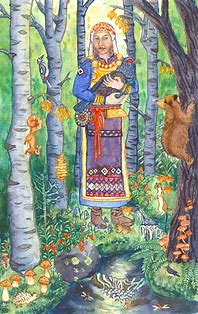
Tyvendedagen (Norway)
Themes: Change; Providence
Symbols: Bear; Grain; Woodland Plants

Mercury/Neptune/Air/North/West/Southwest/Female/Male/Gemini/Virgo
Magickal Intentions: Communication, Divination, Writing, Knowledge, Business Transactions, Debt, Fear, Loss, Travel, Money Matters
Color: black, light blue, brown, gray, green, magenta, orange, peach, purple, red, silver, turquoise, violet, white, yellow; orange is the primary color
Number: 3, 5
Metal: mercury
Charm: distaff, rod, runes, staff, iridescent garments
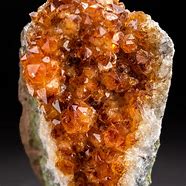
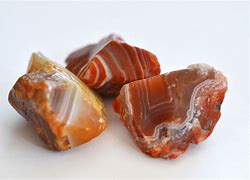
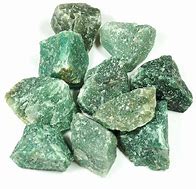
Stone: moss agate, amethyst, bloodstone, emerald, hematite, lapis lazuli, lodestone, pearl, ruby, sapphire, sodalite, all blue stones
Animal: bear, dog, fox, magpie, swan, weasel
Plant: almond, bayberry, chamomile, cherry, cinnamon, cinquefoil, clove, coltsfoot, ginger, hazel, hazelnut, jasmine, lavender, millet, oak, peppermint, periwinkle, rosemary, sage, St. John’s wort, sweet pea, tamarind, lemon verbena, violet
Incense: cassia, cedar, cinnamon, clove, frankincense, jasmine, lavender, mastic, mint, rosemary, sage, sandalwood, storax, dried and powdered citrus peel, and all incense made from aromatic bark, wood, and seeds
Goddess: Carmenta, Hecate (Queen of Crossroads), Hel, Ishtar, Ma’at, the Morrigan, Nike
God: Anubis, Bragi, Elath-Iahu. Enki, Garuda, Hermes, Maximon (Black Magician), Mercury, Nebo (Wise God of Wednesday), Odin, Shango, Ullr, Vishnu, Wayland, Woden
Evocation: Agrat Bat Mahalat, Michael, Miel, Raphael, Seraphiel, Tirie
Dear sisters, brothers, and honored guests may the Gods and Goddesses bless you and your family with all things positive!


 Witches Of The Craft®
You must be logged in to post a comment.