How To Honor the Ancestors at Samhain

How To Honor the Ancestors at Samhain

By

Many Wiccans and Pagans choose Samhain as a night to honor their ancestors.

For many modern Pagans and Wiccans, there has been a resurgence of interest in our family histories. We want to know where we came from and whose blood runs through our veins. Although ancestor worship has traditionally been found more in Africa and Asia, many Pagans with European heritage are beginning to feel the call of their ancestry. This rite can be performed either by itself, or on the third night of Samhain, following the End of Harvest celebration and the Honoring of the Animals.

Here’s How:

  1. First, decorate your altar table — you may have already gotten it set up during the End of Harvest rite or for the Ritual for Animals. Decorate your altar with family photos and heirlooms. If you have a family tree chart, place that on there as well. Add postcards, flags, and other symbols of the country your ancestors came from. If you’re lucky enough to live near where your family members are buried, make a grave rubbing and add that as well. In this case, a cluttered altar is perfectly acceptable — after all, each of us is a blend of many different people and cultures.
  2. Have a meal standing by to eat with the ritual. Include lots of dark bread, apples, fall vegetables, and a jug of cider or wine. Set your dinner table, with a place for each family member, and one extra plate for the ancestors. You may want to bake some Soul Cakes.

    If your family has household guardians, include statues or masks of them on your altar. Finally, if a relative has died this year, place a candle for them on the altar. Light candles for other relatives, and as you do so, say the person’s name aloud. It’s a good idea to use tealights for this, particularly if you have a lot of relatives to honor.


  3. Once all the candles have been lit, the entire family should circle the altar. The oldest adult present leads the ritual. Say:

    This is the night when the gateway between our world and the spirit world is thinnest. Tonight is a night to call out those who came before us. Tonight we honor our ancestors. Spirits of our ancestors, we call to you, and we welcome you to join us for this night. We know you watch over us always, protecting us and guiding us, and tonight we thank you. We invite you to join us and share our meal.

  4. The oldest family member then serves everyone else a helping of whatever dishes have been prepared, except for the wine or cider. A serving of each food goes on the ancestors’ plate before the other family members recieve it. During the meal, share stories of ancestors who are no longer among the living — this is the time to remember Grandpa’s war stories he told you as a child, tell about  when Aunt Millie used salt instead of sugar in the cake, or reminisce about summers spent at the family homestead in the mountains.
  5. When everyone has finished eating, clear away all the dishes, except for the ancestors’ plate. Pour the cider or wine in a cup, and pass it around the circle (it should end at the ancestor’s place). As each person recieves the cup, they recite their genealogy, like so:

    I am Susan, daughter of Joyce, the daughter of Malcolm, son of Jonathan…

    and so forth. Feel free to add in place names if you like, but be sure to include at least one generation that is deceased. For younger family members, you may wish to have them only recite back to their grandparents, just because otherwise they can get confused.

  6. Go back as many generations as you can, or (in the case of people who have done a lot of genealogy research) as many as you can remember. You may be able to trace your family back to William the Conqueror, but that doesn’t mean you have it memorized. After each person recites their ancestry, they drink from the cider cup and pass it to the next person.
  7. A quick note here — many people are adopted. If you are one them, you are fortunate enough to be able to choose whether you wish to honor your adoptive family, your biological family, or a combination of the two. If you don’t know the names of your birth parents or their ancestry, there’s nothing wrong with saying, “Daughter of a family unknown.” It’s entirely up to you. The spirits of your ancestors know who you are, even if you don’t know them yet.
  8. After the cup has made its way around the table, place it in front of the ancestors’ plate. This time, a younger person in the family takes over, saying:

    This is the cup of remembrance. We remember all of you. You are dead but never forgotten, and you live on within us. 

    Take some time to meditate on the value of family, how fortunate we are to be able to know the connections of kin and clan, and the value of heritage. If your family has a tradition of music or folktales, share those as a way to wrap up the ritual. Otherwise, allow the candles to burn out on their own. Leave the plate and cup on the altar overnight.

Tips:

  1. If you didn’t do a separate ritual for animals, you can add photos and candles for deceased pets to your family altar.
  2. If you like, you may wish to follow this ritual with a Seance.

What You Need

  • Items to represent your family members
  • A meal to eat
  • A cup of cider or wine to drink
  • Candles

Halloween: The Past in the Present

Halloween: The Past in the Present
by Elspeth Sapphire

The days are shortening and dark comes early.  There is a certain crispness to the air as we stroll the streets.  Before long, the leaves are turning bright colors, only to slowly drift down to cover yards and streets.

Yes, autumn is here.

And with autumn comes a holiday enjoyed by both old and young…Halloween.

What is the appeal of this night?  Why do we find people ranging from infants to grandparents donning costumes and for one night forgetting the mundane?

Halloween, or Samhain to the Pagans, has caught the imagination of people throughout the ages.  From the ancient rituals honoring the dead to our modern custom of trick or treating, this one night is our time to put aside any fear of the dark and embrace any that walk there as welcome. Halloween costumes have become a huge part of the tradition of Halloween now as well to remind people what we used to fear and to have a little fun with it.

The ancients chose this time of year to celebrate the dead. The harvests were done and the fields laid empty.  The days of sun were at a end and the days of dark were beginning.  What better time to celebrate the powers of darkness.

This was not a celebration of fear; not always has darkness equaled fear.  Instead for those who believed in rebirth, it was a time to reach and touch those beliefs.  Just as the fields now laid bare, they would flower again in the spring.  And so it was with us, dying only to be reborn.

So many of our Halloween customs can be traced to the past and the habits of our ancestors.  Each time I look at the jack-o- lanterns shining with devilish grins, I can picture the original lanterns.  Turnips were hollowed out and candles placed inside to protect them from the wind.  These lanterns were placed on window sills to guide the dead back to their kin.

Since the apple harvest was celebrated at this same time, apples often played an important place in the festivals.  When you bob for apples or dangle apples on strings, you are walking in the footsteps of other people and other times.

What would Halloween be without costumes and masks?  Yet, have many of us wondered why we so enjoying the wearing of costumes? Dressing up frees us from the ties of our everyday life.  For a brief moment of time, we become a princess or an Indian or a cartoon character.  This gives us a freedom of action that we normally wouldn’t have.

Masks have also long been associated with death and the gods. Was early man trying to understand death when he put on a mask of a dead one? Perhaps, donning a mask could put us in touch with the gods themselves.

The black cat, familiar to many a storybook witch, was priced because cats could sense the dead.  They could be used as a kind of early warning system.  Why black cats?  What better color for this time when the darkness rules?

Every where I look, I come face to face with the stereotyped image of the witch.  Wicked or not, they all looked alike: greenish skin, a wart, misshapened face, dressed all in black. In these days of striving for the politically correct, many are trying to remove this image from Halloween celebrations.  I guess they don’t see what I do.  I look at the Halloween witches and remember pictures of the dark Goddess, dressed in black and with her high pointed hat.  She would wait at the crossroads to guide the dead to their rest until the time of rebirth.  Evil?  I don’t believe so, anymore than I believe death is evil.  Instead it is one more symbol that has passed down through the years to spice October 31st.

Just look around.  We are surrounded by symbols of the past that we take for granted.  The brooms the witches rode.  The cauldrons that bubbled with potions vile.  Even trick or treating could be traced back to Celts who went house to house collecting treats of apples.

It has been truly said that there is nothing new under the sun. However, this doesn’t have to hinder our enjoyment.  On Halloween night, you can find me walking the night.  Without fear, I will travel, listening to the laughter of the children, as I go back to another time and place.

THE DRUMS OF SAMHAIN

samhain51

THE DRUMS OF SAMHAIN

– by Chanticleer
The drums of Samhain keeping time.
The gates of magic open wide.
A cauldron’s blessings overflow.
The candle flames are dying low.
The witches dance the circle ’round
to chant and bring the power down.
Hecate will hear our call
to turn the summer into fall.
The magic veil is growing thin.
The Netherworld is near our own.
We’ll see the sacred fire fed
while witches commune with the dead.
The winds of Autumn call our names.
The driving rhythm slowly calms.
The glowing embers we will tend

until the drums of Samhain end.

Those Pretty, Sexy Witches

Those Pretty, Sexy Witches

Author: Sia@FullCircle

It is known as The Season of the Witch, a time when hefty bags of candy appear on shelves, skeletons come out of dark closets to dance among us, and that ugly, green-faced hag stalks the store aisles, frightening little children and annoying real Witches no end. For many years now, both in response to that Hag, and for my own amusement, I have collected items that portray her opposite. As a result, I have dozens of pretty, sexy, positive Witch figures, toys, trinkets, and images in my collection. Some of these pieces feature young women and little girls, while others depict sweet-faced older gals. The elders are often shown hugging cats or puppies or they carry books, flowers or tiny bags of chocolate. For those in the know, that pretty much says it all.

Finding Positive Witch Figures

When I began collecting twenty years ago it was easiest to find such images in vintage postcards published before 1925 or in copies of pin-up posters from the 1950’s and 60’s. Modern representations were much harder to find. After years of asking for “pretty witches” in stores, and getting odd looks, and after much searching, I began to find what I was after. (1) This was long before the collectible fantasy sculptures you see now were available, and before those pretty fantasy witch outfits for young girls and women could be found in on-line catalogs and the Halloween stores. These days, you can walk into any collectibles store and find sculptures of charming, pretty, sexy, witchy women. During Halloween you can even find these types of items in drug stores. Many of the sexy ones are a bit outré, that’s true. This has often been the case.

The Witch as Sex Toy

One way to remove power from a female image is to make it too cute, too busty, too Marilyn Monroe-ish, and so turn Her into a sex toy. That has been going on for a very long time. There are many provocative and in some cases, charming witch images in art, photography and advertising. To see some of these check out the Sexy Witch Blog by Red Witch (the link is below) . Please Note: This contains very Adult Content, folks – Do not watch this site at work.

Taming the Sexy Witch

Because the young witch is seen as sexy and alluring she has power over those who desire her. That makes her dangerous. So our culture sought to tame her and keep her power for it’s own use. Examples of this can be seen in the 1958 film “Bell, Book and Candle” and in the television series “Bewitched”. As a girl growing up I could never figure out why someone with Samantha’s life experience, talent, and wit would be happy living a boring, subservient life with a dim witted dullard like Darrin. (Being ten at the time, I did not realize that “Bewitched”, “I Dream of Jeannie” and shows like it were a cultural backlash in response to the early Women’s Movement, portraying women with power as besotted handmaidens to rather nervous males) . At least the television version of Samantha (as played by Elizabeth Montgomery) was powerful, subversive and smart, unlike her later counterpart in the film remake of that name. (A link to an insightful review of the remake is noted below.)

Finding the Center

The pendulum swings and swings again. The characters of Willow (from the TV show Buffy The Vampire Slayer) , Hermione (from the Harry Potter series) , Tiffany (from Terry Pratchett’s Discworld series) along with many of their sister witches in fiction are antidotes to the negative, exploitative or simply silly image of the witch. More positive portraits will come in time.

Crone or Hag?

Whenever we work with the Crone image, we confront our own fears about death, aging and the unknown. As Pagans know, the Crone can be both our ally, and our teacher. But how do we define a Crone? I believe the woman of the Elderflower Festival in California (www.elderflower.org) have done this rather well. They note that the Crone “has often developed a deeper awareness of her own mortality, either through her own brush with death or through facilitating the passage of another. She is shifting from an external focus to a more introspective state. She experiences a sense of urgency to get on with the real business of her life, and she has begun to shed the old in order to pursue what has now emerged as her life purpose.”

This is a figure to be honored, not feared, so it is not surprising that some Pagans find the classic Halloween caricature of the Crone to be deeply offensive. Others shrug it off with a smile. What seems ominous, to me, is the way in which the use of this green-faced creature in modern day culture mirrors the historical periods of Pagan and Witch persecution. During the Middle Ages and the Renaissance, western patriarchal culture, fueled by the fear of women, (especially older, independent women) promoted a monster known as the Witch.

Frequent crop failures, famines, global weather changes (known to us as the Little Ice Age) as well as injustice, poverty, constant warfare, religious scandals, torture, imprisonment without trial, abuse of power, and political unrest haunted those times. The vicious, vengeful, envious Witch figure was used by those in power to blame ‘the other” for their problems. During this period, professional Witch Finders were paid for every witch they found. How’s that for incentive? Any money, property and animals owned by these witches (mostly older, usually widow women) enriched the town and the church after their deaths. This made the Witch business a very profitable one for all concerned.

Bashing Witches is Good Business.

Just as Jerry Falwell tried to blame feminists, gays, lesbians and Pagans for 9/11 in order to raise his TV ratings, so too did Church and State powers once blame women, Jews, and lepers for the Black Plague. As the Germans used the Jews as scapegoats in Hitler’s day, so did Medieval and Renaissance cultures in the West use non-Christians, cats and old women as the focus for the fear and blame felt by those who suffered because of their greed, corruption and incompetence. When we Pagans say “Never again the Burning Times” we mean that we will not allow ignorance or any Powers That Currently Be to scapegoat or harm our people again.

The Origins of the Green-faced Hag

As far as I can tell, the green colored skin dates from the character of The Wicked Witch of the West as portrayed by Margaret Hamilton in the 1939 movie “The Wizard of Oz”. (See link to Wikipedia entry below, which shows her portrayal in the movie compared to the original illustrations for the book) . As the Wikipedia entry notes, “In the classic movie The Wizard of Oz, the Wicked Witch, played by actress Margaret Hamilton, was stooped, green-skinned, and dressed entirely in black. In many people’s minds, this representation of The Wicked Witch has become an archetype for human wickedness.”

Advertisers and toy makers picked up on this version and the classic Hag persona, (which featured wrinkles, a long nose, a wart or two, claw like hands, and a pointy chin) added on the green skin. The green colored skin makes the Halloween Witch seem even less human, and more demonic, than before. It is now a standard feature of this image.

I should note here that there is another, far sadder potential origin of this image. This was pointed out by a writer named Angel in 1999 in the form of a prose poem which has been seen at many a Pagan newsgroup since it first appeared. To read it, visit the Endnotes section of this article, and click on “She Returns: The Halloween Witch”

She Who Changes

Can a pretty Witch figure do anything to change people’s hearts and minds? You never know. But keep an eye out for pretty Witches this season and see how many more of them you see now, than you ever saw before. I would argue that the image is changing, as more and more of us come out of the broom closet in positive ways. We change the image, and the image changes the way people see us, as well. When you think about it, the process is…magical.

Uppity Older Women

Most cultures realize that elders, assuming they have paid attention to life’s many lessons, know a bit more then their younger counterparts. Some cultures fear that knowledge, some honor it and use it. Suzanne Braun Lavine, in an prescient article for Ms. Magazine some years back, (see link below) quoted Gloria Steinem’s famous saying that that older women tend to get more radical, not less, as they age. She also quotes Gerda Lerner’s observation that “Such a critical mass of older women with a tradition of rebellion and independence and a way of making a living has not occurred before in history.”

Yea, verily. That fact is only beginning to be noted and we’re going to hear more about older women changing this culture. This is why the old woman in the conical hat with the black cat in her arms can make me smile. I know her true power. Her headgear has long been associated with medieval noblewomen and mystics and outsiders in general (2) ; groups viewed as threats because of their learning and their frequent refusal to toe the dogmatic party line.

Patriarchal culture made these women into such an out-sized caricature so they could mock them and assure that others who might listen to their wisdom would shun them in fear. But in mocking these old ladies (old ladies back then being anyone over the age of 35) , they have unwittingly brought Her down to us through history. Now we can restore that “old” woman to her rightful place, that of experienced, well traveled, thoughtful Elder.

This is not the wizened, frail Crone of yesteryear. Older women today are independent, sexual beings and they have means. They are also powerful Healers, learned Advocates, courageous Guardians, effective Organizers, and a clear-eyed, questioning Seers. As the saying goes, “Everything She touches, changes.”

There are millions of us now, and we are standing up, changing things, and demanding to be heard. And, by the way, we vote.

Be afraid. Be very afraid.

Sia

Links:

Sexy Witch Blog:

Article by Levine for Ms. Magazine:

Pagan Myths Debunked: Where Do You Think That Pointy Hat Came From, Anyway? by Lillith Veritas:

Review of Bewitched Remake by James Bowman

The Wicked Witch of the West:

Another Theory for the Green-faced Witch
She Returns: The Halloween Witch

Endnotes:

(1) Feminists, Pagans, store owners, and collectors were a bit ahead of a coming trend back in the early 90’s and were, perhaps, a small influence on that trend. This is what Malcolm Glaswall in his book “The Tipping Point” calls The Law of the Few, which contends that before widespread popularity can be attained, a few key types of people must champion an idea, concept, or product before it can reach the tipping point. Glaswell describes these key types as Connectors, Mavens, and Salesmen. If individuals representing all three of these groups endorse and advocate a new idea, it is much more likely that it will tip into exponential success.

(2) Excerpt from Pagan Myths Debunked: Where Do You Think That Pointy Hat Came From Anyway? By Lillity Veritas (a link to the full article is above)

“There is another, commonly held belief that the pointed hat originated with another persecuted group in Europe, the Jews. While Jews did wear pointed headgear, most scholars now believe these hats were not a likely source for the witch’s pointed hat. After all, pointed hats were fairly common throughout the Middle Ages and Renaissance.

This fact leads us to the source I find to be most believable, and most mundane, for the Pointy Hat Look. During the late sixteenth and early seventeenth centuries, commoners in Wales and England often wore pointed hats. As fashions changed, the last to retain the old styles were the rural and peasant folk, who were considered “backward” by higher society and were usually the ones accused of heresy and witchcraft. Much as we today have stereotypes of the sort of student who might commit violence at a high school, so did the medieval people have their ideas of what sort of person might be a witch.

Along these lines, Gary Jensen, a professor of sociology at Vanderbilt University, postulates a connection between the persecution of Quakers in America and the stereotypical appearance of witches in our folklore. Quakers did wear pointed hats, and the negative image of witches wearing conical hats in America became common about the same time anti-Quaker sentiment was at a peak. Quakers were thought by some to consort with demons and practice black magic, things also associated with the early American view of witches. Once again, an easily recognized symbol of an oppressed minority may have become generalized to a group equated with them.

In the final analysis, it’s likely that more than one of these issues came into play to ingrain the pointy hat into the mainstream idea of what a witch looks like. After all, the ideas that stick most firmly in the mind are the ones repeated from different sources, and many things in history can’t be traced to a single root cause or moment.”

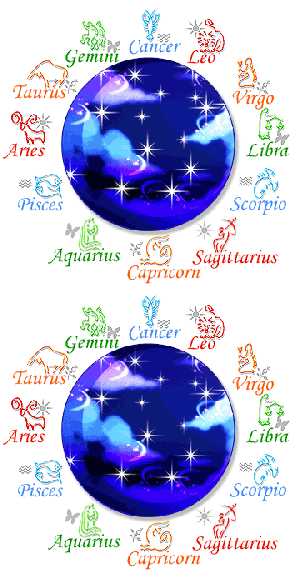
Halloween Costumes for the Zodiac

Halloween Costumes for the Zodiac

Spooky, sexy or silly? Astrology reveals your sign’s best costume

Jeff Kishner   Jeff Kishner on the topics of halloween, astrology

A person’s Sun sign often reflects their inner hopes and dreams. Halloween costumes are an exciting opportunity to bring these fantasy lives to the surface.

Some say the veil to the otherworld is lifted this time of year, so not only can you tap into your insight more easily with a Tarot reading, but you can have a little fun role playing, too.

If you’re stuck for Halloween costume ideas, check out the list below. It could provide you with the perfect outfit to express your inner demons!

Aries (March 21 – April 19)

Your sign is ruled by Mars, the warrior of the zodiac. Dress up as a gladiator or a luchador (a Mexican wrestler). Aries is also the sign of courage, so a police officer, firefighter or military officer uniform would help you express your inner Ram. Superhero costumes are also popular this year, and bold Aries is perfectly suited to take on Superman, Batman or Iron Man.

Taurus (April 20 – May 20)

Your sign is known for earthy beauty, from sensuous curves to brawny muscles. Dress up as Miss America, who made a huge splash this year, or Mr. Universe to show off what you’ve got. You can also dress up as Poison Ivy or a walking tree to channel the Bull’s love for green pastures. Taurus also loves to indulge, so don’t hesitate to dress yourself up like a sweet cupcake!

Gemini (May 21 – June 20)

What better way to dress up than to be Siamese Twins with your best bud or girlfriend? You can literally be joined at the hip! You could also go as famous real-life Twins, such as Mary-Kate and Ashley Olsen. Or a famous real-life Gemini, Angelina Jolie. Gemini is also an androgynous sign, so be a half-man/half-woman creature … or just go in drag!

Cancer (June 21 – July 22)

Your sentimental sign loves the homeland, so express your patriotism as the Statue of Liberty, Uncle Sam or America’s true ancestor, a Native American. Cancer also loves food, so dress up as an oversized banana or a milk carton. You can also pay tribute by dressing up as real-life Cancer Princess Diana, or embrace your sign’s nurturing instincts to dress as a famous mom, like Carol Brady or Octomom!

Leo (July 23 – Aug. 22)

What better way to channel your sign’s mascot than as the Lion from The Wizard of Oz, or in a sexy cat costume? And of course, glamorous Leo rules over royalty and stars, so dress up as a king, queen or just wear tons of gold. Or go as an A-list celebrity or movie star, like Marilyn Monroe or Elvis.

Virgo (Aug. 23 – Sept. 22)

This perfectionistic, word-loving sign can express its erotic earthiness as a sexy librarian. Virgo is also associated with Demeter, the grain goddess … so a chaff of wheat may be right up your alley. Virgo is a great pet lover, so you could dress up as an animal — a cat or dog or even a fox costume, which are selling out this year. Or go as a classic Virgo good-girl, like Dorothy from the Wizard of Oz — and don’t forget her pet, Toto!

Libra (Sept. 23 – Oct. 22)

What better way to bring balance to this holiday than to dress up as Justice? A scale in each hand would help you make sure everyone gets their equal share of candy, especially if you’re dressed up as Judge Judy. Or put on your best threads and say you’re a fashion guru or interior designer. Libra is also the sign that most loves to shop, so dress up as a shopoholic with tons of boxes and bags and you’ll feel right at home.

Scorpio (Oct. 23 – Nov. 21)

Your sign is the private investigator of the zodiac, so you may want to dress up as Sherlock Holmes, Nancy Drew or Inspector Gadget. Scorpio also rules the underworld — so going all-out as your favorite Mafioso will do, whether it’s Tony Soprano or Al Capone. Scorpio is also perfect for so many dark, creepy Halloween costumes — the Grim Reaper, Darth Vader and the Devil will do. Or you could be a zombie prom queen, a skeleton or a corpse bride!

Sagittarius (Nov. 22 – Dec. 21)

The adventurer of the zodiac may want to dress up as Indiana Jones or Lara Croft. Sagittarians also love to make people laugh, so donning a clown costume or the silliest outfit you can find will be good for a few chuckles. The sign of the Archer is also perfectly suited to play a huntress from The Hunger Games, like Katniss Everdeen — just don’t forget your bow!

Capricorn (Dec. 22 – Jan. 19)

The businessman of the zodiac may want to put on a power suit and a funny hairpiece to look like Donald Trump. Strong women, such as Hillary Clinton or Joan of Ark, are also well-suited to your sign. Capricorn also excels at building, so a construction worker’s outfit — make sure you wear a helmet — will help you blast through any crowd. You could also be a superhero, as Capricorn is known for its nearly superhuman strength of character!

Aquarius (Jan. 20 – Feb. 18)

Aquarius rules outer space, so what better way to celebrate Halloween than as an astronaut … or a space alien? Dress up as a scientist in a lab coat and taped glasses to channel this sign’s intellectual bent, or put on fake tattoos and piercings to show your inner rebel. Robots, like in Dr. Who or Star Wars — think R2D2 and C3P0 — are perfect for your quirky sign!

Pisces (Feb. 19 – March 20)

Your sign’s ruling planet, Neptune, commands the sea. Dress up as a mermaid or King of the Sea (carry your trident, or three-pronged spear!). Artistic Pisces would also love to be a ballerina, painter or poet for Halloween. Or wear soft flowing fabrics to be the Muse. Pisces is also known as the most psychic sign of the zodiac, so a gypsy fortune teller Halloween costume would be perfect!

No "Let's Talk Witch" Today Instead A Disclaimer

goth114

We are going to update the site this afternoon and tonight. But I want you to know that there will be a disclaimer on this site for the month of October. I am comfortable in doing this because I know our regular followers are all brothers and sisters of the Craft. The reason I am doing this is because I was scrolling through the movies on TV for October. There are tons of Witchcraft and Occult movies on for this month (doesn’t it figure?).

My husband picked out one last night for us to watch. I think I would have rather watched reruns of Hee-Haw. Seriously. It was a movie about teenagers doing a Séance using a Ouija board. The whole thing was pathetic. Then it hit me, Halloween is this month, Samhain for us. But people will watch these movies and run to this site demanding to do Witchcraft NOW! It happens every year, like clock work. The disclaimer isn’t going to be offensive. It will simply explain that magick doesn’t happen with the snap of the fingers. It is a serious Religion and should be regarded as such. It involves study and unless you are not serious about becoming a student of the Craft, please do not demand Magick NOW! Or something like that.

Anyway, you will know what is going on and won’t be surprised when you see it.

Celebrating Spirituality 365 Days a Year – Pumpkin Festival

mabon_altar_by_el_sharra-d5gi700

September 12th

Pumpkin Festival

In France, the pumpkin festival draws people from far and wide to search the produced markets in search of The Mother of all Pumpkins. Once the great squash has been decided upon, it is decorated and placed upon a throne, where it is allowed to remain for a respectable period of time. At the conclusion of the festivities, the pumpkin is made into bread and soup and sharing among those in attendance.

Crone's Corner – APPLE DIVINATION

Crone’s Corner – APPLE  DIVINATION

* If a girls peels an apple in one long piece at midnight on Halloween, and then  tosses the peel over her left shoulder or into a bowl of water, she will be able to read the first initial of her future partner’s name in the shape  assumed by the discarded peel.
* If a girl peels an apple at midnight on Halloween and hangs the peel on a nail by the front door, the  initials of the first man to enter will be the same as those of her unknown lover.
* If a group of unmarried boys and girls each attach an apple to a string and twirl the apple over a fire,  the order in which the apples fall off the string indicates the order in which they will all be married. The owner of the last apple to drop will remain  unmarried.
* In a group of unmarried boys and girls, each person marks an apple and places it in a large bucket of  water, along with unmarked apples. Without using their hands, the teens attempt to take bites out of the apples floating in the water. The teen is fated to  marry the person whose apple they bite. Another variation of this custom consists of hanging the apples from strings tied to a tree.

Gardnerian Traditional Witchcraft –B.14. Skyclad (1953) c.2013

Gardnerian Traditional Witchcraft –B.14. Skyclad (1953)

B.14. Skyclad (1953)
It is important to work naked from the start, so it becometh as second nature, and no thought of “I have no clothes” shall ever intrude and take your attention from the work.  Also, your skin being so accustomed to unconfinement, when power is given off the flow is more easy and regular.  Also, when dancing you are free and unconfined. . . .
And the greatest of all, the touch of the body of your beloved thrills your inmost soul, and so your body gives out its utmost power; and then it is most important of all that there is not the slightest thing to divert the attention, for then the mind must seize and mold the power generated, and redirect it to the desired end with all the force and frenzy of the imagination.
It has been said that no real knowledge may be gained our way, that our practices are such that they can only lead to lust; but this is not really so.  Our aim is to gain the inner sight, and we do it the most natural and easy way.  Our opponents’ aim is ever to prevent man and woman from loving, thinking that everything that helps or even permits them to love is wicked and vile.  To us it is natural, and if it aids the Great Work it is good.
‘Tis true that a couple burning with a frenzy for knowledge may go straight to their goal, but the average couple have not this fire.  We show them the way, our system of props and aids (i.e., magic ritual).  A couple working with nothing but lust will never attain in any case; but a couple who love each other dearly should already be sleeping together, and the first frenzy of love will have passed, and their souls will already be in sympathy.  If the first time or two they do stay a while to worship Aphrodite, ’tis only a day or two lost, and the intense pleasure they obtain only leads them again to the mysteries of Hermes, their souls more attuned to the great search.  Once they have pierced the veil they will not look back.
This rite may be used as the greatest of magics if it be done with both partners firmly fixing their minds on the object and not thinking of sex at all.  That is, you must so firmly fix your mind on your object that sex and all else are naught.  You inflame your will to such an extent that you may create a strain on the astral such that events happen.


The Effects the Full Moon Has On Us

Just A Thought On Remembering Our Ancestors


I feel it is important to remember Lady Abyss during a Samhain celebrations, so I bring you an article she wrote in 2013.

I wasn’t going to torture you today with any of my comments. But I have been surfing the web for cartoons (it is actually hard to find good cartoons). I am beginning to think I should never leave the site. I ran across a few images that made my eyes water and then I was taken back centuries ago.

The images were of witches or accused witches tied to a stake and burning. Another was of a woman on a plank being dunked into the water. If you know me well, you know I can talk an hour or two on our ancestors. But what happened today moved my soul. Perhaps in all the hustle and bustle, I had forgotten for a moment what this season is all about. It is the Witches’ New Year but it is also a time to remember our ancestors.

For me, remembering my ancestors is both joyous and heartbreaking. I am into genealogy and was able (thanks to a dear friend) to trace my roots back to Ireland. Knowing where you came from can be a good thing or if your a witch, not so good. I know you are scratching your heads over that one, right? What I mean is, I know how witches were treated in Ireland. Persecuted. Then they sailed to the New World to escape the torment and the persecution. But unfortunately, they didn’t. They were found out and the same thing they were trying to escape confronted them again. No peace whatsoever. What kind of life did they have?

Most of my ancestors were healers. I have ran across a few that were hanged as witches. That makes my blood curdle. Their blood flows through my veins today. I know that for sure. There are times I have flash backs to my ancestors’ time. To see and experience one of your kin being hanged is one of the worse things in your life. You can see it plainly but you are powerless to do anything about it. When the flashback is over, I cry and cry. Why were people so ignorant and judgmental back then? Why couldn’t they just let the witches live in peace?

Perhaps if history didn’t happen the way it did, we wouldn’t have what we do now. Perhaps it was a test of some kind for our ancestors. I know they had to have unbelievable faith, courage and enormous amount of love for our Religion and our Goddess.

One of the reasons I can talk about our ancestors for hours is because I admire them so much. I know what they sacrificed for us. When accused of being a witch, they could have simply turned their backs and denied it. But they didn’t. I know they didn’t want to die anymore than the next person. But sadly enough they did. Some were killed and others went underground to protect our Religion. To ensure it would be passed on from one generation to the next. Everyone of them took risks so we could have what we do today.

This time of the year is very special to all of us. Don’t get caught up in all the festivities and forget what it is really about, remembering our ancestors. We owe them so much. And we never can repay the debt we owe them. But we can remember them. I believe remembering and honoring is the greatest way we can say “Thank You” to them for all they have given us.

Without our ancestors and their sacrifices, we wouldn’t have our Religion. This Samhain, hold the memories of your ancestors dear to your heart. Remember them and give them the honors they deserve. They have given us so much.

In the honor and remembrance of all
our ancestors.
Thank the Goddess for them.
 

The Witches Spell for Monday, January 28th: A Spell To See The Great Spirits/Deities

Witchy Comments & Graphics
A Spell To See The Great Spirits/Deities

To see spirits, old European grimoires recommend mixing together aloe, pepper, musk, vervain and saffron, and burning this in a cemetery. We can adapt this for other locations (like those in which the spirit lived) by adding a bit of sweetgrass or tobacco to a specially prepared incense. Create the incense on the anniversary of the death of the individual you wish to contact. This is the burned at 11 am, in the safety of a magick circle that also holds symbolic items to connect you to the entity.

An incantation to encourage the spirit’s presence is:

“Guardians of the Spirit realm,

hear and guide my plea.

When the witching hour rings true,

bring my relationship, name of person to me.

Other souls who hear my call,

are not welcome in this place.

Only the one known as name of person may enter sacred space.”

Repeat the request three times, twenty minutes apart, then wait quietly for indications of a presence. Signs include the scent of flowers, or favored cologne, a cool wind, movement of curtains, and candles going out or twitching erratically. Once you feel sure the spirit is with you, do not make it tarry overly long. Take care of your business, say farewell, and thank the guardians for their assistance before closing the circle.

A Word of Caution:

Spiritual entities should not be banished or called for amusement. It is best

to contact a knowledgeable, experienced psychic for advice or assistance

before undertaking any spells of this type. It is used for communication,

and understanding the purpose of spirits. The best times are in-between

times, such as noon, midnight, dusk and dawn. Halloween. Seasons of late fall

and winter. When the Moon is in Libra. Eclipses. Wednesday.

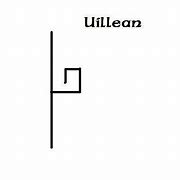
About the Celtic Tree Month Reed October 28 to November 24

Celtic Tree Month Reed

(Ngetal)

October 28 to November 24

Those Born Under This Sign:

Reed signs among the Celtic tree astrology signs are the secret keepers.  You dig deep inside to the real meaning of things and discover the truth hidden beneath layers of distraction.  When there is a need to get to the heart of the matter, most certainly the Reed sign will find the core.  You love a good story, and can be easily drawn in by gossip, scandals, legend and lore.  These tendencies also make you an excellent historian, journalist, detective or archeologist.  You love people because they represent a diversity of meanings for you to interpret.  You are adept at coaxing people to talking to you, and sometimes you can be a bit manipulative.  However, you have a strong sense of truth and honor so most of your scheming is harmless.  Reed people join well with other Reeds, Ash or Oak signs.

Celtic Meaning Of The Reed:

The Celtic meaning of the reed within the Ogham deals with:

  • Purpose
  • Protection
  • Purification
  • Clarification
  • Communication

Today we may not consider the reed a tree, but in the time of the ancient Celts their landscape held prolific reeds in swamp areas; some growing up to 20 feet tall.

The druids viewed any large plant like this with a woody stalk to be a tree, and the reed was considered very important.

All things of the natural world were honored by the Celts, and all things represented the connection with life.   In this way, the reed was highly revered for its usefulness in the day-to-day practices of the Celts.

The reed was used for many purposes by the Celts.  Specifically, they would weave reeds together to make thatched roofs on their homes – some of which (when properly constructed) last up to a decade or more.  This is where the reed obtains its symbolism of protection.  It is also a natural insulator, and the Celts honored it highly during cold, wet months.

Reed gives off a faint sweet smell when macerated, and so the Celts were known to lay out pressed reeds as flooring in their homes to deodorize.  This was also a practice for cleansing and purifying homes.

Reeds also made good candles, and were viewed as beacons of light during the dark nights.  This is another facet of the reed’s purposefulness in the life of the Celts.

The reed gets its symbolism of communication from several sources.  In the hands of a good craftsman (and there were many among the ancient Celts), a reed would make a fine whistle, flute or recorder.  These were highly prized amongst the people, particularly bards. Through these flutes and music the spiritually-minded Celts would communicate fantastic worlds of vision, heroism, and beauty.  

Secondly, if you are still enough, you can hear them sing a song when the wind blows through a field of reeds.  If you’ve ever had the pleasure of hearing it, you know it is an eerie experience.  The Celts viewed this as an otherworld voice, and considered it a message of powerful importance.

Take the time to incorporate these symbolic meanings of the reed in your life.  Gather some up and bring them into the house to open up the energy and clear the air.  Or, try fashioning a flute from a reed and take it to your next drum circle to play!  Your Celtic ancestors will get such a kick out of that!

Reference:

Whats-Your-Sign.com

Questions & Answers Regarding The Old Religion

The following is an excerpt from “Witchcraft: The Old Religion”

by Dr. L. L. Martello.

Questions and Answers.

Q. What is the  best way for one who  is interested in the Old  Religion to     make contact  with a genuine  coven?

A. Subscribe to  all of the  Pagan and     Witchcraft publications. It’s easier to get into a  Pagan grove which often     acts  as a backdoor  to the Craft,  since many are  Wicca-oriented in their     worship  and rituals.  Fill out  a Coven-Craft  application form  issued by     WICA. To obtain yours, enclose a self-addressed stamped envelope.      WICA’s address is Suite 1B, 153 West 80 Street; New York 10024.

Q. What are the major  feast-days of Witches? Could you tell me  more about     the origins of Halloween?

A. Most Anglo-American covens celebrate the following      holy days. The four major ones  are Oimelc or Candlemas on February  2; May     Eve, Beltane, or Walpurgisnacht on April 30; Lammas on July 31 or August 1;     and of course Halloween or Samhain on  October 31. The four minor Holy Days     are the two solstices: Yule, around December 22; and Midsummer, around June     21 or 22. The other  two are the equinoxes: March 20-21 for  spring and the     fall  equinox on September 22  or 23.  The following  will help to give you     some idea of the origins of Halloween:

November Eve, All Hallows’  Eve, the Gaelic fire festival  of Samhain,     now generally called Halloween, represents the summer’s end, when the Earth     Goddess turns  over her reign to the Horned God of the Hunt, the transition     from life to death, from an agrarian time to one of hunting, from summer to     winter,  from warmth  to  coldness, from  light to  darkness.  It has  been     Christianized into All Saints’ Day,  a time when the souls of  the departed     wander the land and in some cases where the souls of the living temporarily     join  their spirit brethren, a time for mediumship, remembrance of departed     loved ones,  and celebration (as  opposed to  mourning) of the  dead.   The     Roman Goddess of fruits and seeds, Pomona, was worshipped on  this day. The     stored fruits and seeds of the  summer were then opened for the celebrants.     Apples and  nuts were the  main fruits.  This was also  the autumn  harvest     festival of the Druids.

They believed in the transmigration of souls     and taught that  Saman, the Lord of Death, summoned  those wicked souls who     were   condemned to  occupy the bodies  of animals in  the preceding twelve     months. The accused believed that they  could propitiate Saman by gifts and     incantations, thus lessening if  not eliminating their sentences. This  was     also the time when the Druids lit huge bonfires in honor  of Baal, a custom     continued in Britain and Wales until recent times.    In Ireland October 31     was called Oidhche Shamhna, or Vigil of Saman.  In his Collectanea de Rebus     Hibernicis,  Villancey says  that in  Ireland  the peasants  assembled with     clubs  and sticks, “going from house to house, collecting money, breadcake,     butter, cheese, eggs, etc., for the feast, repeating verses in honor of the     solemnity,  demanding  preparations for  the festival  in  the name  of St.     Columb Kill, desiring them to lay aside the  fatted calf and to bring forth     the black sheep. The good women  are employed in making the griddlecake and     candles; these  last are sent from house to  house in the vicinity, and are     lighted up on the (Saman) next day, before which they pray, or are supposed     to pray, for the  departed soul of  the donor. Every  house abounds in  the     best viands they can afford: apples and nuts are devoured in abundance; the     nutshells are burnt, and from the  ashes many strange things are  foretold;     cabbages are  torn up by the  root; hemp-seed is  sown by the  maidens, and     they believe that if they look back they will see the apparition of the man     intended for their future spouse; they hang a smock before the fire, on the     close of the feast, and sit up all  night, concealed in the corner of  the     room, convinced  that his apparition will  come down the   chimney and turn     the smock; they throw a ball of yarn  out of the window, and wind it on the     reel within, convinced that  if they repeat the Pater Noster backwards, and     look  at the  ball of yarn  without, they  will then  also see his  sith or     apparition; they  dip for apples in a  tub of water, and  endeavor to bring     one up in the mouth; they suspend a cord with a cross-stick, with apples     at one point, and candles lighted at the other, and endeavor to catch the     apple,  while  it is  in a  circular  motion, in the mouth.”

Vallancey concludes that these practices are the  remnants of Druidism and will never     be eradicated while  the name of  Saman remains. In  this brief passage  we     will see  the origins of many  modern Halloween practices, such  a trick or     treat, the Jack-o-Lantern, and apple bobbing.

In the island of Lewis the     name Shamhna, or Saman, was called Shony.  One writer  in disgust described     “an  ancient  custom  here to  sacrifice  to  a sea-god,  called  Shony, at     Hallowtide.”  The supposed Christian inhabitants would gather at the Church     of  St. Mulvay, each  family bringing provisions and  malt which was brewed     into ale. They chose  one of themselves to wander into the  sea at night up     to his waist. He  then poured out a cup  of ale calling upon Shony to bless     his people for the coming year.   “At his return,” this writer says, “they     all went to church,  where there was a  candle burning upon the  altar; and     then standing silent for a little time, one of them gave a signal, at     which the  candle was  put out,  and immediately  all of  them went to  the     fields, where they fell a-drinking ale, and spent the rest  of the night in     dancing  and singing.   The ministers in  Lewis told me  they spent several     years  before  they  could persuade  the  vulgar  natives  to abandon  this     ridiculous piece of superstition.”

The name Saman shows evidence of      Druidism in the Irish. Another  word, the name of a drink,  is “lambswool.”     It is made from bruising roasted apples and mixing it with ale or milk.     The  Gentlemen’s  Magazine  for  May,  1784,  says,  “this  is  a  constant     ingredient at a  merrymaking on  Holy Eve.” Vallancey  shrewdly traced  its     etymological origin when he said, “The  first day of November was dedicated     to the angel presiding over fruits, seeds, etc., and was therefore named La     Mas  Ubhal, that is,  the day  of the  apple fruit, and  being pronounced     Lamasool, the English  have corrupted  the name to  Lambs-wool.” The  angel     referred to of course is the Roman Goddess Pomona.

Q. Are these Holy Days the same throughout the world?

A. No. However, there are many universal similarities between all the pagan     religions. Names, dates and days vary according to national origin.     For instance, one of the Holy Days still celebrated by many Italian and     some Sicilian  traditions is the Lupercalia,  on February 15. It  has since     been Christianized into  St. Valentine’s Day on Feb. 14.  Let me quote from     the WICA  Newsletter:  Ancient Roman  festival  honoring Lupercus,  God  of     Fertility. It was  called dies  februatus meaning ‘day  of expiation.’  The     Lupercal–‘wolf’s grotto’–a cave on the western slope of Palatine Hill.     Near it was the ficus ruminalis, the fig tree under which Romulus and Remus     were  found and  nursed by a  she-wolf.   The Lupercai  who celebrated this     yearly festival  were made up of the Fabian who belonged to the Sabines and     the Quintilian Lupercai, the Latins. Later in honor to Julius Caesar, there     was added the Julian  Brotherhood. They sacrificed a goat.  Young neophytes     were brought in. The  High Priest touched their  foreheads with the  bloody     knife. Then another priest wiped away the blood with wool dipped into milk.     The feast began with the celebrants clothed only in goat skins and carrying     (really hiding) thongs made from the same goat hides.  They ran up and down     the  streets  of the  city striking  anyone who  passed  them.   Women came     forward to  be hit  by the  goat-thongs, believing  it  enhanced their  own     fertility. This was also a symbolic purification of the land and of the     persons touched. This was on   of the last Pagan rites to be given up     before  Christianity   completely  dominated  the  country.   It  is  still     celebrated today but in modern form, without the goat or  any other kind of     sacrifice, but  all wearing  skins  and goat  horns  in a  special  streghe     ritual.”

Q. What are some of the Christian holy days that are based upon or borrowed     from ancient Pagan Religions?

A. You’ll  find many of them discussed in this book. However, briefly, here     are some  of them. December 25 in  ancient times was the  day celebrated in     honor of  the sun, deified  in such figures  as Mithra, Osiris,  Horus, and     Adonis. It was also the  feast day of Bacchus, Krishna, Sakia,  and others.     The legends of these Gods were the same as those attributed to Jesus Christ     by  the early  Church.  Pope Julius  I  in A.D.  337 made  December  25 the     official day to celebrate Jesus’s birth, following older traditions who      honored their founders on that date. It was also the ancient celebration of     the  winter  solstice.  There  is absolutely  no  record  in  the  Bible or     elsewhere  of when Jesus  Christ was born.      All of us  are still paying     tribute to the ancient Gods  and Goddesses by the names of our  days of the     week.

English French Italian Spanish Planet Deity
Sunday Dimanche Domani Domingo Sun Mithra
Monday Lundi Lunedi Lunes Moon Diana
Tuesday Mardi Martedi Martes Mars Tiw
Wednesday Mercredi Mercoledi Miercoles Mercury Mercury
Thursday Jeudi Giovedi Jueves Jupiter Jove-Thor
Friday Vendredi Venerdi Viernes Venus Venus-Freya
Saturday Samedi Sabato Sabado Saturn Saturn

Two of the English  names come from Old Saxon rather  than Latin. Tiw’s Day     became Tuesday  in honor of the old Teutonic deity, Tiw or Tives. Wednesday     is named after the  old Teutonic Norse God  Wodan or Wotan. The Saxon  word     for  day  is  doeg.  In  olden  times the  days  were  called  Jove’s  Doeg     (Thursday), Mercury’s  Doeg (Wednesday), Mar’s <sic>  Doef <sic> (Tuesday),     etc.  Friday was the day when the  ancients paid tribute to Venus–the love     day. When  Christianity became dominant,  Friday was  no longer  considered     lucky–Jesus  was crucified on that day; also, the uninhibited sexual rites     dedicated to the love  Goddess Venus was considered a  great “sin.” Besides     the days of our week our months are also named after the ancient deities:

January: From Latin Januarius, honoring Janus, a Roman God. He presided     over the Gates of Heaven, which the Christians later assigned to St. Peter.     The Anglo-Saxons called it Aefter-Yule, and prior to that Wolf-monat.

February:  From Februus, another name  for the God  of purification Faunus,     thus fertility. The feast was held on February 15 (see  Lupercalia) and was     called Februa.

March:  After Mars, God  of War. Anglo-Saxons  called it     Hraed-monat,  rugged month, or Hlyd-monat, stormy month. A stormy March was     an omen of poor crops. A dry March indicated a rich harvest.

April: From Latin aperio “to open,” like buds. Anglo-Saxons called it Easter-monat, in honor of the Teutonic Goddess of the same name. She ruled spring and light. The Romans dedicated this month to  Venus, often referring to it as Mensis Veneris instead of Aprilis.

May: Named  after Maia  Majesta, ancient Roman Goddess of Spring. Considered Vulcan’s wife. Look up the folklore regarding the May Day celebrations, bonfires, and other rites  celebrated throughout Europe.

June: Named after the Roman Goddess Juno.     Called Sear-monat by Anglo-Saxons. Juno was Queen of Heaven and Guardian of     Marriage and ruled childbirth. June is still the most favored month for      marriage today.

July:  Originally called Quintilus, the fifth month. Old     Saxons  called it Maed-monat, “mead  month” the time to  gather honey for     the drink called mead.

August: Named after the Roman Emperor Augustus. Was once called Sixtilis, the sixth month.

September: Named  after the     Latin  number for seven,  that being the  month in the  old calender <sic>.     Saxons  called it  Gerst-monat,  barley month,  as  this crop  was  usually     gathered then.

October: From octo, the eighth  month in the old  calendar.     Saxons  named it  Wyn-monat,   “wine  month.”  This was  harvest time,  and     Bacchus and Dionysius and all the other ancient deities were honored.  See     Halloween  above.

November: From the  ninth month in  old Roman calendar.     Saxons called it Blot-monat,  “blood month.” This was  when the cattle  and     sheep were  slaughtered for food and  sacrifices.

December: Named after     the tenth month in  the old calendar. It was consecrated  to Saturn, and on     December 17  the great feast of Saturnalia  began, lasting several days. It     coincided  with the winter solstice  and the Yule  season. The Anglo-Saxons     called it Yule-monat, “midwinter month.” It coincided with the winter      solstice and the Yule season.

The Witches Spell for November 3: Cloud Eye Rite

Cloud Eye Rite

This is a version of a rite by an unknown author which involves transferring one’s ‘essence’ to another form, such as a rainbow, an animal, another person, a cloud, even a tree. In this case, you move your perception to a cloud.

You will need: An open space

Dry ice

Passivity


Open by whatever means feels appropriate. (You might just cast a circle.) Set the dry ice in the center of the working area. Participants circle deosil around the ice, chanting “Ka-ao-opua-loa” (the sharp-pointed living cloud). In the Hawaiian legends, this was the name of the kupua of the cloud people. Circling and chanting continue for 10-15 minutes, at the end of which all sit down in a circle as close to the ice as possible. All stare into the fog rising from the ice until tunnel vision sets in (the field of vision goes black except for the object focused upon). At the moment that tunnel vision occurs, say:

As below, so above The cloud is in my eye Ka-ao-opua-loa carry my sight

Participants begin spinning at increasing speed with eyes closed, all the while repeating:

Tenfemet-Douck

When spinning is no longer possible, participants lie on their backs and open the eyes completely (no squinting) and focus on the first cloud they see. All repeat:

As above, so below My eye is in the cloud Phenomenize the cloud-eye

Visualize a fog exactly like that rising from the dry ice leaving the eyes and rushing up to join with the clouds. Observe it entirely passively, and with the inner voice repeat:

This self is Tenfemet-Douck, The cloud that sees.

When tunnel vision again sets in, close the eyes and open them again quickly. Look down over the terrain that passes below your cloud-eye. Note details if desired, but do not attempt to influence direction or speed of motion. All control of these should be left to the wind. When you have achieved your desired results, switch out of the passive mode and attempt to influence direction or speed. Find yourself back in your human body looking up at the clouds. Banish by laughter, and leave the circle.

Seasons of the Witch

Seasons of the Witch

  • Birthstone: Topaz, signifying fidelity      
  • Third Station of the Year      
  • Kalends of November, ancient Rome      
  • The Isia, ancient Egypt (Oct 28-Nov 3)      
  • Day of the Awakeners, Bulgaria      
  • Day of the Banshees, Ireland      
  • El Dia de las Muerte, Mexico (Day of the Dead) – feast and festival celebrating Death and commemorating the dead.      
  • Voodoo: All Saint’s Day – ritual bonfires are lit for the sun loa Legba, symbolizing the re-firing of        the sun at the beginning of the new year.      
  • All Saints Day is a day of religious feasting that, with no coincidence, follows the originally pagan holiday of Halloween.  More than 2,000 years ago, Celtic peoples in Ireland, Scotland, and Great Britain held harvest feasts to which they believed the souls of their dead returned. These feasts evolved into what we now know as Halloween.
  • Voudun/Catholicism: All Saints Day – feast in commemoration of all the Christian saints. Moved from springtime to Nov. 1st to         counter the Druid’s celebration of Samhain.      
Kitano Odori, Kyoto, Japan (Nov 1-15) At Kamikyo-ku, Kitano Kaikan theatre, Kyoto, Kyoto Prefecture Dancing  groups and music.
World Community Day–Day for celebrating the unity behind diversity and remembering we are all one people – all  children of the one universal Deity of many names and aspects.
11/1 to 11/4: Diwali/Lunar New Year/Festival of Lights–Hindu festival for Goddess Lakshmi (source of health,  fertility, and prosperity) and Her consort, God Vishnu (the preserver); focus is on peace-making and new beginnings. [a/k/a Divali, Dipavali, Deepavali,  Bandi Chhor Divas]
Excerpted From GrannyMoon’s Morning  Feast Archives, Earth, Moon and Sky and/or School of Seasons .
Remember the ancient ways and keep them sacred!

Daily Feng Shui For Nov 1 ~ ‘All Saint’s Day’

Today’s ‘All Saint’s Day’ honors the nearly 10,000 saints canonized by the Christian church to date. All Saint’s Day was originally celebrated in May but was moved to early November to offset the perceived paganism associated with Halloween and tomorrow’s ‘Day of the Dead.’ Regardless of when you celebrate them, asking the saints for their intercession is always a good thing. Of late, I have found myself invoking Saint Basil, patron saint of Causes and Justice. Saint Basil also assists in righting wrongs, especially where legal cases are concerned. The specific ritual assigned to invoke Saint Basil says to light three red candles before asking to bring the right remedy to the concerning situation. After blowing out the candles and when your prayers have been positively answered, you must then thank Saint Basil for his attention and assistance. Can I get an amen?

By Ellen Whitehurst for Astrology.com