Spell for Tomorrow – Protection from Torment and Slander

(YOU CAN COPY AND PASTE ANY SPELLS POSTED TO A DOCUMENT TO PRINT AND/OR SAVE ON YOUR COMPUTER FOR PERSONAL USE ONLY. You can find the origin of the spell by clicking on the hyperlink.)

Anti-Slander Spell – Protection from Torment and Slander

Time: Waning moon or Dark of the Moon.

You will need:

  • A dark altar or an image of Hecate
  • Two Candles – One black, One blue or white
  • An instrument to inscribe the candle
  • Juice from the Dieffenbachia Plant
  • Spider Webs
  • Pen and Paper
  • Purifying or Calming Incense

Note: “Hecate” is pronounced “Heh-KAH-tee” or “Heh-KAH-Teh”

Use a dark altar, or an image of Hecate, Avenging Goddess, on your altar. Place two candles on either side of the image. You will need a black candle, juice from a dieffenbachia plant (which numbs and paralyzes the tongue if you get it in your mouth, so don’t; you won’t need much of it), and spider webs. Inscribe the black candle with your enemy’s name. Make your circle. Say the following invocation:

Lady of Darkness,
Dark Isis of spells,
Hecate, avenging Mother
Hear us and help us.
Roll the black candle in the juice of the diffenbachia to stop the enemy from speaking evil about you or your loved ones. Say:Let the tongue of (name) be numb
and powerless to speak evil,
To speak the untrue.
Let his/her voice fail and throat close
On the harmful words,
By the power of the Dark Lady.
Then roll the candle in spider webs. Say:

May (name) be caught and bound by the webs of his/her own deceit.
Then write the person’s name on a piece of paper.

Light the candle and say:

Here is (name), alone and helpless.
(Name), you are friendless.
Emptiness and failure close around you.
Your plans are as nothing.
Frustration is yours.
Trouble, doubt and fear are at your side.
Soon you will cease tormenting me (or name of person you’re
protecting).

Burn the paper in the flame of the black candle. Take it and the remnants of the candle after dark and sprinkle it before the residence of your enemy, or where the enemy is certain to walk. Light a blue or white candle and burn calming or purifying incense for peace.

Divination Journal

Lady Carla Beltane picks out the symbol, rune, tarot card, etc., but the information is from the website in the hyperlink. The description of these is one person’s view on them. Please click on the hyperlink for more information.

TAROT CARD

Source: The English Magic Tarot by Rex Van Ryn, Steve Dooley and Andy Letcher Copyright 2015 Page 74

NINE of WANDS

Defense; raising of a siege; defensiveness

Description: A great commander has seen off his enemy. His castle and lands are secure. He is building a palisade around the perimeter of his realm.

Reading: You stand in a commanding position. Your world is safe; your defenses strong.

Animal Spirit Guide or Helper

Sources: Ted Andrews’s Animal-Speak, Jessica Dawn Palmer’s Animal Wisdom, and Steven D. Farmer’s Power Animals.

HARE

Although hares and rabbits look similar, they have very different symbolism. A hare is bigger than a rabbit, has longer ears, and possesses more powerful hind legs. The two most abundant kinds are the European Brown Hare and the Snowshoe Hare. The Snowshoe Hare is strongly linked to the Snowy Owl population, such that when hare populations are down, the owls stop breeding, and even die from starvation. The hare is more solitary and tougher than the rabbit. Hares don’t live in warrens or have maternity nests. The young hares are born so well-developed that they can fend for themselves within a few hours of their birth.

The hare is associated with a number of myths from many different cultures. The Algonquin tribe honored the Great Hare as a demiurge, a role in the creation of the world. The Egyptians also saw the hare involved in a creation story. For them, the hare came to mean procreation, and then immorality. While the hare is often associated with impatience and haste (like the “Tortoise and the Hare” fable), it’s important to note that other cultures, like the Goths, saw the hare as fleet and swift, and symbols of diligence. This reflects the attitudes of medieval hunters, who viewed hares as a challenge to catch.

Hare people are considered sensitive and artistic, and also linked with ambition, fitness, and virtue. However, the hare is not just associated with positive things. Hares are also thought of as greedy and selfish, even a bad example for people. Hare is seen as a jokester, linked with trickery and fraud. Even those with hare medicine are clever, often unreliable, and frequently thinking of themselves.

Although hare has some qualities that are less than redeeming, there are things he can teach us. Because they move in leaping and hopping motions, those with rabbit and hare totems can expect changes in their own lives in the same kind of movement. Hare can also aid people in recognizing the signs around them by attuning to lunar cycles and understanding the tides of movement in their own lives.

Rune

Source: therunesite.com

Fehu

Sound: “f”
Stands for: Cattle
Color: Green (Brown)
Casting meaning: Fehu is a rune of power and control. It represents new beginnings and “movable” wealth such as money and credit. It is a rune that gives us the power we need to obtain wealth as well as the power we need to hold on to it.

Witches’ Rune

Source: summergoddess.wordpress.com

CROSSROADS

This rune indicates a more difficult path where things are not so easy.

The Crossroads represents not only quarrels and misunderstandings but also discipline and mastery over the self.

It is not necessarily bad luck, but rather slow, substantial gains.

The Crossroads suggest maintaining the status quo, understanding boundaries and limitations, make a sustained practical effort, practical matters and solid achievement.

Relationships may be on shaky ground when one of these elements is sacrificed at the expense of another.

This rune stresses basic concerns and could indicate feeling boxed in. There may even be a feeling of discouragement. But you will soon discover innate strength and resources giving your achievements more meaning.

Ogham

Source: learnreligions.com

COLL/CALL

C, sometimes read as K, is Coll, which is the Hazel tree. August is known as the Hazel Moon, because this is when Hazel nuts appear on the trees–the world Coll translates to “the life force inside you”, and what better symbol of life than the nut itself? Hazel is associated with wisdom and creativity and knowledge. Sometimes it is connected in Celtic lore with magical springs, sacred wells, and divination.

Hazel was a handy tree to have around. It was used by many English pilgrims to make staffs for use upon the road–not only was it a sturdy walking stick, it also provided a modicum of self-defense for weary travelers. Certainly, it could have been used as well for ritual. Hazel was used in weaving of baskets by medieval folk, and the leaves were fed to cattle because it was believed this would increase the cow’s supply of milk.

In the Irish myth cycles, there is a tale that nine hazel nuts dropped into a sacred pool. A salmon came along in the pool and gobbled up the nuts, which then imbued him with wisdom. A variation of the story appears in the legend of Finn Mac Cumhail, who ate the salmon and then took on the knowledge and wisdom of the fish. Note that Mac Cumhail is often translated as Mac Coll.

Coll Correspondences

Mundane Aspects: Take advantage of your own artistry or creativity, and share your knowledge with others so they too can practice these arts. Lead by example, and teach those who wish to learn. Find inspiration for your creative gifts, whatever your talent may be.

Magical Aspects: Let the divine guide you in your creative journey. Speak to the gods through your art, and be rewarded with inspiration. If you’re stuck in a creative rut, call upon the Divine to send you a Muse.

I Ching

Source: IChingOnline.net

Hexagram One/1

Huan / Dissolution

Wind carries the Mists aloft:
Sage rulers dedicated their lives to serving a Higher Power and built temples that still endure.

The King approaches his temple.
Success if you stay on course.
You may cross to the far shore.

SITUATION ANALYSIS:

Walls meant to protect have instead separated and isolated.
Your defenses have kept you apart from those whom you most need to touch.
Whatever the reason for discord between you, it is time to lay down your arms.
Dispel the inflexible demands and fears of the Mind so that you may reunite in the Heart.
If you have begrudged, forgive.
If you have torn down, repair.
If you have injured, heal.
If you have judged, pardon.
If you have grasped, let go.

Numerology

Source: worldnumerology.com

FIVE

The most vibrant, freedom-loving of all numbers in numerology

A DYNAMIC FORCE

The 5 is unpredictable, always in motion, and constantly in search of change.

Although it is molded from an almost equal mix of freedom-loving and loyal characteristics, the 5 is slightly more daring, and there is nothing submissive about it.

The 5 is extremely independent in mind and soul.

Many 5s choose careers that require travel or otherwise offer a regular change of environment. People working in the travel industry, small business owners, independent consultants, lawyers, and those in sales often have the 5 in their core numbers.

The 5 can adjust quickly to pretty much anything coming their way.

Perhaps the most dominating trait of the 5 is the uncompromising demand for freedom in thought and action.

On the negative side, the 5 can be selfish, thoughtless, and irresponsible.

Angel Number

Divination Journal

Lady Carla Beltane picks out the symbol, rune, tarot card, etc., but the information is from the website in the hyperlink. The description of these is one person’s view on them. Please click on the hyperlink for more information.

Tarot

Source: Tarotx.net

7 of Pentacles – Minor Arcana

Upright meaning

In this card, we see a triangle in the center pointing upwards, framed by four pentagrams at the four corners, reaching the state of materialized spirituality and vice versa. The idea has applied to action and brought about money. This amount is used to fund research and search for information and to help people grow. This card evokes generosity, victorious sports performances, in-depth knowledge of the body, and cognitive-based physical strength. This could be a compassionate person, a patron, a genius businessman, or a global success of a company.

The 7 De Deniers shows that you have a strong desire to invest in things that will bring long-term benefits. You understand the importance of spending time and energy at the moment to reap the benefits in the longer term, and you are not necessarily looking for quick wins as such. You also want to focus your attention on the right areas that will allow you to get more for your money instead of wasting time on areas that…

Reversed meaning

The negative aspect focuses on the disconnection between body and soul, spiritual disdain and overestimation of material life, slavery, greed for money, multinational companies destroying the environment, drug organizations and pharmaceutical monopolies.

The 7 De Deniers in reverse tells that your efforts can be scattered right now, and you start wondering if you are investing in the right areas. You may bet for things that will not work. So, the opportunity here is to review your current and planned investments (cash and time investments) and make sure that you will receive a return. Let’s use a priority system to ensure that you do not waste time or money in areas that will bring little results.

Animal Spirit Guide or Helper

Medieval Runes

Source: TheRuneSite.com

Fyruedal

Sound: no sound
Stands for: Bellows

Magick/Healing use: Contains the power of motivation.

Witches Runes

Source: TarotIngie.com

Star

A green light to go after what you want. Your Life purpose (look at the runes closest to the Star for clues). Being an inspiration for others. Being yourself. Being accepted for who you really are. Freedom.

Druid Ogham

Source: druidogham.wordpress.com

Eadha

Limits, prudence, the usefulness of fear

Tree: Aspen (Populus spp.)

Letter: E

Picture a tall tree that seems to tremble when blown by wind — that’s the quaking aspen. Like birch, aspen grows in groups, which brings to mind the comfort of being surrounded or power in numbers. Pulling this Ogham says that contemplating and respecting limits is the best strategy. For instance, when you are angry about something, allow yourself to fully admit and feel your rage, but bring down a limit when it comes to expressing rage. Honesty and analysis of your emotions, especially of anger, will transform anger into a tool for self-improvement instead of blind self-destruction.

Fear is another limiting force. An excess of fear can be crippling. When fear goes too far, the result is agoraphobia/severe anxiety…

I Ching

Source: psychic-revelation.com

Hexagram Twenty-Two/22

Name: Pi.

Keyphrase: Grace.

Formed By The Trigrams: Mountain over Fire.

General: Valuing beauty will enable you to cultivate your taste for harmony in all aspects of your life.

Love: Beauty is only skin deep – do not be taken in by superficial appearances. Look beneath the surface to see a person’s true character.

Business: If a business proposition looks too good to be true then it probably is. Make sure it’s exactly what it appears to be.

Personal: Enhance your inner beauty.

Overview: Pi is about observing natural grace and allowing that observation to inspire you to emulate it in life. Pi also is a warning not to be taken in by superficial beauty or appearance. Instead, make sure that what lies underneath the surface is more enduring. To neglect to do so may well lead to errors of judgment. Remember, the more enduring beauty is seen with the heart. Not with the eye.

Numerology

Source: cafeastrology.com

Twenty-Two

This is the master builder. Although Number Twenty-twos are idealists and visionaries, they still manage to keep their feet on the ground.

Keywords: achiever, wise, intense, idealistic, resourceful, passionate. If expressed negatively: overly emotional, destructive, dramatic.

As lovers: It’s all or nothing with these lovers. They don’t seem capable of doing things halfway, and that includes their relationships. They are generally bent on achieving in life, and their sheer intensity is something people either love or hate

Angel Number

Binding Spells: A Commonsense Guideline

Binding Spells: A Commonsense Guideline

If you don’t like the idea of using poppets and have decided to work a binding, and you have a handle on your emotions, then here are some commonsense guidelines that I suggest you follow:

* Bindings are best performed on a Saturday.

* Work the binding at sunset and you pull into the spell the closing energies of not only the day, but of the entire week.

* Work with black candles; they coordinate with Saturn’s energies and they are the classic magickal color for this type of witchery.

Finally, to be crystal clear, a binding is the act of psychically restraining a harmful person or criminal so that their actions cannot harm anyone else. The goddess to call on is Hecate, and she is a mighty magickal force. Consider your words and actions carefully when you call on her. How you choose to work a binding is up to you. At this point, I suggest that you take a moment and draft out your binding spell on paper. Go carefully, and remember to harm none.

You may experience some dramatic special effects when working with Hecate. Don’t be taken aback if the wind picks up….if you candles flicker and snap…..or if you begin to notice barking or howling dogs. The animals sense when Hecate is near. Yes, we have gotten very serious all of a sudden. That’s because a binding is a serious matter. Surprised? Don’t be. Just because I tend to look at things from a humorous perspective doesn’t mean I am not serious when the situation calls for it.

This invocation includes some of the correspondences for Hecate. If you choose, you can add these to your spellwork. (This would also be a fine addition to the opening of poppet magick). A general invocation for Hecate follows.

Source: Book of Witchery Spells, Charms & Correspondences for Every Day of the Week Ellen Dugan

(One Person’s View Point) What are Moon Phases? c.2012


What are Moon Phases?

Next time you’re outside checking out the sky and the Moon happens to be out, notice what shape it is. Does it look round and full? Or, more like a banana or even a lopsided ball? Throughout each month, the Moon appears to change shape while it appears in the sky at different times. These changes are something you can observe as they happen, and they may even surprise you. For example, many people think the Moon is only up at night. But, as you will find out, it can also be up during the day.

It’s Just a Phase It’s Going Through
What you are witnessing are the phases of the Moon. A lunar phase is simply the shape of the sunlit part of the Moon as seen from Earth. That shape changes for the following reasons:

the Moon orbits Earth;
both Earth and the Moon orbit the Sun;
the Moon’s orbit is the same length as the length of time it spins on its axis (about 28 Earth days), which means that we see the same part of the lunar surface all month;
the Sun illuminates both Earth and the Moon.

When you put these all together, it means that the changing positions of the Moon and Sun relative to Earth show us different phases of the Moon (that is, different sunlit parts of the lunar surface). This happens each month in the same cycle of phases.

Get to Know Your Lunar Phases

There are eight phases of the Moon that you can track each month.

New Moon: during New Moon, the side of the Moon facing us is not illuminated by the Sun. At this time, the Moon is not up at night, but it is up during the day. We just can’t see it.

Waxing Crescent: as the Moon waxes (grows) into its crescent phase, it begins to show up low in the sky right after sunset. Look for a silvery-looking crescent. The side facing the sunset direction will be lit up.

First Quarter: seven days after New Moon, the Moon is in first quarter. Only half of it is visible 1/2 of the moon is visible for the first half of the evening, and then it sets.

Waxing Gibbous: after First Quarter, the Moon appears to grow into a gibbous shape. You can see most of it, except for a shrinking sliver over the next seven nights. Look for the moon at this time during the afternoon, too.

Full Moon: During Full Moon the Sun lights up the entire surface of the Moon that faces Earth. It rises just as the Sun sets and disappears beneath the western horizon when the Sun rises the next morning. This is the brightest phase of the Moon and it washes out the nearby part of the sky, making it difficult to see stars and faint objects such as nebulae.

Waning Gibbous: after the glorious appearance of Full Moon, the lunar shape starts to wane — meaning “get smaller”. It’s visible later at night and into the early morning, and we see a steadily shrinking shape of the lunar surface that’s being lit up. When you do spot the Moon, the side that is lit up is facing toward the Sun, in this case, the sunrise direction. During this phase, look for the Moon during the day — it should be in the sky in the morning.

Last Quarter: at Last Quarter we see exactly half the sunlit surface of the Moon and it can be in the early morning and daytime sky.

Waning Crescent: the last phase of the moon before returning to New Moon is called Waning Crescent, and it is exactly what it says: a steadily-shrinking crescent phase. We can see only a small sliver from Earth. It’s visible in the early morning and by the end of the 28-day lunar cycle, it has vanished almost entirely. That brings us back to New Moon to start the new cycle.

Make Your Own Lunar Phases

You can demonstrate this to yourself by setting up a light in the center of the room. Take a white ball in your hand and stand a few feet away from the light. Next, turn yourself in a circle, as if you are the Moon spinning on its axis. Watch how the ball is illuminated as you turn.

Observing the Moon throughout a month is a great school project, as well as something you can do simply on your own (or with family and friends). Check it out this month!

Source: About.com

Carolyn Collins Petersen, Space/Astronomy Expert


One Person’s View) Explained: “How to Write Your Own Spells” (In-Depth Guide)

There is nothing wrong with using spells found in books or on the internet, but they can contain errors, have bad consequences, or can simply not align with what you are seeking.

In this article, I will teach you how to draw inspiration from spells you find in order to write your own!

Overview Flower Meanings: The Language of Flowers

Disclaimer: No flower or plant or herb should be used for medicinal purposes until you have checked with your health care professional to ask if it is safe for you to use it for any reason. The content provided on this website is for informational purposes only and DOES NOT CONSTITUTE THE PROVIDING OF MEDICAL ADVICE and is not intended to be a substitute for independent professional medical judgment, advice, diagnosis, or treatment. Always seek the advice of your physician or other qualified health providers with any questions or concerns you may have regarding your health. WitchesofTheCraft.com and/or any staff member of WitchesofTheCraft.com and/or Lady Carla Beltane are not responsible for any type of negative reaction when using this flower or plant for any reason.

Flower Meanings: The Language of Flowers from almanac.com

What Does Each Flower Symbolize?

Discover the language of flowers with the Almanac’s complete chart of Flower Meanings. When selecting flowers—for a Mother’s Day bouquet, for your garden, or even for a tattoo, know their meaning.

The History of Flower Meanings

The language of flowers has been recognized for centuries in many countries throughout Europe and Asia. They even play a large role in William Shakespeare’s works. Mythologies, folklore, sonnets, and plays of the ancient Greeks, Romans, Egyptians, and Chinese are peppered with flower and plant symbolism—and for good reason.

Whether you’re giving flowers to a mother for Mother’s Day, a friend on their birthday or a beloved on Valentine’s Day, nearly every sentiment imaginable can be expressed with flowers. The orange blossom, for instance, means chastity, purity, and loveliness, while the red chrysanthemum means “I love you.”

Flower Language of the Victorian Era

Learning the special symbolism of flowers became a popular pastime during the 1800s. Nearly all Victorian homes had, alongside the Bible, guidebooks for deciphering the “language,” although definitions shifted depending on the source.

Following the protocol of Victorian-era etiquette, flowers were primarily used to deliver messages that couldn’t be spoken aloud. In a sort of silent dialogue, flowers could be used to answer “yes” or “no” questions. A “yes” answer came in the form of flowers handed over with the right hand; if the left hand was used, the answer was “no.”

Plants could also express aversive feelings, such as the “conceit” of pomegranate or the “bitterness” of aloe. Similarly, if given a rose declaring “devotion” or an apple blossom showing “preference,” one might return to the suitor a yellow carnation to express “disdain.”

How flowers were presented and in what condition was important. If the flowers were given upside down, then the idea being conveyed was the opposite of what was traditionally meant. How the ribbon was tied said something, too: Tied to the left, the flowers’ symbolism applied to the giver, whereas tied to the right, the sentiment was in reference to the recipient. And, of course, a wilted bouquet delivered an obvious message!

More examples of plants and their associated human qualities during the Victorian era include bluebells and kindness, peonies and bashfulness, rosemary and remembrance, and tulips and passion. The meanings and traditions associated with flowers have certainly changed over time, and different cultures assign varying ideas to the same species, but the fascination with “perfumed words” persists just the same.

Flower Symbolism Chart

See our chart below for meanings of herbs, flowers, and other plants. (Please note: Our chart below reflects mainly Victorian flower language.)

Click on linked plant names for a photo and growing guide.

Meanings of Herbs, Flowers and Other Plants
Abatina Fickleness
Acanthus The fine art, Artifice
Aloe Affection, also Grief
Amaryllis Pride
Anemone Forsaken
Angelica Inspiration
Apple blossom Preference
Arborvitae Unchanging friendship
Aster Symbol of love, Daintiness
Baby’s breath Everlasting Love
Bachelor’s button Single blessedness
Basil Good wishes
Bay tree Glory
Begonia Beware
Belledonna Silence
Bittersweet Truth
Black-eyed Susan Justice
Bluebell Humility
Borage Bluntness, Directness
Butterfly weed Let me go
Calla lily Beauty
Camellia, pink Longing for you
Camellia, red You’re a flame in my heart
Camellia, white You’re adorable
Candytuft Indifference
Carnation Fascination, Female love, Mother’s love
– Red carnation Alas for my poor heart, My heart aches, Deep love
– White carnation Innocence, pure love, sweet love
– Pink carnation I’ll never forget you
– Striped Refusal
– Yellow carnation Disdain, Disappointment, Rejection
Chamomile Patience in adversity
Chives Usefulness
Chrysanthemum, red I love you
Chrysanthemum, yellow Slighted love
Chrysanthemum, white Truth
Clematis Mental beauty
Clematis, evergreen Poverty
Clover, white Think of me
Columbine Foolishness, Folly
– Columbine, purple Resolution
– Columbine, red Anxious, Trembling
Coreopsis Always cheerful
Coriander Hidden worth/merit
Crab blossom Ill nature
Crocus, spring Cheerfulness, Youthful gladness
Cyclamen Resignation, Diffidence, Goodbye
Daffodil Regard, Unequalled love
Dahlia, single Good taste
Daisy Innocence, Loyal love, I’ll never tell
Daylily Chinese emblem for mother
Dill Powerful against evil
Edelweiss Courage, Devotion
Fennel Flattery
Fern Magic, Fascination, Secret bonds of love
Forget-me-not True love memories, Do not forget me
Gardenia You’re lovely, Secret love
Geranium Folly, Stupidity
Gladiolus Flower of the Gladiators, Integrity, Strength, Victory
Goldenrod Encouragement, Good fortune
Heliotrope Eternal love, Devotion
Hibiscus Delicate beauty
Holly Defense, Domestic happiness
Hollyhock Ambition
Honeysuckle Bonds of love
Hyacinth Sport, Game, Play
– Blue Hyacinth Constancy
– Purple Hyacinth Sorrow
– Yellow Hyacinth Jealousy
– White Hyacinth Loveliness, Prayers for someone
Hydrangea Gratitude for being understood, Frigidity and heartlessness
Hyssop Sacrifice, Cleanliness
Iris Faith, trust, Wisdom, Hope, Valor
Ivy Affection, Friendship, Fidelity
Jasmine, white Sweet love, Amiability
Jasmine, yellow Grace; Elegance
Lady’s Slipper Capricious beauty
Larkspur Open heart, Levity, Lightness, Fickleness (pink or simple varieties).
Lavender Distrust
Lemon balm Sympathy
Lilac Joy of youth
Lily (white) Virginity, Purity, Heavenly
Lily (yellow) Happy, Gay, Walking on air
Lily (orange) Hatred
Lily, tiger Wealth, Pride
Lily-of-the-valley Sweetness, Tears of the Virgin Mary, Humility
Lotus Flower Purity, Enlightenment, Self-regeneration, and Rebirth
Magnolia Nobility, Love of nature
Marigold  Grief, Jealousy
Marjoram Joy, Happiness
Mint Virtue
Morning glory Affection
Myrtle Good luck, Love in a marriage
Nasturtium Patriotism, Conquest, Victory in Battle
Oak Strength
Oregano Substance
Pansy Thoughts
Parsley Festivity
Peony Bashful, Happy life, Shame
Pine Humility, Piety
Poppy Consolation
Rhododendron Danger, beware
Rose, red Love, I love you
Rose, dark crimson Mourning
Rose, pink Happiness
Rose, white Innocence, Heavenly, I’m worthy of you
Rose, yellow Jealousy, Decrease of love, Infidelity
Rosemary Remembrance
Rue Grace, Clear vision
Sage Wisdom, Immortality
Salvia, blue I think of you
Salvia, red Forever mine
Savory Spice, Interest
Snapdragon Deception, Graciousness
Sorrel Affection
Southernwood Constancy, Jest
Spearmint Warmth of sentiment
Speedwell Feminine fidelity
Sunflower, dwarf Adoration
Sunflower, tall Haughtiness
Sweet pea Blissful pleasures, Goodbye, Thank you for a lovely time
Sweet William Gallantry
Sweet woodruff Humility
Tansy Hostile thoughts, Declaring war
Tarragon Lasting interest
Thyme Courage, strength
Tulip, red Passion, Declaration of love
Tulip, yellow Sunshine in your smile
Valerian Readiness
Violet Watchfulness, Modesty, Faithfulness
Willow Sadness
Yarrow Everlasting love
Zinnia Thoughts of absent friends, Lasting affection

Flower Meanings by Color

Flowers provide an incredibly nuanced form of communication. Some plants, including roses, poppies, and lilies, could express a wide range of emotions based on their color alone.

Take, for instance, all of the different meanings attributed to variously colored carnations: Pink meant “I’ll never forget you”; red said “my heart aches for you”; purple conveyed capriciousness; white was for “the sweet and lovely”; and yellow expressed romantic rejection.

Likewise, a white violet meant “innocence,” while a purple violet said that the bouquet giver’s “thoughts were occupied with love.” A red rose was used to openly express feelings of love, while a red tulip was a confession of love. The calla lily was interpreted to mean “magnificent beauty,” and a clover said, “think of me.”

Unsurprisingly, the color of the rose plays a huge role. Red roses symbolize love and desire, but roses come in a variety of colors, and each has its own meaning.

White rose: purity, innocence, reverence, a new beginning, a fresh start.

Red rose: love; I love you.

Deep, dark crimson rose: mourning.

Pink rose: grace, happiness, gentleness.

Yellow rose: jealousy, infidelity.

Orange rose: desire and enthusiasm.

Lavender rose: love at first sight.

Coral rose: friendship, modesty, sympathy.

What Wedding Flowers Mean

One tradition is to select the flowers of a wedding bouquet based on plant symbolism. As an example, look to the royal flower bouquet in the wedding of Prince William, Duke of Cambridge, to Kate Middleton (now Catherine, Duchess of Cambridge). Her all-white bouquet had lily-of-the-valley (representing trustworthiness, purity), sweet William (gallantry), hyacinth (loveliness), myrtle (love in marriage), and ivy (continuity). Altogether, these flowers’ meanings reveal the hope of a loving, everlasting marriage.

The groom, too, wore a flower that appeared in the bridal bouquet in his button-hole. This stems from the Medieval tradition of wearing his Lady’s colors as a declaration of his love.

One fun modern idea is to give each bridesmaid a bouquet featuring a signature flower whose meaning suits her personality.

There is a language, little known,
Lovers claim it as their own.
Its symbols smile upon the land,
Wrought by nature’s wondrous hand;
And in their silent beauty speak,
Of life and joy, to those who seek
For Love Divine and sunny hours
In the language of the flowers.
–The Language of Flowers, London, 1875

April 18, 2025 Current Moon Phase for the Northern Hemisphere

Source: nineplanets.org

The current moon phase for today is the Waning Gibbous phase.

On this day, the moon is 19.71 days old and 79.53% illuminated with a tilt of -49.308°. The approximate distance from Earth to the moon is 400,078.12 km and the moon sign is Sagittarius.

The Moon phase for today is a Waning Gibbous phase. This is the first phase after the Full Moon where the illumination of the moon decreases each day until it reaches 50% (the Last Quarter phase).

The waning (shrinking) gibbous Moon will rise after sunset in the east, transit the meridian after midnight, before setting after sunrise in the west.

During this phase, the illumination of the moon will go down from 99.% to 50.1%. Technically, the phase starts as soon as the Full Moon has passed, but it can be difficult to calculate and differentiate the first stage of a Waning Gibbous Moon from a Full Moon when 98-99% of the Moon’s surface is illuminated.

Fun fact: the word Gibbous was first used in the 14th century and comes from the latin word gibbosus which means humpbacked.

Phase Details

Phase: Waning Gibbous

Moon age: 19.71 days

Moon illumination: 79.53%

Moon tilt: -49.308°

Moon angle: 0.5

Moon distance: 400,078.12 km

Moon sign: Sagittarius

Source: MoonGiant.com

You can use this link to go forward or backward in time for Moon phase information. If you are curious, you can even find out what phase the Moon was in when you or anyone else was born.

The Moon’s current phase for today and tonight is a Waning Gibbous. During this phase the Moon can be seen in the early morning daylight hours on the western horizon. This is the first phase after the Full Moon occurs. It lasts roughly 7 days with the Moon’s illumination growing smaller each day until the Moon becomes a Last Quarter Moon with an illumination of 50%. The average Moon rise for this phase is between 9pm and Midnight depending on the age of the phase. The moon rises later and later each night setting after sunrise in the morning.

Visit the April 2025 Moon Phases Calendar to see all the daily moon phase for this month.

Today’s Waning Gibbous Phase

The Waning Gibbous on April 18 has an illumination of 73%. This is the percentage of the Moon illuminated by the Sun. The illumination is constantly changing and can vary up to 10% a day. On April 18 the Moon is 19.9 days old. This refers to how many days it has been since the last New Moon. It takes 29.53 days for the Moon to orbit the Earth and go through the lunar cycle of all 8 Moon phases.

Today’s Moon Sign: ♐ Sagittarius

The current zodiac moon sign is Sagittarius, positioned at 26.67° within the sign. The Moon entered Sagittarius on Apr 16, 4:28 AM and will shift into Capricorn on Apr 18, 9:53 AM. The zodiac moon sign represents the position of the Moon as it moves through the twelve signs of the zodiac. Each zodiac moon sign lasts about 2 to 2.5 days as the Moon travels through that part of the sky.

Phase Details

Phase: Waning Gibbous
Illumination: 73%
Moon Age: 19.90 days
Moon Angle: 0.50
Moon Distance: 394,801.52 km
Sun Angle: 0.53
Sun Distance: 150,262,396.69 km

The 8 Lunar Phases

There are 8 lunar phases the Moon goes through in its 29.53 days lunar cycle. The 4 major Moon phases are Full Moon, New Moon, First Quarter and Last Quarter. Between these major phases, there are 4 minor ones: the Waxing Crescent, Waxing Gibbous, Waning Gibbous and Waning Crescent. For more info on the Moon Cycle and on each phase check out Wikipedia Lunar Phase page.

Useful Moon Resources

Check the weather before a night of Moon gazing at weather.com

For a list of all the current meteor showers visit American Meteor Society

April 17, 2025 Current Moon Phase for the Northern Hemisphere

Source: nineplanets.org

The current moon phase for today is the Waning Gibbous phase.

On this day, the moon is 18.68 days old and 86.86% illuminated with a tilt of -42.051°. The approximate distance from Earth to the moon is 402,937.23 km and the moon sign is Sagittarius.

The Moon phase for today is a Waning Gibbous phase. This is the first phase after the Full Moon where the illumination of the moon decreases each day until it reaches 50% (the Last Quarter phase).

The waning (shrinking) gibbous Moon will rise after sunset in the east, transit the meridian after midnight, before setting after sunrise in the west.

During this phase, the illumination of the moon will go down from 99.% to 50.1%. Technically, the phase starts as soon as the Full Moon has passed, but it can be difficult to calculate and differentiate the first stage of a Waning Gibbous Moon from a Full Moon when 98-99% of the Moon’s surface is illuminated.

Fun fact: the word Gibbous was first used in the 14th century and comes from the latin word gibbosus which means humpbacked.

 Phase Details

Phase: Waning Gibbous

Moon age: 18.68 days

Moon illumination: 86.86%

Moon tilt: -42.051°

Moon angle: 0.49

Moon distance: 402,937.23 km

Moon sign: Sagittarius

Source: MoonGiant.com

You can use this link to go forward or backward in time for Moon phase information. If you are curious, you can even find out what phase the Moon was in when you or anyone else was born.

The 8 Lunar Phases

There are 8 lunar phases the Moon goes through in its 29.53 days lunar cycle. The 4 major Moon phases are Full Moon, New Moon, First Quarter and Last Quarter. Between these major phases, there are 4 minor ones: the Waxing Crescent, Waxing Gibbous, Waning Gibbous and Waning Crescent. For more info on the Moon Cycle and on each phase check out Wikipedia Lunar Phase page.

Useful Moon Resources

Check the weather before a night of Moon gazing at weather.com

For a list of all the current meteor showers visit American Meteor Society

The Moon’s current phase for today and tonight is a Waning Gibbous. During this phase the Moon can be seen in the early morning daylight hours on the western horizon. This is the first phase after the Full Moon occurs. It lasts roughly 7 days with the Moon’s illumination growing smaller each day until the Moon becomes a Last Quarter Moon with an illumination of 50%. The average Moon rise for this phase is between 9pm and Midnight depending on the age of the phase. The moon rises later and later each night setting after sunrise in the morning.

Visit the April 2025 Moon Phases Calendar to see all the daily moon phase for this month.

Today’s Waning Gibbous Phase

The Waning Gibbous on April 17 has an illumination of 81%. This is the percentage of the Moon illuminated by the Sun. The illumination is constantly changing and can vary up to 10% a day. On April 17 the Moon is 18.98 days old. This refers to how many days it has been since the last New Moon. It takes 29.53 days for the Moon to orbit the Earth and go through the lunar cycle of all 8 Moon phases.

Today’s Moon Sign: ♐ Sagittarius

The current zodiac moon sign is Sagittarius, positioned at 14.66° within the sign. The Moon entered Sagittarius on Apr 16, 4:28 AM and will shift into Capricorn on Apr 18, 9:53 AM. The zodiac moon sign represents the position of the Moon as it moves through the twelve signs of the zodiac. Each zodiac moon sign lasts about 2 to 2.5 days as the Moon travels through that part of the sky.

Phase Details

Phase: Waning Gibbous
Illumination: 81%
Moon Age: 18.98 days
Moon Angle: 0.50
Moon Distance: 398,557.65 km
Sun Angle: 0.53
Sun Distance: 150,220,998.48 km

April 16, 2025 Current Moon Phase for the Northern Hemisphere

Source: nineplanets.org

The current moon phase for today is the Waning Gibbous phase.

On this day, the moon is 17.64 days old and 92.78% illuminated with a tilt of -33.505°. The approximate distance from Earth to the moon is 404,898.50 km and the moon sign is Scorpio.

The Moon phase for today is a Waning Gibbous phase. This is the first phase after the Full Moon where the illumination of the moon decreases each day until it reaches 50% (the Last Quarter phase).

The waning (shrinking) gibbous Moon will rise after sunset in the east, transit the meridian after midnight, before setting after sunrise in the west.

During this phase, the illumination of the moon will go down from 99.% to 50.1%. Technically, the phase starts as soon as the Full Moon has passed, but it can be difficult to calculate and differentiate the first stage of a Waning Gibbous Moon from a Full Moon when 98-99% of the Moon’s surface is illuminated.

Fun fact: the word Gibbous was first used in the 14th century and comes from the latin word gibbosus which means humpbacked.

Phase Details

Phase: Waning Gibbous

Moon age: 17.64 days

Moon illumination: 92.78%

Moon tilt: -33.505°

Moon angle: 0.49

Moon distance: 404,898.50 km

Moon sign: Scorpio

Source: MoonGiant.com

You can use this link to go forward or backward in time for Moon phase information. If you are curious, you can even find out what phase the Moon was in when you or anyone else was born.

The 8 Lunar Phases

There are 8 lunar phases the Moon goes through in its 29.53 days lunar cycle. The 4 major Moon phases are Full Moon, New Moon, First Quarter and Last Quarter. Between these major phases, there are 4 minor ones: the Waxing Crescent, Waxing Gibbous, Waning Gibbous and Waning Crescent. For more info on the Moon Cycle and on each phase check out Wikipedia Lunar Phase page.

Useful Moon Resources

Check the weather before a night of Moon gazing at weather.com

For a list of all the current meteor showers visit American Meteor Society

The Moon’s current phase for today and tonight is a Waning Gibbous. During this phase the Moon can be seen in the early morning daylight hours on the western horizon. This is the first phase after the Full Moon occurs. It lasts roughly 7 days with the Moon’s illumination growing smaller each day until the Moon becomes a Last Quarter Moon with an illumination of 50%. The average Moon rise for this phase is between 9pm and Midnight depending on the age of the phase. The moon rises later and later each night setting after sunrise in the morning.

Visit the April 2025 Moon Phases Calendar to see all the daily moon phase for this month.

Today’s Waning Gibbous Phase

The Waning Gibbous on April 16 has an illumination of 88%. This is the percentage of the Moon illuminated by the Sun. The illumination is constantly changing and can vary up to 10% a day. On April 16 the Moon is 18.08 days old. This refers to how many days it has been since the last New Moon. It takes 29.53 days for the Moon to orbit the Earth and go through the lunar cycle of all 8 Moon phases.

Today’s Moon Sign: ♐ Sagittarius

The current zodiac moon sign is Sagittarius, positioned at 1.97° within the sign. The Moon entered Sagittarius on Apr 16, 4:28 AM and will shift into Capricorn on Apr 18, 9:53 AM. The zodiac moon sign represents the position of the Moon as it moves through the twelve signs of the zodiac. Each zodiac moon sign lasts about 2 to 2.5 days as the Moon travels through that part of the sky.

Phase Details

Phase: Waning Gibbous
Illumination: 88%
Moon Age: 18.08 days
Moon Angle: 0.50
Moon Distance: 401,590.81 km
Sun Angle: 0.53
Sun Distance: 150,179,406.11 km

April 15, 2025 Current Moon Phase for the Northern Hemisphere

Source: nineplanets.org

The current moon phase for today is the Waning Gibbous phase.

On this day, the moon is 16.6 days old and 96.98% illuminated with a tilt of -25.144°. The approximate distance from Earth to the moon is 405,977.85 km and the moon sign is Scorpio.

The Moon phase for today is a Waning Gibbous phase. This is the first phase after the Full Moon where the illumination of the moon decreases each day until it reaches 50% (the Last Quarter phase).

The waning (shrinking) gibbous Moon will rise after sunset in the east, transit the meridian after midnight, before setting after sunrise in the west.

During this phase, the illumination of the moon will go down from 99.% to 50.1%. Technically, the phase starts as soon as the Full Moon has passed, but it can be difficult to calculate and differentiate the first stage of a Waning Gibbous Moon from a Full Moon when 98-99% of the Moon’s surface is illuminated.

Fun fact: the word Gibbous was first used in the 14th century and comes from the latin word gibbosus which means humpbacked.

Phase Details

Phase: Waning Gibbous

Moon age: 16.6 days

Moon illumination: 96.98%

Moon tilt: -25.144°

Moon angle: 0.49

Moon distance: 405,977.85 km

Moon sign: Scorpio

Source: MoonGiant.com

The Moon’s current phase for today and tonight is a Waning Gibbous. During this phase the Moon can be seen in the early morning daylight hours on the western horizon. This is the first phase after the Full Moon occurs. It lasts roughly 7 days with the Moon’s illumination growing smaller each day until the Moon becomes a Last Quarter Moon with an illumination of 50%. The average Moon rise for this phase is between 9pm and Midnight depending on the age of the phase. The moon rises later and later each night setting after sunrise in the morning.

Visit the April 2025 Moon Phases Calendar to see all the daily moon phase for this month.

Today’s Waning Gibbous Phase

The Waning Gibbous on April 15 has an illumination of 94%. This is the percentage of the Moon illuminated by the Sun. The illumination is constantly changing and can vary up to 10% a day. On April 15 the Moon is 17.18 days old. This refers to how many days it has been since the last New Moon. It takes 29.53 days for the Moon to orbit the Earth and go through the lunar cycle of all 8 Moon phases.

Today’s Moon Sign: ♏ Scorpio

The current zodiac moon sign is Scorpio, positioned at 20.40° within the sign. The Moon entered Scorpio on Apr 13, 4:21 PM and will shift into Sagittarius on Apr 16, 4:28 AM. The zodiac moon sign represents the position of the Moon as it moves through the twelve signs of the zodiac. Each zodiac moon sign lasts about 2 to 2.5 days as the Moon travels through that part of the sky.

You can use this link to go forward or backward in time for Moon phase information. If you are curious, you can even find out what phase the Moon was in when you or anyone else was born.

Phase Details

Phase: Waning Gibbous
Illumination: 94%
Moon Age: 17.18 days
Moon Angle: 0.49
Moon Distance: 403,797.54 km
Sun Angle: 0.53
Sun Distance: 150,137,631.60 km

The 8 Lunar Phases

There are 8 lunar phases the Moon goes through in its 29.53 days lunar cycle. The 4 major Moon phases are Full Moon, New Moon, First Quarter and Last Quarter. Between these major phases, there are 4 minor ones: the Waxing Crescent, Waxing Gibbous, Waning Gibbous and Waning Crescent. For more info on the Moon Cycle and on each phase check out Wikipedia Lunar Phase page.

Useful Moon Resources

Check the weather before a night of Moon gazing at weather.com

For a list of all the current meteor showers visit American Meteor Society

(One Person’s Viewpoint) The Mother: Nurturing Abundance, Manifestation, and Responsibility

When the Moon reaches its full glory, the Maiden gracefully transitions into the Mother aspect of the mother maiden crone.

Just as the Mother gives birth to all the abundance on Earth, she represents the culmination of growth and the fullness of life.
Associated with midday and the Summer season, the Mother brings forth nurturing, responsibility, and adulthood, embodying the maiden the mother the crone.
In Wiccan belief, the Mother is considered the most powerful aspect of the crone the mother and the maiden. She is the giver of life and the embodiment of manifestation. Wiccans often honor goddesses such as the Greek Demeter and Selene, the Roman Ceres, and the Celtic Danu and Brigid as representations of the Mother. By connecting with the Mother, we can tap into the energy of mother moon meaning, nurture our dreams and desires, and fully embrace the responsibilities of life.

Click here to read the rest of this article Source: magickandwitchcraft.com

(One Person’s View) Colors Associated with the Full Moon

Colors Associated with the Full Moon

The radiant hues of the full moon evoke enchanting mystical powers and capture a source of light that brightens our nights.

Under the full moon, colors speak to us with unique energies—explore the luminous 🟡 Yellow Moon and the intense vibes of the 🔴 Red Moon. Embrace the mystical allure of both the 🔵 Blue Moon and the enchanting Pink Moon, and let these hues guide your ritual practice. Click here to read the rest of this article Source: spells8.com

Spell for a Full Moon

(YOU CAN COPY AND PASTE ANY SPELLS POSTED TO A DOCUMENT TO PRINT AND/OR SAVE ON YOUR COMPUTER FOR PERSONAL USE ONLY)

Charge Your Body In The Moonlight

You gotta let that moon magic in! If the weather isn’t gross and you have a nice, peaceful outdoor space (like a yard or deck) head outside. Otherwise, just open your curtains so moonlight can fill your space. Make sure to turn your lights off inside your house to be more intimately connected to the sky and help the moonlight cleanse your space.

Meanwhile, walking in the light of a full Moon can be magical. Its gentle glow can have a calming effect, leaving you feeling refreshed and renewed. Stand outside in the light of the full Moon and bathe in its power.

Allow your body to charge energetically using the light o the moon. Tune into how the trees and sky look in the moonlight. Pay extra attention to the sounds and smells of the night air.

Some of the Witchcraft/Magickal Correspondences for a Full Moon

(YOU CAN COPY AND PASTE ANY CORRESPONDENCES POSTED TO A DOCUMENT TO PRINT AND/OR SAVE ON YOUR COMPUTER)

Full Moon Source: spells8.com

These correspondences align to the essence of the Full Moon, they refer to the symbolic energies, elements, and spiritual tools that align with the moon’s power to enhance rituals, intuition, and transformation.

Full Moon Colors: Blue, White, Yellow, Orange, Silver.

Full Moon Herbs, Oils & Incense Ingredients: RoseYarrowSageLavenderRosemary, Cedar, Frankincense, Sandalwood, Juniper, Hyssop, Myrtle, Orange Peel, Rosewood, Tangerine, Tea Tree.

Full Moon Crystals: MoonstoneSeleniteClear QuartzBlack TourmalineObsidianAmberRose QuartzLabradorite, Opal.

Tarot: The MoonThe High PriestessThe Empress.

Numerology: 9, 2

Chakra: Crown, Third Eye.

April 13, 2025 Current Moon Phase for the Northern Hemisphere

Source: nineplanets.org

The current moon phase for today is the Full Moon phase.

On this day, the moon is 14.54 days old and 99.96% illuminated with a tilt of 106.542°. The approximate distance from Earth to the moon is 405,863.27 km and the moon sign is Libra.

The Moon phase for today is the Full Moon phase. In this phase, the moon is 100% illuminated when seen from Earth (hence the name Full Moon).

The Full Moon happens when the moon is on the opposite side of the Earth from the Sun. The sunlight fully illuminated the moon, and this is what we call being “full”. The moon will be visible throughout the night sky as it rises at sunset in the east, transits the meridian at midnight, before setting at sunrise in the west.

The specific point at which the Full Moon occurs can be measured down to a fraction of a second. The time that passes between full moons is called the Synodic month and is 29.530587981 days long.

Fun fact: lunar eclipses can only happen within a few days of the Full Moon, but they don’t happen for every Full Moon because the moon’s orbit has a 5.1° tilt around the Earth compared to Earth’s orbit around the Sun. Only when the intersection of these two orbits is pointing towards the centre of the Moon do we get a lunar eclipse.

Phase Details

Phase: Full Moon

Moon age: 14.54 days

Moon illumination: 99.96%

Moon tilt: 106.542°

Moon angle: 0.49

Moon distance: 405,863.27 km

Moon sign: Libra

Source: MoonGiant.com

You can use this link to go forward or backward in time for Moon phase information. If you are curious, you can even find out what phase the Moon was in when you or anyone else was born.

The 8 Lunar Phases

There are 8 lunar phases the Moon goes through in its 29.53 days lunar cycle. The 4 major Moon phases are Full Moon, New Moon, First Quarter and Last Quarter. Between these major phases, there are 4 minor ones: the Waxing Crescent, Waxing Gibbous, Waning Gibbous and Waning Crescent. For more info on the Moon Cycle and on each phase check out Wikipedia Lunar Phase page.

Useful Moon Resources

Check the weather before a night of Moon gazing at weather.com

For a list of all the current meteor showers visit American Meteor Society

The Moon’s current phase for today and tonight is a Full Moon phase. The Moon will be visible throughout the night sky rising at sunset in the east and setting with the sunrise the next morning in the west. During a Full Moon the moon is 100% illuminated as seen from Earth and is on the opposite side of the Earth from the Sun. The point at which a Full Moon occurs can be measured down to a fraction of a second. The time it takes between full moons is known as a Synodic month and is 29.530587981 days long. Keep track of all the Full Moons throughout the year on the Full Moon Calendar >

Visit the April 2025 Moon Phases Calendar to see all the daily moon phase for this month.

Today’s Full Moon Phase

The Full Moon on April 13 has an illumination of 100%. This is the percentage of the Moon illuminated by the Sun. The illumination is constantly changing and can vary up to 10% a day. On April 13 the Moon is 15.35 days old. This refers to how many days it has been since the last New Moon. It takes 29.53 days for the Moon to orbit the Earth and go through the lunar cycle of all 8 Moon phases.

Today’s Moon Sign: ♎ Libra

The current zodiac moon sign is Libra, positioned at 25.74° within the sign. The Moon entered Libra on Apr 10, 9:09 PM and will shift into Scorpio on Apr 13, 4:21 PM. The zodiac moon sign represents the position of the Moon as it moves through the twelve signs of the zodiac. Each zodiac moon sign lasts about 2 to 2.5 days as the Moon travels through that part of the sky.

Phase Details

Phase: Full Moon
Illumination: 100%
Moon Age: 15.35 days
Moon Angle: 0.49
Moon Distance: 405,497.25 km
Sun Angle: 0.53
Sun Distance: 150,051,826.99 km

Weekly Horoscope Sunday, April 13 to Saturday, April 19, 2025

Click here to read Georgia Nicols Daily and Weekly Horoscopes

All Signs

Life is “stirred up” and moving fast because almost half of the major planets are changing signs in the next few months. This is huge. (And some are moving into confrontational Aries.) Two weeks ago, Neptune entered Aries for the first time since 1862-1875; which is a preview of things to come because Neptune slips back into Pisces in October, returning to Aries in January 2026 to stay until 2039. Next week, Mars moves into Leo for two months. In June, Jupiter moves into Cancer; and in July, Uranus (planet of upheaval and revolution) also moves into Cancer, which happens to be the Sun Sign of both Canada and the US. (Yowzers!) Personally, I’m going to gas up my car; and make sure I have an extra bag of nachos and two cartons of Ranch dip.

Aries (March 21-April 19)

This week Mercury joins Neptune in your sign, which will make you busy and chatty! Meanwhile, your ruler Mars will soon move into the most fun-loving part of your chart for two months, making this the perfect time for vacations, creative adventures, fun activities with kids and competitive sports. Live it up! Later this week, the Sun moves into Taurus to stay for four weeks heightening your focus on money, cash flow, earnings and possessions. Examine your relationship to the resources in your life. Are you using what you own? Does your stuff serve your needs or vice versa? You will want to establish greater control of your life through the things that you value. It’s a reality check.

Taurus (April 20-May 20)

There’s a lot happening right now. Next week Mars moves to the bottom of your chart to stay for the next two months stirring up energy at home and with family members. (Try to avoid domestic strife.) You’ll want to start shoving furniture around and make home improvements. Be patient with parents because this is a challenging influence. Fortunately, the Sun enters your sign on Thursday to stay for four weeks, which will boost your energy and help you make a great impression on everyone. You’ll feel a strong need to express yourself! Meanwhile, Venus in your House of Friendships will create cozy times with pals. “Who brought this wine?”

Gemini (May 21-June 20)

Next week fiery Mars moves into your House of Communications to stay for two months, which means the pace of your everyday life will accelerate. You’ll identify strongly with your ideas, which means you might encounter arguments. Be careful not to coerce others into believing as you do. (“But I’m persuasive!”) Countering this, the Sun moves into a hidden part of your chart this week for the next four weeks. This happens only once a year, and will help you identify childhood behaviour patterns that are no longer appropriate. (Hey, you’re adulting now.) You can sense that your personal year is coming to an end, which makes this the perfect time to ask yourself how well you’re doing at the art of living.

Cancer (June 21-July 22)

Mercury is now at the top of your chart, urging you to make plans for your professional life, and think about whether you’re headed in the direction you want to go. This is an excellent time to undertake new studies, as well as talk to bosses and employers. Venus encourages travel for pleasure, and falling in love with someone “different.” Meanwhile, the next four weeks will be popular because the Sun is in your House of Friendships energizing your involvement with friends, as well as groups and organizations. This also arouses your idealism! Then, when Mars changes signs next week, you’ll work even harder to boost your earnings and spend money!

Leo (July 23-Aug. 22)

You’re entering a powerful window because next week, fiery Mars moves into your sign; while this week, the Sun moves to the top of your chart. This is favourable! Mars will give you energy, confidence and courage. You’ll be more proactive in all your dealings with others. (Maybe a tad bossy.) Meanwhile, with the Sun at your zenith, you look fabulous to everyone! This is because you’re in a flattering spotlight. (Symbolically.) People admire you even if you don’t do anything different. This is why you might be asked to take on increased responsibilities or you might get a promotion. As Mercury changes signs as well this week, your interest in study, education, publishing and travel will increase. “More whiskey and fresh horses for my men!”

Virgo (Aug. 23-Sept. 22)

This week the Sun moves into the part of your chart that heightens your interest in travel, learning and doing anything possible to broaden your horizons. You will seek out new and unfamiliar experiences. People from different backgrounds will intrigue you. This is a great time to take up a new course of study, a new hobby or learn a new language. Your focus on taxes, debt, shared property and inheritances will be strong because Mercury has entered one of your Money Houses. (Time to tidy up loose details.) Meanwhile, Jupiter at the top of your chart brings opportunities to get ahead. Seek out promotions, public recognition and the esteem of your peers. Take a bow.

Libra (Sept. 23-Oct. 22)

You don’t like to rock the boat. Therefore prepare for next week, when fiery Mars moves into your House of Friendships, making you more aggressive about going after what you want, even if it conflicts with others. Use your diplomacy to create successful team efforts. Coordinate your needs with their needs. (Tricky but doable.) Seek out more physical activity through athletics or team participation. Mercury, now opposite your sign, will help you clarify and explain issues. Discussions will be lively and you will seek out intellectual stimulation from others. Put energy into wrapping up loose details with taxes, shared property, inheritances and debt. All that fun stuff.

Scorpio (Oct. 23-Nov. 21)

Next week your co-ruler Mars moves to the top of your chart, arousing your ambition as never before. This means you’ll work hard to get things done. However, this could put you in conflict with a boss or an authority figure. Do what you can to avoid this because you don’t need a situation that blocks your objectives. Go slowly and be diplomatic. Meanwhile, with the Sun moving opposite your sign, you need more sleep and more rest in the next four weeks. Respect this need; especially because Venus will attract chances to party, play and schmooze. Mercury, now in your House of Employment, will promote good relations with employers and coworkers. The next few weeks are an excellent time for important discussions. Seek ways to improve your health.

Sagittarius (Nov. 22-Dec. 21)

You might feel conflicted as two planets are changing signs because one makes you want to travel, explore the world, and get a change of scenery. (“I’m outta here.”) While the other makes you keen to work and be productive. In fact, you’ll strive to make every action count because you want to discover the best way of doing things. Physical efficiency will be your motto. Mercury is another planet that changes signs now, moving to one of the most fun parts of your chart, encouraging you to use your mind for amusement like reading, writing and playing games that require mental agility. You might even play some pranks?

Capricorn (Dec. 22-Jan. 19)

Lucky you! Once a year, the Sun travels through the most fun part of your chart for four weeks; and this starts now! You want to feel free to express yourself. You want to do what you want and set your own priorities. You have a strong drive to have a good time and be a free spirit. You might be more involved with kids than usual. Relationships will be more lighthearted. Family discussions are likely. Some will tackle home repairs. Admittedly, conflicts about inheritances, shared property, taxes and debt might increase. The other thing that will increase is your sex drive! Woot!

Aquarius (Jan. 20-Feb. 18)

You’ll be more focused on home, family and your private life in the next four weeks. Many will be more involved with a parent. (You’re not being antisocial. You prefer to go off by yourself or spend time relaxing among familiar surroundings.) However, life has its contradictions and indeed, as Mercury changes signs this week, it will make you want to get out and talk to everyone. Short trips will appeal. You won’t want to settle down and relax – you want to do something! Whatever happens, do your best to keep the peace because with Mars opposite your sign for the next two months, lively discussions (and arguments) might take place with spouses and partners. “Beware Viceroy; the Federation has gone too far this time.”

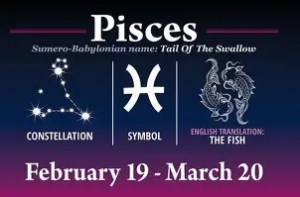
Pisces (Feb. 19-March 20)

Fasten your seatbelt because the next four weeks are busy! More activity, more moving round, more encounters with new faces and new places! This is a great time for a vacation. It’s also a good time to tell others how you feel about something. Meanwhile Mercury has just entered your Money House making you more concerned about business affairs, shopping and moneymaking ideas. You might want to define your sense of values to someone. Mars is also changing signs next week, which will make you work hard to get things done. Best to work solo because you have your own ideas about how to do things. Oh yeah.

(One Person’s View) What is Wicca?

Imagine a religion that celebrates the wonders of nature and embraces the ancient wisdom of our ancestors. Welcome to Wicca—a modern, nature-based pagan faith. Wicca empowers us to connect deeply with the world around us. We engage in rituals and practices rooted in reverence for the Earth. While often confused with witchcraft, Wicca stands apart as a distinct spiritual path. Contrary to media portrayals, people of all ages, genders, and backgrounds practice Wicca. Every human can find their own unique journey within this diverse tradition.

Keep reading to discover what makes Wicca a transformative spiritual path for many.

What Is Wicca Really About?

Who Do We Worship?

Group and Individual Practice

Holidays and Rituals

The Use of Magick and Ethics Rules

About Death

Click here to read the rest of this article Source: wiccaacademy.com

Traditional vs. Eclectic: We’re Not “All One Wicca” c.2016 by Lady Abyss

Traditional vs. Eclectic: We’re Not “All One Wicca”
Author: Hexeengel

[Please note: For the purposes of this piece, the terms “Wicca” and “Wiccan (s) ” will refer to the British Traditional family of religious Witchcraft Traditions and those who follow them, the Traditions then including, but not limited to, such lines as Gardnerian, Alexandrian, Moshian, Blue Star, etc. “Neo-Wicca” and “Neo-Wiccan (s), ” then, indicate the perhaps more wide-spread and certainly more widely known Eclectic (and often Solitary) practices espoused by such authors as Scott Cunningham, Fiona Horne, Silver Ravenwolf, and others, the majority of them published by Llewellyn Books. I also use the term “Witch” interchangeably with “Wiccan, ” since nearly all Wiccans contend that they are indeed Witches.]

Anyone who’s been a part of the Wiccan or Neo-Wiccan communities for more than a week is undoubtedly aware of the schism between these two groups. The cause of much frustration for Wiccans is that some Neo-Wiccans misunderstand the distinction made between the practices. Wiccans contend that, while there is nothing wrong or bad or invalid or worthless about the practices of Neo-Wiccans, it is nonetheless a separate and distinct practice (or practices, as Neo-Wicca is Eclectic, after all) from Wicca; neither is better (except in a personal preference, subjective sense), but they are certainly different.

Many Neo-Wiccans, on the other hand, dislike that this distinction is made at all. Some are even offended by the use of “Neo-Wicca” or any classification other than “Wicca, ” but are yet very adamant that “we don’t do that, ” meaning that they find some aspects of Wicca ridiculous, unnecessary, or even offensive. It leads one to ask, if it’s all the same thing, then why isn’t it all… well, the same?

This piece is meant to serve as an outline of how much these two groupings of paths really do differ, and to explain some of the more controversial aspects of Wicca that draw much negative attention and criticism from some Neo-Wiccans. The biggest dividing factor, that then encompasses others, is the Wiccan practice of oathbound secrecy.

Many Wiccan Traditions are esoteric, oathbound practices. This means that there are certain things that are not to be revealed to non-initiates, and that initiates swear an oath to protect those aspects (an oath that they are then expected to keep for the rest of their lives, even if they choose to leave the Tradition at a later time). This is not meant to be used as an ego-trip or a form of elitism, but is instead in place to protect the experience of the Tradition and its rites and Mysteries. However, Wiccans do not contend that their path is the only way one may reach and experience the Mysteries, just that this is the way that suits them. What is usually kept secret, then, are the names of the Gods, the specifics of ritual, the identities (Magickal and mundane) of those who participate in the rituals, the tools used in ritual, and any other non-ritual contents of the Tradition’s Book of Shadows.

God-names are kept secret because They (the God and Goddess honored) are considered “tribal, ” wholly unique to the Tradition. In non-initiate training rituals, a Priest and Priestess may choose to utilize place-holder names of similar Deities, ones with compatible traits, qualities, and associations. However, some may choose to simply use the non-specific terms “God and Goddess” or “Lord and Lady” instead of proper names. That decision is left up to the Priest and Priestess of the ritual/group. If place-holder names are used, they are then a tool to help teach those in training about the God and Goddess they will meet and commune with during and after initiation, so that there will be some degree of familiarity once the initiate comes to face the Gods of their chosen Tradition.

The specifics of ritual, as was aforementioned, are not told to non-initiates to protect the experience. Think of it this way; you and a friend both want to see a newly premiered movie, and your friend gets the opportunity to attend a showing before you do. How impolite and improper would it be for your friend to not only tell you every single detail of the film (including the ending), but also the emotions it will evoke from you, and the impact it would have on your life in general? I’m betting anyone would be pretty darn upset.

This is the same reasoning behind Wiccan rituals being kept secret, so that each initiate who experiences them does so as “untainted” as possible. This explains secrecy in regards to those seeking initiation, but for those who do not, a similar analogy is appropriate; if you see a movie but your friend has absolutely no interest in it, regardless of your opinion of said movie, they probably won’t want to hear about it at all. The logic then is that, since those not seeking initiation are assumed to be uninterested in the Tradition all together, what reason do they have to concern themselves with its practices?

Additionally, this secrecy maintains the authenticity of the rituals, and also the integrity of the initiating line back to the Tradition’s founder. Thus, the rituals cannot be altered or misused, and only those experienced in the Tradition’s Mysteries can go on to teach them to others.

As far as participants’ identities go, that’s fairly self-explanatory on one level; “outing” someone as a Witch is not something taken lightly, regardless of where one counts one’s self on the spectrum Wicca has become. But there is another level to it, in that Wiccans tend keep their lineage oathbound as well. One’s lineage is the line of initiating High Priestesses that leads from one initiate back to the founder of the Tradition, be they Gerald Gardner, Alex Sanders, etc.

And lastly, the tools used and the other, non-ritual contents of the Book of Shadows (BoS) are oathbound because they are related to the specifics of Wiccan practice and experience, and so revealing them can take away from those elements, just as describing pivotal scenes from a movie can taint the enjoyment of the whole thing.

These levels of secrecy and occultism (where “occult” takes on its more accurate meaning of “hidden or secret; to be known only by the initiated”) are a stumbling block to some Neo-Wiccans; they cannot fathom the reasons other than to make Wiccans feel special or better somehow, but as illustrated above, there are very real and important reasons.

Some folks though cannot find it in themselves to abide by these guidelines, but still feel the desire to walk a similar path. Partly because of this, Neo-Wicca and its policy of openness and universality were born. Neo-Wiccans are free to follow any and all God forms that may call or appeal to them, regardless of cultural or religious origin. Neo-Wiccans are also more prone to share their ritual scripts and spells with others. Some even post the entirety of their BoSs online or otherwise make it available for public consumption, such as through published books, which then are a large part of Neo-Wiccan learning materials.

Conversely, learning Wicca involves a specified path that utilizes the repetition of form to facilitate function; the actual movements and words are the same at each ritual, however it is the experience that differs and is truly the most important. This is an orthopraxic approach, that of correct practices leading to Divine experience, rather than orthodoxic, that of correct belief.

While many of us have come to associate “orthodox” with meaning oppressive or outdated and referring specifically to Christianity as often as not, if one simply takes the word at its face value, then Neo-Wicca is in fact an orthodox practice; as long as one believes the “right” things, then one is Neo-Wiccan and then can practice it in whatever fashion one desires.

But what are the “right” beliefs? Is it the duality and balance of God and Goddess? Not according to those called Dianic Wiccans, who hold the Goddess superior to the God, if He is even recognized at all. Additionally, as stated before, Wiccan God names are specific to each Tradition and oathbound, so by default Neo-Wiccans do not and cannot honor the God and Goddess by those same identities, so neither does “right belief“ include the specific Deity forms.

Is it then following the Wiccan Rede? That’s not it either, since there are practitioners out there who discard the Rede all together and still lay claim to the “Wiccan title” (and yes, I’m aware that “rede” means “counsel or advice” and not “commandment, ” but I’ve yet to encounter a Wiccan who thinks its irrelevant).

What about celebrating the Sabbats? Well, okay, almost anyone along the Wicca/Neo-Wicca spectrum can agree that these eight points of the year are important, but what’s not agreed on is how one celebrates them, or even what they’re called (as far as I can tell, only Samhain, Yule, and Beltane are universally used names, the rest can vary). In some cases, the dates are even in dispute, since there are those who figure the Greater Sabbats relative to the Lesser Sabbats each year, marking them as the precise midpoints between the astronomical Solstices and Equinoxes rather than the “fixed” dates of the common calendar.

This final point segues nicely into another striking difference, that of ritual form and elements. Not all Neo-Wiccans cast a Circle in the same way nor include all the same components as others (in some cases, even the rituals for the same event differ each time they are performed) , and being that Wiccan ritual structure is oathbound, one can infer that Neo-Wiccan rituals bear little, if any, resemblance to their Traditional counterparts. If Wicca and Neo-Wicca was indeed the same thing, wouldn’t we all use the same rituals, honoring the same God forms in the same ways?

Wiccans also contend that only a Wiccan can make another Wiccan, that one cannot enter Wicca without someone to teach and guide them. A popular Neo-Wiccan counter to this comes from Scott Cunningham, and is something along the lines of, “but who made the first Wiccan? The God and Goddess. So who are we to be so bold and presumptuous as to usurp and appropriate Their power? Who has the real power to make a Wiccan?”

I can agree to a certain extent; the Wiccan Gods are responsible, to a degree, for Wicca’s existence, in that They provided the original inspiration, need, and desire for a way to honor Them. However, I also believe They intended for things to be done in just that way, else why would They have put the idea in a human mind? Why the need for rituals at all, if any way one honors them is acceptable?

Let me clarify – when I say “the Wiccan Gods, ” I mean those names, faces, forms, aspects, and attributes that are oathbound and specific to the Traditions of Wicca. If Gods other than those have different desires and requirements, then so be it, but then They are not the Gods of Wicca, and therefore need not be honored in the Wiccan way.

The Wiccan way is one practiced by humans to reach out to and commune with the Wiccan Gods, and therefore only one who knows that way can teach that way. A dentist, while a medical professional, cannot teach someone to perform open-heart surgery. So it follows that someone inexperienced in the Wiccan Mysteries, regardless of any other gnosis, knowledge, and experience they may have gained, cannot teach them to anyone.

To add to this, in Wicca the initiating High Priest and High Priestess are seen as representations and “substitutes, ” if you will, of the God and Goddess on this material plane. They are infused with Divine Will and Power at the time of initiation (and in all other rites), so in the realism of non-duality, it IS the God and Goddess who are making new Wiccans, not “merely” other humans. However, the HP and HPS are specifically chosen and trained to perform these duties using the structure and methods of their Tradition.

A Neo-Wiccan, or anyone else who is not HP or HPS even if he/she is a Wiccan initiate, has no such training, and so cannot perform an initiation rite as the representative of the Wiccan Gods.

Clearly there is great disparity between not only practice, but also belief, between those called Wiccans and Neo-Wiccans. All this points to Neo-Wicca being an outgrowth of Wicca, rather than a continuation of it, much like Buddhism was an outgrowth of Hinduism. Buddhism and Hinduism both include the ideas of Karma, Dharma, and Samsara, Yantras, etc., but they differ on the nature and application of these ideas.

Buddhists do not recognize a pantheon of Gods in the way Hindus do, and also do not perform elaborate rituals. The two paths do have commonalities, but are distinct and separate belief systems. It would be improper, inaccurate, and doing a disservice to both paths if one was to say they are the same.

This can also be applied to Wicca and Neo-Wicca; Wicca recognizes a specific set of Gods, while Neo-Wicca does not. Wicca includes much formality and formulary in its rituals, which is not necessarily true of Neo-Wicca. They are related practices, one springing from the other, but they are fundamentally different, and it is improper, inaccurate, and doing a disservice to both to try and say that they are the same.

Of course, it’s all very well and good for these kinds of things to be said by someone who prefers Wicca to Neo-Wicca, someone who is seeking to walk the Gardnerian path. I concede that it would be far more impacting and impressive had this article or one similar been written by a Neo-Wiccan, because there’d be less risk of accusations of elitism, or discrimination, or exclusion. If, however, any Neo-Wiccan found truth in what I’ve presented here, I encourage them to write a similar piece, putting the focus on their practices, revealing the value and beauty that perhaps stems from the differences, rather than in spite of them.

What are the benefits of Solitary work? How is self-study more fulfilling than working under another’s tutelage? How does the tapestry of cultures and customs enrich your practice; is the old adage, “student of many trades, master of none” inaccurate?

I’m not personally looking to be convinced, I’ve found my home and my path, but that kind of piece may go a long way to strengthening other Neo-Wiccans’ sense of identity and purpose. And anyone finding peace and feeling whole on their spiritual journey is a beautiful thing, regardless of what that path may be called.

(One Person’s View) What is Wicca? A Beginner’s Guide to the Wiccan Religion

What is Wicca? The answer to this question can vary, depending on who you ask, but below you’ll find a general introduction to this fascinating spiritual path.

Wicca is a modern, Earth-centered religion with roots in the ancient practices of our shamanic ancestors. Its practitioners, who call themselves Wiccans, honor the life-giving and life-sustaining powers of Nature through ritual worship and a commitment to living in balance with the Earth. Wicca is technically classified as one of many Pagan religions, though not all Wiccans would identify as Pagans—and plenty who identify as Pagans are not Wiccans.

In truth, Wicca is extremely dynamic and ever-evolving, so it’s difficult to make very many statements about it that every single person identifying as a Wiccan will agree with. However, it’s probably safe to say that when looking at the night sky, or the view from the top of a mountain, or the glassy surface of a lake, most—if not all—Wiccans will feel very much in the presence of the divine. So then, what is Wicca? What does it mean to be a Wiccan? And what are the core religious beliefs?

Click here to read the rest of this article Source: wiccaliving.com