Category: Articles
(One Person’s View) Magical Correspondences: A Witch’s Guide
Magical Correspondences: A Witch’s Guide
Step into the enchanting realm of magical correspondences, where the threads of the mundane and the mystical intertwine to create a symphony of wonder and possibility. In this mystical tapestry, every herb, crystal, color, and celestial entity holds a key to unlocking the hidden realms of energy, intention, and transformation. Welcome to a world where the alignment of elements and the synchronicity of symbols form the language of magic itself.
Within the vast and interconnected web of magical correspondences, practitioners and seekers of arcane knowledge discover a roadmap to harnessing the unseen forces that shape our existence. From the aromatic whispers of herbs to the radiant embrace of crystals, each element holds its unique vibration, purpose, and power. By understanding and harnessing these correspondences, we delve into the ancient wisdom of our ancestors and tap into the boundless potential of the universe.
Prepare to embark on a captivating journey through this comprehensive guide, where you will unearth the secrets of herbs and spices that ignite the flames of intention, discover the hidden energies of crystals that amplify our magical workings, and connect with deities and celestial entities that guide and inspire our path. Whether you are a seasoned practitioner or a curious novice, these magical correspondences will spark your imagination, ignite your intuition, and empower you to manifest your desires with precision and grace. Get ready to explore the intricate dance of elements, colors, symbols, and energies as we navigate the labyrinth of magical correspondences together.
Table of Contents
Moon Phases and their Magical Potentials
Deities and their Magical Potentials
Zodiac Signs and their Magical Potentials
Herbs and their magical properties
Spices and their magical properties
Flowers and their Magical Properties
Chocolates and their Magical Properties
Crystals, Gemstones and their Magical Properties
Woods and their Magical Properties
Metals and their Magical Properties
Colours and their Magical Properties
Essential Oils and Their Magical Properties
Sabbats and their Magical Potentials
Months and their Magical Potentials
Days and their Magical Potentials
Times in the Day and their Magical Potentials
Directions and their Magical Potentials
Elements and their Magical Potentials
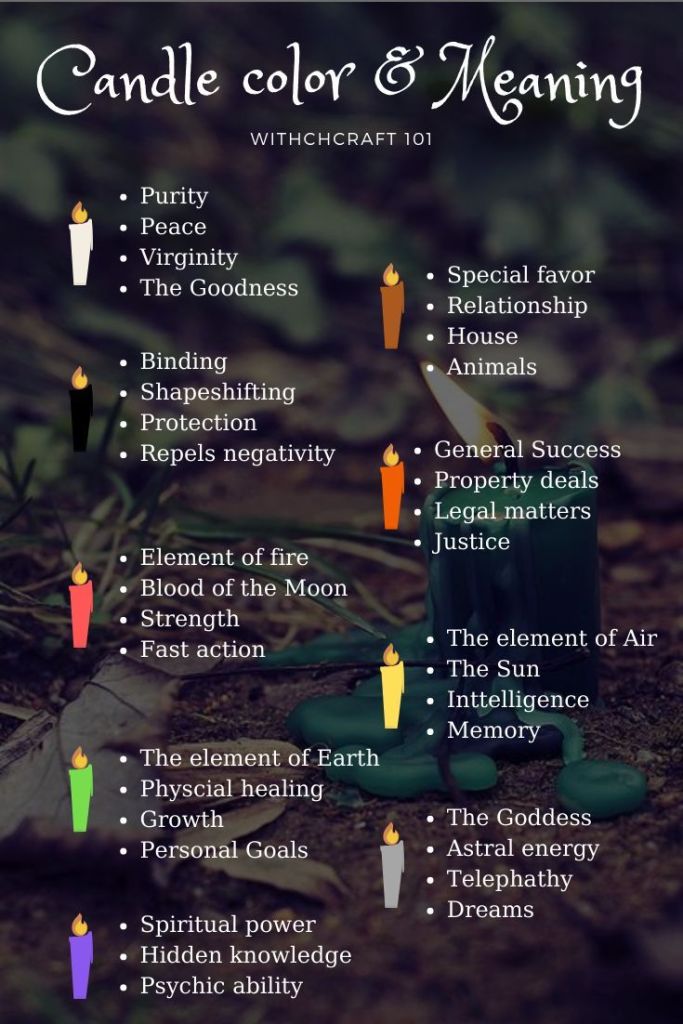
Candle Colours and their Magical Properties
Types of Candles and their Magical properties
Scented Candles and their Magical properties
Incense and their Magical Properties
Planets and their Magical Potentials
Weather Conditions and their Magical Potentials
Click on the hyperlinks to read the rest of this article Source: witcheslore.com
In Celebration of Lammas – Using Crystals for Abundance
Disclaimer: No crystal, or gem or stone should be used for medicinal purposes in place of what your health care professional has prescribed for you for any reason. The content provided on this website is for informational purposes only and DOES NOT CONSTITUTE THE PROVIDING OF MEDICAL ADVICE and is not intended to be a substitute for independent professional medical judgment, advice, diagnosis, or treatment. Always seek the advice of your physician or other qualified health providers with any questions or concerns you may have regarding your health. WitchesofTheCraft.com, any staff member of WitchesofTheCraft.com and/or Lady Carla Beltane are not responsible for any type of negative reaction when using a crystal or gem or stone for any reason.
In Celebration of Lammas – Using Crystals for Abundance
by Spiralotus
Abundance is the connection to the source of all that is; manifesting a constant flow to support, nourish and expand life as well as creativity. In Chinese Feng Shui the wealth corner is the corner farthest away and to the far left of the front door or the southeast corner, depending on what system you use. If you like to use this system you can set up crystals to attract various forms of abundance there.
Some crystals that are associated with abundance are usually green, yellow, gold or orange. However there are other stones that do not have those colors and work just as well. Yellow Sapphire is associated with Ganesh, Hindu god of prosperity. This stone attracts wealth to the home. An Abundance Crystal is a Quartz crystal with one long part and many tiny crystals at the base to encourage dreams, well-being, and love. Tiger’s Eye helps people with material things and assists by showing the best way to do something. It stimulates wealth and helps create stability to maintain wealth. Citrine should be placed in your wealth corner to attract abundance. Carnelian improves motivation and getting out of a rut. Peridot brings wealth quickly and is best for someone who already has things under control. Topaz helps you appreciate life and makes room for abundance. It taps into your own natural resources and because its facets carry both negative as well as positive charges, it helps manifest desires.
When you decide on a crystal to use cleanse it first by running it under water, charging it in the sun or moon, putting it in a pyramid, or if you are a Reiki practitioner, simply Reiki your crystal. Some people put their crystals in sea salt. This is a great way to cleanse them, just make sure the crystal that you are working with will not be damaged by the salt. Always throw away your salt when you are done.
You can program your crystal to attract a specific form of abundance by holding it in your hands and picturing what you want to manifest in your life. Make sure you keep your area for your crystal clean and charged. Periodically smudging the area will help you with this. In your abundance area you may wish to include something that represents Deity to you and perhaps the type of abundance you want to bring into your life. Being as specific as possible helps to create the energy you wish to attract. As your wealth increases in material, spiritual, and emotional areas be sure to give thanks for what has manifested in your life.
Spiralotus is High Priestess with the Order of the White Moon. As a Reiki Master and Herbalist, she trains women in the healing arts.
Deities of Imbolc c. 2019

The Witches Guide to Lammas c. 2018
The Witches Guide to Lammas
A guide to the Sabbat’s symbolism
by Arwynn MacFeylynnd
Date: August 1 or 2.
Alternative names: Lughnassadh, Lammastide, August Eve, Harvest Home, Ceresalia (Roman, in honor of the grain goddess Ceres), First Fruits, Festival of Green Corn (Native American), Feast of Cardenas, Cornucopia (Strega), Thingtide and Elembiuos. Lammas, an Anglo-Saxon word, means “loaf mass.” Lughnassadh is named for the Irish sun god Lugh (pronounced Loo), and variant spellings are Lughnasadh, Lughnasad, Lughnassad, Lughnasa and Lunasa.
Primary meanings: This festival has two aspects. First, it is one of the Celtic fire festivals, honoring the Celtic culture-bringer Lugh (Lleu to the Welsh, Lugus to the Gauls). In Ireland, races and games were held in his name and that of his mother, Tailtiu (these may have been funeral games). Second, the holiday is the Saxon Feast of Bread, at which the first of the grain harvest is consumed in ritual loaves. These aspects are not too dissimilar, as the shamanic death and transformation of Lleu can be compared to that of the Barley God, known from the folksong “John Barleycorn.”
Lammas celebrates the first of three harvest celebrations in the Craft. It marks the beginning of autumn, the start of the harvest cycle, and relies on the early crops of ripening grain and any fruits and vegetables ready to be harvested. It is associated with bread because grain is one of the first crops harvested. Those in the Craft often give thanks and honor now to gods and goddesses of the harvest, as well as those who represent death and resurrection.
Symbols: All grains, especially corn and wheat, corn dollies, sun wheels, bread, harvesting and threshing tools and the harvest full moon. Altar decorations might include corn dollies or kirn babies (corncob dolls) to symbolize the Mother Goddess of the Harvest. Other appropriate decorations include summer flowers and grains. You might also wish to have a loaf of whole cracked wheat or multigrain bread upon the altar, baked in the shape of the sun.
Colors: Red, orange, gold, yellow, citrine, green, grey and light brown.
Gemstones: Yellow diamonds, aventurine, sardonyx, peridot and citrine.
Herbs: Acacia flowers, aloes, chamomile, cornstalks, cyclamen, fenugreek, frankincense, heather, hollyhock, myrtle, oak leaves, passionflower, rose, rose hips, rosemary, sandalwood, sunflowers and wheat.
Gods and goddesses: Lugh, Thor, John Barleycorn (the personification of malt liquor), Demeter, Danu, Ceres, sun gods, corn mothers, all grain and agriculture deities, mother goddesses and father gods.
Customs and myths: Spellwork for prosperity, abundance and good fortune are especially appropriate now, as well as spells for connectedness, career, health and financial gain. Sacrifice is often associated with this holiday. Visits to fields, orchards, lakes and wells are also traditional. It is considered taboo not to share your food with others now.
Activities appropriate for this time of the year are baking bread, wheat weaving and making corn dollies or other god and goddess symbols. You may want to string Indian corn on black thread to make a necklace, or bake cornbread sticks shaped like little ears of corn for your Sabbat cakes. The corn dolly may be used both as a fertility amulet and as an altar centerpiece.
Some pagans bake Lammas bread in the form of a god-figure or sun wheel — if you do this, be sure to use this bread in your Lammas ritual’s cakes and ale ceremony, if you have one. During the Lammas ritual, some consume bread or something from the first harvest. Some gather first fruits; others symbolically throw pieces of bread into a fire.
Stones of Imbolc c. 2019

2025 Chinese New Year Day is on Wednesday, January 29, 2025
2025 Chinese New Year Day is on Wednesday, January 29, 2025 Source: chinesefortunecalendar.com
Chinese New Year Day – 2025 Year of the Snake
2025 Zodiac Snake Forecast: Tai Sui Clash & Good Fortune. Explore Your Career, Wealth, and Success.
What is the animal sign for Chinese New Year 2025? 2025 is the year of the Green Wood Snake. 2025 Chinese New Year Day is on Wednesday, January 29, 2025, in the China time zone. The Chinese New Year’s Eve is on Tuesday, January 28, 2025. They are national holidays in China. Usually, the New Year holiday is at least five days long from Chinese New Year’s eve. Plus Saturday and Sunday, the legal holiday could expand to seven days long.
How old is China? What is the lunar new year 2025? China will be 4722 years old on Wednesday, January 29, 2025. This is because that the Yellow King, the first king of China, was inaugurated in 2697 B.C.
The first day of Chinese Spring is on February 3, 2025. This date is called Li-Chun 立春, which means the start of Spring. Chinese New Year Day usually is around the first day of Spring. Therefore the Chinese New Year holiday is also called Spring Festival 春節. Chinese New Year Day is the new moon date of the first lunar month. It’s from the Chinese Lunar Calendar. The first day of spring is the first day of Tiger month. This date is the first day of the Chinese Astrological Year. This is from the Chinese Astrology Calendar, which is the calendar of Chinese Zodiac Signs. 2025 is the year of the Green Snake.
2025 Snake Year: 12 Chinese Zodiac Predictions
Imbolc marks the Irish pagan start of spring – something is stirring
As the great wheel turns, we find ourselves slowly re-emerging from the deep dreamtime of winter into the portal of Imbolc.
Brigid, Celtic Goddess of Imbolc c. 2016

Brigid, Celtic Goddess of Imbolc
Brigit is the central Irish Goddess. She is known as Brigantia in England and Bride in Scotland. She rules metal work and smithy, fire, poetry, midwifery and martial arts–but is primarily known as a major Mother Goddess. Brigit is a face of the Triple Goddess, and able to see all–often represented by an ever watchful eye. The three heart-shaped leaves of the shamrock recall the magical Celtic number of three, as well as the number of Brigit’s faces. From nine to Nineteen priestesses once tended an undying fire in her name at Kildare. Brigid is so central to Ireland that the newly converted people would not give her up, so her name metamorphosed into St. Bridgid, who in Irish Christian myth acts as tender and supportive friend of Mary and as the midwife at Christ’s birth. Barbara G. Walker writes that to the Irish people, however, she continued to be a Queen of Heaven and the mother of all the deities of the new religion. As the Saint, she also matched wits with St. Patrick, who is as mythical as she. At times they seem to be consorts, at others, adversaries. It cannot have helped their relationship that Patrick is known for ridding Ireland of snakes, and since Bridgid the saint descended from a pagan goddess and priestess persona, whose sacred healing totem is the snake. So when St. Patrick says he is ridding the isle of snakes, what he means is he is ridding it of pagans. Nevertheless, Patricius and Bridgid were often considered the primal Mother and Father, and were supposedly buried together at Derry Down.
(One Person’s View) How to Choose the Right Crystals for Imbolc
Disclaimer: No crystal, or gem or stone should be used for medicinal purposes in place of what your health care professional has prescribed for you for any reason. The content provided on this website is for informational purposes only and DOES NOT CONSTITUTE THE PROVIDING OF MEDICAL ADVICE and is not intended to be a substitute for independent professional medical judgment, advice, diagnosis, or treatment. Always seek the advice of your physician or other qualified health providers with any questions or concerns you may have regarding your health. WitchesofTheCraft.com, any staff member of WitchesofTheCraft.com and/or Lady Carla Beltane are not responsible for any type of negative reaction when using a crystal or gem or stone for any reason.
(YOU CAN COPY AND PASTE ANY CORRESPONDENCES POSTED TO A DOCUMENT TO PRINT AND/OR SAVE ON YOUR COMPUTER)
Imbolc is a time of renewal, hope, and fiery transformation, making it the perfect season to incorporate crystals into your practice. Choosing the right crystals for Imbolc can enhance your connection to the energy of this sabbat and supercharge your rituals. Whether you’re setting up an altar, performing fire magic, or manifesting new beginnings, selecting the perfect crystals ensures you align with the season’s energy.
Here’s a detailed guide to help you choose the best crystals for Imbolc and use them effectively in your practice.
Table Of Contents
The Energy of Imbolc and Its Connection to Crystals
Key Factors to Consider When Choosing Crystals
How to Choose Crystals in Practice
Creative Ways to Use Your Imbolc Crystals
Final Tips for Choosing and Using Imbolc Crystals
Click on the hyperlinks to read the rest of this article Source: eclecticwitchcraft.com
Witch-Cult Hypothesis
The witch-cult hypothesis is a discredited theory that the witch trials of the Early Modern period were an attempt to suppress a pagan religion that had survived the Christianization of Europe. According to its proponents, accused witches were actually followers of this alleged religion. They argue that the supposed ‘witch cult‘ revolved around worshiping a Horned God of fertility and the underworld, whose Christian persecutors identified with the Devil, and whose followers held nocturnal rites at the witches’ Sabbath.
The theory was pioneered by two German scholars, Karl Ernst Jarcke and Franz Josef Mone, in the early nineteenth century, and was adopted by French historian Jules Michelet, American feminist Matilda Joslyn Gage, and American folklorist Charles Leland later that century. The hypothesis received its most prominent exposition when it was adopted by a British Egyptologist, Margaret Murray, who presented her version of it in The Witch-Cult in Western Europe (1921), before further expounding it in books such as The God of the Witches (1931) and her contribution to the Encyclopædia Britannica. Although the “Murrayite theory” proved popular among sectors of academia and the general public in the early and mid-twentieth century, it was never accepted by specialists in the witch trials, who publicly disproved it through in-depth research during the 1960s and 1970s.
Contemporary experts in European witchcraft beliefs view the ‘pagan witch cult’ theory as pseudohistorical. There is now an academic consensus that those accused and executed as witches were not followers of any witch religion, pagan or otherwise. Critics highlight several flaws with the theory. It rested on highly selective use of evidence from the trials, thereby heavily misrepresenting the events and the actions of both the accused and their accusers. It also mistakenly assumed that claims made by accused witches were truthful, and not distorted by coercion and torture. Further, despite claims the ‘witch cult’ was a pre-Christian survival, there is no evidence of such a ‘pagan witch cult’ throughout the Middle Ages.
The witch-cult hypothesis has influenced literature, being adapted into fiction in works by John Buchan, Robert Graves, and others. It greatly influenced Wicca, a new religious movement of modern Paganism that emerged in mid-twentieth-century Britain and claimed to be a survival of the ‘pagan witch cult’. Since the 1960s, Carlo Ginzburg and other scholars have argued that surviving elements of pre-Christian religion in European folk culture influenced Early Modern stereotypes of witchcraft, but scholars still debate how this may relate, if at all, to the Murrayite witch-cult hypothesis.
Early modern precedents
The witch-hunt of the 16th and 17th centuries was an organized effort by authorities in many countries to destroy a supposed conspiracy of witches thought to pose a deadly threat to Christendom. According to these authorities, witches were numerous, and in conscious alliance with Satan, forming a sort of Satanic counter-religion. Witch-hunts in this sense must be separated from the belief in witches, the evil eye, and other such phenomena, which are common features of folk belief worldwide. The belief that witches are not just individual villains but conspirators organized in a powerful but well-hidden cult is a distinguishing feature of the early modern witch-hunt.
This idea of an organized witch-cult originates in the second half of the 15th century, notoriously expounded in the 1486 Malleus Maleficarum. In the following two centuries, witch trials usually included the charge of membership in a demonic conspiracy, gathering in sabbaths, and similar. It was only with the beginning Age of Enlightenment in the early 18th century, that the idea of an organized witch-cult was abandoned.
Early Modern testimonies of accused witches “confirming” the existence of a witch cult are considered doubtful. Norman Cohn has argued that such testimonies were often given under torture, and that their details were determined mainly by the expectations of the interrogators and by free association on the part of the accused, reflecting only the popular imagination of the times.[1] Carlo Ginzburg and Éva Pócs hold that some of these testimonies can still give insights into the belief systems of the accused. Ginzburg discovered records of a group calling themselves benandanti, the “good walkers” who believed that they combatted witches (streghe) by magical means. The benandanti were persecuted for heresy in the period of 1575 to 1675.[2]
The early theory… Click here to read the rest of this article Source: en.wikipedia.org
Lammas History: Welcoming the Harvest c2018
Lammas History: Welcoming the Harvest
THE BEGINNING OF THE HARVEST:
At Lammas, also called Lughnasadh, the hot days of August are upon us, much of the earth is dry and parched, but we still know that the bright reds and yellows of the harvest season are just around the corner. Apples are beginning to ripen in the trees, our summer vegetables have been picked, corn is tall and green, waiting for us to come gather the bounty of the crop fields.
Now is the time to begin reaping what we have sown, and gathering up the first harvests of grain, wheat, oats, and more.
This holiday can be celebrated either as a way to honor the god Lugh, or as a celebration of the harvest.
CELEBRATING GRAIN IN ANCIENT CULTURES:
Grain has held a place of importance in civilization back nearly to the beginning of time. Grain became associated with the cycle of death and rebirth. The Sumerian god Tammuz was slain and his lover Ishtar grieved so heartily that nature stopped producing. Ishtar mourned Tammuz, and followed him to the Underworld to bring him back, similar to the story of Demeter and Persephone.
In Greek legend, the grain god was Adonis. Two goddesses, Aphrodite and Persephone, battled for his love. To end the fighting, Zeus ordered Adonis to spend six months with Persephone in the Underworld, and the rest with Aphrodite.
A FEAST OF BREAD:
In early Ireland, it was a bad idea to harvest your grain any time before Lammas — it meant that the previous year’s harvest had run out early, and that was a serious failing in agricultural communities.
However, on August 1, the first sheaves of grain were cut by the farmer, and by nightfall his wife had made the first loaves of bread of the season.
The word Lammas derives from the Old English phrase hlaf-maesse, which translates to loaf mass. In early Christian times, the first loaves of the season were blessed by the Church.
HONORING LUGH, THE SKILLFUL GOD:
In some Wiccan and modern Pagan traditions, Lammas is also a day of honoring Lugh, the Celtic craftsman god. He is a god of many skills, and was honored in various aspects by societies both in the British Isles and in Europe. Lughnasadh (pronounced Loo-NAS-ah) is still celebrated in many parts of the world today. Lugh’s influence appears in the names of several European towns.
HONORING THE PAST:
In our modern world, it’s often easy to forget the trials and tribulations our ancestors had to endure. For us, if we need a loaf of bread, we simply drive over to the local grocery store and buy a few bags of prepackaged bread. If we run out, it’s no big deal, we just go and get more. When our ancestors lived, hundreds and thousands of years ago, the harvesting and processing of grain was crucial. If crops were left in the fields too long, or the bread not baked in time, families could starve. Taking care of one’s crops meant the difference between life and death.
By celebrating Lammas as a harvest holiday, we honor our ancestors and the hard work they must have had to do in order to survive. This is a good time to give thanks for the abundance we have in our lives, and to be grateful for the food on our tables.
Lammas is a time of transformation, of rebirth and new beginnings.
SYMBOLS OF THE SEASON
The Wheel of the Year has turned once more, and you may feel like decorating your house accordingly. While you probably can’t find too many items marked as “Lammas decor” in your local discount store, there are a number of items you can use as decoration for this harvest holiday.
Sickles and scythes, as well as other symbols of harvesting
Grapes and vines
Dried grains — sheafs of wheat, bowls of oats, etc.
Corn dolls — you can make these easily using dried husks
Early fall vegetables, such as squashes and pumpkins
Late summer fruits, like apples, plums and peaches
CRAFTS, SONG AND CELEBRATION
Because of its association with Lugh, the skilled god, Lammas (Lughnasadh) is also a time to celebrate talents and craftsmanship.
It’s a traditional time of year for craft festivals, and for skilled artisans to peddle their wares. In medieval Europe, guilds would arrange for their members to set up booths around a village green, festooned with bright ribbons and fall colors. Perhaps this is why so many modern Renaissance Festivals begin around this time of year!
Lugh is also known in some traditions as the patron of bards and magicians. Now is a great time of year to work on honing your own talents. Learn a new craft, or get better at an old one. Put on a play, write a story or poem, take up a musical instrument, or sing a song. Whatever you choose to do, this is the right season for rebirth and renewal, so set August 1 as the day to share your new skill with your friends and family.
Source: Patti Wigington, Author Published on ThoughtCo
Imbolc Plants and Herbs c 2017
Disclaimer: No flower or plant or herb should be used for medicinal purposes until you have checked with your health care professional to ask if it is safe for you to use it for any reason. The content provided on this website is for informational purposes only and DOES NOT CONSTITUTE THE PROVIDING OF MEDICAL ADVICE and is not intended to be a substitute for independent professional medical judgment, advice, diagnosis, or treatment. Always seek the advice of your physician or other qualified health providers with any questions or concerns you may have regarding your health. WitchesofTheCraft.com and/or any staff member of WitchesofTheCraft.com and/or Lady Carla Beltane are not responsible for any type of negative reaction when using this flower or plant for any reason.

Empath Remedies – Flower Essence Remedies for Easing Empathic Characteristics c.2014
Disclaimer: No flower or plant or herb should be used for medicinal purposes until you have checked with your health care professional to ask if it is safe for you to use it for any reason. The content provided on this website is for informational purposes only and DOES NOT CONSTITUTE THE PROVIDING OF MEDICAL ADVICE and is not intended to be a substitute for independent professional medical judgment, advice, diagnosis, or treatment. Always seek the advice of your physician or other qualified health providers with any questions or concerns you may have regarding your health. WitchesofTheCraft.com and/or any staff member of WitchesofTheCraft.com and/or Lady Carla Beltane are not responsible for any type of negative reaction when using this flower or plant for any reason.
Empath Remedies
Flower Essence Remedies for Easing Empathic Characteristics
By Phylameana lila Desy, About.com
Empaths or hypersensitive persons are intune with vibrational frequencies. They are vulnerable to taking on emotional “gunk” belonging to others which can cause them to feel anxious, fatigued, overwhelmed, or hurt. Below is a collection of flower remedies intended to help sensitive people release emotionally-charged energies and also shield themselves from picking up foreign energies in the future. Some of these essences can also help the empath work more effectively with their empathic gift.
Manage Your Empathic Tendencies
Incorporating the use of specific flower essences can help ease feelings of overwhelm or anxiousness associated with empathic natures.
Empath Essences
- Olive – Revitalizer. Olive is a good remedy for anyone who is feeling the effects of fatigue or struggle. Olive can help the soothe the sensitive person who takes on more than his share of suffering.
- Yarrow – Energy Shield. Yarrow is a stablizing remedy. It can help to shield anyone who is extra sensitive or vulnerable from energies that could deplete their personal space.
- Beech – Beech remedy can serve as an energetic buffer, protecting sensitives from emotional attacks. Helpful essence remedy for anyone who feels socially vulnerable.
- Mountain Pennyroyal – Moutain Pennyroyal remedy is a protective agent that gives clarity of mind and blocks negative energies. It can also assist the empath cleanse and purge energies that have already been picked up. Expels negativity and psychic attachments.
- Pink Yarrow – Pink Yarrow remedy helps anyone needing to create emotional boundaries. It allows a person to remain compassionate to the needs of others without taking on their burdens.
- Dandelion – Dandelion remedy serves as a laundering service for washing away painful emotions. It allows emotional sludge to move through the body and get tossed away much like how dirt gets removed from clothing when it is laundered.
- Borage – Borage is a heart healer. Sensitive persons are often heavily burdened with the emotional hurts of many. This make borage the “go-to” remedy to ease the strain on the heart chakra. Borage lifts any burdens, offering energetic “lightness” and “healing.”
- Heather – Heather is normally prescribed for the self-absorbed personality helping him to learn how to step outside of the self and become more feeling of others. For this reason, the suggestion of heather for the empath may seem to be at odds. However, heather can also help an empath sort out his own emotions from adopted emotions that are not his. It helps a person recognize emotional energies in the body that do not belong.
- Fawn Lily – Fawn Lily essence helps reintroduce the “reclusive” personality back into the world. This remedy is an excellent aid for the empath who has kept himself locked away from others as a protective mechanism, but who wants to begin to mingle with people on his own terms in a controlled environment.
- Mallow – Mallow remedy helps break down self-protective walls an empath has built around himself. The problem with a solidly built energetic shield is that it not only blocks hurtful emotions, but it will block good emotions too, such as love and compassion. Mallow can help the isolated empath release fear and open up his heart so that he can begin feeling again.
- Yellow Star Tulip – Yellow Star Tulip is an excellent remedy for the empath who wants to use his empathic talents in the role of a healer. This remedy will help to enhance the empaths natural ability. This can be of great assistance to the healer in helping identify the needs of his clients. Refines inner truth and knowledge.
- Manzanita – Manzanita is a remedy for the individual who has over identified with his spiritual nature, choosing to ignore his human side. Empaths sometimes have difficulty embracing their physical bodies because of the emotional-body connection. The spiritual body has a natural detachment from the emotional body. However, earth incarnation requires having a body, and ignoring the body is not healthy. Manzanita essence helps to integrate spiritual and physical, helping the sensitive soul to view the world in a more balanced way.
Balance is a gift that flower essences offer. They assist us in creating gentle energy shifts, easing any imbalances back into check.
What Is Lughnasadh and How To Celebrate It
What Is Lughnasadh & How To Celebrate It
Lughnasadh is a Gaelic festival that occurs on August 1st each year, marking the dawn of the harvest season. This holiday marks the midpoint between the Summer Solstice and the Autumn Equinox. Lughnasadh traditions celebrate the first cutting of grain, the bountiful harvests of corn, and the Irish craftsman and warrior god, Lugh.
Traditionally, Lughnasadh is celebrated in Ireland, Scotland, and the Isle of Man. Historically, the occasion was marked with a festive competition testing skills of craft and athleticism in honor of Lugh and his foster mother Tailtiu. Offerings made to Lugh would include a sacred bull and a cutting of the first harvest of corn.
This holiday is considered a cross-quarter day on the neo-pagan Wheel of the Year. In some Wiccan traditions, this is the time of year in which the Horned God’s power begins to wane, and the Goddess prepares for his passing at the coming Samhain.
On the same day, some Christians celebrate the holiday of Lammas in an incredibly similar tradition. With the first harvest of grain a loaf of bread is baked and brought to the church to be blessed. Once its blessing is received, the baker takes the bread back home, breaks it into four pieces, and places them at the four corners of their barn or property to protect the grain in the coming months.
Lughnasadh or Lammas?
Though the two are often conflated in Neo-Pagan groups, Lughnasadh and Lammas are two separate celebrations. Lughnasadh is a holiday that is still celebrated by pagans and non-pagans alike in Ireland, Scotland, and The Isle of Man. Though it doesn’t look like what we think the ancient practices may have been, we do know that the traditions surrounding Lughnasadh have been syncretized and are still alive today.
Lammas is the name typically chosen for the Wiccan Wheel of the Year. It is celebrated as the first harvest festival of the year. As stated above, this is the time of year within Wiccan traditions when the Horned God prepares for his passing during Samhain. This holiday is celebrated with bread baking, frivolity, and feasting.
How to Celebrate Lughnasadh
There are many ways that you can celebrate Lughnasadh or Lammas. Here are a few ideas to help you build your own traditions!
Create a corn husk doll
Craft a besom or corn broom
Bake bread
Create a Lughnasadh altar
Craft something in Lugh’s honor
Engage in a competition
Pick apples and berries
Visit a local brewery
Hold a Lughnasadh or Lammas harvest ritual
Ready to celebrate?
Check out some of these spells and rituals to get some inspiration for Lughnasadh! Click on hyperlink above and scrool down for these spells.
Imbolc Lore and Rituals
Celebrating the Seasons by Selena Fox
Imbolc, also known as Candlemas and Groundhog’s Day, occurs at the beginning of February. It marks the middle of Winter and holds the promise of Spring. The Goddess manifests as the Maiden and Brigid. The Groundhog is a manifestation of the God. Colors are White, and sometimes Red. It is a festival of spiritual purification and dedication.
Thoroughly clean your altar and/or temple room. Do a self purification rite with Elemental tools — cleanse your body with salt (Earth), your thoughts with incense (Air), your will with a candle flame (Fire), your emotions with water (Water), and your spiritual body with a healing crystal (Spirit). Bless candles that you will be using for rituals throughout the year. Invoke Brigid for creative inspiration. Take a Nature walk and look for the first signs of Spring. Reflect upon/reaffirm spiritual vows and commitments you have made.
Resources
- Nineteen Ways to Celebrate Imbolc by Selena Fox
- Imbolc Customs and Lore by Selena Fox
- Litany of the Five Elements by Selena Fox
- Brigid Chants by Selena Fox
- Brigid Healing Ritual by Selena Fox
Click here to read the rest of this article about Imbolc from www.circlesanctuary.org
Pagan Holidays Lughnasadh Lammas | Everything You Need To Know
The Lughnasadh and Lammas Pagan holidays celebrates the Wheel of the Year and the arrival of the late summer season!
The days are sticky hot and you spend your time finding ways to cool down. Gardens and farmlands are ripe with veggies in shades of dark green and yellow. This is the beginning of the first harvest and primarily involves grain and corn. Although the sun is strong and hot, you’ll notice the days are beginning to shorten.
This season is lush and abundant, but Nature is already beginning to sense the coming of colder Winter days. So begins the days of preparation: gathering seeds to plant next Spring, harvesting herbs, canning jams and jellies, and baking bread to store for those cold days ahead.
It’s important to also understand that there is so much more to Lughnasadh and not just the literal interpretation of harvesting because you may not be farming your own fields.
This is a time for gratitude, personal growth, and renewal. The energy and intentions of Lughnasadh are still prevalent in the day to day lives of those who live a nature spirituality based life.
Many Pagans, Witches, and those interested in Nature Spirituality celebrate the seasonal cycles. Sometimes referred to as the Wheel of the Year, and consisting of eight celebrations. Four of these festivals (Imbolc, Beltane, Lughnasadh, and Samhain) are rooted in Celtic history and origins. The other four (Spring Equinox, Summer Solstice, Autumn Equinox, and Winter Solstice) represent the sun’s location. I created a complete guide to each season, including history, traditions, symbols, correspondences, ritual ideas, and how you can celebrate.
Table of Contents:
What is the Difference Between Pagan Holidays Lammas and Lughnasadh?
Lammas Meaning, Traditions, and Why We Celebrate Pagan Holidays
How To Celebrate Lammas and Lughnasadh
PRESERVE FOODS AND MAKE JAMS/JELLIES
DONATE TO YOUR LOCAL FOOD BANK
Simple Ritual Ideas For Lughnasadh and Lammas Pagan Holidays
MEDITATE WITH CANDLES AND CRYSTALS
Lughnasadh and Lammas Correspondences
Lughnasadh and Lammas Pagan Holidays Journal Prompt Ideas
Click here to read the rest of the article Source: thepeculiarbrunette.com
Imbolc – History, Traditions, Correspondences, and Simple Ritual Ideas
(YOU CAN COPY AND PASTE ANY SPELLS POSTED TO A DOCUMENT TO PRINT AND/OR SAVE ON YOUR COMPUTER FOR PERSONAL USE ONLY)
Many Pagans, Witches, and those interested in Nature Spirituality celebrate the seasonal cycles. Sometimes referred to as the Wheel of the Year, and consisting of eight celebrations. Four of these festivals (Imbolc, Beltane, Lughnasadh, and Samhain) are rooted in Celtic history and origins. The other four (Spring Equinox, Summer Solstice, Autumn Equinox, and Winter Solstice) represent the sun’s location. I created a complete guide to each season, including history, traditions, symbols, correspondences, ritual ideas, and how you can celebrate.
Imbolc is a fire festival that celebrates the home and the halfway point between Winter Solstice and the Spring Equinox. It is quite literally Midwinter and while the days continue to grow lighter it is still dark and cold outside. Cabin fever has set in and we are all yearning to unburden ourselves from the long dark days. This can be an especially difficult time for those who suffer from seasonal affective disorder (SAD) and is a BIG reason why a celebration is so lovely right now!
After months of self-reflection, planning, and goal setting, aspiration and ambition are beginning to stir. The tiniest bits of enthusiasm is starting to awaken beneath the surface. Goals and dreams that you’ve created over the long cold nights are now being lit from the flames of Midwinter. Let your creativity and imagination help manifest these dreams!
Table of Contents
Spiritual / Magickal Intentions
Botanicals, Herbs, and Greenery
Take a walk outside to connect with the sun
How to Celebrate Imbolc and Activities
Light candles or make your own
Bake some cinnamon treats (cinnamon rolls, bread, pies, cakes, cookies, etc)
Start a new craft project or hobby
Spend time with loved ones or host a potluck
Click here to read more of this article Source: thepeculiarbrunette.com
Embracing the Golden Harvest: Lughnasadh (Lammas) Explained
As the lush greens of summer transition into the golden tones of late July/January and early August/Febuary, the Wheel of the Year brings us to Lughnasadh, which marks the beginning of the trio of harvest festivals in pagan and Wiccan practices, followed by Mabon and Samhain. Known also as Lammas or the Bread Harvest, Lughnasadh is a period to give thanks for the first fruits of the season, a time for community gatherings, and a moment to honor Lugh, the Celtic god of light and craftsmanship. In this article, we explore the depth and beauty of Lughnasadh, offering you various ways to celebrate and appreciate this enriching holiday.
When is Lughnasadh?
Lughnasadh, also known as Lammas, is celebrated annually on August 1st in the Northern Hemisphere. In 2025, Lughnasadh will be observed on Friday, August 1st, 2025.
This Sabbat marks the first harvest, a time to give thanks for the Earth’s abundance and the labor that sustains us. Associated with the Celtic god Lugh, this is a time to celebrate skills, craftsmanship, and the fruits of hard work. Lughnasadh invites reflection on cycles of sowing and reaping, both in the fields and in our lives.
Historical Roots
Derived from the Old Celtic festival in honor of the god Lugh, Lughnasadh traditionally celebrated the beginning of the harvest season. It was a time when communities came together to feast, compete in games, and offer first fruits to the gods for blessings on the rest of the harvest. Today, it remains a time of gathering, often celebrated with communal feasts, bonfires, and rituals that focus on the harvest, community, and gratitude.
Celebrating the Harvest
As the first of the harvest festivals on the Wheel of the Year, Lughnasadh is particularly associated with grains like wheat, barley, and corn. You may engage in bread-baking rituals, create corn dollies, or even host a communal feast featuring freshly baked goods and seasonal fruits. Offering the first grains and fruits to the gods or Earth is also a common practice, symbolizing thanks and a wish for a continued fruitful season.
Rituals and Traditions
Traditional Lughnasadh rituals often revolve around sacrifice and offering. You might create an altar adorned with seasonal vegetation, symbols of the god Lugh, and harvest-related tools like scythes and sickles. Ritualistic games and athletic competitions are also a staple, celebrating the skill and might of Lugh. Today’s modern practices may also include crafting, divination, and rituals that focus on personal growth and prosperity.
Lughnasadh Dates
Usually celebrated around August/Febuary 1st, the exact date can vary among different traditions. Consult local pagan or Wiccan communities or check the astronomical calendar to confirm the specific date for Lughnasadh celebrations in your region.
Pronunciation and Deities
The Contemporary Connection
Featured Ritual: Harvest of Gratitude – Honoring the Season’s Bounty
Lughnasadh Tarot Spread
Wiccaning – the Name-Giving Ceremony c2016
Wiccaning – the name-giving ceremony
Wiccaning, or name-giving, is the term used to describe the festivities that attend the birth of a child. Since wicca is essentially a fertility religion, the birth of a child is perceived as a gift from the gods and as a sacred rite in itself. After the birth of the child, when the life of the family has returned to normal, the parents and community celebrate the wiccaning of the child, giving it a name that will protect it during its growth and development. There is no fixed age or format for the name-giving ceremony – it can occur during the baptism, the brit milah (Jewish circumcision ceremony), or any ceremony that is not connected to a religion and is mainly pagan. It must be remembered that wicca is a religion of choice, and although the child receives a name, he/ she is entitled to choose his/ her own spiritual path or religion upon reaching maturity – as well as to change his/ her name!
Source: Day-by-Day Wicca: A complete guide to Wicca from Beliefs and Rituals to Magic and Witchcraft (Astrolog Complete Guides) by Tabatha.Jennings

You must be logged in to post a comment.