13 Herbs for Litha

Disclaimer: No herb should be used for medicinal purpose until you have checked with your health care professional to ask if it is safe for you to use it for any reason. The content provided on this website is for informational purposes only and DOES NOT CONSTITUTE THE PROVIDING OF MEDICAL ADVICE and is not intended to be a substitute for independent professional medical judgment, advice, diagnosis, or treatment. Always seek the advice of your physician or other qualified health providers with any questions or concerns you may have regarding your health. WitchesofTheCraft.com, any staff member of WitchesofTheCraft.com and/or Lady Carla Beltane are not responsible for any type of negative reaction when using this herb for any reason.

Make magick for Midsummer with the abundant plants that are all around you. I’ve got 13 Herbs for Litha to help you honor the summer solstice.

The earth is at it’s most abundant at Litha, the longest day of the year. It’s been absorbing the sun’s rays as the days slowly grow longer, and this sabbat marks the peak of the sun’s power. Because of this, it’s one of the most powerful days of the year to collect herbs for your witchcraft practice.

Some say that Midsummer herbs should be collected skyclad (aka naked) and they should only be cut with a consecrated silver knife. Some say metal should never touch the plants. There are all sorts of myths and legends, but your witchcraft practice is your own, so do what’s right for you.

Herbs for Litha

Really, any herb that’s growing in summer is a Litha herb, but some are more traditionally tied to this sabbat than others. Don’t limit yourself, but if you’re not sure where to start, this should give you a good idea. There were nearly 30 herbs I found in just one book which correspond to Midsummer, but I’ve narrowed it down to some of the more common or easy to find herbs to make things easier for you.

Remember that if you’re foraging for herbs and botanicals to only take what you need, and never take more than 10% of a plant. You might also want to consider leaving an offering for the plant or connecting with its energy to thank it for its contribution to your thriving.

Chamomile – With powers of regeneration, protection, and peace, this herb also attracts money and luck, so you definitely want it in your apothecary. Use it in tea or other infusions.

Daisy – Tied to innocence and purity, this flower can be used in spells for true love.

Dill – Can be used for protection and cleansing, as well as clearing the mind.

Elder – Gather leaves on Midsummer morning and use the flowers to make cordials or liqueurs.

Fennel – A plant for courage, purification, and protection.

Heather – Can be used for protection and to draw in luck and money. Also helpful in working with fairies.

Honeysuckle – Use for divination, dreams, and love spells.

Lavender – The classic herb for peace and harmony, it can also be used for purification and cleansing and to enhance meditation.

Lime – Add to spells for healing, love, and protection.

St. John’s Wort – Use this herb for protection, especially to repel negativity. Also effecting in clearing and purification spells.

Strawberry – Tied to blessings, love, and fertility, there’s nothing sweeter than a freshly picked ripe summer strawberry.

Sunflower – The ultimate symbol of the sun, this flower also brings happiness, blessings, fertility, and courage.

Violet – Use in spells for love, fertility, faithfulness, and luck.

How to Use Your Herbs

Recipes to Use Your Litha Herbs

Click here to read the rest of this article Source: awesomeon20.com

Let’s Have Some Fun – Coloring Page Litha

Let’s Have Some Fun Coloring Page Litha

A Yule Drink and Litha Cake – Combined Them for Brunch or a Snack for a Solstice Feast – Flashback to 2012

I know I have been doing separate posts for Yule and Litha things but when I came across these two recipes, in Llewellyn’s Witches’ Datebook 2012, one for each season of the year the two hemispheres are going into, they sounded yummy to me to have together. I apologize in advance for not calculating from American measurements to other parts of Mother Earth. I just found this website https://www.europeancuisines.com/ while it says European Cuisines it covers other countries measuring styles as well.

SIDE NOTE if you do not have a Sun shaped disc to pour the batter in use cookie cutters for whatever shapes remind you of the Sun or use a knife to cut out a shape. Even a young child could use cookie cutters with the child’s caregivers supervising. Then either eat the scraps from the cut outs or put them outside for the wildlife in your area to celebrate the Solstice with your family. This is a good day to have breakfast for dinner/supper/tea or use for part of your feast after your families Solstice ritual

Sun God Supreme

1 cup flour

1 teaspoon baking powder

1/4 teaspoon baking soda

2 Tablespoons of melted butter or oil

1 egg

3/4 cup yogurt

Garnish with 3 cups cubed fruit, all colors

Sift dry ingredients together. Then separately whisk wet ingredients together. Combined wet and dry ingredients, mixing for no more then 20 strokes, one for each day in June (or December) until the Solstice. Let mixture sit for 10 minutes     while you prepare the fruit, set the table, and heat the frying pan lightly coated with oil or butter on a medium heat.

(SIDE NOTE Depending on the ages of the people attending your celebration feast designated cutting the fruit, setting and clearing the table, and doing dishes along with wiping the table and kitchen surfaces. If you allow a child of 3 to cut up their pancake with a plastic knife this can also be used to slice bananas or other soft fruit. This is a family celebration so let the family help with the work and as you are your homes’ Priestess or Priest you can relax and enjoy the feast and time together with a lot less stress) 

Pour batter into sun-shaped discs (or pour batter from a measuring cup with a lip to get lovely round pancakes.) cook until bubbles that have formed in the batter burst and make little dry craters. Flip one and briefly cook the other side. Serve on brighly colored plates surrounded by fruit of all colors, which represent the abundant growth and glory of the Earth Goddess. Drizzle with honey or maple syrup and enjoy.

Pancakes combine the traditional foods of Litha — butter, milk, cakes, and honey — represent the Sun God at the height of his reign.

Copyright Dallas Jennifer Cobb page 77

Magical Mulled Cider

(SIDE NOTE This cider contains no alcohol so the whole family can enjoy it. If you want to spike it for the adults I have used dark rum measured to taste of the person drinking it. It is also good cooled to room temperature but I did not like the taste after being chilled in the refrigerator)

1 quart (or 1 liter) apple cider

6 orange, sliced to look like the sun

12 whole cloves

1/8 teaspoon of nutmeg

1/2 teaspoon ground cinnamon

6 cinnamon sticks

Honey to taste

Toast the return of the Sun God, and the holy rebirth, with this warming drink when you gather with friends and family on the longest night of the year, Best made over an open fire, but easily concocted on a stove indoors will warm the hearth, heart, and home. Sip this and know anything is possible.

In a large pot combine apple cider which represents the Sun God, cloves, nutmeg, and ground cinnamon. Simmer for at least half an hour to make your house smell wonderfully festive, or longer for a stronger mulled taste. This simmering symbolically brings the God and Goddess together. and adds a little “spice” to the mix. Pour into a mug, carefully an orange slice into each cup. Add cinnamon stick and serve. Makes 6 servings.

Copyright by Dallas Jennifer Cobb page 129

Flashback 2005 – Litha

The Summer Solstice, the zenith of the sun, is an excellent time to do spells for abundance and prosperity. Take three green candles and three gold or bright yellow candles and put them in gold-colored or brass candlesticks. Arrange them in a circle on your altar or on a table, alternating colors. In the center of the candles, arrange money and symbols of money. Coins are good, for example, and dollar coins work especially well because they are gold colored. You might also put pictures or drawings of what form you want your abundance to take, like a new car, a bill paid, or stocks and bonds and other symbols of wealth and security.

cast a circle as you usually would. Then chant, “Sun so high, bring me your bounty, warmth, and prosperity, bring me success. Bring me the means to fulfill my desires, enough and some to share.” Repeat this chant and imagine the pile of coins on the altar growing, and the pictures and symbols becoming real. Hold the thought as long as you can, and as soon as your attention begins to waver, say, “So mote it be,” and quickly blow out all the candles. End your circle in the usual manner.

Source: Magenta Griffith in Llewellyn’s Witches’ Datebook 2005 Page 79

Summer Solstice vs. Winter Solstice

Summer Solstice vs. Winter Solstice

What’s the Difference?

Summer Solstice and Winter Solstice are two significant astronomical events that mark the extremes of the Earth’s axial tilt. Summer Solstice occurs around June 21st in the Northern Hemisphere and December 21st in the Southern Hemisphere, while Winter Solstice takes place around December 21st in the Northern Hemisphere and June 21st in the Southern Hemisphere. During Summer Solstice, the hemisphere tilted towards the Sun experiences the longest day of the year, with the Sun reaching its highest point in the sky. In contrast, Winter Solstice brings the shortest day of the year, with the Sun at its lowest point in the sky. These solstices have cultural and historical importance, often celebrated with various rituals and festivals around the world.

Comparison

Attribute Summer Solstice Winter Solstice
Date June 20-22 December 20-23
Duration of Daylight Longest day of the year Shortest day of the year
Duration of Darkness Shortest night of the year Longest night of the year
Position of Sun Highest in the sky Lowest in the sky
Season Summer Winter
Hemisphere Northern Hemisphere Southern Hemisphere
Celebrations Midsummer, bonfires Winter festivals, Christmas

Further Detail

Introduction

The solstices are significant astronomical events that mark the changing of seasons. The Summer Solstice and Winter Solstice are two of the most well-known solstices, occurring in opposite hemispheres of the Earth. While the Summer Solstice represents the longest day of the year in the Northern Hemisphere, the Winter Solstice marks the shortest day of the year. In this article, we will explore the attributes of both solstices, highlighting their unique characteristics and the impact they have on various aspects of life.

Summer Solstice

The Summer Solstice, also known as Midsummer, is a time when the Northern Hemisphere experiences the longest day and shortest night of the year. It usually falls on June 20th or 21st. This astronomical event occurs when the tilt of the Earth’s axis is most inclined towards the sun, resulting in the sun reaching its highest point in the sky.

One of the most notable attributes of the Summer Solstice is the extended daylight hours. The sun rises early and sets late, providing ample time for outdoor activities and enjoyment of the warm weather. This extended daylight has a significant impact on agriculture, as it allows for increased photosynthesis and growth of crops. Farmers take advantage of this period to maximize their harvests and ensure bountiful yields.

Furthermore, the Summer Solstice holds cultural and spiritual significance in many societies. It is celebrated in various ways around the world, often with festivals, bonfires, and rituals. For example, the ancient monument of Stonehenge in England attracts thousands of visitors who gather to witness the sunrise on this special day. The solstice is seen as a time of renewal, abundance, and connection with nature.

Additionally, the Summer Solstice has a profound impact on wildlife. Many animals, such as birds, migrate during this time, taking advantage of the extended daylight to find food and build nests. It is also a crucial period for plant pollination, as the longer days provide more opportunities for insects and birds to carry out this essential process.

In terms of climate, the Summer Solstice brings warmer temperatures and the onset of summer. It is a time when people flock to beaches, lakes, and other outdoor destinations to enjoy the sun and engage in recreational activities. The longer days and increased sunlight also have positive effects on human health, as exposure to sunlight stimulates the production of vitamin D, which is essential for bone health and overall well-being.

Winter Solstice

The Winter Solstice, also known as Midwinter, is the counterpart to the Summer Solstice. It occurs around December 21st in the Northern Hemisphere when the Earth’s axis is tilted furthest away from the sun. As a result, the Winter Solstice represents the shortest day and longest night of the year.

One of the most prominent attributes of the Winter Solstice is the limited daylight hours. The sun rises late and sets early, leading to longer periods of darkness. This reduced sunlight has implications for various aspects of life, including agriculture, human activities, and wildlife behavior.

In terms of agriculture, the Winter Solstice marks a period of dormancy for many crops. The limited sunlight and colder temperatures slow down plant growth, and farmers often use this time to prepare for the upcoming spring season. It is a time for planning, maintenance, and reflection on the previous year’s harvest.

From a cultural perspective, the Winter Solstice holds significant meaning in many societies. It is often associated with celebrations and festivals that embrace the return of light and the promise of longer days. For example, the ancient Roman festival of Saturnalia and the modern-day celebration of Christmas both coincide with the Winter Solstice. These festivities bring people together, fostering a sense of warmth, joy, and hope during the darkest time of the year.

Furthermore, the Winter Solstice affects wildlife behavior in various ways. Many animals adapt to the limited daylight by hibernating or migrating to warmer regions. The scarcity of food during this time also influences the feeding patterns of certain species. Additionally, the Winter Solstice provides unique opportunities for observing nocturnal animals and appreciating the beauty of the night sky.

In terms of climate, the Winter Solstice brings colder temperatures and the official start of winter. It is a time when people bundle up in warm clothing, gather around fireplaces, and engage in indoor activities. The limited daylight can have an impact on mental health, as some individuals may experience seasonal affective disorder (SAD) due to reduced exposure to sunlight. However, the Winter Solstice also offers a chance for introspection, rest, and rejuvenation.

Conclusion

The Summer Solstice and Winter Solstice are two significant astronomical events that mark the changing of seasons in the Northern Hemisphere. While the Summer Solstice represents the longest day and brings extended daylight, warmth, and abundance, the Winter Solstice marks the shortest day and brings limited daylight, colder temperatures, and a time for reflection. Both solstices hold cultural, agricultural, and ecological importance, shaping various aspects of life on Earth. Whether it’s celebrating the sun’s zenith during the Summer Solstice or embracing the return of light during the Winter Solstice, these celestial events remind us of the cyclical nature of our planet and the interconnectedness of all living beings.

The Coming of Litha


The Coming of Litha

Litha is the Wiccan Sabbat that marks the Summer Solstice and usually occurs around December 21 in the Southern Hemisphere. It marks the first day of summer on traditional calendars, but it is actually the Midsummer mark for Pagans.

Litha marks the longest day of the year, the day when the sun reaches its apex and is aspected to zero degrees Cancer. This is a day that celebrates the God in all his glory. It is also the time of year when the Goddess is glowing with motherhood in her pregnancy.

In Wiccan lore, once again the Holly King and the Oak King battle. This time, it is the Holly King who is victorious, and from this point on, the days grow shorter.

For those of you familiar with Shakespeare, you might remember the play centered around the Solistice: “A Midsummer’s Night’s Dream”. It is believed that Midsummer Night’s Eve is a special time for those who believe in the Faerie traditions. Like Samhain, this is a day where the veils are thin between the realms of the Sidhe (the Faerie realm) and the world of mortals. It is a time for merriment and the making of wishes.

Litha marks the first of three harvest celebrations. This is the time to gather the herbs from your garden. Tradition suggests using your boline or a scythe to cut the plant by the moonlight. Some suggest chanting the use of the planet while doing so.

As we’ve seen happen in the past, Christianity has tried to hone in on our holiday. They have declared it John the Baptist’s birthday. I’ve read that other Saints in the Church are remembered on the day they’ve died. But not so with John the Baptist. He is the only Saint recognized on his birthday. They celebrate the Solstice with the Jack-in-the-Green to the Feast of St. John the Baptist, often portraying him in rustic attire, sometimes with horns and cloven feet (like Pan).

Published on Witchery

Sun Ritual for Midsummer

(YOU CAN COPY AND PASTE ANY SPELLS POSTED TO A DOCUMENT TO PRINT AND/OR SAVE ON YOUR COMPUTER FOR PERSONAL USE ONLY)

Sun Ritual for Midsummer

Midsummer is the time of the summer solstice, the Litha sabbat, and it’s the longest day of the year. Falling around June 21 in the northern hemisphere, and around December 21 below the equator, this is a time to celebrate the warmth and power of the sun. It’s a great time of year to get outside, enjoy the extra hours of daylight, and celebrate the season with family and friends. You can do this ritual as a group or adapt it to perform as a solitary practitioner.

You’ll need the following items:

  • A larger candle to represent the sun
  • An individual candle for each participant to hold

Also, be sure to decorate your altar with symbols of the season – solar symbols, fresh flowers, in-season summer produce and crops that you’ve harvested. You should do this ritual outside if at all possible, so you can take advantage of the sun’s light and energy.

If your tradition requires you to cast a circle, go ahead and do that first.

Take a moment to ground and center, and get yourself focused. Bask in the rays of the sun, feeling its warmth on your face, and welcoming its power into you.

The person who is leading the ritual – for ease of purpose, we’ll call that person the HPs – should stand at the altar.

HPs: We are here today to celebrate the power and energy of the sun. The sun is the source of warmth and light around the world. Today, at Litha, the summer solstice, we mark the longest day of the year. From Yule until this day, the sun has been moving ever closer to the earth. Flowers are blooming, crops are growing, and life has returned once more. Today we honor the gods and goddesses of the sun.

The HPs lights the sun candle on the altar.

HPs: The sun is the ultimate source of fire and light. Like all sources of light, the sun shines brightly and spreads around the world. Even as it gives its light and power to each of us, it is never diminished by the sharing of that energy. The sun passes over us each day, in the never-ending circle of light. Today, we share that light with each other, passing it around the circle, forming a ring of light.

Using the sun candle, the HPs lights her own candle, and turns to the next person in the circle. As she lights the next person’s candle, she says: May you be warmed and rejuvenated by the light of the sun.

The second person turns to the third, lighting their candle, and passing along the blessing. Continue until the last candle in the circle has been lit, returning back to the HPs.

Remember, this is a joyous celebration – feel free to include dancing, clapping, music or even a drum circle as you enjoy the power of the sun!

As each person in the group holds their lit candle, the HPs calls upon the gods and goddesses of the sun. Feel free to add or substitute different solar deities as your tradition or needs require.

HPs: Gods who bring us light, we honor you!
Hail, Ra, whose mighty chariot brings us light each morning!
Hail, Ra!
Hail, Apollo, who brings us the healing energies of the sun!
Hail, Apollo!
Hail, Saule, whose fertility blooms as the sun gains in strength!
Hail, Saule!
Hail, Helios, whose great steeds race the flames across the sky!
Hail, Helios!
Hail, Hestia, whose sacred flame lights our way in the darkness!
Hail, Hestia!
Hail, Sunna, who is sister of the moon, and bringer of light!
Hail, Sunna!

We call upon you today, thanking you for your blessings, accepting your gifts. We draw upon your strength, your energy, your healing light, and your life giving power!
Hail to you, mighty gods and goddesses of the sun!

Each member of the group should now place their candles on the altar, surrounding the sun candle.

HPS: The sun radiates out, never dying, never fading. The light and warmth of today will stay with us, even as the days begin to grow shorter, and the nights grow cold once more. Hail, gods of the sun!

Invite everyone to take in the warmth of the sun once more, and when you are done, end the ritual as you normally would.


Source: ,Paganism/Wicca Expert Article originally published on & owned by About.com

Litha Correspondences c.2018

(YOU CAN COPY AND PASTE ANY COROSPONDENCES POSTED TO A DOCUMENT TO PRINT AND/OR SAVE ON YOUR COMPUTER)

Let’s Have Some Fun – 9 Summer Solstice Crafts & Recipes for a Magical Litha

Source: moodymoons.com

Foraged Fairy Ladder/Trellis

It’s the season of fairies, and nothing delights the inner child more than playing with the woodland spirits.

This one is so easy, it’s almost self-explanatory.

Literally:  Glue some sticks together.  Yup.  That’s it.  I used hot glue for the one above.

If you want to get fancy, add little bits of (affiliate link —–>) sheet moss to get that aged-in-the-garden feel.

You can even train roses or herbs to grow on it.

Contents

Foraged Fairy Ladder/Trellis

Honey Cakes

Fairy Door

Mermaid Oil/Ocean Potion

Beehive Garden Decoration

Midsummer Altar

Wishing Spell Candle Float

Herb Infused Honey Potions

Drunken Green Witch Potions

Litha – Midsummer Holiday

Midsummer, a holiday celebrating the traditional midpoint of the harvest season and the summer solstice (June 20 or 21), the longest day of the year in the Northern Hemisphere.

Midsummer is celebrated in many countries but is synonymous with Scandinavia, where it is observed as a national holiday in Sweden and Finland. In Sweden it is celebrated on a Friday between June 19th and 25th, while in Finland it is always observed on a Saturday between June 20th and 26th. In Scandinavia and elsewhere, many Midsummer celebrations are held over several days and often occur in tandem with St. John’s Eve festivities, which usher in the feast day of St. John the Baptist (June 24).

The holiday originated as a pagan celebration to welcome the summer season and ensure a successful harvest. It may have been associated with local gods, such as Ukko, the Finnish god of thunder who controlled the rain and thus the fertility of the land. Festivities included dancing, singing, drinking, cleaning house, lighting bonfires, and collecting flowers.

Many of these rituals arose from the belief that Midsummer was a magical time of good fortune and healing. Bonfires were lit and loud behavior was encouraged to drive away evil spirits. Perhaps due to the time of year’s connection with fertility, love spells were often cast at Midsummer, such as placing seven flowers beneath one’s pillow on Midsummer’s Eve to conjure dreams of one’s future partner. One could also see the face of one’s future bride or groom by looking into a well at midnight. Bathing in natural springs and decorating houses with flowers and plants brought good health, as water and greenery were believed … Click here to read the rest of this article Source: britannica.com

Magickal Goody of the Day – Make A Stone Sun Dial for Litha

Make a Stone Circle Sundial

Placing the Stones

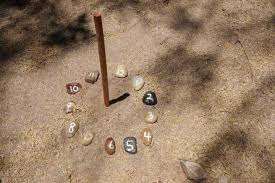
Stonehenge is one of the world’s best known stone circles, and many researchers have noted that the structure functions as a giant astronomical calendar and sundial. Most people can’t build a Stonehenge replica in their back yard, but what you can do is create a sundial of your own using stones you’ve found. If you have children, this is a great science project to do, but even if you don’t have kids, it’s fascinating to create your own sundial.

If you can do this around Litha, at Midsummer, you’ll have the perfect opportunity to recognize the powerful energy of the sun!

You’ll need the following items:

  • A pole or straight stick
  • Several large stones
  • A clock or watch to calibrate your sundial

Making Your Sundial

Find a place in your yard that gets sun for most of the day. Although it’s ideal to do this in the grass of even a patch of dirt, if all you have is a sidewalk or driveway, then that’s fine too. Mount the pole by sticking it into the dirt. If you’re making your sundial on a hard surface like concrete, then use a block of clay or a bucket of soil to secure the pole.

Keep an eye on your clock. At each hour, take note of where the pole’s shadow falls, and mark the spot with a stone.

If you start this project in the morning, you’ll be able to mark most of the daytime spots – if you start later in the day, you may have to come back the next morning to figure out where your morning hours are.

To tell the time with your sundial, look for the pole’s shadow. Where it falls between the stones will give you the time.

Source: Article found on & owned by About.com

Litha’s Herbs c.2015

Disclaimer: No herb should be used for medicinal purpose until you have checked with your health care professional to ask if it is safe for you to use it for any reason. The content provided on this website is for informational purposes only and DOES NOT CONSTITUTE THE PROVIDING OF MEDICAL ADVICE and is not intended to be a substitute for independent professional medical judgment, advice, diagnosis, or treatment. Always seek the advice of your physician or other qualified health providers with any questions or concerns you may have regarding your health. WitchesofTheCraft.com, any staff member of WitchesofTheCraft.com and/or Lady Carla Beltane are not responsible for any type of negative reaction when using this herb for any reason.

For Your Listening Pleasure – Litha

Wiccan Music for Litha

Time to Celebrate with Your Inner Child and the Children in Your Life Litha and Yule Coloring Pages – Printable

Celebrating Litha, the Summer Solstice The Midsummer Sabbat: Celebrate the Power of the Sun!

Depending on your individual spiritual path, there are many different ways you can celebrate Litha, but the focus is nearly always on celebrating the power of the sun. It’s the time of year when the crops are growing heartily and the earth has warmed up. We can spend long sunny afternoons enjoying the outdoors, and getting back to nature under the long daylight hours.

Hold a Midsummer Night’s Fire Ritual, and celebrate the season with a big bonfire. Prefer to spend some time alone at the summer solstice? Not a problem! Add these simple Litha prayers into your summer solstice rituals this year.

Are you headed to the beach this summer? Take advantage of all of the magic it has to offer, with Seven Ways to Use Beach Magic. If you have little Pagans in your family, you can get them involved in the festivities too, with these 5 Fun Ways to Celebrate Litha with Kids. Finally, if you’re not sure how to get started celebrating Litha, try these Ten Great Ways to Celebrate Litha.

Traditions, Folklore and Customs

Interested in learning about some of the history behind Litha? Here’s some background on Midsummer celebrations—learn who the gods and goddesses of summer are, how they’ve been honored throughout the centuries, and about the magic of stone circles! Let’s start with a quick look at the history behind the celebrations of the summer solstice, as well as some of the customs and traditions of Litha.

There’s a ton of solar magic and myths and legends out there, and many cultures have worshiped the sun as part of religious practice throughout time. In Native American spirituality, the Sun Dance is an important part of ritual.

The summer solstice is also associated with festivals such as the Vestalia, in ancient Rome, and with ancient structures like the stone circles found all over the world.

Handfasting Season is Here

June is a traditional time for weddings, but if you’re Pagan or Wiccan, a Handfasting ceremony may be more appropriate. Find out the origins of this custom, how you can have a fantastic ceremony, selecting a cake, and some great ideas on gifts for your guests!

In a historical context, handfasting is an old tradition that has seen a resurgence in popularity lately. There are plenty of ways to have a magical ceremony that celebrates your spirituality as part of your special day. You may even want to invite some of the deities of love and marriage to be part of your ceremony!

If you’re not sure about how to have a handfasting, make sure you’ve got someone who is legally able to perform it, especially if you’re looking for a state-licensed marriage. You can use a basic handfasting ceremony template as a structure for your ceremony, and you might want to consider a Pagan-friendly custom like broom-jumping as part of your celebration.

Don’t forget, you’ll need a cake! Keep a few simple tips in mind when you’re selecting your handfasting cake.

Crafts and Creations

As Litha approaches, you can decorate your home (and keep your kids entertained) with a number of easy craft projects. Celebrate the sun’s energy with an elemental garden, a fiery incense blend, and a magic staff to use in ritual! You can make magical items as well, like a set of Ogham staves for some summer divination. Want to keep your home decor simple? Whip up a Litha blessing besom to hang on your door as a welcome to your summer guests.

Feasting and Food

No Pagan celebration is complete without a meal to go along with it. For Litha, celebrate with foods that honor the fire and energy of the sun, and a tasty batch of Midsummer mead.

A History of Litha and Midsummer

Litha, also known as Midsummer or the Summer Solstice, is an ancient festival celebrated by various cultures around the world. Litha has its roots in ancient agricultural societies that heavily relied on the sun for their livelihoods. The festival marks the peak of the sun’s power and the longest day of the year. Celtic mythology associates Litha with the Oak King, representing the waxing power of the sun. Bonfires were lit during Litha to honor the sun’s strength and ensure abundant harvests. In Norse traditions, the solstice was celebrated with bonfires, feasts, and ceremonies dedicated to Freyr, the fertility god.

Where does the name Litha Come from?

The name “Litha” is derived from Old English and has its origins in the Anglo-Saxon calendar. The term “Litha” is believed to be related to the word “liþa,” which translates to “gentle” or “calm” in Old English. It refers to the period of the summer solstice when the sun reaches its highest point in the sky and the day is at its longest. The term gained popularity among modern pagan and Wiccan communities as they sought to reclaim and revive ancient traditions and festivals. Today, Litha is widely recognized and celebrated as the name for the festival that marks the summer solstice.

Litha and the Wheel of the Year

Litha is part of the Wheel of the Year, a cycle of seasonal celebrations observed by modern pagan and Wiccan communities. It represents the changing seasons and the eternal cycle of life, death, and rebirth. Litha stands opposite to Yule, the winter solstice, symbolizing the balance between light and darkness. It is a time to celebrate the fullness of life and embrace the energy of the sun.

Throughout history, Litha has been accompanied by various customs and rituals. Gathering medicinal herbs and plants believed to be more potent during this time is a common practice. These herbs are used in rituals and potions for health and protection. Another tradition is the construction of sunwheels, which are wheels adorned with flowers and set on fire. Rolling the wheel down a hill signifies the descent of the sun and the turning of the wheel of life.

Litha and Midsummer

Additionally, Litha is often associated with Midsummer, a celebration that extends beyond the pagan and Wiccan traditions. Midsummer festivities are observed in many cultures around the world, including Scandinavian countries where it holds a prominent place in their cultural heritage. Midsummer dances, bonfires, and feasts are integral parts of these celebrations, often accompanied by folklore and traditional rituals that honor the sun’s energy and the abundance of nature during this time.

In modern times, Litha is celebrated by pagans, Wiccans, and nature-based spiritual communities. Many gather at ancient sacred sites, such as Stonehenge, to witness the sunrise and … Click here to read the rest of this article Source: mabonhouse.co

Ancient Celebrations for Today LITHA

A lesser known Wheel of the Year celebration, Litha occurs during the Summer Solstice between June 19 -22.  More commonly referred to as Midsummer’s Night, Litha is believed to be a time when faerie folk pass into the human world at Twilight and offer blessings.  Litha is a time to celebrate the abundance and beauty of Mother Earth. Flowers are in bloom and gardens are producing fresh vegetables and fruits. Gather family and friends to celebrate the longest day of the year and coming harvest season.

History of Litha

Midsummer Night is the longest day of the year and has been celebrated in some fashion since ancient times.  In Pagan tradition, Litha marked the end of the Oak King’s reign and the rise of the Holly King, who oversees the world as the days gradually get shorter as the world descends into the cold dark of winter.

Like Beltane, fire is an element of Litha. Bonfires were lit to assist the sun as it journeyed across the sky, changing course and shortening the days.  It was believed that the faerie realm was the most accessible during Midsummer Night.

Litha was also a celebration of the Celctic goddess Danu (Anu) who represents earth and fruitfulness.  According to Irish mythology Danu was the Universal Mother of Tuatha De Danaan – a tribe of ancient people in Ireland believed to have invaded Ireland and ruled until being defeated in war on midsummer’s day, after which they retreated to the hills and eventually became the Faerie folk.

As Christianity swept across Europe in the early middle ages, Litha / Midsummer Night was adopted by the Catholic church as St. John’s Day, celebrating John the Baptist.

Setting Intentions at Litha

Symbols of Litha

Ways to Celebrate Litha

Click here to read the rest of this article Source: mabonhouse.co

The Holly King and The Oak King

The legend of the Holly King and the Oak King is oft referred to as we approach Yule and start decking the halls with boughs of holly, but what is it all about and where does the story come from?

There are two main versions of the story, each with slightly different characters. In one, the Oak King is a figure similar to the Green Man; a summer God of warm smiles and broad green leaves, while the Holly King is a similarly benign and jolly chap dressed in red and with holly tangled in his long white beard (sound familiar?), associated with winter. He even rides a sleigh pulled by deer. This version has its roots in Wiccan belief, and tells of two battling kings; the Holly King reigns the waning year and is defeated at the Winter Solstice by the Oak King, who then reigns the waxing year in turn until he is defeated at the Summer Solstice by the Holly King, and so on ad infinitum.

The second version of the story has older roots in European witchcraft traditions, and as with so much goes back …

Click here to read the rest of this article

Difference Between the Winter and Summer Solstices?

To understand the difference between summer and winter solstices, we need to have a clear understanding of the word solstice. We know that earth revolves around sun in an elliptical orbit, but it also spins around its own axis. This is an imaginary line going right across the planet from North Pole to South Pole. Fortunately for our planet, this axis is not perpendicular but tilted about 23.5 degrees and it is this tilt that gives us seasons on earth. This tilt makes one half of earth receive more direct rays from sun than the other half which remains away from earth.

The axis, when it tilts towards the sun, it makes northern hemisphere receive more direct rays from the sun than southern hemisphere. This phenomenon occurs between June and September and thus this is the period when it is summer season in the northern hemisphere. Again, this axis tilts away from the sun between December and March which is why we have winter season in the northern hemisphere during this period. While it is summers in northern hemisphere as it receives more direct rays from the sun, it is winter in the southern hemisphere, and vice versa in winters.

To read the rest of this article from differencebetween.com