
Author: H.P. Lady Beltane
Merry meet Sisters, Brothers, and Honored Guests,
I'm an ordained High Priestess walking my spiritual path as an Eclectic Witch for over 45 years. I'm mother of 5, mother-in-law of 4 (although I treat them the same as those, I gave birth too) , grandmother of 13 and great-grandma to 5. I am a spirit mother and sister to many of my dearest friends and apprentices.
I enjoy helping witches find their spiritual and magickal path. More information for the novice course offered look under "WOTC's School of Witchcraft" on the main menu. Please email me at ladybeltane@witchesofthecraft.com for further information about my novice or private study with Lady Carla Beltane witchcraft courses. If you have questions or suggestions for posts please email me at ladybeltane@witchesofthecraft.com
I offer different types of readings, house, aura, and chakra cleansings, look for "Readings and Cleansings Done by Lady Beltane" in the main menu.
Merry part and blessed be,
Lady Carla Beltane
How the Early Catholic Church Christianized Halloween
After the Romans conquered ancient Celtic realms, pagan traditions were adopted into a holiday honoring Catholic saints.
Halloween may be a secular affair today, dominated by candy, costumes and trick-or-treating, but the holiday is rooted in an annual Celtic pagan festival called Samhain (pronounced “SAH- wane”) that was then appropriated by the early Catholic Church some 1,200 years ago.
The ancient Celts were an assortment of tribes and small kingdoms once scattered across western and Central Europe with distinctive languages and culture, explains Frederick Suppe, a historian specializing in Celtic and medieval history at Ball State University in Indiana.
Even after the Romans conquered their realm, Celts continued to survive and thrive in places such as Brittany, Cornwall, Ireland, the Isle of Man, Scotland, and Wales.
Halloween Inspired by Samhain
Samhain, the Celtic festival that is the ancestor of Halloween, was related to the Celts’ way of looking at the world. “All the Celtic peoples conceived of a fundamental dichotomy between light and dark, with the former representing positive, lucky, fruitful values and the latter representing negative, threatening, destructive values,” Suppe explains.
The Celtic year began at sundown at the end of the autumn harvest, continued through the… Click here to read the rest of this article about How the Early Catholic Church Christianized Halloween
October 31, 2025 Current Southern Hemisphere/Tomorrow’s Northern Hemisphere Moon Phase
You can find more moon phase details on both of the websites used in this post by clicking on each hyperlink.

Source: nineplanets.org
he Moon phase for October 31st, 2025 is a Waxing Gibbous phase. This is the phase where the moon is more than 50% illuminated but has not yet reached 100% illumination (which would be a Full Moon).
In the Northern Hemisphere, the right side will be illuminated, and in the Southern hemisphere it’ll be the left side that is illuminated.
The Waxing Gibbous phase, like all moon phases, will last for…
Fun fact:
Phase Details
Phase: Waxing Gibbous
Moon age: 9.91 days
Moon illumination: 69.94%
Moon tilt: 107.873°
Moon angle: 0.53
Moon distance: 378,887.19 km
Moon sign: Pisces

Source: MoonGiant.com
You can use this link to go forward or backward in time for Moon phase information. If you are curious, you can even find out what phase the Moon was in when you or anyone else was born.
Waxing Gibbous phase. Visible through most of the night sky setting a few hours before sunrise. This phase is when the moon is more than 50% illuminated but not yet a Full Moon. The phase lasts about 7 days with the moon becoming more illuminated each day until the Full Moon.
During a Waxing Gibbous the moon rises in the east in mid-afternoon and…
Today’s Waxing Gibbous Phase
The Waxing Gibbous on October 31 has an illumination of 71%. This is the percentage of the Moon illuminated by the Sun. The illumination is constantly changing and can vary up to 10% a day. On October 31 the Moon is 9.39 days old. This refers to how many days it has been since the last New Moon. It takes 29.53 days for the Moon to orbit the Earth and go through the lunar cycle of all 8 Moon phases.
Phase Details
Phase: Waxing Gibbous
Illumination: 71%
Moon Age: 9.39 days
Moon Angle: 0.52
Moon Distance: 379,814.18 km
Sun Angle: 0.54
Sun Distance: 148,470,770.18 km
Illumination: 71%
Moon Age: 9.39 days
Moon Angle: 0.52
Moon Distance: 379,814.18 km
Sun Angle: 0.54
Sun Distance: 148,470,770.18 km
October 30, 2025 Daily Horoscope and Birthday Horoscope’s Traits
You can read today’s horoscope by clicking on the hyperlink.

Click here to read more about anyone’s Birthday or Daily or Monthly Horoscopes Source: thehoroscope.co
Click here to read Georgia Nicols Daily and Weekly Horoscopes
You can find more birthday trait information from these websites by clicking on each hyperlink
Happy birthday wishes from Lady Carla Beltane with the WOTC Family and Friends!!
May the next year of your life bring you more love, laughter, joy, happiness, enough income to cover what you have to have along with a little leftover for fun! May it bring you everything you want if it is supposed to be and everything you need. May sorrow be unknown, and any negativity be minimal. May the wind always be at your back.

Click here to read more about anyone’s Birthday or Daily or Monthly Horoscopes Source: thehoroscope.co
Being a Scorpio born on October 30th…
Astrological symbol: Scorpion. This symbol suggests the passionate and secretive nature of these individuals. It is characteristic for people born between October 23 and November 21 under the Scorpio zodiac sign.
The Scorpio Constellation with the brightest star being Antares is spread on 497 sq degrees between Libra to the West and Sagittarius to the East. Its visible latitudes are +40° to -90°, this being just one of the twelve zodiac constellations.
The Scorpion is named from the Latin Scorpio, the zodiac sign for October 30. In Greece it is named Scorpion while the Spanish call it Escorpion.
Opposite sign: Taurus. This is the sign directly across the zodiac circle from the Scorpio zodiac sign. It suggests secrecy and practicality and these two are considered to make great partnerships.
Modality: Fixed. This modality proposes the enthusiastic nature of those born on October 30 and their amicability and loving sense in regard to most life aspects.
Ruling house: The eighth house. This house rules over the material possessions of others, directed towards the permanent struggle of an individual to own everything that others around own. This also refers to mystery and the ultimate unknown that is death.
Ruling body: Pluto. This planet is said to govern over dedication and productivity and also reflects the impatience inheritance. Pluto is consistent with Hades, the god of the unseen in Greek mythology.
Element: Water. This is the element of emotions and transformation and rules over people born on October 30. Water as element combines with the other three to make things boil with fire, vaporize in the presence of air and shape earth.
Lucky day: Tuesday. This weekday is ruled by Mars symbolizing spotlight and farseeing. It reflects upon the passionate nature of Scorpio people and the brave flow of this day.
Lucky numbers: 3, 8, 12, 14, 21.
Motto: “I desire!”
People born on October 30 are artistic and secretive, visionary and active. They love being in the spotlight but at the same time they prefer to spread enigma. They are strong and sentimental but can also prove a great logic. They make honorable mates but at the same time they are rapid to turn a cold shoulder if they sense even the slightest gesture of treason. They hate sudden transformation or being confronted about the arrangements they make.
Positive Traits: Persuasive communicators, these natives are good both at planning and at being unpredictable and challenging. Scorpio people are courageous and can react unexpectedly fast when faced with relevant settings. They are inquisitive by nature and they want to know everything that is happening everywhere. Those born under this sign are also jovial and perceptive, being a funny company when in good temper.
Negative Traits: Scorpio needs to learn to stop complaining and live every moment as it is, trying to make the best out of it. Those born on this day are possessive and controlling with the persons they attach to. They also tend to have fixed ideas they abandon really hard. They are changeable and clingy. They can be quite devious when they are set to obtain something, and they usually do it at any cost.
Love and Compatibility: Lovers born on October 30 are passionate and mysterious. They find it very hard to commit to one person, but when they do they become very loyal and reliable. Although they don’t usually show it, they are very sensible and easily offended and should be handled with great care. They are attracted to persons who know how to combine praise with constructive criticism. You can conquer the heart of Scorpio if you are always there listening when they feel the need to open their hearts.
Lucky Color: The preferred color for Scorpio zodiac is deep red.
This color emanates action and drives everyone’s attention and this is exactly what the mysterious native in Scorpio wants.
Other hues that appeal to people born on October 30 are violet, scarlet and carmine.
Representative Birthstone: The sign stone for Scorpio is the distinguished Topaz.
This precious stone is said to enhance and stimulate all the innate characteristics of an individual, both positive and negative. Topaz also symbolizes friendship and constancy.
Other sign stones that are thought to bring luck to people born on October 30 are Onyx and Garnet.
Characteristic Flower: The representative flower for Scorpio zodiac is Chrysanthemum.
This flower can be used as a peace bringing decoration as it is said to clear bad energies from around it. Chrysanthemum also symbolizes warmth and relaxation.
Other flowers suggestive for Scorpio are Roses and Geranium.
Symbolic Metal: Iron is the characteristic metal for Scorpio zodiac.
This strong metal suggests the force of fiery Scorpio who is easily stimulated just like Iron can be magnetized. Iron rusts when left in moist air and just as the Scorpio native should be handled with care.
Another metal considered beneficial for people born on October 30 is Silver.
Characteristics: October 30 Zodiac belongs to the first decan of SCORPIO (Octombrie 23-November 2). This decan is strongly influenced by the planet Pluto. This is representative for people who are determined and secretive just like Scorpio and possessive just like Pluto. This decan is said to be magnifying all characteristics of the Scorpio zodiac sign, both positive and negative.
What Statistics Say: In a year in the Gregorian Calendar, October 30 is the 303rd day or the 304th day in case of leap years and until the end of the year there are left 62 days. The sixtieth day of autumn, this is also the Mischief Night in the United States.

Click here to read more about traits for anyone’s birthday horoscope Source: tarot.com
If you were born on October 30…
October 30 Scorpio at Their Best: Organized, confident, attentive
October 30 Scorpio at Their Worst: Unsatisfied, aggressive, critical
What to Wear:
What to Eat:
Who to Invite:
Where to Go:
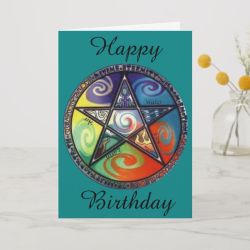
Click here to read more anyone’s birthday traits and more Source: sunsigns.org
IF YOUR BIRTHDAY IS OCTOBER 30, you are a Scorpion who loves to learn. Life’s lessons come in many forms and not just by observing can you learn all of them. More often than not, you should be a participant. Those of you born today are highly sensitive and passionate.
Yes… you have a cool exterior but you can be roused. Depending on what’s going on, this could be a good thing. Everyone should be passionate about something. It’s only when you fall short of being perfect, do you pout.
The 30th of October birthday personality have a tendency to work all the time. You could use a treat. Why not take your family on a road trip. This could be fun as it helps you to connect with your family. You, as do so many others, stay at home and take care of your offspring. Too bad there’s no award for that.
The October 30 birthday horoscope shows that you are composed and even refined. The truth of the matter is that you are highly responsive. You mainly are concentrating on your money and how to make some more. You feel that you have got to be on top of things at all times.
This Scorpio birthday generally don’t settle for second best. You want top shelf or nothing at all. It’s your prerogative. Besides, you work for what you want out of life. There’s nothing wrong with being successful and living a comfortable lifestyle.
If today October 30 is your birthday, you have an adventurous side to you that people admire. As someone born on this day, you love to travel and to familiarize yourself with other cultures. It’s a part of learning and you like to have hands on experience.
As the October 30th zodiac sign is Scorpio, you are generally smart individuals but should listen more to your instincts. You have a sixth sense that will guide you in some decisions but only if you let it.
Undeniably, the October 30 birthday personality is someone who’s incredibly attractive, flexible and capable. More than anything, you want your freedom. You are not likely to be happy without it. You have a need to create and usually, your muse will come in quiet times. Communication with others may come with ease but occasionally, you are moody and your attitudes will change in a heartbeat.
In love, you tend to be idealistic, sensitive but strong. You don’t like your business in the streets either… you’re a private person. Therefore, public display of affection could be considered a no-no. However, you in a direct and more private setting can be a force to be reckoned with. Those born on October 30 are people who want and enjoy the constitution of marriage
What your birthday says about you is that you’re certainly a fun person to be around. You are witty and playful. Being around your friends and family gives you joy and pleasure. You don’t expect much from them and this seems to be the key to bonding with them. Typically, you are not judgmental. The only drawback to this is that you can be overly protective. Then we see another side of the calculated scorpion.
You may feel that learning comes from all different directions and school can’t teach you everything. You believe that you can go at it on your own. It’s not necessary for you to fulfill the American dream of a white picket fence, spouse, children and a dog to be successful. For you, personal satisfaction comes in occupations that allow you to communicate. Careers like writing, speaking and television could be your ticket to the high road, foretells the 30 October birthday astrology.
Your health is normally easy to maintain as you like growing your own food. You stick to a diet that is high in fiber and protein but low in calories. As a norm, you do a body cleanse to rid yourself of daily toxins put in by pollutants in the air and by the additives in your drink and food when you can’t eat right. However, when it comes to going to the gym and working out, this is not your style. You like to be active but usually, it’s not by physical exercise.
The October 30 is birthday meanings show that you are perceptive, compliant, and charismatic. You could be a curious soul however, you love to learn. Learning, you feel, is not just textbook calculations but real life situations. You love with such an intensity that you can’t be denied the lusty pleasures you so dream of. As a Scorpio born on this day, you are not especially fond of the classroom.
See: Famous Celebrities Born On October 30
This Day That Year –October 30 In History
1866 – The Jesse James gang gets away with stealing 2k from a Lexington Missouri bank.
1900 – First ever car show held in Madison Square Garden.
1991 – Clint Black exchanges marriage vows with Lisa Hartman.
2002 – Jam Master Jay of Run DMC dead.
October 30 Vrishchika Rashi (Vedic Moon Sign)
October 30 Chinese Zodiac PIG
Birthday Planet
Your ruling planet is Mars that symbolizes how you survive thanks to your instincts in the most difficult situations.
Birthday Symbols
The Scorpion Is The Symbol For The Scorpio Zodiac Sign
Birthday Tarot Card
Your Birth Day Tarot Card is The Empress. This card represents a positive motherly figure in your life, who will help you become successful. The Minor Arcana cards are Five of Cups and Knight of Cups
Birthday Zodiac Compatibility
You are most compatible with people born under Zodiac Sign Pisces: This can be a superbly compatible match.
You are not compatible with people born under Zodiac Sign Gemini: This relationship will be volatile and fiery.
Lucky Number
Number 3 – This number stands for compassion, freedom, intelligence, and spontaneity.
Number 4 – This is a number of organized actions and excellent wisdom.
Lucky Colors
Blue: This is a refreshing color that symbolizes serenity, knowledge, trust, and faithfulness.
Red: This is a color of passion, sexuality, willpower, and danger.
Lucky Days
Tuesday – This day is ruled by Mars and stands for survival instincts, courage, rashness and a strong willpower.
Thursday – This day is ruled by Jupiter and will bring joy, love, good fortune and happy tidings.
Birthstone Topaz
Topaz gemstones are said to encourage peace, prosperity, wealth, contentment and faithfulness.
Ideal Zodiac Birthday Gifts
An entertaining computer game for the man and a dark green silk blouse for the woman.
October 30, 2025 Current Southern Hemisphere/Tomorrow’s Northern Hemisphere Moon Phase
You can find more moon phase details on both of the websites used in this post by clicking on each hyperlink.

Source: nineplanets.org
… The Moon phase for October 30th, 2025 is a Waxing Gibbous phase. This is the phase where the moon is more than 50% illuminated but has not yet reached 100% illumination (which would be a Full Moon).
In the Northern Hemisphere, the right side will be illuminated, and in the Southern hemisphere it’ll be the left side that is illuminated.
During this Waxing Gibbous phase the moon will rise in the east in the mid- to late-afternoon and will be high in the eastern sky at sunset.
Assuming it’s a clear night, the Waxing Gibbous moon will then be visible through most of the night before setting just before sunrise.
Fun fact…
Phase Details
Phase: Waxing Gibbous
Moon age: 8.87 days
Moon illumination: 59.36%
Moon tilt: 109.121°
Moon angle: 0.52
Moon distance: 385,369.02 km
Moon sign: Aquarius

Source: MoonGiant.com
You can use this link to go forward or backward in time for Moon phase information. If you are curious, you can even find out what phase the Moon was in when you or anyone else was born.
… During a Waxing Gibbous the moon rises in the east in mid-afternoon and is high in the eastern sky at sunset. The word Gibbous first appeared in the 14th century and has its roots in the Latin word “gibbosus” meaning humpbacked.
Today’s Waxing Gibbous Phase
The Waxing Gibbous on October 30 has an illumination of 60%. This is the percentage of the Moon illuminated by the Sun. The illumination is constantly changing and can vary up to 10% a day. On October 30 the Moon is 8.34 days old. This refers to how many days it has been since the last New Moon. It takes 29.53 days for the Moon to orbit the Earth and go through the lunar cycle of all 8 Moon phases.
Phase Details
Phase: Waxing Gibbous
Illumination: 60%
Moon Age: 8.34 days
Moon Angle: 0.52
Moon Distance: 384,916.05 km
Sun Angle: 0.54
Sun Distance: 148,511,251.98 km
Illumination: 60%
Moon Age: 8.34 days
Moon Angle: 0.52
Moon Distance: 384,916.05 km
Sun Angle: 0.54
Sun Distance: 148,511,251.98 km
October 29, 2025 Daily Horoscope and Birthday Horoscope’s Traits
You can read today’s horoscope by clicking on the hyperlink.

Click here to read Georgia Nicols Daily and Weekly Horoscopes
Click here to read more about anyone’s Birthday or Daily or Monthly Horoscopes Source: thehoroscope.co
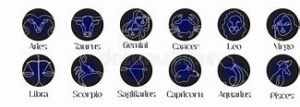
You can find more birthday trait information from these websites by clicking on each hyperlink
Happy birthday wishes from Lady Carla Beltane with the WOTC Family and Friends!!
May the next year of your life bring you more love, laughter, joy, happiness, enough income to cover what you have to have along with a little leftover for fun! May it bring you everything you want if it is supposed to be and everything you need. May sorrow be unknown, and any negativity be minimal. May the wind always be at your back.
Click here to read more about anyone’s Birthday or Daily or Monthly Horoscopes Source: thehoroscope.co
As a Scorpio born on October 29th…
Astrological symbol: Scorpio. This symbol is representative for those born October 23 – November 21, when the Sun transits the Scorpio zodiac sign. It suggests stubbornness, passion and mystery.
The Scorpio Constellation lies between Libra to the West and Sagittarius to the East on an area of 497 sq degrees and has Antares as its brightest star. Its visible latitudes are between +40° to -90°, this being one of the zodiac’s twelve constellations.
The Latin name for the Scorpion, the October 29 zodiac sign is Scorpio. The French name it Scorpion while the Greeks say it is Scorpion.
Opposite sign: Taurus. On the horoscope chart, this and the Scorpio sun sign are on opposite sides, reflecting magnetism and reliability and some sort of balancing act between the two with a creation of opposite aspects at times.
Modality: Fixed. This quality proposes the vain nature of those born on October 29 and their imagination and sentimentalism in taking life as it is.
Ruling house: The eighth house. This house symbolizes the possessions of other people around and one’s struggle with his own ambitions and reveals why these have always played an important part in the lives of Scorpios.
Ruling body: Pluto. This connection suggests intention and relaxation. It also reflects on the inquisitiveness in the lives of these natives. Pluto is equivalent to Hades, the Greek god of the underworld.
Element: Water. This is the element representative for those born on October 29 which reminiscence of their innate emotion and depth and their capacity to express how they feel under contrasting circumstances.
Lucky day: Tuesday. As many consider Tuesdays as the most advantageous day of the week, it identifies with the powerful nature of Scorpio and the fact this day is ruled by Mars only strengthens this connection.
Lucky numbers: 3, 7, 14, 17, 29.
Motto: “I desire!”
People born on October 29 benefit from being strong willed and determined. They are also very sensual and attractive. Just like a true Scorpio, they are both self conscious and socially aware. They love the feeling of being in charge and having others depend upon you. They dislike mediocre people and hate any kind of betrayal. Those born under this sign enjoy situations where they can show how sensual and mysterious they can be.
Positive Traits: A jovial company when they feel comfortable, these natives are sociable, curious and enthusiastic but can also be quite controlling and persistent when they want something to turn right. They exert some sort of hypnotism over those close to them and are often quick to convince them to join their efforts although at time they can be quite manipulative about it. They are great with multitasking and they can keep themselves focus for long periods of time.
Negative Traits: Jealous and controlling with those close to them, they can be very cruel with these people when they feel they have done them any wrong, no matter how insignificant that might be. They are spiteful and hate when others disappoint them although they have no obstacle doing the same and never look back when they transformation their minds and they often do it very rapidly. They need to stop being so domineering and look at their own defects before judging others.
Love and Compatibility: Lovers born on October 29 are passionate and secretive. They enjoy dating rituals and keeping an aura of mystery on their lives. They hardly connect with someone at a deeper level but when they do, they open their minds completely. They are attracted to sensual partners who know how to handle them and know how to combine praising with criticism. You can conquer the heart of Scorpio if you dedicate your life to understanding their complex parade of emotions and also to supporting their impulsive decisions.
Lucky Color: Deep red is the color for Scorpio zodiac.
The mysterious Scorpio know exactly how to use this simulative color to boost their confidence and to attract all attention.
Other hues that appeal to people born on October 29 are violet, scarlet and carmine.
Representative Birthstone: The elegant Topaz is the sign stone for Scorpio zodiac.
Topaz is the symbol of strength and constancy. It is thought to stimulate and enhance the native characteristics of the wearer.
Other sign stones that are considered to be lucky for people born on October 29 are Onyx and Garnet.
Characteristic Flower: Chrysanthemum is the representative flower for Scorpio zodiac.
Chrysanthemum symbolizes meditation and the warmth of sun. This flower can be used as a jolly decoration as it is said to clear bad energies around it.
Other flowers suggestive for Scorpio are Geranium and Roses.
Symbolic Metal: Iron is the representative metal for Scorpio zodiac.
It undoubtedly suggests the strength and mystery of Scorpio. Iron is a resilient metal that can be magnetized just like Scorpio can be stimulated. Left in moist air it rusts which suggests that it should be handled with care exactly like the Scorpio native.
Another metal considered lucky for Scorpio is Silver.
Characteristics: October 29 Zodiac belongs to the first decan of SCORPIO (Octombrie 23-November 2). This decan is under the supervision of the planet Pluto. Those born in this period are mysterious and sensual just like a true Scorpio and focused and possessive just as Pluto makes them be. This period is also said to magnify all the positive and negative characteristics of the Scorpio zodiac sign.
What Statistics Say: In the Gregorian Calendar, October 29 appears as the 302nd day of the year or the 303rd day in case of leap years and there are 63 days left until the end of the year. The fifty ninth day of autumn, this is also the World Stroke Day.

Click here to read more about traits for anyone’s birthday horoscope Source: tarot.com
If you were born on October 29…
October 29 Scorpio at Their Best: Convincing, exciting, masterful
October 29 Scorpio at Their Worst: Sarcastic, cruel, secretive
What to Wear:
What to Eat:
Who to Invite:
Where to Go:
IF YOU ARE BORN ON OCTOBER 29, and you are driven by the idea of success, you are a Scorpio. You have a strong desire to be extraordinary. Ambitious, you are ready to meet any challenge that comes your way.
Some people born under this zodiac sign may walk away from conflict, but not you. In fact, you thrive on it. It makes you feel better.
The 29 October birthday personality have a tendency to not over react in situations that can be heated or where there’s a lot of confusion. Naturally, you keep your cool. However, you have your breaking point. It is not wise to push this Scorpion to the limit.
The October 29 birthday astrology analysis shows you to be high spirited and passionate people. When you get upset, it shows. This Scorpio birthday person normally doesn’t want the spotlight on them.
So they tend to avoid anything that would cause attention but especially negative attention to themselves. You like to watch people in situations than to participate. On the other hand, you are a private person who is discerning when it comes to confiding in others.
If today 29 October is your birth day, you are impulsive or adventurous. When you can, you’re off exploring with your family. More often than not, these Scorpions are close to their friends and loved ones. Needless to say, you are protective of them as well. Normally, you are ready for whatever when it comes to them. Your friends say that you could be guilty of starting a drama when there is none.
Because of the way you carry yourself, people may not think that you are approachable. However, it’s far from the truth. You are a passionate person that can be ummm, well… be peculiar acting from time to time. At the end of the day, people like you and respect you.
Furthermore, even with your small group of friends, you can‘t imagine anyone not liking you. As a child, maybe you had some rough times but it’s nothing to be ashamed of. You have the best intentions but when it comes to the past, you can’t change it. Changing the story doesn’t erase the facts. You are what you are because of your soul, move on. You’re not that person anymore.
The October 29th birthday horoscope predictions for career show that areas relating to physics or psychology are good for you. It is not going to be an easy choice but you have people skills that every good social worker should have. Most of the time, those qualities come natural. So another option could be found in the service industry.
For someone born today on a 29th October zodiac birthday, the entertainment field is also a possibility. Having said all of that, it’s hard for you to go unnoticed as you would like. Some of you born on this day are not particularly concerned with salary but are worried about your image. Once you decide on a career, you will be highly successful
As the October 29th birthday personality negative qualities and traits go, you tend to belittle folks especially in the way you talk to them. Be sincere when you communicate with people who perhaps work for you. Only then will you be rewarded with trustworthy employees. However, you have your favorites and will go to no limit to provide a positive working environment for them. It would do your heart good to let go of things beyond your control. Don’t hold grudges.
Physically, you like being active and often times, you like competing but with yourself. The October 29 born Scorpions may set a goal for themselves, accomplish it and then set an even higher one right away. You enjoy activities that are uncommon like bungee jumping or rope climbing. This is good for the heart. Other areas you should concern yourself with are the bladder, blood vessels, and genitals.
The October 29 birthday meanings show that you are observant but competitive people. You usually don’t like attention but you can’t help yourself. People look up to you even when you are out of character. This is not very often but it happens when you feel you have been let down by someone you trust and care about.
For a profession, you’re a natural born social worker who is flexible and knowledgeable. It would seem that you like challenges. As a drawback, the 29 October birthday characteristics show that you are jealous, possessive and can be overly sensitive when it comes to your loved ones.
See: Famous Celebrities Born On October 29
This Day That Year –October 29 In History
1859 – Morocco and Spain are at war.
1894 – Hawaiian Republic holds first election.
1994 – Jeannette Markey, then 28, marries Rich Little who was 55.
2010 – After almost a 20 year union, Randy Travis breaks up.
October 29 Vrishchika Rashi (Vedic Moon Sign)
October 29 Chinese Zodiac PIG
Birthday Planet
Your ruling planet is Mars that symbolizes the God of War in astrology and stands for your ability to overcome the most toughest of challenges.
Birthday Symbols
The Scorpion Is The Symbol For The Scorpio Sun Sign
Birthday Tarot Card
Your Birthday Tarot Card is The High Priestess. This card symbolizes psychic abilities, strength, decisiveness, and knowledge. The Minor Arcana cards are Five of Cups and Knight of Cups
Birthday Zodiac Compatibility
You are most compatible with people born under Zodiac Sign Capricorn: This can be an entrancing love match.
You are not compatible with people born under Zodiac Sign Virgo: This love relationship will be mundane and boring.
Lucky Number
Number 2 – This number signifies endurance, diplomacy, flexibility, and kindness.
Number 3 – This number signifies encouragement, pleasure, imagination and positive energy.
Lucky Colors
Red: This color stands for life-force, sensuality, brightness and an energetic personality.
White: This is a color known for its authentic values, truth, peace, virginity, and innocence.
Lucky Days
Tuesday – This is the day of planet Mars and is a day of immediate action, aggression, passion, and forcefulness.
Wednesday – This is a day of planet Mercury that calls for better interaction and communication with people.
Birthstone Topaz
Topaz gemstone signifies trust in relationships and ability to accept people who make mistakes.
Ideal Zodiac Birthday Gifts
A pair of binoculars for the man and an antique jewel box for the woman.
October 29, 2025 Current Southern Hemisphere/Tomorrow’s Northern Hemisphere Moon Phase
You can find more moon phase details on both of the websites used in this post by clicking on each hyperlink.
Source: nineplanets.org
The Moon phase for October 29th, 2025 is the First Quarter phase. In this phase, exactly half of the moon is illuminated and half is in darkness.
The First Quarter phase comes roughly 7 days after the New Moon and this is when the moon has completed one quarter of its orbit around the Earth (hence the name, First Quarter). The moon will be high overhead at sunset in this phase and will be visible until mid-night, when it sets in the west.
The First Quarter of the moon phase cycle happens on one day. It’s followed by the intermediate phase, Waxing Gibbous, and will become more illuminated every day until it reaches the Full Moon phase.
Fun fact:
Phase Details
Phase: First Quarter
Moon age: 7.84 days
Moon illumination: 48.73%
Moon tilt: 111.848°
Moon angle: 0.51
Moon distance: 391,353.97 km
Moon sign: Aquarius

Source: MoonGiant.com
You can use this link to go forward or backward in time for Moon phase information. If you are curious, you can even find out what phase the Moon was in when you or anyone else was born.
Today’s First Quarter Phase
The First Quarter on October 29 has an illumination of 50%. This is the percentage of the Moon illuminated by the Sun. The illumination is constantly changing and can vary up to 10% a day. On October 29 the Moon is 7.37 days old. This refers to how many days it has been since the last New Moon. It takes 29.53 days for the Moon to orbit the Earth and go through the lunar cycle of all 8 Moon phases.
Phase Details
Phase: First Quarter
Illumination: 50%
Moon Age: 7.37 days
Moon Angle: 0.51
Moon Distance: 389,714.52 km
Sun Angle: 0.54
Sun Distance: 148,550,437.50 km
Illumination: 50%
Moon Age: 7.37 days
Moon Angle: 0.51
Moon Distance: 389,714.52 km
Sun Angle: 0.54
Sun Distance: 148,550,437.50 km
October 28, 2025 Daily Horoscope and Birthday Horoscope’s Traits
You can read today’s horoscope by clicking on the hyperlink.

Click here to read Georgia Nicols Daily and Weekly Horoscopes
Click here to read more about anyone’s Birthday or Daily or Monthly Horoscopes Source: thehoroscope.co
You can find more birthday trait information from these websites by clicking on each hyperlink
Happy birthday wishes from Lady Carla Beltane with the WOTC Family and Friends!!
May the next year of your life bring you more love, laughter, joy, happiness, enough income to cover what you have to have along with a little leftover for fun! May it bring you everything you want if it is supposed to be and everything you need. May sorrow be unknown, and any negativity be minimal. May the wind always be at your back.
Click here to read more about anyone’s Birthday or Daily or Monthly Horoscopes Source: thehoroscope.co
…
Astrological symbol: Scorpio. This is the symbol of the Scorpio zodiac for people born October 23 – November 21. It is representative for the passionate nature and the sense of mystery surrounding these individuals.
The Scorpius Constellation is one of the twelve constellations of the zodiac, with the brightest star being Antares. It lies between Libra to the West and Sagittarius to the East, covering an area of only 497 square degrees between visible latitudes of +40° and -90°.
The name Scorpio comes from the Latin name for Scorpion and so is called in Greece and France, while in Spain the sign for October 28 zodiac sign is called Escorpion.
Opposite sign: Taurus. In astrology, these are the signs placed opposite on the zodiac circle or wheel and in the case of Scorpio reflect upon excitement and revelation.
Modality: Fixed. This shows the warmhearted nature of people born on October 28 and that they are a mark of help and positivity.
Ruling house: The eighth house. This house placement symbolizes material possessions; life’s hidden pleasures and the ultimate transformation of death. This says a lot about the interests of Scorpios and their life perspectives.
Ruling body: Pluto. This combination suggests individuality and patience. The Pluto name comes from the Roman god of the underworld. Pluto is also representative for the extremes of these natives’ existences.
Element: Water. This is the element of the charming ones, those born on October 28 who are loyal and find it easy to unravel how they feel. The deepness of water reveals the depth of these complex individuals.
Lucky day: Tuesday. Ruled by Mars this day symbolizes accuracy and enterprise and seems to have the same resolute flow as the lives of Scorpio individuals.
Lucky numbers: 3, 5, 11, 13, 25.
Motto: “I desire!”
People born on October 28 are helpful and considerate beings, sometimes dreamy, sometimes overly realistic. They possess great emotional intelligence skills and often share their knowledge with those close to them despite the otherwise mysterious image that they surround themselves with. They feel the need to be in charge and dislike mediocrity but their biggest problem is when they are confronted with sudden change. They enjoy travelling very much, especially the discovery side of it.
Positive Traits: These natives are persistent, focused and meticulous at times but also jovial and relaxed when in the right company. They tend to be curious about a million things at once but they are also passionate about a series of personal interests that they try to pursue. They are perceived as magnetic by those around them, are aware of this and don’t hesitate in using their charm to get what they want.
Negative Traits: Learning to stop being so bossy and demanding is one thing Scorpio needs to do. People around need nice words and attention not only questions and demands. Those born on this day are jealous for no particular reason and very stubborn at times. They are sometimes moody and nothing seems to be going right. They can be quite devious and tricky to handle when they are set to obtain something at any costs.
Love and Compatibility: Lovers born on October 28 are passionate, sensual and secretive. They find it very hard to commit to one person, but when they do they become very loyal and reliable. However they keep many things to themselves as they are afraid to appear sensible and weak in front of someone else. They are attracted to someone who shares the same exciting lifestyle as them. You can conquer the heart of Scorpio if you know how to handle them and be open and ready to listen when they have a moment when they feel like sharing what’s going on in their mind. They believe in love at first sight and don’t need much time to get attached to someone. They are persons of extremes in love and sometimes this attitude will have them prone to disappointment. They are used to intensely live every aspect of their life and their relationships are no exception. They are likely to fall in love at a young age as they are attractive and positive persons. Concerning their family life they will marry when they are completely ready and they will probably be cool parents if they choose to have a one big family. They are most compatible with those born on the 4th, 6th, 8th, 13th, 15th, 17th, 22nd, 24th, 26th, and 31st.
Lucky Color: Deep red is the color of preference for Scorpio natives, especially those born under the October 28.
Deep red as a hue, is the symbol of depth and mystery coupled with the energy of pure red. This zodiac color should be used in objects that surround the natives.
People having deep red as sign color have a great need for prestige and recognition but however such persons need leaders, persons to guide them and to whom to look up to. The mysterious Scorpio knows exactly how to use this simulative color to boost their confidence and to attract all attention.
Other colors for Scorpio people are purple, scarlet and carmine.
Representative Birthstone: The impressive Topaz is the birthstone said to be representative for Scorpios born with October 28.
Topaz is a precious material that denotes strength and constancy. The zodiac birthstone could be used in accessories and jewelry items.
This gemstone releases positive and balancing vibes towards emotions and also protects against negative thought. This is an orange stone with pink undertones that was worn by the Russian Czars.
Another precious stone considered beneficial for Scorpio natives is Garnet. It represents tolerance and balance.
Characteristic Flower: Chrysanthemum is the flower that is considered lucky for those Scorpio natives with October 28.
Chrysanthemum suggests introspective and warm soul in every individual. This zodiac flower should be used in decorative items in the places these natives spend time.
This is a flower thought to clear negative energies from around it so it can be used as a joyous decoration or even as a lucky charm. This plant can be found during midsummer to late fall.
Other flowers for Scorpio people are Poppies and Lavender.
Symbolic Metal: Iron is the metal of preference for Scorpio natives, especially those born under the October 28.
Iron is one of those metals that denote strength and purity. This zodiac metal should be used in all kinds of jewelry items that are to be worn frequently.
This strong metal suggests the force of fiery Scorpio who is easily stimulated as iron is malleable through fire. Left in moist air, Iron rusts which suggests that it should be handled with care exactly like the Scorpio native.
Another metal considered influential for Scorpio natives is Zinc.
Characteristics: October 28 Zodiac belongs to the first decan of SCORPIO (Octombrie 23-November 2). This decan is influenced by the planet Pluto. Those born under this influence combine the secretiveness and sensuality of Scorpio with the ambition and focus of Pluto. This decan is known to magnify all the positive and negative characteristics of the Scorpio zodiac sign. Being born on the 28th day of the month shows generosity, independence, great self confidence and idealism. The numerology for October 28 is 1. This number reveals revels leadership qualities, great will power and an original approach to life, all wrapped in a charming personality. Those Scorpio can only be proud of this association as this is the number of achievers, of those who see the bigger picture and are set to follow their goals no matter what.
What Statistics Say:… International Animation Day. Scorpio is said to be the first most commonly met zodiac sign in the birth occurrence. Exuding negative polarity and a sensual energy, this is an even numbered sign with a feminine symbolism. This is characteristic for introvert people who are reflective and uncompromising. Amongst the archetypes used to describe this sign there is the Guardian. Scorpios are inclined to do a lot of physical activity and are also quick learners.

If you were born on October 28…
October 28 Scorpio at Their Best: Curious, intelligent, energetic
October 28 Scorpio at Their Worst: Demanding, lonely, irritating
What to Wear: Clothes that show you’re worthy of being in Scorpio’s presence lean toward black, purple and deep reds.
What to Eat: Treats with special centers, like stuffed mushrooms and deviled eggs, or sensual foods like chocolate-covered strawberries or oyster shooters.
Who to Invite: Choose with care. You won’t want to include anyone who might be on Scorpio’s list of enemies du jour.
Where to Go: Somewhere dark and mysterious — where Scorpio won’t have to worry about any wrinkles that might show.
IF YOUR BIRTHDAY IS ON OCTOBER 28, you are certainly an ambitious soul. You may appear to be a quiet individual but truth be told, you are highly passionate. Don’t judge a book by its cover is the motto for a person born today. The 28 October birthday zodiac sign is Scorpio. You are hard-working and want the best out of life.
If you have an October 28 Scorpio birthday, you are stubborn… yes, stubborn. You may feel that you are right all the time or that your way is the best. But others have great ideas as well and could possibly be just as dedicated as you.
The 28th October birthday horoscope predicts that you are likely to get into conflicts with other people who have authority. Perhaps if you didn’t expect so much from others, you would not feel superior and be disappointed when things don‘t turn out as you had hoped.
Leave it to someone born on October 28 to conjure up something interesting. However, you are never satisfied with the first results. You must go further. It’s your obsessive nature that keeps you motivated. You are dedicated people who find it hard to give up.
for you when things get rough but you are extremely hard on everyone. Sometimes, you should just leave things alone. As it is, you don’t have much luck in the love department.
Maybe you’d be better off with someone who is equal to your talents, desires, and tastes. It would be of benefit to someone who doesn’t know you to put on a shield as you have the ability to hurt people with your tongue.
When you find that special someone, you could have experienced some feelings upon meeting them for the first time. Additionally, you become attached easily. This can’t be healthy for you or anyone for that matter. Going from one extreme to the next. Behaving this way makes it easy for you to get your feelings hurt. You go all in to get the things you want and this includes your love life as well.
When it comes to occupying space in a career, you have a hard time trying to choose just one. Actually, you have the ability to teach, be a counselor or a therapist. You could go into business for yourself. There are many people born today, found in the entertainment industry although the spotlight may not be to your liking.
The October 28 birthday astrology forecasts show that you are careful with your money and do not like to spend it on frivolous things. As far as your health is concerned, you should stay on top of things. You may not eat right or exercise. It’s not until a sickness strikes you that you start to think about your health condition.
Make efforts to do better, Scorpio. You are not invincible. Stock up on your green veggies and fruits. There are many nutrients in them that will help guard against disease.
The October 28 birthday meanings suggest that there is more to you than meets the eyes. You are unique as you retain logic and mystery as your best friends. When you are wronged, you find it difficult to forget and to forgive. As a Scorpion, you can be blunt and straightforward. You have a variety of skills, drive, and ambitions.
See: Famous Celebrities Born On October 28
This Day That Year –October 28 In History
1533 – Prince Henry of France takes Florentine for his wife.
1636 – Cambridge, Mass opens Harvard University.
1746 – Lima and Callao destroyed by earthquake in which 18,000 people lost their lives.
2005 – Baseball’s Tony Jackson dies.
October 28 Vrishchika Rashi (Vedic Moon Sign)
October 28 Chinese Zodiac PIG
Birthday Planet
Your ruling planet is Mars that symbolizes an enterprising and aggressive person.
Birthday Symbols
The Scorpion Is The Symbol For The Scorpio Zodiac Sign
Birthday Tarot Card
Your Birth Day Tarot Card is Magician. This card symbolizes a resourceful and skilled personality. The Minor Arcana cards are Five of Cups and Knight of Cups
Birthday Zodiac Compatibility
You are most compatible with people born under Zodiac Sign Cancer: This relationship will be a match made in heaven.
You are not compatible with people born under Zodiac Sign Sagittarius: This relationship has nothing in common…
Lucky Number
Number 1 – This number represents an assertive leader.
Number 2 – This number symbolizes a diplomatic team-player.
Lucky Colors\
Red: This is a color that speaks of action, passion, positive energy, determination, and love.
Yellow: This color signifies wisdom, interaction, logic, adventure, and confidence.
Lucky Days
Tuesday – This day is ruled by Mars and signifies a day when you can be rash and angry. But you need to control your emotions if you want to be successful.
Monday – This day ruled by planet Moon is symbolic of your emotional balance and how it affects your day-to-day life.
Birthstone Topaz
Topaz is a gemstone that is symbolic of stimulating your mind and body and recharging your energies.
Ideal Zodiac Birthday Gifts
His favorite Single Malt Scotch for the Scorpio man and a beautiful and smart silk blouse for the woman.
Celtic Tree Month – Reed Moon: October 28 – November 23
Source: Learning Religions

Reed is typically used to make wind instruments, and this time of year, its haunting sounds are sometimes heard when the souls of the dead are being summoned to the Underworld. The Reed Moon was called Negetal, pronounced nyettle by the Celts, and is sometimes referred to as the Elm Moon by modern Pagans. This is a time for divination and scrying. If you’re going to have a seance, this is a good month to do it. This month, do magical workings related to spirit guides, energy work, meditation, celebration of death, and honoring the cycle of life and rebirth.
October 28, 2025 Current Southern Hemisphere/Tomorrow’s Northern Hemisphere Moon Phase
You can find more moon phase details on both of the websites used in this post by clicking on each hyperlink.
Source: nineplanets.org
Moon Phase for Tuesday Oct 28th, 2025…
The Moon phase for October 28th, 2025 is a Waning Crescent phase. This is the phase where the moon is less than 50% illuminated but has not yet reached 0% illumination (which would be a New Moon).
In this part of the moon cycle, it is getting closer and closer to the Sun as viewed from Earth and the night side of the Moon is facing earth with a decreasingly thin crescent being illuminated.
The waning (shrinking) crescent Moon will rise at around midnight, transit the meridian after sunrise, before setting after noon. This phase is best viewed 1-2 hours before sunrise and is a great time to see the features of the Moon’s surface. Along the illuminated crescent you can see the craters and mountains of the moon casting long shadows.
Fun fact: …
Phase Details
Phase: Waning Crescent
Moon age: 6.8 days
Moon illumination: 38.49%
Moon tilt: 116.022°
Moon angle: 0.5
Moon distance: 396,507.49 km
Moon sign: Capricorn

Source: MoonGiant.com
You can use this link to go forward or backward in time for Moon phase information. If you are curious, you can even find out what phase the Moon was in when you or anyone else was born.
Today – October 28, 2025…
Today’s Waxing Crescent Phase
The Waxing Crescent on October 28 has an illumination of 40%. This is the percentage of the Moon illuminated by the Sun. The illumination is constantly changing and can vary up to 10% a day. On October 28 the Moon is 6.43 days old. This refers to how many days it has been since the last New Moon. It takes 29.53 days for the Moon to orbit the Earth and go through the lunar cycle of all 8 Moon phases.
Phase Details
Phase: Waxing Crescent
Illumination: 40%
Moon Age: 6.43 days
Moon Angle: 0.51
Moon Distance: 394,161.93 km
Sun Angle: 0.54
Sun Distance: 148,589,927.14 km
Illumination: 40%
Moon Age: 6.43 days
Moon Angle: 0.51
Moon Distance: 394,161.93 km
Sun Angle: 0.54
Sun Distance: 148,589,927.14 km
October 27, 2025 Current Southern Hemisphere/Tomorrow’s Northern Hemisphere Moon Phase
You can find more moon phase details on both of the websites used in this post by clicking on each hyperlink.
Source: nineplanets.org
… The Moon phase for October 27th, 2025 is a Waxing Crescent phase. This is the phase where the moon started to become visible again after the New Moon.
In this part of the moon cycle, the Moon is moving away from the Sun and is becoming more and more illuminated by sunlight. In this phase, the moon will go from 0.1% to 49.9% illuminated before reaching the First Quarter phase.
In the Waxing Crescent phase the moon rises before noon in the east, transits the meridian before sunset, before setting in the west before midnight.
Fun fact: …
Phase Details
Phase: Waxing Crescent
Moon age: 5.77 days
Moon illumination: 28.97%
Moon tilt: 121.646°
Moon angle: 0.5
Moon distance: 400,628.70 km
Moon sign: Capricorn

Source: MoonGiant.com
You can use this link to go forward or backward in time for Moon phase information. If you are curious, you can even find out what phase the Moon was in when you or anyone else was born.
…
Today’s Waxing Crescent Phase
The Waxing Crescent on October 27 has an illumination of 31%. This is the percentage of the Moon illuminated by the Sun. The illumination is constantly changing and can vary up to 10% a day. On October 27 the Moon is 5.55 days old. This refers to how many days it has been since the last New Moon. It takes 29.53 days for the Moon to orbit the Earth and go through the lunar cycle of all 8 Moon phases.
Phase Details
Phase: Waxing Crescent
Illumination: 31%
Moon Age: 5.55 days
Moon Angle: 0.50
Moon Distance: 397,902.09 km
Sun Angle: 0.54
Sun Distance: 148,628,045.50 km
Illumination: 31%
Moon Age: 5.55 days
Moon Angle: 0.50
Moon Distance: 397,902.09 km
Sun Angle: 0.54
Sun Distance: 148,628,045.50 km
October 26, 2025 Daily Horoscope and Birthday Horoscope’s Traits
You can read today’s horoscope by clicking on the hyperlink.
Click here to read Georgia Nicols Daily and Weekly Horoscopes
Click here to read more about anyone’s Birthday or Daily or Monthly Horoscopes Source: thehoroscope.co

You can find more birthday trait information from these websites by clicking on each hyperlink
Joyful birthday wishes from Lady Carla Beltane with the WOTC Family and Friends!!
May the next year of your life bring you more love, laughter, joy, happiness, enough income to cover what you have to have along with a little leftover for fun! May it bring you everything you want if it is supposed to be and everything you need. May sorrow be unknown, and any negativity be minimal. May the wind always be at your back.
Click here to read more about anyone’s Birthday or Daily or Monthly Horoscopes Source: thehoroscope.co
…
Astrological symbol: Scorpion. This symbolizes stubbornness in desire, fierceness, power and mystery. It influences people born between October 23 and November 21 when the Sun is in Scorpio, the eight zodiac sign.
The Scorpio Constellation visible between +40° to -90° is one of the 12 constellations of the zodiac. Its brightest star is Antares while it covers an area of 497 sq degrees. It is placed between Libra to the West and Sagittarius to the East.
The name Scorpio is the Latin name for Scorpion. In Spain, Escorpion is the name of the sign for October 26 zodiac sign, while in Greece and France they use Scorpion.
Opposite sign: Taurus. This means that this sign and Scorpio sun sign are in a complementary relation, suggesting power and illumination and what one has the other lacks and the other way around.
Modality: Fixed. This indicates how much logic and mystery exists in the lives of those born on October 26 and how entertaining they are in general.
Ruling house: The eighth house. This placement is focused on what others own and on the permanent desire of having what others have and suggests why these have always been of interest for Scorpios.
Ruling body: Pluto. This has as symbolism assurance and persistence. It is also said to influence bravery element. Pluto is associated with the regenerative sources of the body.
Element: Water. This is the element of the sentimental and spontaneous individuals born on October 26 who reveal a introspective nature but who are also quite charming to those around. Water combined with earth shapes things in many different ways.
Lucky day: Tuesday. This is a day ruled by Mars, therefore deals with intention and individuality. It suggests the emotional nature of Scorpio natives.
Lucky numbers: 2, 3, 11, 13, 20.
Motto: “I desire!”
People born on October 26 are strong willed and very sociable. They appreciate being listened to and love to be in the spotlight. While they might appear as stubborn and selfish, they can also be very understanding with those with whom they feel the need to be like that. They avoid mediocrity at all costs and hate when they are not in control of a situation. They love to wrap themselves in a bit of mystery.
Positive Traits: Unpredictable and challenging, these natives are extremely intelligent when it comes to dealing with a lot of things, but mostly when they are given some sort of heads up so they know what to expect. They make humorous companions and are dignified and honorable once you manage to win their attention. They are inquisitive by nature and dedicate their lives to discovering a lot of things about the world surrounding them.
Negative Traits: Possessive and supervising, these natives need to learn how to take things easier because not everyone can live with these combative moments that they are triggering because of their weaknesses. They are very moody and clingy and often come up with fixed ideas that they find very hard to leave aside. They should also temper things down with their constant venting and complaining because everyone around them is probably sick of that.
Love and Compatibility: Lovers born on October 26 are passionate and secretive. They enjoy dating rituals and keeping an aura of mystery on their lives. They hardly connect with someone at a deeper level but when they do, they open their minds completely. They are attracted to sensual partners who know how to handle them and know how to combine praising with criticism. You can conquer the heart of Scorpio if you dedicate your life to understanding their complex parade of emotions and also to supporting their impulsive decisions.
Intuitive and charming it is very …
Lucky Color: The color used in astrology for those with October 26 is deep red… Other colors for Scorpio people are purple, scarlet and carmine.
Representative Birthstone: The gracious Topaz is the birthstone said to be representative for Scorpios born with October 26… Another precious stone considered beneficial for Scorpio natives is Garnet. It represents tolerance and balance.
Characteristic Flower: Chrysanthemum is the flower that is considered lucky for those Scorpio natives with October 26… Other plants that suit Scorpio natives are Poppies and Lavender.
Symbolic Metal: Iron is the representative metal for those born under the October 26… Another metal considered influential for Scorpio natives is Zinc.
Characteristics: October 26 Zodiac belongs to the first decan of SCORPIO (Octombrie 23-November 2). This decan is under the supervision of the planet Pluto. Those born in this period are mysterious and sensual just like a true Scorpio and focused and possessive just as Pluto makes them be. This period is also said to magnify all the positive and negative characteristics of the Scorpio zodiac sign.
What Statistics Say:… National Day of Austria.
Click here to read more about traits for anyone’s birthday horoscope Source: tarot.com
…
October 26 Scorpio at Their Best: Interesting, knowledgeable, persuasive
October 26 Scorpio at Their Worst: Loud, manipulative, intense
What to Wear:
What to Eat:
Who to Invite:
Where to Go:

Click here to read more anyone’s birthday traits and more Source: sunsigns.org
IF YOUR BIRTHDAY IS ON OCTOBER 26, it is likely that you are an emotional individual. You have a tendency to be insecure but you are an intelligent, resilient personality. You have good instincts and are able to “read” people.
However, the October 26 birthday personality is a private person and usually doesn’t discuss business or their feelings with other people. You don’t trust a lot of people and this is a smart practice.
But you surely have friends to whom you can vent your frustrations too. Your friends and family understand that you are not perfect and have your own set of disappointments and your periods of depression or blues.
When faced with obstacles, you have what it takes to come back fighting. It would not be smart to betray someone born on October 26. This Scorpio birthday person has a long memory.
They won’t forget who caused them discomfort and discord. This could be something that you may want to take a look at also. Stress has its way of coming back to haunt you mentally and physically.
The 26th October birthday astrology predicts that you have a tendency to look over your shoulders a lot looking for something to happen. This, also, could be because of the fact you seek revenge on people. Maybe you should find other ways of dealing with your anger and emotions. In a romantic relationship, one may find this 26th October birthday zodiac person to be jealous and controlling.
Be that as it may, you are knowledgeable and are smarter than the average bear. You have the gift of perception and insight so it’s hard for anyone to pull the wool over your eyes. Through this, however, you still find time to help people and have a hard time when you can’t.
Friends are few but that’s your choice. The October 26 birthday people prefer a small circle as opposed to a large group of associations. Your friends say that you are charming but you have the capability of being incredibly manipulative. However, you are not that heartless. You love deeply when you find a loyal and true friend or lover. Having the respect of people is more important to you than self-gratification.
The 26 October birthday horoscope foretells that career choices are many for those born on this day. You are particularly interested in professions that offer some crime or adventure. Forensic science is a growing program that can provide extensive training and hands on experience.
You are always in the know of things anyway so this will only accent your abilities. At the end of the day, having a Scorpio as your fearless leader could be the best idea yet. Besides being intelligent, you are not afraid and you tend to be protective of the people and things you care about.
Since you are willing to study for a new career, you will find yourself doing a lot of research… and liking it! You, as a team player, can go at it alone but you are very comfortable working by yourself and away from the spotlight. When it comes to money, the 26 October birthday personality would prefer to have it in the bank. You will not splurge on things you could live without. Your philosophy lies somewhere along the lines of being cheap. “Let me find out” you still have a flip phone!
The October 26 birthday meanings suggest that you are not the easiest person to understand or to get close to. You are a person who would rather talk about the latest news rather than the latest gossip. This does not appeal to you as you know gossip is mainly made up of lies and half-truths.
On the other hand, if you do find this Scorpio deep in a conversation about who, what, when and where, beware. The scorpion is probably setting a trap or at best, find out things they just have a need to know.
If today October 26 is your birthday, then you are concerned about your health. You stick to your eating schedules and meal planners. You prefer things like tennis, cycling, yoga, and meditation to physical exercise that requires sweat and pain. Looking good is important to you and your image but it should not hurt or so you say, Scorpio.
Generally, as someone born on October 26, you are a restless individual but you are motivated by success. You analyze almost everybody you come in contact with. This Scorpio is very capable of being passionate and mysterious at the same time.
You know your worth but don‘t find it necessary to flaunt it. Use that leverage when you need to let it all go. As a drawback or negative influence, you may suffer from paranoia.
Famous Celebrities Born On October 26
This Day That Year –October 26 In History
1941 – First savings bond is sold today.
1963 – Elizabeth Montgomery and William Asher exchange wedding vows.
1992 – Baseball’s female player, Dottie “Peaches” Green dies.
2002 – Jessica Simpson gets married to Nick Lachey in Texas.
October 26 Vrishchika Rashi (Vedic Moon Sign)
October 26 Chinese Zodiac PIG
Birthday Planet
Your ruling planet is Mars. It symbolizes your assertiveness, passion, and determination to be the best.
Birthday Symbols
The Scorpion Is The Symbol For The Scorpio Zodiac Sign
Birthday Tarot Card
Your Birth Day Tarot Card is Strength. This card shows that you have the reliability, energy and focus to become successful with a bit of hard work. The Minor Arcana cards are Five of Cups and Knight of Cups
Birthday Compatibility
Lucky Number
Number 9 – This number stands for a philanthropic analyst.
Number 8 – This number symbolizes an authoritative and powerful professional.
Lucky Colors
Red: This is a color that symbolizes aggression, boldness, leadership, and sexuality.
Black: This color stands for unknown secrets, protection, seduction, and mystery.
Lucky Days
Tuesday – This weekday is ruled by Mars. It symbolizes your need to be the best in what you do.
Saturday – This day is ruled by Saturn. It stands for a day when you will be grounded even if you have worked hard.
Birthstone Topaz
Topaz is an astral gemstone that symbolizes realization, control, independence, and trust.
Ideal Zodiac Birthday Gifts
Security gadgets for the car for the Scorpio man and an exclusive floral perfume for the woman.
Weekly Horoscope Sunday, October 26 to Saturday, November 1, 2025

Click here to read Georgia Nicols Daily and Weekly Horoscopes
All Signs…
Aries (March 21-April 19)
You are fortunate. This is a productive week for everyone, but you have the added advantage of having tremendous drive and energy to accomplish whatever you want to do. For starters, you’re interested in improving yourself. You want to be the best that you can be. (This is because you’re in touch with your deeper consciousness right now, which sounds heady, but it’s true.) Because of this, you want to experience life at a deeper, gut-level feeling. You’re concerned with finances, and the resources of others, and dealing with shared property and debt. This is an excellent week to negotiate a loan. Meanwhile, people you haven’t seen for a while who are far away, or from another culture, might enter your world.
Taurus (April 20-May 20)
This is not the time to go it alone. Form working units with others this week. Don’t hesitate to consult experts. This is a good time to examine your closest relationships. For your own benefit, you must be as good for your partner as he or she is for you. Don’t take on too much this week because you need more rest and more sleep. With Mars opposite your sign, you might encounter enemies or aggression from loved ones. (Whaaat?) Compromise might be necessary but it will be difficult. Discussions about shared property, especially old problems from the past, might come up again. When I was a kid, if we had to divide a special dessert, my dad said the person who made the cut – would get the second choice. (He was a Taurus.)
Gemini (May 21-June 20)
This week both the Sun and Mars are in your House of Employment helping you to accomplish as much as possible whether you have a “job job” or not. This is why your focus will be on efficiency, effectiveness, and making every action count. You want to discover the best way of doing something. You also want to be healthy, as well as productive. Be careful about being too bossy directing the efforts of others. (Many are probably not as gung-ho as you are.) Venus, in the most playful part of your chart, will encourage entertaining and amusing diversions, plus romance, the arts and socializing with others. But, issues with ex-partners are also back on your plate. Oh well.
Cancer (June 21-July 22)
Right now, your primary drive is to do what you want, and feel free to express yourself. That’s because the Sun is sitting in the part of your chart that rules recreation, amusing past times, romance, the entertainment world, sports and pleasant activities with kids. This is why you feel more lighthearted and up for some fun! You’re also keen to redecorate and invite people over. The only snag in this perfect picture is that Mercury retrograde will happen in the part of your chart that affects your job, your health and your dealings with your pet. Your efficiency will suffer! (You can handle this.)
Leo (July 23-Aug. 22)
Home, family and your private life continue to be your primary focus right now. You’re happy to hunker down at home and enjoy familiar surroundings. Interactions with family are important and cannot be ignored. Nevertheless, you’ll welcome time to contemplate and enjoy your own solitude. Actually, there’s increased activity and something unusual going on, which requires your attention. Fortunately, Venus in your House of Communications, sweetens your words and makes you charming and tactful. Meanwhile, Mercury retrograde will resurrect old flames and romantic partners from your past – in person – or in your dreams.
Virgo (Aug. 23-Sept. 22)
Your fast-pace continues! (Is there no justice?) Accept this accelerated tempo in your daily world and enjoy short trips, visits, errands and appointments. You have a lot of energy right now to learn and teach. You’ll be fascinated by new information and eager to share your knowledge with others. This is a strong time for writers, and people in sales, marketing, teaching and acting. You might spend money on beautiful things for yourself and loved ones; in part because money seems to come to you right now. (Ka-ching!) Prepare for relatives you haven’t seen for a while to drop by or stay for a visit. Stock the fridge.
Libra (Sept. 23-Oct. 22)
“Show me the money!” This week, you continue to focus on cash flow, earnings and possessions; however, at a deeper level, you will examine your relationship to the things that you own. And, at an even deeper level, you might ponder your value system as a whole. For example, what really matters for you in life? This is one of the best times all year to ponder this question. When you know what matters for you, you can make decisions in the future much easier. (You won’t throw the baby out with the bathwater.) You’re also motivated to work hard now to earn money. And as I mentioned last week, this continues to be a wonderful time to buy wardrobe goodies for yourself. Bonus!
Scorpio (Oct. 23-Nov. 21)
Once a year, the Sun is in your sign for four weeks. It entered Scorpio last Wednesday on the 22nd and will stay there until Friday, Nov. 21st giving you a marvellous window to re-energize yourself because the Sun is the source of all energy in the horoscope. This is why you will project yourself more forcefully, and make a dazzling impression on everyone. However, you might come on too strong, which is why working with others could be challenging. The bottom line is you feel a great need to express yourself, and it’s a valid need. What increases this powerful energy even more — is the fact that Mars is in your sign as well. Sheesh! This means you’re turbocharged – PowerPoint on steroids!
Sagittarius (Nov. 22-Dec. 21)
This is the last week before Mercury starts to slow down before going retrograde in your sign on Nov. 9. (It stays that way until Nov. 29.) However, because of its slowing down at the beginning, and lateness in catching up at the end, you’ll feel its effects from Nov.1 to Dec.17. (Yikes!) That means this week is your last chance to buy expensive Mercury-related items like cell phones, computers, cars and trucks. Or else – wait until after Dec.17. Forewarned is forearmed! Meanwhile, fair Venus in your House of Friendships promotes warm relations and success dealing with friends and group activities. Any group setting like a business conference will be favoured. A friend might become a lover.
Capricorn (Dec. 22-Jan. 19)
Continue to enjoy your increased popularity with friends, and your interactions with groups. You like to be involved in community projects, charities and committees because this allows you to socialize, while at the same time, being useful. This is a particularly good time to formulate your goals and start to actively pursue them. Find a good balance between your own self-interests and the interests of others, and coordinate these needs to make a win-win partnership. Physical activity, especially athletics and competitive sports, will appeal to you now. You continue to make a great impression on authority figures, bosses and parents because Venus is at the top of your chart making you appear attractive.
Aquarius (Jan. 20-Feb. 18)
As I mentioned last week, this continues to be a time when you make a marvellous impression on everyone because the Sun is at the top of your chart, symbolically casting you in a flattering spotlight. Don’t shy away from increased responsibilities. You will meet the requirements of others with little effort. They’ll be impressed – and you’ll be surprised. (It’s smoke and mirrors.) Since you have this advantage – use it! Don’t hesitate to ask for favours and help as well as promotions and raises. Look for opportunities to travel for pleasure because this is possible. Romance with someone “different” might also bring some excitement into your world.
Pisces (Feb. 19-March 20)
If your work involves dealing with other countries and different cultures, you will make great strides this week. You will also succeed if you’re dealing with medical or legal matters, as well as anything to do with publishing, the media and higher education because these are the areas that will offer you the most promise for success, expansion and good press. Grab every chance to travel that comes your way. If you can’t travel, then make travel plans for the future – especially for fun vacations or research for artistic projects. Romance is affectionate. (In fact, passion might possibly be a vehicle for self-transformation.) Meanwhile, this an excellent time to ask for a loan or a mortgage because you can attract money and gifts to you. Sweet!
October 25 Birthday Horoscope’s Traits
You can find more birthday trait information from these websites by clicking on each hyperlink
Joyful birthday wishes from Lady Carla Beltane with the WOTC Family and Friends!!
May the next year of your life bring you more love, laughter, joy, happiness, enough income to cover what you have to have along with a little leftover for fun! May it bring you everything you want if it is supposed to be and everything you need. May sorrow be unknown, and any negativity be minimal. May the wind always be at your back.

Click here to read more about anyone’s Birthday or Daily or Monthly Horoscopes Source: thehoroscope.co
…
Astrological symbol: Scorpion. This symbolizes resilience, willfulness and plenty of desire. It influences people born between October 23 and November 21 when the Sun is in Scorpio, the eight zodiac sign.
The Scorpio Constellation, one of the 12 zodiac constellations is spread on an area of 497 sq degrees and its visible latitudes are +40° to -90°. The brightest star is Antares and its neighboring constellations are Libra to the West and Sagittarius to the East.
The name Scorpio is the Latin name for Scorpion. In Spanish, Escorpion is the name of the sign for October 25 zodiac sign. In Greek and French it is used Scorpion.
Opposite sign: Taurus. This sign as the opposite or complementary of Scorpio reveals intuition and sentimentalism and shows how these two sun signs have similar goals in life but they reach to them differently.
Modality: Fixed. The modality shows the broad minded nature of those born on October 25 and their loyalty and passion about most life aspects.
Ruling house: The eighth house. This house rules over the material possessions of others, and directs towards the struggle of an individual to own whatever those around own. It also refers to mystery and the ultimate unknown that is death.
Ruling body: Pluto. This celestial planet reveals preoccupation and down to earthiness and also highlights help. Pluto is consistent with Hades, the god of the unseen in Greek mythology.
Element: Water. This element sheds light on the consistent but adaptable approach of people born under the October 25 zodiac sign. It is also said to influence these individuals in recognizing the chances around them and in pursuing them in a natural way just like water flows.
Lucky day: Tuesday. Ruled by Mars this day symbolizes clairvoyance and dedication and seems to have the same efficacious flow as the lives of Scorpio individuals.
Lucky numbers: 3, 7, 14, 19, 25.
Motto: “I desire!”
People born on October 25 are very sociable and often helpful and considerate when they feel the need to do something for those around them. Beside this great sense of social awareness they are also passionate beings and try to live life as intensely as possible. Most of them have a secret dream and try to build up around it, although they don’t often succeed because they are surrounded by mediocrity that they dislike and are always engulfed in controversy battling it and somewhat displacing their goals.
Positive Traits: These natives are persuasive and inquisitive and love a good challenge. They are mysterious and secretive but at the same time their life reactions could be summed in two words: simplicity and intuition. They are jovial companions and have mastered the body language and are often putting on small shows for those close just to convince them to embrace their beliefs or do something that they want.
Negative Traits: Scorpio needs to learn to stop being so domineering and understand that people can do better when addressed nice words and when they are not under total control. Those born on this day are jealous and possessive with those they care about and can be very cruel with people who deceive or make any mistake to them. They are very spiteful when sometimes disappoints them. They rarely forget and excuse.
Love and Compatibility: Lovers born on October 25 are passionate, sensual and secretive. They find it very hard to commit to one person, but when they do they become very loyal and reliable. However they keep many things to themselves as they are afraid to appear sensible and weak in front of someone else. They are attracted to someone who shares the same exciting lifestyle as them. You can conquer the heart of Scorpio if you know how to
Lucky Color: Deep red is the color that is considered lucky for those Scorpio natives with October 25. Other colors indicated for Scorpio are purple, scarlet and carmine.
Representative Birthstone: The Scorpio birthstone used in astrology for those with October 25 is the graceful Topaz. Another gemstone considered influential for Scorpio natives is Garnet. It suggests understanding and balance .
Characteristic Flower: Chrysanthemum is the flower of preference for Scorpio natives, especially those born under the October 25. Other flowers for Scorpio people are Poppies and Lavender.
Symbolic Metal: The metal for Scorpio natives born with the October 25 is Iron. Another metal considered lucky for Scorpio natives is Zinc.
Characteristics: October 25 Zodiac belongs to the first decan of SCORPIO (Octombrie 23-November 2). This decan is influenced by the planet Pluto. Those born under this influence combine the secretiveness and sensuality of Scorpio with the ambition and focus of Pluto. This decan is known to magnify all the positive and negative characteristics of the Scorpio zodiac sign.
What Statistics Say: …Day of the Basque Country.
Click here to read more about traits for anyone’s birthday horoscope Source: tarot.com
…
October 24 Scorpio at Their Best: Theatrical, creative, introverted
October 24 Scorpio at Their Worst: Strange, detached, unrealistic
What to Wear:
What to Eat:
Who to Invite:
Where to Go: 
Click here to read more anyone’s birthday traits and more Source: sunsigns.org
IF YOUR BIRTHDAY IS ON OCTOBER 25, then you are emotional, enterprising and analytical. Additionally, you are enthusiastic and disciplined when it comes to matters concerning your money, friends, and family.
You want the best out of life but can sometimes be impulsive. However, you have the ability to bounce back with certainty. Mostly, your analytical trait is what keeps you grounded.
Even at an early age, you were concerned with life beyond most people’s perception. The 25th of October birthday personality have a strong need to be free and to grow. Your optimistic attitude is what people admire about you.
Travel is one of the keys to expanding your horizons. As the October 25 birthday zodiac sign is Scorpio, you are sensible and have the philosophy that you will be rewarded for your good and bad deeds.
If one has this Scorpio birthday person as their lover, then they should be in for a real treat. On the surface, one would think that all you’re interested in is sex. However, this is not all together the truth although you have a tendency to be controlling.
It’s important to you and to most relationships but your needs lie within the person and to commitment. It’s only human to be attracted to other “beautiful” people but you only think about the possibility of being with someone else momentarily. In order for this zodiac birthday person to be fully satisfied in a relationship, the partner must be able to meet both physical and mental requirements.
As a introvert, you keep to yourself mainly, show your birthday characteristics. You may have friends but they are few. You have a tendency to be nosy… wanting to talk about everybody’s business but your own. You know a lot of stuff but you should be wise enough to know not to divulge other people’s secrets.
Because people confide in you, you don’t have to learn too much by trial and error. You expect your friends to keep your confidences when you do open up, so be loyal to them and you should expect the same from them.
The October 25 birthday astrology predicts that this Scorpio’s health is pretty good. But you could have problems relating to stress and its side effects. You should have a friend or friends to confess your innermost thoughts. Go to them and tell them how you feel. Releasing some of the anger and hurt would do you a world of good. Stress has its way of eating at your body and it can have a bearing on your attitude and your energy. It is suggested that you learn how to manage your feelings.
Additionally, the 25 October birthday horoscope predicts that your eating habits and exercise practices could use some work as well. Watch out for those foods high in calories, starches, and sugar. Red meat is on your list as a favorite but should be eaten in moderation and chewed thoroughly. Those are the foods you should stay away from.
Overall, the October 25 birthday meanings suggest that you are people who are willing to make compromises to get what they want. You are business savvy and know that you may have to take a few risks. People born on October 25 are no strangers to success but want to be larger than life.
You are not accustomed to “no” as an answer. Most of the time, you turn it into a “yes.” However, you will not tolerate betrayal on any level. You demand loyalty and dedication from your family, friends and business associates.
Famous Celebrities Born On October 25
This Day That Year –October 25 In History
1492 – The Santa Maria carrying Christopher Columbus lands on Dominican property.
1955 – The makers of Tappan distributes its first microwave oven.
1993 – Afflicted with lung cancer, Vincent Price dies.
1996 – Bred Beckerman takes Paula Abdul as his wife.
October 25 Vrishchika Rashi (Vedic Moon Sign)
October 25 Chinese Zodiac PIG
Birthday Planet
Your ruling planet is Mars that symbolizes decisive but highly charged passion, anger, and energy.
Birthday Symbols
The Scorpion Is The Symbol For The Scorpio Zodiac Sign
Birthday Tarot Card
Your Birth Day Tarot Card is The Chariot. This card symbolizes that you are on the path to progress, success, and prosperity. The Minor Arcana cards are Five of Cups and Knight of Cups
Birthday Zodiac Compatibility
Lucky Number
Number 8 – This number stands for materialism, good luck, fame, wealth, Karma and spirituality.
Number 7 – This is a thoughtful number that is symbolic of solitude, analytical thinking, and spiritual enlightenment.
Lucky Colors
Red: This is a color of good fortune, love, excitement, stimulation, and excitement.
Sea Green: This is a color that stands for brightness, friendliness, healing, and security.
Lucky Days
Monday – This day ruled by the Moon shows your true reactions and emotional frame of mind.
Tuesday – This day ruled by the Sun is symbolic of your action and how you deal with the world around you.
Birthstone Topaz
Topaz is a gemstone that symbolizes good health, truth, happiness, and honesty.
Ideal Zodiac Birthday Gifts
A collection of detective novels for the man and a satin nightgown for the woman.
NASA confirms Earth now has two moons until 2083 Source: GeekSpin
NASA confirms Earth now has two moons until 2083 Source: GeekSpin https://share.newsbreak.com/fjvge0n1
October 21, 2023 Current Southern Hemisphere/Tomorrow’s Northern Hemisphere Moon Phase
You can find more moon phase details on both of the websites used in this post by clicking on each hyperlink.
Source: nineplanets.org
…
The Moon phase for October 21st, 2025 is the New Moon phase. In this phase, the moon is positioned between the Sun and Earth and is 0% illuminated (i.e the moon is not visible to us in the sky).
Due to the alignment of the Sun, the Moon and Earth, the side of the moon that faces Earth is left in complete darkness. In technical terms this is referred to as a conjunction or Syzygy.
Also, during the New Moon phase, the moon rises and sets at around the same time as the Sun. This brings to the moon too close to the glare of the Sun for us to see the moon with the naked eye.
Fun fact:
Phase Details
Phase: New Moon
Moon age: -0.44 days
Moon illumination: 0.04%
Moon tilt: -83.955°
Moon angle: 0.49
Moon distance: 403,924.79 km
Moon sign: Libra
Source: MoonGiant.com
You can use this link to go forward or backward in time for Moon phase information. If you are curious, you can even find out what phase the Moon was in when you or anyone else was born.
The Moon will be in a New Moon phase…
Today’s New Moon Phase
The New Moon on October 21 has an illumination of 0%. This is the percentage of the Moon illuminated by the Sun. The illumination is constantly changing and can vary up to 10% a day. On October 21 the Moon is 0.14 days old. This refers to how many days it has been since the last New Moon. It takes 29.53 days for the Moon to orbit the Earth and go through the lunar cycle of all 8 Moon phases.
Phase Details
Phase: New Moon
Illumination: 0%
Moon Age: 0.14 days
Moon Angle: 0.49
Moon Distance: 403,701.25 km
Sun Angle: 0.54
Sun Distance: 148,873,839.70 km
Illumination: 0%
Moon Age: 0.14 days
Moon Angle: 0.49
Moon Distance: 403,701.25 km
Sun Angle: 0.54
Sun Distance: 148,873,839.70 km
Flashback 2004 Samhain
Expect the unexpected if you celebrate Samhain – the Celtic New Year – on All Hallows Eve: the planets bring a lot of energetic talk and chaos, and the resultant noise will add exuberance to the ritual. Look for psychic dreams on astrological Samhain, November 6; your intuition will be in top form if you do readings at ritual. The power is the strongest it has been in several years.
This is the sabbat for wearing your witchy black. Clean the house, including the hearth, from top to bottom; the garden also needs to be prepared for the winter by this date. Lay new fires. Fest with your family and set places for your ancestors. Cleanse divination tools (cards, crystals, runes) and rededicate them to the Goddess. For the last harvest festival, put apples, nuts, acorns, and squashes on the altar, and add pictures of the family members you are missing.
Using fresh harvested hazel nuts, make a wreath with nine nuts (three times three) to protect your house from fire and lightening. Offer thanks to the river gods or the gods of the sea, and remember to honor the goddess Hecate.
Source: K. D. Spitzer in Llewellyn’s Witches’ Datebook 2004 Page 63
Flashback 2004 Beltane
Beltane is he holiday that draws all witches outside to celebrate the returning power of the Sun and the fertility of the land.
Wear red robes for ritual and dress your altar with reds for passion. If you have identified a nearby rowan tree, you can make a wreath for your hair using rowan twigs. Decorate your house with freshly cut greens, herbs, and flowers. Arrange for music or drumming to lighten your steps of the dancers of the maypole or spiral dance. Lose yourself in the dance.
Fire is the honored element at this ritual, so have circle members jump a cauldron for purification and protection. Watr is another honored element: be certain to visit your local sacred spring or riverbank. Sprinkle perfume into the water for the undines. Again, leave a drop or two of milk and other food offerings for the nature spirits.
Wake before dawn on this day and watch the Sun rise over a river or beach. Gather a pitcherful where the Sun has gilded the water. When you return home, walk the bounds of your land, sprinkling water in your garden beds to ensure plenty of rainfall during the growing season.
By K. D. Spitzer in Llewellyn’s Witches’ Datebook 2004 Page 63
October 20, 2025 Current Southern Hemisphere/Tomorrow’s Northern Hemisphere Moon Phase
You can find more moon phase details on both of the websites used in this post by clicking on each hyperlink.
Source: nineplanets.org
The Moon phase for October 20th, 2025 is a Waning Crescent phase. This is the phase where the moon is less than 50% illuminated but has not yet reached 0% illumination (which would be a New Moon).
In this part of the moon cycle, it is getting closer and closer to the Sun as viewed from Earth and the night side of the Moon is facing earth with a decreasingly thin crescent being illuminated.
The waning (shrinking) crescement Moon will rise at around midnight, transit the meridian after sunrise, before setting after noon. This phase is best viewed 1-2 hours before sunrise and is a great time to see the features of the Moon’s surface. Along the illuminated crescent you can see the craters and mountains of the moon casting long shadows.
Fun fact:…
Phase Details
Phase: Waning Crescent
Moon age: 28.3 days
Moon illumination: 1.41%
Moon tilt: -35.726°
Moon angle: 0.5
Moon distance: 401,826.31 km
Moon sign: Libra

Source: MoonGiant.com
You can use this link to go forward or backward in time for Moon phase information. If you are curious, you can even find out what phase the Moon was in when you or anyone else was born.
TODAY…
Today’s Waning Crescent Phase
The Waning Crescent on October 20 has an illumination of 1%. This is the percentage of the Moon illuminated by the Sun. The illumination is constantly changing and can vary up to 10% a day. On October 20 the Moon is 28.81 days old. This refers to how many days it has been since the last New Moon. It takes 29.53 days for the Moon to orbit the Earth and go through the lunar cycle of all 8 Moon phases.
Phase Details
Phase: Waning Crescent
Illumination: 1%
Moon Age: 28.81 days
Moon Angle: 0.50
Moon Distance: 401,571.41 km
Sun Angle: 0.54
Sun Distance: 148,913,586.68 km
Illumination: 1%
Moon Age: 28.81 days
Moon Angle: 0.50
Moon Distance: 401,571.41 km
Sun Angle: 0.54
Sun Distance: 148,913,586.68 km
Weekly Horoscope Sunday, October 19 to Saturday, October 25, 2025

Source: Georgianicols.com
All Signs…
Aries (March 21-April 19)
This week relations with partners, spouses and close friends are warm and rewarding. Make an effort to get out and have fun! On Monday, you’ll be staunch about defending your best interests about inheritances, banking, taxes, debt and shared property. Not only will you stand your ground, you will dictate terms. Ironically, these are the same areas that will assume a greater importance for you in the next several weeks, as the Sun moves into one of your Money Houses, specifically, the one dealing with jointly-held property, wills, inheritances and estate issues. You might meet someone that produces some soul-searching or psychological self-inquiry. (“Hi Sigmund.”)
Taurus (April 20-May 20)
This week the Sun moves opposite your sign to stay for the next four weeks. This happens once a year and when it does, it symbolizes that the Sun is as far away from you as it can get all year. Because the Sun represents energy, this means you will need more sleep in the next four weeks. (Go to bed.) However, this polarized position of the Sun is a blessing because it allows you to have greater objectivity in seeing the role you play in your closest relationships. This could be helpful and informative. This is not the time to go it alone in your activities. Work with others. Seek out opinions. It’s an excellent time to consult experts – consultants, lawyers, specialists or astrologers.
Gemini (May 21-June 20)
You might feel confused about a friend. Perhaps you’re disappointed in them? But did you express your expectations? Are they aware of your disappointment? This subtle influence might bubble beneath the surface of things. Meanwhile this week, you’re gung-ho to work! On Monday, you’ll be active and busy – hands-on, in an aggressive way. (You might be a tad bossy dealing with others.) Nevertheless, you will get a lot done! By midweek, the Sun will change signs, to stay for four weeks — motivating you to work, be productive, and be healthy and self-directed. You want to be the best you can be!
Cancer (June 21-July 22)
Parents are involved more than usual with their kids now through physical activity, competitive sports or anything related to the arts – the theatre world or musical performances. Meanwhile, you’re putting fun and pleasure first! Many of you will redecorate where you live and enjoy entertaining family and friends. Others will slip away on vacations “to trip the light fantastic”. It’s totally appropriate to put yourself first for the next four weeks because this is the one time of year when the celestial heavens are encouraging you to do what you want. Let yourself be free-spirited, lighter and eager for good times!
Leo (July 23-Aug. 22)
This week the Sun joins Mercury and Mars to heighten your focus on home and family, especially if guests, residential moves, or renovations are creating turmoil. You’re ready to roll up your sleeves to fix things or do home repairs. Family discussions might take place. Fortunately, fair Venus is in your House of Communications making your dealings with your daily world more pleasant and lighthearted. In turn, you will have a greater appreciation of beauty in your everyday surroundings. Take a short drive to enjoy the scenery! Enjoy being with friends and groups. Seek out the company of others. Incidentally, this is a good time to ask for a loan or financial support. Ka-ching!
Virgo (Aug. 23-Sept. 22)
Suddenly, you have places to go, things to do and people to see! You might also be more involved with friends, neighbours, relatives and business associates. Slip away on a vacation if you can. You do feel the need to talk to others, which is why you will seek out someone to share your ideas. However, be careful: both Mercury and Mars are in your House of Communications right now, which will make you identify strongly with your opinions and make you a tad argumentative. (Take a breath if you see the hair blowing back over someone’s ears.) On the other hand, this is a great time for those of you in sales, marketing, writing and acting. “Listen to me. I know things!”
Libra (Sept. 23-Oct. 22)
Libra rules haute couture, which is why so many of you dress well, and are colour coordinated. Shopping for clothes, and watching how others dress fascinates you. Good news! This is an excellent time to shop for wardrobe goodies. Meanwhile, this week, the Sun joins Mercury and Mars in your Money House to stay there for the next four weeks. (This is the only time all year this happens.) This heightens your involvement with money, movable property and cash flow. You will give more thought to the resources in your life – and the stuff you own. Does your stuff help you? Or is it a nagging problem? Now is the time to establish greater control of your life through your possessions.
Scorpio (Oct. 23-Nov. 21)
Chatty Mercury and fiery Mars are in your sign boosting your energy and making you talkative. That’s why you’re keen to express your ideas. It’s also a great time to get out and travel. On Wednesday, this week, the Sun moves into your sign to stay for four weeks. (This can happen only once a year.) Happy birthday! With the Sun in your sign, you will tend to attract people and favourable situations to you. The thing to know is this is your chance to recharge your batteries for the rest of year! That’s why this is the one time of year when your first duty is to yourself. If you don’t fulfil this duty, you’ll be of little use to anyone else. Remember: For the next four weeks — you come first!
Sagittarius (Nov. 22-Dec. 21)
Your personal year is ending. This means the next four weeks are like a time of limbo. You’re in the wings “waiting” for your queue to make your big entrance. That makes this the perfect time to ponder how well you are doing at the art of living? Why not set aside a few moments to think about what you want for yourself in the future? 10 years from now? Five years from now? Two years from now? Next year? Take some time to jot down some goals because goals give you a clearer focus on what’s important to you. They also give you more clarity in decision-making, and better control over your future. (You like to have a sense of purpose.)
Capricorn (Dec. 22-Jan. 19)
Life looks good with fair Venus at the top of your chart opening doors for you. You will attract people and situations that promote your good reputation. Bosses and authority figures are favourably inclined. People admire you. Regardless of what you do for a living, someone will ask for your artistic advice about how to make something look better. Some of you might fall in love with a boss or a teacher. Meanwhile, this is a popular time for you! You might be involved with younger people, competitions or competitive team work. You might also be more involved with clubs and organizations. This is a great time to set some goals to keep you focused.
Aquarius (Jan. 20-Feb. 18)
For the next four weeks, the Sun is at the top of your chart, symbolically thrusting you in the limelight. This happens once a year and it means people admire you. They might offer you increased responsibilities. Ironically, you don’t have to do anything different. (Ah, the power of good lighting.) Since this smoke and mirrors trick comes along only once a year – by all means, use this to your advantage! Speak up. Ask for what you want. You might make a bid for a raise or a promotion or a parking spot. It could be anything. For sure, the next four weeks are the time to ask. Meanwhile, travel for pleasure beckons. Grab every chance you can to get a change of scenery!
Pisces (Feb. 19-March 20)
This is a favourable time for you to attract money to you from others – a spouse, a business partner, a bank or the government. It’s also an excellent time to seek a loan or a mortgage. Meanwhile, your intimate, personal relationships will be affectionate in a gentle, loving way. New romance might begin for some of you. Midweek, the Sun changes signs joining Mercury and Mars in the part of your chart that makes you want to explore the world more. You will want to travel, study and talk to people from different backgrounds. New and unfamiliar experiences will appeal. Enjoy reading and writing; however, get out more so that you can be involved! You need stimulation!


You must be logged in to post a comment.