
Day: August 23, 2024
Goddesses- Egyptian Maat Goddess of Truth, Justice and Morality

Maat The Ancient Egyptian Goddess of Truth, Justice and Morality
Maat, also known as Ma’at or Mayet, was a female goddess in the ancient Egyptian religion who represented truth, justice, balance and morality. The daughter of the Egyptian sun deity Ra and wife of the moon god Thoth, she served a kind of spirit of justice to the Egyptians. She decided whether a person would successfully reach the afterlife, by weighing their soul against her feather of truth, and was the personification of the cosmic order and a representation of the stability of the universe. The earliest writings where she is mentioned date back to the Old Kingdom of Egypt more than 2,300 years ago.
The Egyptian culture was centered on order, everything had its due place in the world. This included religion, society and seasonal changes. The goddesses Ma’at came to represent the concept of balance and order because many Egyptians needed to explain the world around them. She was the one that kept the stars in motion, the seasons changing and the maintaining of the order of Heaven and Earth. The opposing force of this was known in ancient terms as “isfet” or chaos. Ancient Egyptians considered the desert beyond the Nile River to be chaotic; whereas, the area close to the Nile was considered orderly. Together, these two forces brought balance to the world in which they lived and was an important part of everyday Egyptian life
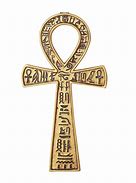
Ma’at is usually depicted in the form of a woman seated or standing with outstretched wings attached to both her arms. In other instances she is seen holding a scepter in one hand and an ankh (the symbol of life) in the other. Her statue was a stone platform depicting a stable foundation on which order was built. A common symbol associated with her is an ostrich feather, which she is almost always shown as wearing in her hair. Often, the Feather of Ma’at was a distinctive feature of her headdress. Less frequently images of the goddess showed her without a head, instead replaced by the feather. In other images the feather alone conveyed her presence. This feather has come to symbolize her being, as well as the representation of balance and order, it became a hieroglyph for “truth.”
Ma’at was associated with the law in ancient Egypt. From the 5th dynasty (c. 2510-2370 BC) onwards, the Vizier responsible for justice was called the Priest of Maat and in later periods judges wore images of her. The ‘Spirit of Maat’ was embodied by the chief judge in charge of the Egyptian law courts. He had a dual role, serving as both a priest and working directly in the law courts and justice system. The “Priest of Ma’at” began court hearings whilst wearing the feather of Ma’at and all other court officials wore small golden images of the goddess as a sign of their judicial authority, also as a symbol that their judgement would be balanced and fair. Priests drew the Feather of Ma’at on their tongues with green dye, so that the words they spoke were truth. The priest would rule on the earthly punishment according to the nature of the law that had been broken. Punishments included imposing fines, corporal punishment and in extreme cases capital punishment. It was considered a crime against Ma’at if a person engaged in jealousy, dishonesty, gluttony, laziness, injustice, and ungratefulness. The guilty Egyptian was deemed to have violated the Spirit of Ma’at and would face a further judgment in the Underworld during the ceremony of justification in the Hall of the Two Truths. The ‘Spirit of Ma’at’ detailed in the wisdom literature contained practical guidance with examples and some rules applied in previous law cases. These kinds of instructional texts have been described as “Ma’at Literature”.
The Book of the Dead is a collection of funerary texts and spells from ancient Egypt designed to assist a person’s journey through the underworld, into the afterlife. Without these spells, it was believed a person could not proceed. In the book is a spell called the “Forty-Two Declarations of Purity” or the “Negative Confessions”. This spell is comprised of confessions the tomb owner believed he committed throughout his life. It was believed that any crimes committed against Ma’at should be written down as they could easily be forgiven. In the Hall of Ma’at is where the judgement of the dead was performed in which Ma’at played an important role. The ceremony, called the “Judgment of Osiris,” was named after Osiris, the god of the dead. When the dead were judged, it was the feather of Ma’at that their hearts were weighed against. If a balanced scale was struck, the deceased was deemed worthy to meet Osiris in Paradise. The weightlessness of their hearts indicated that their souls were not burdened with sin and evil. If the heart of the deceased was found to be heavier than the feather of Ma’at, it would be devoured by Ammit, the soul-eating monster depicted with the head of a crocodile, the forequarters of a lion and the hindquarters of a hippopotamus. Other gods in the judgement hall who were part of the tribunal overseeing the weighing of the heart were also pictured holding a feather but the scales always represented Ma ́at.
Ancient Egyptians worshipped many gods, one was certainly Ma’at, although Egyptian archaeologists now believe she was perhaps more of a concept or an ideal. It’s reasonable to assume her principles aided the people of Egypt in being better individuals and that she could be compared to the conscience of a person. There was a small temple dedicated to Ma’at by Hatshepsut, the fifth pharaoh of the Eighteenth dynasty of Egypt, Egypt’s first female pharaoh, at the Karnak temple complex in Luxor Egypt. Largely in ruins, it still preserves inscriptions of some of the viziers of Ramesses III and XI. A previous Ma’at temple existed in this area, indicated by reliefs and stelae belonging to the reign of Amenhotep III. The temple is inside the Precinct of Montu, the smallest of three enclosures at Ipet-Isut.
Ma’at
Ma’at (pronounced may-et) is the ancient Egyptian goddess of truth, justice, harmony, and balance (a concept known as ma’at in Egyptian) who first appears during the period known as the Old Kingdom (c. 2613 – 2181 BCE) but no doubt existed in some form earlier. She is depicted in anthropomorphic form as a winged woman, often in profile with an ostrich feather on her head, or simply as a white ostrich feather. The feather of Ma’at was an integral part of the Weighing of the Heart of the Soul ceremony in the afterlife where the heart of the soul of the dead person was weighed in the scales of justice against the feather. Historian Margaret Bunson writes:
She maintained a vital role in the mortuary rituals of Egypt where she weighed the hearts of the deceased. This mortuary role evolved over the decades into the principle of ma’at, the desired right attitude, which remained the ethical and moral foundation of the Egyptian people. (152)
NAME & SIGNIFICANCE
Ma’at is said to have been born of the sun god Ra (Atum) at the beginning of creation through the power of Heka, who was magic personified. Her name means “that which is straight” implying order, justice, and harmony. She is thought to have been present from the beginning of time when, from the primordial waters of Nun, the ben-ben (first mound of dry land) rose with Atum (or Ra, the sun god) standing upon it in the presence of the invisible Heka. In the moment that Ra spoke the world into creation, Ma’at was born. Her spirit of harmony and balance infused the creation and caused the world to operate rationally according to purpose. The principle of ma’at was the operational function of life and that of heka (magic) the power source which allowed for it. It is for this reason that she is considered more of a concept than a goddess with a specific personality and story like Isis or Hathor. Ma’at’s spirit is the spirit of all creation, and if one is in tune with that spirit, one will live well and have good reason to hope for eternal peace in the afterlife; if one refused to live in accordance with the principles of Ma’at, then one suffered the consequences which one would have brought upon one’s self. Margaret Bunson comments on this, writing:
Ma’at was the model for human behavior, in conformity with the will of the gods, the universal order evident in the heavens, cosmic balance upon the earth, the mirror of celestial beauty. Awareness of the cosmic order was evident early in Egypt; priest-astronomers charted the heavens and noted that the earth responded to the orbits of the stars and planets. The priests taught that mankind was commanded to reflect divine harmony by assuming a spirit of quietude, reasonable behavior, cooperation, and a recognition of the eternal qualities of existence, as demonstrated by the earth and the sky. All Egyptians anticipated becoming part of the cosmos when they died, thus the responsibility for acting in accordance with its laws was reasonable. Strict adherence to ma’at allowed the Egyptians to feel secure with the world and with the divine plan for all creation. (152)
Her importance is signified by one of the means by which the Egyptians wrote her name. Although she was often identified by the feather symbol, she was also designated by a plinth. The plinth was commonly seen below the thrones of deities but not used to relay their personal names. The fact that Ma’at was signified by a plinth suggests, according to Egyptologist Geraldine Pinch, that Ma’at was considered the foundation upon which Egyptian society was built (160). Her significance is also demonstrated in iconography showing her constantly at the side of Ra in his heavenly barge sailing with him across the sky during the day and helping him defend the boat against the serpent Apophis by night.
The ancient Egyptians also invoked her name in stories of a long-lost past on earth when all things were beautiful and there was no injustice. Such stories usually have to do with the time of Osiris and Isis and their just and benevolent rule of the earth before Osiris was murdered by Set. In some cases, though, it is Ma’at who rules the earth alone as Pinch notes:
Egyptian myths of a golden age included a period when Ma’at was ruler of earth. She was sometimes said to have withdrawn to the heavens because she was grieved by the wicked behavior of humanity. Ma’at could still be thought of as living with an individual like his or her good angel and accompanying that person into the afterlife. Eventually “joining Ma’at” became a euphemism for dying. (160)
It is in her mortuary role that Ma’at is best known to most people in the modern day. One of the most iconic images of ancient Egypt is the ceremony known as The Weighing of the Heart of the Soul in which Ma’at and her white feather of truth were most important.
MA’AT’S WHITE FEATHER OF TRUTH
The Egyptians believed strongly that every individual was responsible for his or her own life and that life should be lived with other people and the earth in mind. In the same way that the gods cared for humanity, so should humans care for each other and the earth which they had been provided with. This philosophy is evident in every aspect of Egyptian culture from the way they constructed their cities to the balance and symmetry of their temples and monuments. If one lived harmoniously in the will of the gods, then one was living in harmony with the concept of ma’at and the goddess who embodied that concept. One was free to live however one wanted, of course, and completely ignore the principle of ma’at, but eventually one would face the trial which awaited everyone: judgment in the Hall of Truth (also known as The Hall of Two Truths) in the afterlife. Wilkinson comments on this:
Her role was multifaceted but embraced two major aspects. On the one hand, Ma’at represesnted the universal order or balance – including concepts such as truth and right – which was established at the time of creation. This aspect is the basis of her relationship with Ra – for she is the order imposed upon the cosmos created by the solar demiurge and as such is the guiding principle who accompanied the sun god at all times…As a natural corollary of her identity with right balance and harmony Ma’at also actively represented the concept of judgement. In the Pyramid Texts the goddess appears in this role in dual form as ‘the two Ma’ats’ judging the deceased king’s right to the thrones of Geb [the rule of the earth] and in the later funerary literature it is in the Hall of the Two Truths (the dual form of Ma’at) that the judgment of the deceased occurs. The gods themselves, acting as the judges of the divine tribunal, are called ‘the council of Ma’at.’ (150)
To the Egyptians, the soul consisted of nine separate parts: the Khat was the physical body; the Ka one’s double-form; the Ba a human-headed bird aspect which could speed between earth and the heavens; Shuyet was the shadow self; Akh the immortal, transformed self; Sahu and Sechem aspects of the Akh; Ab was the heart, the source of good and evil; Ren was one’s secret name. All nine of these aspects were part of one’s earthly existence. When one died, the Akh (with the Sahu and Sechem) appeared before the god Osiris in the Hall of Truth and in the presence of the Forty-Two Judges to have one’s heart (Ab) weighed in the balance on a golden scale against Ma’at’s white feather of truth.
One would need to recite the Negative Confession (those actions one could honestly claim one had never committed in life) and then one’s heart was placed on the scale. If one’s heart was lighter than Ma’at’s feather, one waited while Osiris conferred with the Forty-Two Judges and the god of wisdom, Thoth, and, if considered worthy, was allowed to pass on through the hall and continue one’s existence in paradise; if one’s heart was heavier than the feather, it was thrown to the floor where it was devoured by the monster Ammut (the gobbler), and one then ceased to exist. No one could escape judgment, and the king of the land would have to stand before the scales of Ma’at and Osiris just as the lowest slave of field hand would also.
If one passed through judgment and avoided any of the pitfalls and traps set by demons and the forces of chaos, one arrived at The Field of Reeds, a paradise where one was greeted by those loved ones who had gone before and which was a mirror image of one’s life on earth. Margaret Bunson describes this afterlife:
Eternity itself was not some vague concept. The Egyptians, pragmatic and determined to have all things explained in concrete terms, believed that they would dwell in paradise, in areas graced by lakes and gardens. There they would eat the “cakes of Osiris” and float on the Lake of Flowers. The eternal kingdoms varied according to era and cultic belief but all were located beside flowing water and blessed with breezes, an attribute deemed necessary for comfort. The Garden of A’Aru was one such oasis of eternal bliss. Another was Ma’ati, an eternal land where the deceased buried a flame of fire and a scepter of crystal – rituals whose meanings are lost. The goddess Ma’at, the personification of cosmic order, justice, goodness, and faith, was the protector of the deceased in this enchanted realm, called Hehtt in some eras. Only the pure of heart, the uabt, could see Ma’at. (86-87)
In some images, the goddess is seen atop the scales at the moment of judgment and, in others, she is present near Osiris but she is always there even if only in the form of her feather placed on the scales. In the afterlife, she was thought to help those who had stood for her principles and lived their lives accordingly.
WORSHIP OF THE GODDESS
Although she was considered a very important deity, Ma’at had no temples and no official clergy (as was the case with Heka). She was honored by a small shrine set up in the temples of other gods. Even the one temple known to be erected in her honor by Queen Hatshepsut (1479-1458 BCE) was built within the temple precinct of the god Montu. The people venerated the goddess by living according to her principles and bringing whatever gifts they wanted to offer to her shrines in the temples of the other gods. Wilkinson writes,
Even the title ‘priest of Ma’at’ is often regarded as an honourific which may have been given to those who served as magistrates or who dispensed judicial decisions on her behalf and who apparently wore small golden images of the goddess as a sign of their judicial authority. (152)
The only “official” worship of Ma’at was when the king of Egypt made sacrifice to her upon ascending to the throne and “presented Ma’at” to the gods by offering a small image of her. In doing so, the king was asking for her help in maintaining divine balance in his rule. If the king could not achieve balance and promote harmony, then it was a clear sign that he was not fit to rule. Ma’at – and the vital concept she embodied – was crucial to the king’s success.
She was an important and all-pervasive figure in the Egyptian pantheon, even though very few stories are told of her and she had no temple or cultic following. The gods were said to live off Ma’at and, as the scholar Richard H. Wilkinson notes, most of the images of the king presenting Ma’at to the other gods at his coronation “are essentially identical to those in which the king presents food, wine, or other forms of sacrifice to the gods” (152). The gods would have, in fact, lived off Ma’at in that they were all bound by their own laws to observe harmony and balance and encourage those values in the human beings they cared for.
Temples to Ma’at were the temples of all the other gods because Ma’at was the underlying cosmic principle which made the lives of humans and gods possible. One worshiped the goddess Ma’at by living a life in accordance with the highest principles of justice, order, and harmony keeping in mind one’s neighbors and the earth one had been given to tend. Although goddesses like Hathor and Isis were more popular, and even eventually took on many of Ma’at’s attributes, she remained an important deity throughout Egypt’s history and defined the cultural values of the country for centuries.
__________________________________________
*First article*
By Bryan Hilliard
Published on Ancient Origins
References
“Ancient Egyptian Gods | Ma’at.” Ancient Egyptian Gods | Ma’at. http://www.kingtutone.com/gods/maat/
“Ma’at, Goddess of Egypt.” Egyptian Goddess Maat ***. http://www.landofpyramids.org/maat.htm
Seawright, Caroline. “Ma’at, Goddess of Truth, Balance, Order.” Ma’at, Ancient Egyptian Goddess of Truth and Order.
“Ancient Egypt: The Mythology – Feather.” Ancient Egypt: The Mythology – Feather. http://www.egyptianmyths.net/feather.htm
“Ancient Egypt: The Mythology – Ma’at.” Ancient Egypt: The Mythology – Ma’at. http://www.egyptianmyths.net/maat.htm
*Second article*
APA Style
Mark, J. J. (2016, September 15). Ma’at. Ancient History Encyclopedia. Retrieved from https://www.ancient.eu/Ma’at/
Chicago Style
Mark, Joshua J. “Ma’at.” Ancient History Encyclopedia. Last modified September 15, 2016. https://www.ancient.eu/Ma’at/.
MLA Style
Mark, Joshua J. “Ma’at.” Ancient History Encyclopedia. Ancient History Encyclopedia, 15 Sep 2016. Web. 13 Aug 2018.
License
Written by Joshua J. Mark, published on 15 September 2016 under the following license: Creative Commons: Attribution-NonCommercial-ShareAlike. This license lets others remix, tweak, and build upon this content non-commercially, as long as they credit the author and license their new creations under the identical terms.
Spell For Friday – Honey Sweetening Jar Spell Made Easy: MAGIC for Kindness
(YOU CAN COPY AND PASTE ANY SPELLS POSTED TO A DOCUMENT TO PRINT AND/OR SAVE ON YOUR COMPUTER)
Honey Sweetening Jar Spell Made Easy: MAGIC for Kindness
Sweetening spells use the power of Kitchen Magic to transform the qualities of certain ingredients 🍯 into a matching frequency.Sugar, honey, candy and chocolates are all good sweetening agents and powerful ingredients in this type of spells.
This is a sweetening jar with honey that will help you improve the relationship with your boss, a coworker, or someone in your family, in an easy and effective way.
A sweetening ritual is a spiritual exercise that may involve manipulating someone else’s behavior. Playing with other people’s free will is not always acceptable for Wiccans and other types of Witches.
Learn how to make a honey jar spell with easy ingredients. This witch bottle can act like a boss fix and improve a relationship.
What you’ll need
-
1 jar with lid
-
1 pink candle
-
Honey (if you don’t have honey, use sugar instead)
-
Paper
-
Pen or pencil
-
One of these herbs (fresh or dried): Bay leaf, Lavender, Cinnamon.
How to make a honey jar spell
- The jar you use must have a lid. You can use any type of jar, even a bottle, provided it has a lid that seals well.
- On the piece of paper, write the person’s full name.
- Take a pinch of the herb you chose and sprinkle it on top of the paper. Bay leaf, Lavender and Cinnamon all have purifying and protective qualities.
- Fold the paper once towards you and put it inside the jar.
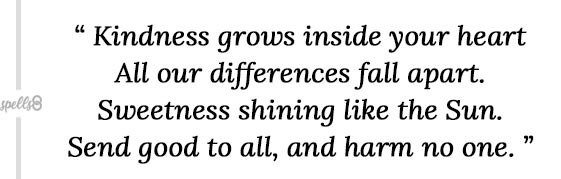
- Take a spoonful of honey and add it to the jar. Add another spoonful until it covers the paper entirely. Say the following spell:
- Seal the jar tightly. Place the pink candle on top of the lid and light it.
- Meditate upon the candle flame, visualizing the person sweetening their attitude toward you. Picture this person smiling, being kind, and paying attention to you.
- Never let candles burn unattended. If you leave the room, put out the candle and keep burning it once a week or whenever you feel like it. Once the candle is totally out, toss the remains of wax and keep the jar closed, stored in a dark place where nobody will touch it.
In a few days or weeks, you will notice the person is nicer to you. Once the results have manifested, the jar can be opened, the ingredients safely removed and disposed of.
Some of the Witchcraft/Magickal Correspondence for Friday
(YOU CAN COPY AND PASTE ANY COROSPONDENCES POSTED TO A DOCUMENT TO PRINT AND/OR SAVE ON YOUR COMPUTER)
Friday Source: moonlitpriestess.com
Celestial influence – Venus
Color correspondences – aqua, green, pink
Herb correspondences – lime, saffron, sandalwood, thyme
Misc. influences – love, friendship, social activities, strangers, pleasure, art, music, incense, and other scents (i.e. perfumes)

Friday Source: amagickalpath.co.uk
Planet – Venus
Spells/Magic – love, friendship, socialising, affection, harmony, relationships, reconciliation, beauty, romance.
Magical aspects: love, friendship, reconciliation, beauty
Oils – African Violet, Cherry, Lilac, Rose ,Opium Poppy, Patchouly,
Plants and Trees – adler tree,daisy,apple tree,aster,birch tree,blackberry,catnip,cherry tree,crocus,elderberry,feverfew,foxglove,geranium,goldenrod,hollyhock,lady`s mantel,lilac,mugwort,plumtree,rose,spiderwort,strawberry,tansy,thyme,vanilla,violet, yarrow, pansy.
Stones – Emerald, jade, malachite, rose quartz, torquoise
Colours – green, pink, white, rose, coral.
Metal – Coper
Energy Type – Female
Dieties – Friday takes its name from Frigga, the Goddess of Love and Transformation. She rules the spiritual aspects of people as they manifest on the physical. because of this, Friday is sometimes thought of as unpredictable.
Friday is the best time to deal with such matters as: Romantic Love, Friendship, Beauty, Soul-mates, Artistic Ability, Affection, Partners, Alliances, Grace, Luxury, Social Activity, Marriage, Decorating, Cosmetics, Gifts, Income, Gardening, Architects, Artists, Beauticians, Chiropractors, Dancers, Designers, Engineers, Entertainers, Fashion, Music, Painting, Poetry, Courtship, Dating, Household Improvements, Planning Parties, Shopping, Herbal Magick, Luck, Fertility, Physical Healing, Balance, Prosperity, Courage, Change, Material Things, Peace, Harmony, Relationships and Success.
24 August 2024 Current Moon Phase and Planetary Positions for the Southern Hemisphere

Source: MoonGiant.com
You can use this link to go forward or backward in time for Moon phase information. If you are curious, you can even find out what phase the Moon was in when you or anyone else was born.
The 8 Lunar Phases
There are 8 lunar phases the Moon goes through in its 29.53 days lunar cycle. The 4 major Moon phases are Full Moon, New Moon, First Quarter and Last Quarter. Between these major phases, there are 4 minor ones: the Waxing Crescent, Waxing Gibbous, Waning Gibbous and Waning Crescent. For more info on the Moon Cycle and on each phase check out Wikipedia Lunar Phase page.
Useful Moon Resources
Check the weather before a night of Moon gazing at weather.com
For a list of all the current meteor showers visit American Meteor Society
The Moon’s current phase for today and tonight is a Moon will be in a Waning Gibbous. During this phase the Moon can be seen in the early morning daylight hours on the western horizon. This is the first phase after the Full Moon occurs. It lasts roughly 7 days with the Moon’s illumination growing smaller each day until the Moon becomes a Last Quarter Moon with an illumination of 50%. The average Moon rise for this phase is between 9pm and Midnight depending on the age of the phase. The moon rises later and later each night setting after sunrise in the morning.
Visit the August 2024 Moon Phases Calendar to see all the daily moon phase for this month.
Today’s Waning Gibbous Phase
The Waning Gibbous on August 24 has an illumination of 71%. This is the percentage of the Moon illuminated by the Sun. The illumination is constantly changing and can vary up to 10% a day. On August 24 the Moon is 20.13 days old. This refers to how many days it has been since the last New Moon. It takes 29.53 days for the Moon to orbit the Earth and go through the lunar cycle of all 8 Moon phases.
Phase Details
Phase: Waning Gibbous
Illumination: 71%
Moon Age: 20.13 days
Moon Angle: 0.54
Moon Distance: 365,957.60 km
Sun Angle: 0.53
Sun Distance: 151,208,323.30 km
Illumination: 71%
Moon Age: 20.13 days
Moon Angle: 0.54
Moon Distance: 365,957.60 km
Sun Angle: 0.53
Sun Distance: 151,208,323.30 km
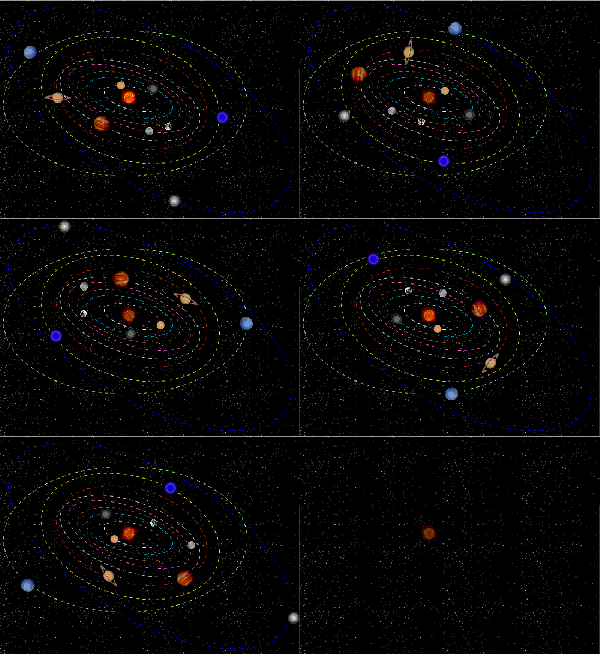
Source: currentplanetarypositions.com
Melbourne, Victoria, Australia
24 August 2024
02:00 am GMT 12:00 PM AEST
Zodiac: Tropical (Standard Western)
Sun:01 Virgo 25
Moon:01 Taurus 12
Mercury:22 Leo 52 Rx
Venus:23 Virgo 18
Mars:22 Gemini 44
Jupiter:18 Gemini 02
Saturn:17 Pisces 10 Rx
Uranus:27 Taurus 14
Neptune:29 Pisces 15 Rx
Pluto:00 Aquarius 10 Rx
Moon:01 Taurus 12
Mercury:22 Leo 52 Rx
Venus:23 Virgo 18
Mars:22 Gemini 44
Jupiter:18 Gemini 02
Saturn:17 Pisces 10 Rx
Uranus:27 Taurus 14
Neptune:29 Pisces 15 Rx
Pluto:00 Aquarius 10 Rx
True Lunar Node:07 Aries 06
Mean Lunar Node:08 Aries 23 Rx
Lilith (Black Moon):06 Libra 10
Chiron:23 Aries 11 Rx
Ceres:07 Capricorn 30 Rx
Pallas:25 Scorpio 53
Juno:04 Libra 52
Vesta:29 Leo 35
Eris:25 Aries 24 Rx
Fire:6
Earth:5
Air:5
Water:3
Earth:5
Air:5
Water:3
Cardinal:7
Fixed:6
Mutable:6
Fixed:6
Mutable:6

Cape Town, South Africa
24 August 2024
10:00 am GMT 12:00 PM SAST
Zodiac: Tropical (Standard Western)
Sun:01 Virgo 44
Moon:05 Taurus 59
Mercury:22 Leo 40 Rx
Venus:23 Virgo 42
Mars:22 Gemini 57
Jupiter:18 Gemini 05
Saturn:17 Pisces 08 Rx
Uranus:27 Taurus 14
Neptune:29 Pisces 14 Rx
Pluto:00 Aquarius 09 Rx
Moon:05 Taurus 59
Mercury:22 Leo 40 Rx
Venus:23 Virgo 42
Mars:22 Gemini 57
Jupiter:18 Gemini 05
Saturn:17 Pisces 08 Rx
Uranus:27 Taurus 14
Neptune:29 Pisces 14 Rx
Pluto:00 Aquarius 09 Rx
True Lunar Node:07 Aries 06
Mean Lunar Node:08 Aries 22 Rx
Lilith (Black Moon):06 Libra 12
Chiron:23 Aries 11 Rx
Ceres:07 Capricorn 30 Rx
Pallas:25 Scorpio 58
Juno:04 Libra 59
Vesta:29 Leo 44
Eris:25 Aries 24 Rx
Fire:6
Earth:5
Air:5
Water:3
Earth:5
Air:5
Water:3
Cardinal:7
Fixed:6
Mutable:6
Fixed:6
Mutable:6
Easter Island, Chile
24 August 2024
06:00 pm GMT 12:00 PM EAST
Zodiac: Tropical (Standard Western)
Sun:02 Virgo 03
Moon:10 Taurus 45
Mercury:22 Leo 30 Rx
Venus:24 Virgo 07
Mars:23 Gemini 09
Jupiter:18 Gemini 08
Saturn:17 Pisces 07 Rx
Uranus:27 Taurus 14
Neptune:29 Pisces 14 Rx
Pluto:00 Aquarius 09 Rx
Moon:10 Taurus 45
Mercury:22 Leo 30 Rx
Venus:24 Virgo 07
Mars:23 Gemini 09
Jupiter:18 Gemini 08
Saturn:17 Pisces 07 Rx
Uranus:27 Taurus 14
Neptune:29 Pisces 14 Rx
Pluto:00 Aquarius 09 Rx
True Lunar Node:07 Aries 07
Mean Lunar Node:08 Aries 20 Rx
Lilith (Black Moon):06 Libra 15
Chiron:23 Aries 10 Rx
Ceres:07 Capricorn 30 Rx
Pallas:26 Scorpio 03
Juno:05 Libra 06
Vesta:29 Leo 53
Eris:25 Aries 24 Rx
Fire:6
Earth:5
Air:5
Water:3
Earth:5
Air:5
Water:3
Cardinal:7
Fixed:6
Mutable:6
Fixed:6
Mutable:6
August 23, 2024 Current Moon Phase and Planetary Positions for the Northern Hemispheres
Source: MoonGiant.com
You can use this link to go forward or backward in time for Moon phase information. If you are curious, you can even find out what phase the Moon was in when you or anyone else was born.
The 8 Lunar Phases
There are 8 lunar phases the Moon goes through in its 29.53 days lunar cycle. The 4 major Moon phases are Full Moon, New Moon, First Quarter and Last Quarter. Between these major phases, there are 4 minor ones: the Waxing Crescent, Waxing Gibbous, Waning Gibbous and Waning Crescent. For more info on the Moon Cycle and on each phase check out Wikipedia Lunar Phase page.
Useful Moon Resources
Check the weather before a night of Moon gazing at weather.com
For a list of all the current meteor showers visit American Meteor Society
The Moon’s current phase for today and tonight is a Moon will be in a Waning Gibbous. During this phase the Moon can be seen in the early morning daylight hours on the western horizon. This is the first phase after the Full Moon occurs. It lasts roughly 7 days with the Moon’s illumination growing smaller each day until the Moon becomes a Last Quarter Moon with an illumination of 50%. The average Moon rise for this phase is between 9pm and Midnight depending on the age of the phase. The moon rises later and later each night setting after sunrise in the morning.
Visit the August 2024 Moon Phases Calendar to see all the daily moon phase for this month.
Today’s Waning Gibbous Phase
The Waning Gibbous on August 23 has an illumination of 81%. This is the percentage of the Moon illuminated by the Sun. The illumination is constantly changing and can vary up to 10% a day. On August 23 the Moon is 19.03 days old. This refers to how many days it has been since the last New Moon. It takes 29.53 days for the Moon to orbit the Earth and go through the lunar cycle of all 8 Moon phases.
Phase Details
Phase: Waning Gibbous
Illumination: 81%
Moon Age: 19.03 days
Moon Angle: 0.55
Moon Distance: 364,053.11 km
Sun Angle: 0.53
Sun Distance: 151,240,660.79 km
Illumination: 81%
Moon Age: 19.03 days
Moon Angle: 0.55
Moon Distance: 364,053.11 km
Sun Angle: 0.53
Sun Distance: 151,240,660.79 km
Source: currentplanetarypositions.com
London, England
23 August 2024
11:00 am GMT 12:00 PM BST
Zodiac: Tropical (Standard Western)
Sun:00 Virgo 48
Moon:22 Aries 08
Mercury:23 Leo 14 Rx
Venus:22 Virgo 32
Mars:22 Gemini 20
Jupiter:17 Gemini 57
Saturn:17 Pisces 12 Rx
Uranus:27 Taurus 13
Neptune:29 Pisces 16 Rx
Pluto:00 Aquarius 10 Rx
Moon:22 Aries 08
Mercury:23 Leo 14 Rx
Venus:22 Virgo 32
Mars:22 Gemini 20
Jupiter:17 Gemini 57
Saturn:17 Pisces 12 Rx
Uranus:27 Taurus 13
Neptune:29 Pisces 16 Rx
Pluto:00 Aquarius 10 Rx
True Lunar Node:07 Aries 05
Mean Lunar Node:08 Aries 25 Rx
Lilith (Black Moon):06 Libra 06
Chiron:23 Aries 12 Rx
Ceres:07 Capricorn 31 Rx
Pallas:25 Scorpio 44
Juno:04 Libra 39
Vesta:29 Leo 17
Eris:25 Aries 24 Rx
Fire:7
Earth:4
Air:5
Water:3
Earth:4
Air:5
Water:3
Cardinal:8
Fixed:5
Mutable:6
Fixed:5
Mutable:6
Chicago, Illinois
23 August 2024
05:00 pm GMT 12:00 PM CDT
Zodiac: Tropical (Standard Western)
Sun:01 Virgo 03
Moon:25 Aries 47
Mercury:23 Leo 05 Rx
Venus:22 Virgo 50
Mars:22 Gemini 30
Jupiter:17 Gemini 59
Saturn:17 Pisces 11 Rx
Uranus:27 Taurus 13
Neptune:29 Pisces 15 Rx
Pluto:00 Aquarius 10 Rx
Moon:25 Aries 47
Mercury:23 Leo 05 Rx
Venus:22 Virgo 50
Mars:22 Gemini 30
Jupiter:17 Gemini 59
Saturn:17 Pisces 11 Rx
Uranus:27 Taurus 13
Neptune:29 Pisces 15 Rx
Pluto:00 Aquarius 10 Rx
True Lunar Node:07 Aries 05
Mean Lunar Node:08 Aries 24 Rx
Lilith (Black Moon):06 Libra 08
Chiron:23 Aries 12 Rx
Ceres:07 Capricorn 31 Rx
Pallas:25 Scorpio 48
Juno:04 Libra 44
Vesta:29 Leo 24
Eris:25 Aries 24 Rx
Fire:7
Earth:4
Air:5
Water:3
Earth:4
Air:5
Water:3
Cardinal:8
Fixed:5
Mutable:6
Fixed:5
Mutable:6
Los Angels, California
23 August 2024
07:00 pm GMT 12:00 PM PDT
Zodiac: Tropical (Standard Western)
Sun:01 Virgo 08
Moon:26 Aries 59
Mercury:23 Leo 02 Rx
Venus:22 Virgo 56
Mars:22 Gemini 33
Jupiter:18 Gemini 00
Saturn:17 Pisces 11 Rx
Uranus:27 Taurus 13
Neptune:29 Pisces 15 Rx
Pluto:00 Aquarius 10 Rx
Moon:26 Aries 59
Mercury:23 Leo 02 Rx
Venus:22 Virgo 56
Mars:22 Gemini 33
Jupiter:18 Gemini 00
Saturn:17 Pisces 11 Rx
Uranus:27 Taurus 13
Neptune:29 Pisces 15 Rx
Pluto:00 Aquarius 10 Rx
True Lunar Node:07 Aries 05
Mean Lunar Node:08 Aries 24 Rx
Lilith (Black Moon):06 Libra 08
Chiron:23 Aries 12 Rx
Ceres:07 Capricorn 31 Rx
Pallas:25 Scorpio 49
Juno:04 Libra 46
Vesta:29 Leo 26
Eris:25 Aries 24 Rx
Fire:7
Earth:4
Air:5
Water:3
Earth:4
Air:5
Water:3
Cardinal:8
Fixed:5
Mutable:6
Fixed:5
Mutable:6
August 23, 2024 Daily Horoscopes
Click here to read Georgia Nicols Daily, Weekly and Monthly Horoscopes
Click here for Anyone’s Birthday or Daily or Monthly Horoscopes Source: thehoroscope.co
Moon Alert
Caution! Avoid shopping or important decisions from 8:15 AM to 8:15 PM EDT today (5:15 AM to 5:15 PM). After that, the Moon moves from Aries into Taurus.
Aries (March 21-April 19)
A productive day! In particular, financial work will go well today. This is a good day to reorganize things so that your work flows more smoothly. Nevertheless, old flames might come back in your world in a playful way. Expect a surprise.
Taurus (April 20-May 20)
Things will flow smoothly for you today. The Moon is in your sign dancing nicely with the Sun, which makes you productive and sociable. Enjoy fun outings with romantic partners, kids and creative people. You might also repair something or entertain old friends at home.
Gemini (May 21-June 20)
You’re full of ideas today because you have lots of mental energy. You might also run into past acquaintances, which will be entertaining for you. Family issues, especially with parents, might be a focus today. Good day to redecorate at home and entertain.
Cancer (June 21-July 22)
Enjoy schmoozing with friends and members of groups today. You have lots of energy to meet others, plus, you’re in a good mood and happy with your surroundings. You might wrap up some financial matters that have been lingering. Resist the urge to buy something you’ve been wanting to get. See Moon Alert.
Leo (July 23-Aug. 22)
You’re high viz. today, which is good news because people admire you. Many of you will be involved with friends and ex-partners from your past today. Or perhaps, you’re in touch with a member of a group once again? Write down your moneymaking ideas; but wait until tomorrow to buy something beautiful.
Virgo (Aug. 23-Sept. 22)
This is a strong day for you because the Sun in your sign is dancing beautifully with the Moon, which helps you to be productive and get things done. You might take charge. If you do, you will be tactful and charming because Venus is in your sign.
Libra (Sept. 23-Oct. 22)
Travel discussions with someone younger, especially about prior plans might take place today. This will suit you because you have a strong desire to go someplace and be adventurous. However, countering this, you also want to relax and be low-key. It’s your call.
Scorpio (Oct. 23-Nov. 21)
This is a popular day, especially with creative, artistic types. You might also run into authority figures from your past – bosses, VIPs or even a parent. It’s a great day to schmooze with others be they friends or groups and organizations. “Come on in! The water’s fine!”
Sagittarius (Nov. 22-Dec. 21)
You make a great impression on others today, which is one of the reasons you will be productive. This is the perfect day to take over a project or take charge in some way. Someone close to you might help you, especially by doing the PR work or background research.
Capricorn (Dec. 22-Jan. 19)
This is a lovely day to socialize, especially with people from other backgrounds or different countries because you want to expand your experience of the world. However, you will also accomplish a lot because you’re willing to work to get things done. It’s a win-win day!
Aquarius (Jan. 20-Feb. 18)
Discussions about social events, activities with children as well as anything to do with vacations, the entertainment world and the hospitality industry will go well today. In particular, you might talk about funding and where to get equipment and resources.
Pisces (Feb. 19-March 20)
Enjoy schmoozing with partners and close friends as well as members of the general public today. Partnerships will be supportive. This is also a productive day for you because you’re in the right frame of mind to wrap up old business.
If Your Birthday Is Today
Actor, director Scott Caan (1976) shares your birthday today. You’re energetic, focused and hard-working. You have an excellent eye and are good with details. Your inquiring mind doesn’t take things for granted: you’re satisfied by determining your own truth. Take time to enjoy yourself this year! Let your hair down! It’s time to nurture your happiness.

Aries (March 21-April 19)
It seems that this Friday your interests and what you have to do are fighting a complicated battle and you have no idea where you should actually position yourself.
And as per your usual self, there is no way you will make them meet in the middle and you really expect someone to help you make a choice between either. Well, this is not going to happen so learn to compromise.
You can also read this special Aries Daily Horoscope.
Taurus (April 20-May 20)
Not struggling in any way to please others but at the same time not doing an effort to be happy with yourself and you are still wondering why you don’t feel good?
Well, you are too moody now and either it will take someone to wake you up out of this, but won’t be pleasant, or you need to try and find reasons to cling to.
You can also read this special Taurus Daily Horoscope.
Gemini (May 21-June 20)
Being mindful of those around you is something that you usually do but it seems like this Friday you are so head over heels with something you have long wanted to be involved in that you kind of forget about anyone else.
This might pose a risk to the wellbeing of your family and transform a peaceful end of the working week into a fumigating dispute.
You can also read this special Gemini Daily Horoscope.
Cancer (June 21-July 22)
You are very focused on your partner but you kind of overlook your friends and when you will figure this out, you will turn to 180 degrees and then you will offend your partner while trying to make your friends happy.
So, as you can see, neither goes well. You might need to find a way to compromise for a bit and mix everything together.
You can also read this special Cancer Daily Horoscope.
Leo (July 23-Aug. 22)
The current disposition prompts you to spend more time at home but it appears like the more you are pushed in a direction, the more you will want to go the opposite so who knows really what is going to happen to you eventually.
Other than that, I would suggest you to be careful with your health because there might be some things troubling you.
You can also read this special Leo Daily Horoscope.
Virgo (Aug. 23-Sept. 22)
Starting with this Friday, you are increasingly more interested in the romantic aspects of your life rather than on what is going on at work or even with other members of your family.
And maybe some natives are chasing something, a dream, an image, a perspective and even them, they aren’t clear in their intentions or wishes.
You can also read this special Virgo Daily Horoscope.
Libra (Sept. 23-Oct. 22)
You will see this Friday reshaping in many ways for the duration of the waking hours you will have.
This doesn’t have to have a bad or an extremely good connotation but surely it is here to teach you a lesson and to show you some things that you don’t really get the chance to see in an ordinary day so be mindful of that.
You can also read this special Libra Daily Horoscope.
Scorpio (Oct. 23-Nov. 21)
Some sort of humanitarian opportunity might show up for you this Friday whether we are talking about you simply donating something and helping from afar or about you actually getting involved with something.
You are very caring to those around you and ready in the middle of the action whenever requested.
You can also read this special Scorpio Daily Horoscope.
Sagittarius (Nov. 22-Dec. 21)
This is going to be an auspicious time for all sorts of activities that are close to meditation and to you analyzing how you actually feel, beyond any exterior intervention.
At the same time, maybe it would be wise to stay further from the past and more focused on the present in this exercise of yours as to ensure it is going to be successful.
You can also read this special Sagittarius Daily Horoscope.
Capricorn (Dec. 22-Jan. 19)
It is expected that you will feel a lot better during the second half of the day as your program is gradually clearing off.
In the morning you will be extremely stressed with small things that you won’t even be able to see beyond this, to a bigger picture that doesn’t seem to look bad at all and is quite accomplishing.
You can also read this special Capricorn Daily Horoscope.
Aquarius (Jan. 20-Feb. 18)
You really feel as if something, very small indeed but very important is missing from this mix your life is at the moment and you would kind of do anything to find out what that is all about.
But then you are still holding off for some things and neither do you understand why you are in this complaining mood all the time.
You can also read this special Aquarius Daily Horoscope.
Pisces (Feb. 19-March 20)
You will be somewhat tested this Friday in regard to whether you are able to remain faithful to your principles or you are just ready to swing in a different boat if given the attractive occasion.
So take a closer look at all temptations and think for yourself whether those are really worth the trouble or the later disappointment.
You can also read this special Pisces Daily Horoscope.
Gods – Ra Egyptian Sun God

Ra The Sun God of Egypt
The ancient Egyptians revered Ra as the god who created everything. Also known as the Sun God, Ra was a powerful deity and a central god of the Egyptian pantheon. The ancient Egyptians worshiped Ra more than any other god and pharaohs often connected themselves with Ra in their efforts to be seen as the earthly embodiment of the Sun God.
Ra Mythology
The ancient Egyptians believed that as the sun god, Ra’s role was to sail across the heavens during the day in his boat called the “Barque of Millions of Years.” In the morning when Ra emerged from the east, his boat was named, “Madjet” which meant “becoming strong.” By the end of the day the boat was called, “Semektet” which meant “becoming weak.” At the end of the day, it was believed that Ra died (swallowed by Nut) and sailed on to the underworld, leaving the moon in his place to light up the world. Ra was reborn at dawn the very next day. During his journey across the heavens during the day, he fought with his main enemy, an evil serpent named Apep, or also, The Lord of Chaos. In some stories, Ra, in the form of a cat named Mau, defeats the evil serpent, Apep. This is part of the reason why cats are so highly-revered in Egypt.
Ra created himself from the primordial chaos. He is also known as Re and Atum. His children are Shu, the God of Dry Air and Father of the Sky, and his twin sister Tefnut, the Goddess of Moisture and Wetness. As a lion-headed goddess, Tefnut is responsible for dew and freshness. Humans were created from Ra’s tears.
Although Ra was highly revered and devoutly worshiped by the ancient Egyptians, there is a story to suggest he eventually grew weak. In the Legend of Ra, Isis and the Snake, as Ra grew old, he dribbled saliva. Isis knew that Ra’s power was hidden in his secret name. Isis gathered Ra’s saliva and created a snake out of it. She set the snake in Ra’s path and it bit him. Isis wanted the power Ra had always enjoyed, but she knew she had to get him to tell her his secret name. Eventually, because of the pain he was in, Ra allowed Isis to “search through him” and in so doing, she healed him and Ra’s power was transferred over to her.
The Tree of Life is an important religious symbol to the Egyptians. The Tree of Life was located within Ra’s sun temple in Heliopolis and was considered sacred. The fruit that sprang from this tree was not available to humans, but only in aging-rituals reserved for pharaohs. The Tree of Life is also referred to as the mythical, sacred Ished tree. Eternal life came to those who ate the fruit from the Tree of Life.
Another important ancient Egyptian symbol connected to Ra is the “Bennu”. Bennu is the name of the bird that represented Ra’s soul. This bird is a phoenix and it was seated at the Tree of Life in Ra’s Sun Temple in Heliopolis. Inside the temple, on top of an obelisk, sat the Benben Stone. This pyramid-shaped stone served as a beacon to Bennu and is also an important ancient Egyptian religious symbol.
Worship of the Sun God
Solar temples were built for Ra but did not contain a statue of the god. Instead, they were created to be open to the sunlight that Ra represented. The earliest known temple built in honor of Ra exists in Heliopolis (what is now a Cairo suburb). This solar temple is known as “Benu-Phoenix” and is believed to have been erected in the exact spot where Ra emerged into creation.
Although Ra dates back to the second dynasty, he is not the oldest of the Egyptian gods. It wasn’t until the fifth dynasty that Ra became closely associated with the pharaoh. As the king and leader of Egypt, the pharaoh was seen as the human manifestation of Horus, so the two gods became connected. This new deity fusion was then referred to as “Ra-Horakhty” meaning Ra is Horus of the Horizon. Ra’s relationship with other gods did not stop there. As the powerful creator of mankind and the sun god, he also became associated with Atum to make “Atum-Ra.”
Fifth Dynasty and subsequent pharaohs were all known as “The son of Ra” and Ra became incorporated into every pharaoh’s name from then onward. During the Middle Kingdom, the new deity, Amun-Ra was formed. Amun was one of the gods who formed the Ogdoad (the assembly of eight gods who represented eight elements of creation).
The New Kingdom brought new heights of worship to Ra. Many tombs in the Valley of the Kings portray depictions of Ra and his journey through the underworld. During this time, many solar temples were built.
Eye of Ra
Present in the ancient Egyptian mythology is the Eye of Ra, shown as the sun disk with two ‘uraeus’ cobras coiled around it, next to the white and red crowns of Upper and Lower Egypt. Initially associated with Horus (similarly to the wadjet, the Eye of Horus), the Eye of Ra shifted positions in the myths, becoming both an extension of Ra’s power and a separate entity altogether.
Click here to learn more about The Eye of Ra
Ra God Facts
- The ancient Egyptians worshiped Ra to such an extent above other gods that some historians have argued that ancient Egyptian religion was indeed a monotheistic one with Ra as the singular god.
- Historians believe that the pyramids might represent rays of sunlight, further connecting the pharaohs with Ra, the sun god.
- During Ra’s journey through the heavens he was accompanied by several other gods including Thoth, Horus, Hathor, Maat, Abtu, and Anet.
- Nut, goddess of the sky and heavens, is sometimes referred to as Ra’s mother, because he emerges from her and is reborn every morning.
- The morning manifestation of Ra is known as “Khepri the scarab God.”
- The evening manifestation of Ra is known as the ram-headed god, Khnum.
- The sacred cobra that encircled Ra’s crown symbolized royalty, sovereignty and divine authority.
- The right eye of Ra represented the Sun; while the left eye of Ra represented the moon.
- Ra is also closely associated with the Tree of Life myth, the Ben-Ben Stone and the Bennu Bird myths.
- Ra’s glory came to an end during the time when the Roman’s conquered Egypt in 30BC.
Who is Ra?
Ra (pronounced ray) represents sunlight, warmth and growth. It was only natural that the ancient Egyptians would believe him to be the creator of the world, as well as part of him being represented in every other god. The ancient Egyptians believed that every god should illustrate some aspect of him, while Ra himself should also represent every god.
Ra’s Appearance
Ra was usually depicted in human form. He had a falcon head which is crowned with a sun disc. This sun disc was encircled by a sacred cobra named Uraeus. Ra has also been depicted as a man with the head of a beetle and also a human man with the head of a ram. The ancients also depicted Ra in full species form such as a serpent, heron, bull, lion, cat, ram, hawk, beetle, phoenix and others. His main symbol, however, is the sun disk.
 Witches Of The Craft®
You must be logged in to post a comment.