Source: www.holidayscalendar.com
For whatever reason this calendar does not include Pagan holidays.

For whatever reason this calendar does not include Pagan holidays.
Starts at: 0 degrees Aquarius
Enters Capricorn: June 11, 2023
Ends at: 27 degrees Capricorn
Signs most impacted: Scorpio, Capricorn, Aquarius
This is the first retrograde with Pluto in Aquarius, and we’re focusing on major transformations that impact our future. We’re not just hoping and dreaming. We’re acting thanks to Pluto.
Major changes may have already begun by then, and Pluto retrograde can allow us to adjust to some of this. Some developments may have come out of nowhere, and we have to be flexible.
With the retrograde bringing back Pluto in Capricorn, this can bring some energy back to transforming our institutions, governments, and structures all around us. This has been a big focus for over a decade, and Pluto at the end of Capricorn gives us one last shot and helps us to wrap things up and get it done.
Starts at: 7 degrees Pisces
Ends at: 0 degrees Pisces
Signs most impacted: Capricorn, Pisces
The Saturn retrograde for 2023 comes entirely in Pisces, a new sign for Saturn.
Saturn retrograde can be quite karmic, and Pisces is a karmic sign, so this can be a highly karmic period where we’re not only in tune with the subtle energies around us but also more aware of the path we should be on.
This Saturn retrograde can be excellent for releasing karmic baggage, energetic sludge, and emotional issues. Pisces is the last sign of the zodiac and is associated with endings, so take time to reflect and be introspective, connect to your subconscious, and see what you can let go of.
Starts at: 27 degrees Pisces
Ends at: 24 degrees Pisces
Signs most impacted: Pisces
Neptune retrograde is a time for notorious fog, and that’s been even stronger with Neptune in Pisces, the sign it naturally rules. It can be difficult to see what’s right in front of us, and we may not think things through carefully enough.
Since Saturn is also in Pisces for this Neptune retrograde, karmic energy can be super strong. We can all become much more aware of this, and there can be karmic events, fated developments, and encounters.
Starts at: 19 degrees Aries
Ends at: 15 degrees Aries
Signs most impacted: Aries
Chiron is the wounded healer in astrology, showing the wounds we have and how we can heal and grow from them. Chiron retrograde is a helpful time for focusing on blocks to healing and growth, and we can find those blocks and work on removing them.
Chiron retrograde is a quieter time of introspection and reflection, and we can turn inward, trying to understand. Chiron retrograde in Aries can focus on our identity, and we can take initiative to make improvements and take control of our growth.
Note that this retrograde begins the day after Venus retrograde starts, so old love wounds may get extra focus.
Starts at: 23 degrees Taurus
Ends at: 19 degrees Taurus
Signs most impacted: Taurus, Aquarius
Uranus is the planetary ruler of change, so Uranus retrograde actually slows this down, and we have a chance to adjust and let the changes that have already occurred absorb. The problem is we can get restless with the slowing, which can make us lash out or become rebellious.
Taurus means the changes likely impact our values, what we feel is worth something, and stability and security. Be smart with your plans for changes, and take small steps.
Note that Uranus is also retrograde to start 2023! Until January 22, so we have some of this effect going into 2023 as well.
Starts at: 15 degrees Taurus
Ends at: 5 degrees Taurus
Signs most impacted: Taurus, Sagittarius
This entire Jupiter retrograde occurs in Taurus, and Jupiter in Taurus helps us focus on improving stability, security, and confidence. Jupiter retrograde in Taurus can make us more stubborn and stuck, and we have to work on being more flexible since we may not be as open to opportunities to change that.
Jupiter retrograde can be karmic in nature, like Saturn and Neptune, but with less fog and lessons. It can be easier to connect to your subconscious mind and work through baggage.
The November 29th, 2023 Lunar Eclipse is widely conjunct Jupiter, and Jupiter direct will trigger that eclipse, so there can be significant developments related to finances, resources, stability, and values.
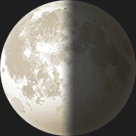 Last Quarter October 6 13:47 UTC |
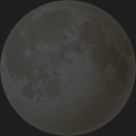 New Moon October 14 17:55 UTC |
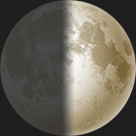 First Quarter October 22 03:29 UTC |
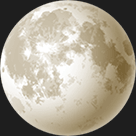 |
The Full Moon for this month will occur later in the month on Saturday, October 28th. The New Moon is earlier in the month on Saturday, October 14th.
October’s full moon is commonly called the Hunter’s Moon, harkening back to European and Native American traditions where hunters would use the light of the full moon to track down their prey and stock up for the coming winter. Contrary to popular belief, the Hunter’s Moon isn’t actually bigger or brighter than usual. It simply rises earlier, soon after sunset, which would give hunters plenty of bright moonlight to hunt by during the early evenings. To Neo Pagans, however, the Hunter’s Moon is known by a far more morbid name – the Blood Moon.
Humans through the ages have always found autumn’s full moons to be creepy, and not without good reason. There’s a reason why English folks in the Middle Ages called October’s full moon the Blood Moon, and it’s the exact same reason why even Halloween imagery today often features a large, low-hanging moon with an eerie reddish glow. The Hunter’s Moon rises early in the evening, which means that you are more likely to see it near the horizon. When you observe the moon while it’s near the horizon, it gives off the illusion of being bigger while it’s in fact the same size. In addition, observing the moon at the horizon makes it look redder. This is because you’re seeing it through a thicker atmosphere, which scatters more blue light and lets more red light pass through to reach your eyes.
Scientific explanations aside, the Hunter’s Moon or Blood Moon still holds an undeniable aura of mystique and power. As October’s full moon occurs right before Samhain, the Gaelic mid-autumn festival that has evolved into Halloween today, Neo Pagans consider the month of the Blood Moon to be a special time denoting the change of seasons and a prime opportunity to contact dead loved ones, given the thinning of the veil between the physical world and the spiritual world. Precious stones such as amethyst are used to ward off evil, and sacred flowers like chrysanthemum are used when working with spirits, such as in rituals to commune with long-dead ancestors.
Despite the Blood Moon’s spooky associations, it rarely actually happens on Samhain or Halloween night itself. The next time you’ll get to see the full moon on Halloween is 2020, and if you miss that, you’ll have to wait 15 years to see it in 2035. Sometimes, October’s full moon even happens early enough in the month that it becomes the Harvest Moon, which is defined as the full moon that’s closest to the fall equinox. In Chinese culture, the Harvest Moon is celebrated during the Mid-Autumn Festival, where people gather to celebrate by eating mooncakes. There is also a harvest festival in India that celebrates October’s full moon, called Sharad Purnima. Devotees fast all day before offering delicacies to the Moon God under the moonlight.
In contrast to the day-long fast of India’s moonlight festival, the Hunter’s Moon was a very important feast day in Europe as well as for many Native American tribes. Appropriately, the Ponca tribe’s name for the Hunter’s Moon is “the moon when they store food in caches”. Taking advantage of the fact that the fields have been reaped, hunters would capture foxes and other small animals who come out to graze on the fallen grains, as well as hunt down deer in the moonlight. They would butcher their prey and preserve their meat. Blood Moon is an excellent name for this month’s full moon, given that it was a final, bloody harvesting of meat before the winter months.
Sadly, the tradition of feasting during the Hunter’s Moon was lost around the year 1700, but its spirit still lives on in historical reenactments like the Feast of the Hunter’s Moon, or even the feast of candy enjoyed by trick-or-treaters everywhere on Halloween.
Los Angeles,
San Francisco,
Vancouver
October 28, 2023
1:24pm PDT
Denver,
Salt Lake City,
Calgary
October 28, 2023
2:24pm MDT
Chicago,
Houston,
San Antonio
October 28, 2023
3:24pm CDT
New York,
Toronto,
Atlanta
October 28, 2023
4:24pm EDT
London,
Manchester,
Dublin
October 28, 2023
9:24pm BST
Paris,
Rome,
Berlin
October 28, 2023
10:24pm CEST
Athens,
Istanbul,
Helsinki
October 28, 2023
11:24pm EEST
Dubai,
Abu Dhabi,
Muscat
October 29, 2023
12:24am +04
Bangalore,
Mumbai,
New Delhi
October 29, 2023
1:54am IST
Singapore,
Kuala Lumpur
October 29, 2023
4:24am +08
Perth,
Hong Kong,
Beijing
October 29, 2023
4:24am AWST
Sydney,
Brisbane,
Melbourne
October 29, 2023
7:24am AEDT
OCT. 2: Feast of the Guardian Spirits—honoring spirit guides and helpers.
OCT. 4: Roman Jejunium Cereris: Fast Day for Ceres
OCT. 9-11: Feast of Divine Wisdom – Source of all knowledge, honoring God-Goddess as Odin-Frigg (Norse); and Goddess as Sophia/Wisdom (Christian), Truth/Maat (Egyptian), Metis (Greek), Sarasvati (Hindu), & Manat (Arabic-Sufi).
OCT. 13: Knights Templar Remembrance Day
Greek Thesmophorus: five-day women’s pilgrimage for Aphrodite as Goddess of Genetyllis (childbirth), Demeter as Mother of a beautiful child (Persephone), with revelry the first day, celebration the second, temple of Demeter the third, fast and mourning for Persephone the fourth, and rejoicing the fifth day.
Oct 18: English Great Horn Fair – Festival of Herne.
OCT. 18: Great Horn Festival—Horned God and Lady of the Wood invoked for the fertility of wild game and the Hunting Season.
OCT. 24: Raphaelmas, Feast of Archangel Raphael, whose name means, “The High One Heals.” Since 1970, the Catholic Church no longer recognizes this day for Raphael, ending more than a thousand years of tradition by opting to lump him in with Gabriel and Michael for a Feast of the Holy Archangels Day on Sept 29.
OCT. 24: Druid Feast for Spirits of Air
OCT. 26 – NOV. 2: Egyptian Zetesis and Heuresis search and recovery of Osiris by Isis.
– Isia – Egyptian festival recalling Set (God of Destruction) killing God Osiris; Goddess Isis mourning Him, resurrecting Him, and conceiving God Horus with Him; and Osiris becoming Lord of Amenta, land of the dead. He weighs souls against the Feather of Truth on Goddess Maat’s Scale of Justice, but defers to Isis for those who fail the test.
OCT. 31: Samhain / Hallowmas / Halloween – Celtic New Year and feast of Cerridwen (Goddess of Death) and Beli (the Holly King, God of the Waning Sun). Last Harvest; New Year, day when the veil between the worlds is thinnest (God enters the Goddess’ womb for rebirth, hence the tomb become the womb. Third Harvest—Root Harvest; All Hallows Ever: Dark God and Dark Goddess united in the Underworld allow spirit communication at this most holy [hallowed] time.
OCT: 31 – NOV. 2: Descent of Inanna – Sumerian fast recalling the descent of Inanna (Goddess of Life) to the Underworld. Ereshkigal (Goddess of Death and Rebirth) detained Her until She agreed to have Dumuzi (God of Life and Death) remain there each Winter.
– Fast of Hod – Norse fast marking Hod (blind God of Darkness) unintentionally killing Balder (God of Light), and devoted Nanna (Goddess of Flowers) dying of a broken heart.
Rising on Friday, Sept. 29, the Harvest Moon will be joined in the sky by our solar system’s two largest planets, Jupiter and Saturn, and its smallest, Mercury.
September’s full moon, known as the Harvest Moon, will rise on Friday, Sept. 29 — and it is a special one. Not only will it be the fourth successive supermoon of 2023, but it is also the final supermoon of the year, thus marking the end of a very supermoon summer.
Fittingly for such a special supermoon, the Harvest Moon will also be joined by a parade of planets in the sky, including the solar system’s largest worlds, Jupiter and Saturn, as well as its smallest, Mercury.
From New York City, the fully illuminated moon will rise at around 18:33 EDT (2233 GMT) and set the following day at around 06:52 EDT (1052 GMT), according to In the Sky. Following the full moon, which will be located in the Pisces constellation, the lunar face will recede, a process astronomers call “waning.” After that, Earth‘s natural satellite will head toward its next intriguing phase, turning into a completely dark new moon on Oct. 14, which will mark the start of a new 29.5-day lunar cycle.
The run of four consecutive supermoons began with the Full Buck Moon on July 3. This was followed by two supermoons in August, the Full Sturgeon Moon on Tuesday, Aug. 1, and the Full Blue Moon on Aug. 30..
Related: Night sky, September 2023: What you can see tonight [maps]
The term “supermoon” refers to full moons that happen around the time when the moon is closest to Earth in its orbit, an approach called perigee. This happens because the moon’s orbit around Earth is an ellipse rather than a perfect circle, meaning there are times when it falls further away from our planet and times when it comes closer.
The proximity of the moon during supermoons means the lunar disk can appear around 30% brighter and around 14% larger as seen from Earth compared to the appearance of the lunar face during “regular” full moons. These differences may be visible to moon-watchers with a lot of experience observing lunar events, but aren’t really that noticeable with the unaided eye to skywatchers who don’t often scrutinize the moon.
The moon will reach perigee in the evening of Wednesday, Sept. 27, at around 21:06 EDT (0106 GMT), two days before the Harvest Moon, according to NASA. By the time the moon’s fully illuminated face is turned toward Earth, it will be around 224,657 miles (361,552 kilometers) from our planet, according to eclipse expert and retired NASA astrophysicist Fred Espanak. This is opposed to the moon’s average distance from Earth, which falls around 238,000 miles (382,900 km).
However, this won’t be the closest or, therefore, brightest supermoon of 2023. During the Aug. 30 Full Blue Moon, the moon was around 222,043 miles (357,343 km) from Earth, according to Espanak.
The first planet to visit the final supermoon of 2023 on Saturday will be Saturn, the second-largest planet in the solar system, which will rise at around 17:18 EDT (2118 GMT) and will sit in the Aquarius constellation, according to In the Sky. Saturn’s fellow gas giant and the solar system’s largest planet, Jupiter, will rise at 20:17 EDT (0017 GMT). Jupiter will sit to the left of the Harvest Moon in the Aries constellation.
Mercury will be the last planet to pay the Harvest Moon a visit and will be the toughest to spot. The closest planet to the sun, Mercury is currently at its furthest from our host star. Though it appears in the morning sky, it disappears in the evening. On Saturday, the solar system’s smallest planet will rise at around 05:30 (0930 GMT). Mercury will share the sky with the full moon for just over an hour before the final supermoon of the year sets.
Skywatchers who miss the Harvest Moon will have to wait a while for the next supermoon, which will also be a Harvest Moon, rising on Sept. 18, 2024. This will be the first of two supermoons next year, with the second occurring a month later on Oct. 17, 2024.
If you are hoping to catch a look at the Harvest Moon, our guides to the best telescopes and binoculars are a great place to start.
If you’re looking to snap photos of the night sky in general, check out our guide on how to photograph meteor showers, as well as our best cameras for astrophotography and best lenses for astrophotography.
Editor’s Note: If you snap an image of the Harvest Moon and would like to share it with Space.com’s readers, send your photo(s), comments, and your name and location to spacephotos@space.com.

1) Moon Phase x Moon Zodiac Sign:
Please keep in mind, that Gardening by Moon Phase and Gardening by Moon Zodiac Sign are two different/independent biodynamic systems and they might give you different or contradictiory gardening recommendations.
Try to experiment with these two systems to find which recommendations suits you the most.
2) Tropical (Astrological) x Sidereal (Astronomical) Zodiac:
(1-2 days difference in Leaf, Fruit, Root and Flower days)
There are two different zodiacs for determining the Moon Sign:
Try to experiment also with these two zodiac systems to find which system suits you better.

| Date 2023 |
Moon Phase | Gardening by the Moon Phase |
Gardening by the Moon Zodiac Sign Tropical Zodiac (by Seasons) |
|||||
| Sep 1 Fri |
 |
Waning Gibbous | Sow/Plant: Below ground plants, especially Root plants Plant trees, shrubs and perennials – Harvest all crops |
|
||||
| Sep 2 Sat |
 |
Waning Gibbous | Sow/Plant: Below ground plants, especially Root plants Plant trees, shrubs and perennials – Harvest all crops |
|
||||
| Sep 3 Sun |
 |
Waning Gibbous | Sow/Plant: Below ground plants, especially Root plants Plant trees, shrubs and perennials – Harvest all crops |
|
||||
| Sep 4 Mon |
 |
Waning Gibbous | Sow/Plant: Below ground plants, especially Root plants Plant trees, shrubs and perennials – Harvest all crops |
|
||||
| Sep 5 Tue |
 |
Waning Gibbous | Sow/Plant: Below ground plants, especially Root plants Plant trees, shrubs and perennials – Harvest all crops |
|
||||
| Sep 6 Wed |
 |
Last Quarter | Sow/Plant: Below ground plants, especially Root plants Plant trees, shrubs and perennials – Harvest all crops |
|
||||
| Sep 7 Thu |
|
Last Quarter | Sow/Plant: Below ground plants, especially Root plants Plant trees, shrubs and perennials – Harvest all crops |
|
||||
| Sep 8 Fri |
 |
Waning Crescent | Barren phase: Time to rest. Avoid seed sowing – Harvest and store crops |
|
||||
| Sep 9 Sat |
 |
Waning Crescent | Barren phase: Time to rest. Avoid seed sowing – Harvest and store crops |
|
||||
| Sep 10 Sun |
 |
Waning Crescent | Barren phase: Time to rest. Avoid seed sowing – Harvest and store crops |
|
||||
| Sep 11 Mon |
|
Waning Crescent | Barren phase: Time to rest. Avoid seed sowing – Harvest and store crops |
|
||||
| Sep 12 Tue |
 |
Waning Crescent | Barren phase: Time to rest. Avoid seed sowing – Harvest and store crops |
|
||||
| Sep 13 Wed
|
|
Waning Crescent | Barren phase: Time to rest. Avoid seed sowing – Harvest and store crops Spraying days: Moon Opposition Saturn |
|
||||
| Sep 14 Thu |
 |
Waning Crescent | Barren phase: Time to rest. Avoid seed sowing – Harvest and store crops |
|
||||
| Sep 15 Fri |
 |
NEW MOON at 01:39 |
Time to rest, celebrate and meditate |
|
||||
| Sep 16 Sat |
 |
Waxing Crescent | Sow/Plant: Above ground annuals, especially Leaf plants also Cereals, Herbs, Cucumbers – Mow lawns (to increase growth) |
|
||||
| Sep 17 Sun |
|
Waxing Crescent | Sow/Plant: Above ground annuals, especially Leaf plants also Cereals, Herbs, Cucumbers – Mow lawns (to increase growth) |
|
||||
| Sep 18 Mon |
 |
Waxing Crescent | Sow/Plant: Above ground annuals, especially Leaf plants also Cereals, Herbs, Cucumbers – Mow lawns (to increase growth) |
|
||||
| Sep 19 Tue |
|
Waxing Crescent | Sow/Plant: Above ground annuals, especially Leaf plants also Cereals, Herbs, Cucumbers – Mow lawns (to increase growth) |
|
||||
| Sep 20 Wed |
 |
Waxing Crescent | Sow/Plant: Above ground annuals, especially Leaf plants also Cereals, Herbs, Cucumbers – Mow lawns (to increase growth) |
|
||||
| Sep 21 Thu |
 |
Waxing Crescent | Sow/Plant: Above ground annuals, especially Leaf plants also Cereals, Herbs, Cucumbers – Mow lawns (to increase growth) |
|
||||
| Sep 22 Fri |
 |
First Quarter | Sow/Plant: Above ground annuals, especially Leaf plants also Cereals, Herbs, Cucumbers – Mow lawns (to increase growth) |
|
||||
| Sep 23 Sat |
 |
Waxing Gibbous | Sow/Plant: Above ground annuals, especially Fruit plants also Cereals and Flowers – Mow lawns (to increase growth) |
|
||||
| Sep 24 Sun |
 |
Waxing Gibbous | Sow/Plant: Above ground annuals, especially Fruit plants also Cereals and Flowers – Mow lawns (to increase growth) |
|
||||
| Sep 25 Mon |
|
Waxing Gibbous | Sow/Plant: Above ground annuals, especially Fruit plants also Cereals and Flowers – Mow lawns (to increase growth) |
|
||||
| Sep 26 Tue |
 |
Waxing Gibbous | Sow/Plant: Above ground annuals, especially Fruit plants also Cereals and Flowers – Mow lawns (to increase growth) |
|
||||
| Sep 27 Wed |
 |
Waxing Gibbous | Sow/Plant: Above ground annuals, especially Fruit plants also Cereals and Flowers Optimum planting day (2 days before the Full Moon) – Mow lawns (to increase growth) |
|
||||
| Sep 28 Thu |
 |
Waxing Gibbous | Sow/Plant: Above ground annuals, especially Fruit plants also Cereals and Flowers Optimum planting day (2 days before the Full Moon) – Mow lawns (to increase growth) |
|
||||
| Sep 29 Fri |
 |
FULL MOON at 09:57 |
Time to rest, celebrate and meditate
Pick medicinal herbs and plants |
|
||||
| Sep 30 Sat |
|
Waning Gibbous | Sow/Plant: Below ground plants, especially Root plants Plant trees, shrubs and perennials – Harvest all crops |
|
||||
| Biodynamic Calendar – Icon Legend | |
 |
Leaf days (Water Element)
|
 |
Fruit days (Fire Element)
|
 |
Root days (Earth Element)
|
 |
Flower days (Air Element)
|
| Gardening by the Moon Phase – Legend | |
 |
NEW MOON
|
 |
NEW MOON PHASE
New Moon -» First Quarter (Waxing Crescent) – Moonlight is increasing – Strongest gravitational pull – Soil releases / Earth exhales / Energy draws UP into upper planets
|
|
FIRST QUARTER PHASE
First Quarter -» Full Moon (Waxing Gibbous) – Moonlight becomes stronger – Gravitational pull is a little less now – Soil releases / Earth exhales / Energy draws UP into upper planets
|
|
FULL MOON
|
|
FULL MOON PHASE
Full Moon -» Last Quarter (Waning Gibbous) – Moonlight is decreasing – Gravitational pull is decreasing – Soil absorbs / Earth inhales / Energy draws DOWN into the Roots
|
|
LAST QUARTER PHASE
Last Quarter -» New Moon (Waning Crescent) – Moonlight has decreased – Gravitational pull has decreased – Soil absorbs / Earth inhales / Energy draws DOWN into the Roots
|
| Moon Opposition Saturn | |
   |
SPRAYING DAYS
|

| Date 2023 |
Moon Phase | Gardening by the Moon Phase |
Gardening by the Moon Zodiac Sign Tropical Zodiac (by Seasons) |
|||||
| Sep 1 Fri |
|
Waning Gibbous | Sow/Plant: Below ground plants, especially Root plants Plant trees, shrubs and perennials – Harvest all crops |
|
||||
| Sep 2 Sat |
|
Waning Gibbous | Sow/Plant: Below ground plants, especially Root plants Plant trees, shrubs and perennials – Harvest all crops |
|
||||
| Sep 3 Sun |
|
Waning Gibbous | Sow/Plant: Below ground plants, especially Root plants Plant trees, shrubs and perennials – Harvest all crops |
|
||||
| Sep 4 Mon |
|
Waning Gibbous | Sow/Plant: Below ground plants, especially Root plants Plant trees, shrubs and perennials – Harvest all crops |
|
||||
| Sep 5 Tue |
|
Waning Gibbous | Sow/Plant: Below ground plants, especially Root plants Plant trees, shrubs and perennials – Harvest all crops |
|
||||
| Sep 6 Wed |
|
Last Quarter | Sow/Plant: Below ground plants, especially Root plants Plant trees, shrubs and perennials – Harvest all crops |
|
||||
| Sep 7 Thu |
|
Last Quarter | Sow/Plant: Below ground plants, especially Root plants Plant trees, shrubs and perennials – Harvest all crops |
|
||||
| Sep 8 Fri |
|
Waning Crescent | Barren phase: Time to rest. Avoid seed sowing – Harvest and store crops |
|
||||
| Sep 9 Sat |
|
Waning Crescent | Barren phase: Time to rest. Avoid seed sowing – Harvest and store crops |
|
||||
| Sep 10 Sun |
|
Waning Crescent | Barren phase: Time to rest. Avoid seed sowing – Harvest and store crops |
|
||||
| Sep 11 Mon |
|
Waning Crescent | Barren phase: Time to rest. Avoid seed sowing – Harvest and store crops |
|
||||
| Sep 12 Tue |
|
Waning Crescent | Barren phase: Time to rest. Avoid seed sowing – Harvest and store crops |
|
||||
| Sep 13 Wed
|
|
Waning Crescent | Barren phase: Time to rest. Avoid seed sowing – Harvest and store crops Spraying days: Moon Opposition Saturn |
|
||||
| Sep 14 Thu |
|
Waning Crescent | Barren phase: Time to rest. Avoid seed sowing – Harvest and store crops |
|
||||
| Sep 15 Fri |
|
NEW MOON at 01:39 |
Time to rest, celebrate and meditate |
|
||||
| Sep 16 Sat |
|
Waxing Crescent | Sow/Plant: Above ground annuals, especially Leaf plants also Cereals, Herbs, Cucumbers – Mow lawns (to increase growth) |
|
||||
| Sep 17 Sun |
|
Waxing Crescent | Sow/Plant: Above ground annuals, especially Leaf plants also Cereals, Herbs, Cucumbers – Mow lawns (to increase growth) |
|
||||
| Sep 18 Mon |
|
Waxing Crescent | Sow/Plant: Above ground annuals, especially Leaf plants also Cereals, Herbs, Cucumbers – Mow lawns (to increase growth) |
|
||||
| Sep 19 Tue |
|
Waxing Crescent | Sow/Plant: Above ground annuals, especially Leaf plants also Cereals, Herbs, Cucumbers – Mow lawns (to increase growth) |
|
||||
| Sep 20 Wed |
|
Waxing Crescent | Sow/Plant: Above ground annuals, especially Leaf plants also Cereals, Herbs, Cucumbers – Mow lawns (to increase growth) |
|
||||
| Sep 21 Thu |
|
Waxing Crescent | Sow/Plant: Above ground annuals, especially Leaf plants also Cereals, Herbs, Cucumbers – Mow lawns (to increase growth) |
|
||||
| Sep 22 Fri |
|
First Quarter | Sow/Plant: Above ground annuals, especially Leaf plants also Cereals, Herbs, Cucumbers – Mow lawns (to increase growth) |
|
||||
| Sep 23 Sat |
|
Waxing Gibbous | Sow/Plant: Above ground annuals, especially Fruit plants also Cereals and Flowers – Mow lawns (to increase growth) |
|
||||
| Sep 24 Sun |
|
Waxing Gibbous | Sow/Plant: Above ground annuals, especially Fruit plants also Cereals and Flowers – Mow lawns (to increase growth) |
|
||||
| Sep 25 Mon |
|
Waxing Gibbous | Sow/Plant: Above ground annuals, especially Fruit plants also Cereals and Flowers – Mow lawns (to increase growth) |
|
||||
| Sep 26 Tue |
|
Waxing Gibbous | Sow/Plant: Above ground annuals, especially Fruit plants also Cereals and Flowers – Mow lawns (to increase growth) |
|
||||
| Sep 27 Wed |
|
Waxing Gibbous | Sow/Plant: Above ground annuals, especially Fruit plants also Cereals and Flowers Optimum planting day (2 days before the Full Moon) – Mow lawns (to increase growth) |
|
||||
| Sep 28 Thu |
|
Waxing Gibbous | Sow/Plant: Above ground annuals, especially Fruit plants also Cereals and Flowers Optimum planting day (2 days before the Full Moon) – Mow lawns (to increase growth) |
|
||||
| Sep 29 Fri |
|
FULL MOON at 09:57 |
Time to rest, celebrate and meditate
Pick medicinal herbs and plants |
|
||||
| Sep 30 Sat |
|
Waning Gibbous | Sow/Plant: Below ground plants, especially Root plants Plant trees, shrubs and perennials – Harvest all crops |
|
||||
| Biodynamic Calendar – Icon Legend | |
|
Leaf days (Water Element)
|
|
Fruit days (Fire Element)
|
|
Root days (Earth Element)
|
|
Flower days (Air Element)
|
| Gardening by the Moon Phase – Legend | |
|
NEW MOON
|
|
NEW MOON PHASE
New Moon -» First Quarter (Waxing Crescent) – Moonlight is increasing – Strongest gravitational pull – Soil releases / Earth exhales / Energy draws UP into upper planets
|
|
FIRST QUARTER PHASE
First Quarter -» Full Moon (Waxing Gibbous) – Moonlight becomes stronger – Gravitational pull is a little less now – Soil releases / Earth exhales / Energy draws UP into upper planets
|
|
FULL MOON
|
|
FULL MOON PHASE
Full Moon -» Last Quarter (Waning Gibbous) – Moonlight is decreasing – Gravitational pull is decreasing – Soil absorbs / Earth inhales / Energy draws DOWN into the Roots
|
|
LAST QUARTER PHASE
Last Quarter -» New Moon (Waning Crescent) – Moonlight has decreased – Gravitational pull has decreased – Soil absorbs / Earth inhales / Energy draws DOWN into the Roots
|
| Moon Opposition Saturn | |
|
SPRAYING DAYS
|
Prepare yourselves, for the cosmic chaos is upon us once again. Brace for impact as we delve into a period where seven powerful planets embark on their retrograde journey simultaneously.
Yes, you heard it right – Venus, Mercury, Jupiter, Saturn, Uranus, Neptune, and Pluto will all take a step back through the celestial sphere, sending ripples of disruption throughout their respective astrological realms.
But what exactly does it mean when a planet goes retrograde? Although the term may sound ominous, it’s important to note that this backward motion is merely an optical illusion.
Nevertheless, ancient astrologers associated the appearance of a reversing planet with significant earthly events, which has been upheld in modern astrology.
Retrogrades often bring forth challenges that compel us to reevaluate our beliefs, habits, and circumstances, even if we may not feel entirely prepared.
It’s important to remember, however, that not all retrogrades are harbingers of doom. Embedded within their cosmic dance lies an opportunity for reflection, reassessment, and reimagination – the ‘re’ in retrograde.
Now is the time to confront any lingering unresolved issues in our lives. Whether it be our physical well-being, communication skills, relationships, career paths, responsibilities, or personal empowerment – the retrograde energy offers a fertile ground for growth and transformation.
Embrace this period as a chance for self-mastery, where you can reclaim your power and steer your life towards a brighter future. Mark September 4th, 2023, in bold on your calendars, dear friends.
| ⟨ | Last Quarter September 6 22:21 UTC |
New Moon September 15 01:39 UTC |
First Quarter September 22 19:31 UTC |
Full Moon September 29 09:57 UTC |
The Full Moon for this month will occur later in the month on Friday, September 29th. The New Moon is earlier in the month on Friday, September 15th.
September’s full moon is known as the Full Harvest Moon, as it is the full moon that is closest to the fall equinox. In the northern hemisphere, the Full Harvest Moon rises very soon after sunset, providing plenty of bright light for farmers harvesting their summer crops. September’s full moon is so well-known for its luminosity and brilliance that certain Native American tribes even named it the Big Moon. The Full Harvest Moon holds major cultural significance in many different communities, who spend this full moon not just celebrating the fall harvest, but also the moon itself.
The most widely known tradition associated with the Full Harvest Moon is the Mid-Autumn Festival, celebrated by Chinese communities all around the world. It is also known as the Mooncake Festival. On the full moon night of the eighth lunar month, people gather with friends and family to admire the brilliant full moon while eating mooncakes and drinking tea. Mooncakes are a rich pastry traditionally filled with sweet bean paste or lotus seed paste, and sometimes even include salted egg yolks. The sweet osmanthus flower also blooms during this time, and is often used in teas and the reunion wine drunk when visiting with family. It is a common tradition to celebrate by carrying brightly colored lanterns, so you can often enjoy the beautiful sight of lanterns hanging in front of buildings or in parks, or sky lanterns floating towards the full moon.
There are many other variations on the Mid-Autumn Festival throughout Asia, including Vietnam and other Southeast Asian countries. The Japanese celebrate this full moon with the Tsukimi tradition (which literally means moon-viewing in Japanese), where people prepare offerings to the moon and eat round tsukimi dango, or rice dumplings. In Korea, this full moon is celebrated as Chuseok, which is one of Korea’s most major holidays, similar to Thanksgiving. People travel back to their hometowns for reunions with their family and tend to their ancestors’ graves. Traditional activities include exchanging gifts, playing folk games, drinking rice wine, and eating songpyeon, which is a rice cake shaped like a half-moon.
For most of the cultures that celebrate variants of the Mid-Autumn Festival, the desserts eaten during this festival are made using fruits, nuts, and grains harvested during this season. Similarly, the Full Harvest Moon is called the Nut Moon by the Cherokee tribes, who gather all sorts of nuts to make nut bread, which is eaten during harvest festivals such as the Ripe Corn Festival. During this moon, Native American tribes pay respects to Mother Earth for her generosity in providing food for her children, including corn and other staple foods.
Chinese communities, on the other hand, spend the Mid-Autumn Festival worshipping the Moon Goddess, Chang’e. According to legends about Chang’e, there used to be ten suns in the sky, which caused drought and suffering throughout the land. Houyi, a talented archer, shot down nine of the suns to save the world, and was rewarded with the position of emperor. Unfortuantely, he later became a malevolent tyrant, obsessed with the search for an immortality pill. In order to protect the common folk from being ruled over forever by a cruel emperor, his wife Chang’e stole the elixir of immortality from him during the full moon of the eighth lunar month. Enraged, Houyi chased after Chang’e, who swallowed the elixir to prevent Houyi from taking it. As a result, Chang’e became a deity herself and flew away to the moon, where she lives in a Moon Palace with her companion the Jade Rabbit, who pounds herbs in a pestle to help her create the elixir of immortality. Appropriately, the Chinese Lunar Exploration Program is named after Chang’e.
Los Angeles,
San Francisco,
Vancouver
September 29, 2023
2:57am PDT
Denver,
Salt Lake City,
Calgary
September 29, 2023
3:57am MDT
Chicago,
Houston,
San Antonio
September 29, 2023
4:57am CDT
New York,
Toronto,
Atlanta
September 29, 2023
5:57am EDT
London,
Manchester,
Dublin
September 29, 2023
10:57am BST
Paris,
Rome,
Berlin
September 29, 2023
11:57am CEST
Athens,
Istanbul,
Helsinki
September 29, 2023
12:57pm EEST
Dubai,
Abu Dhabi,
Muscat
September 29, 2023
1:57pm +04
Bangalore,
Mumbai,
New Delhi
September 29, 2023
3:27pm IST
Singapore,
Kuala Lumpur
September 29, 2023
5:57pm +08
Perth,
Hong Kong,
Beijing
September 29, 2023
5:57pm AWST
Sydney,
Brisbane,
Melbourne
September 29, 2023
7:57pm AEST
Monday Tuesday Wednesday Thursday Friday Saturday Sunday
1 2
2 3
3 4
4 5
5 6
6 7
7 8
8 9
9 10
10 11
11 12
12 13
13 14
14 15 New
 16
16 17
17 18
18 19
19 20
20 21
21 22
22 23
23 24
24 25
25 26
26 27
27 28
28 29 Full
 30
30
(Sorry the calendar isn’t in neat rows.)
SEPTEMBER
AUG. 29 – SEPT. 11: Return of Isis & Osiris (star Sirius, rising Nile waters)
SEP. 2: Grape Vine Festival honoring Ariadne & Dionysus
SEP. 9 – 11: Feast of Mother Earth (Greek, etc)
SEP. 9 – 18: Greater Eleusinian Mysteries (Greek): rites of Demeter/Persephone/Hades done every five years. (prepare on the 2nd, initiates on the 11th, purifying sea bath or sea salt bath on the 12th, offerings of barley and grain on the 13th, ‘holy basket of Demeter’/Persephone’s adduction by Hades on the 14th, torch procession for Demeter’s search on the 15th, Holy Night/Initiations/Dedications show mystery/promise of renewed life on the 16th, games/sports/Feast of Divine Life dedicated to Triple Goddess of Kore-Demeter-Persephone on the 18th, return with earthen jars representing the womb of Demeter on the 19th).
SEP. 13: Egyptian Lighting the Fire Ceremony for all departed souls —honoring with candlelight the spirits of the dead.
SEP. 19: Feast of Thoth, Egyptian scribe god
SEP. 21 – 23: MABON SABBAT: Autumn Equinox; Second Harvest—Vine Harvest; Harvest Home/Thanksgiving Feast/Winter-finding for the Norse. The Fall Equinox always begins the forty day
– Birthday of Athena, Greek Goddess of Wisdom also known as Sophia
– Babylonian Ishtar’s Day: Great Goddess
Sep or sometimes Oct (day varies) Rosh Hashanah, Jewish New Year, always followed ten days later by
SEP. 26 – Oct 5: Navaratri, Hindu Festival of the Great Goddess – Huge holiday in India when Goddess destroys evil and restores cosmic order
Mesopotamian Day of the Sheepfolds: sacrifice to Goat God Azazel.
SEP. 27: Mesopotamian Day of the Willows: Festival of Astarte/Asherah
SEP. 29: Greek Festival Of Nemesis: Goddess of Fate

Moonwatchers get an extra treat this month with a Blue Moon.
A Blue Moon is typically defined as the third full moon in a season that has four full moons, although the term is sometimes also used to refer to a second full moon in a single month.
The Blue Moon will rise on the night of Aug. 30, at 9:35 p.m. Eastern Daylight Time, according to the U.S. Naval Observatory, and will both a “Blue Moon” and a “supermoon” – not only is it the second full moon in a month, but the moon is as close to Earth as it gets and thus appears slightly larger and brighter than normal. On the same day the moon will make a close approach the planet Saturn.
Blue Moons occur about every two and a half years. “Blue moon,” like “supermoon” is not really an astronomical term. A Blue Moon refers to one of two things: A second Blue Moon in a month (called a calendrical Blue Moon) or a fourth full moon in a season (a seasonal Blue Moon). A season is the period between solstices and equinoxes (so for example the Summer season starts on June 21 – the summer solstice — and ends on Sept. 23, the autumn equinox). Ordinarily one would expect three full moons in a season, but occasionally we see four. In this case there are still three full moons between June 21 and Sept. 23, but we get two full moons in August because the month has 31 days. So this August Blue Moon is a calendrical one, not a seasonal one.
A full moon occurs when the moon is on the opposite side of the Earth from the sun, a position it reaches about every 29.5 days. Technically, its celestial longitude is 180 degrees away from the sun in the sky. The moon’s orbit is tilted some five degrees from the plane of the Earth’s orbit, so even though the moon is “behind” Earth, it isn’t in Earth’s shadow each time it makes a circuit of our planet. When it does pass through the shadow of Earth, we see a lunar eclipse, but that won’t happen this time. Timing of lunar phases depends on one’s time zone, because it depends on the moon’s position relative to the Earth rather than one’s position on Earth.
Supermoons, meanwhile, refer to when a full moon coincides with perigee, the point in the moon’s orbit when it is closest to Earth. At those times the moon appears slightly larger and thus brighter, though it usually isn’t noticeable to the casual observer. This happens because the orbit of the moon isn’t a perfect circle; while the average distance to the moon is 238,855 miles (384,400 kilometers) this time the moon will be 221,942 miles (357,181 kilometers) away. We call this a supermoon, but in reality the moon can be that close at any time – it’s just more notable when it coincides with the full phase. The moon will reach perigee at 11:55 a.m. Eastern Daylight Time, according to NASA, and appear about 7 percent larger than normal.
In New York City, the moon, in the constellation Aquarius, rises the evening of Aug. 30 at 7:44 p.m. and sets the next morning at 6:47 a.m. Saturn will appear above and to the right of the moon as it rises. The closest approach between the moon and Saturn will occur at 2:07 p.m. Eastern according to In-the-Sky-org, so it won’t be visible from the Western Hemisphere. Observers in central Europe, however, are well placed to catch the moment when the moon and Saturn are in conjunction – sharing the same celestial longitude – and when they make their close approach. In Warsaw, for example, the moon and Saturn rise at about 7:37 p.m. local time and the conjunction occurs at 8:07 p.m. At 9:43 p.m. local time the moon will pass within just over 2 degrees of Saturn, with the moon appearing just below the planet.
As one moves eastward the conjunction occurs later in the evening and the moon and Saturn are correspondingly higher in the sky. From Istanbul the moon and Saturn rise at about 7:35 p.m., and the close approach happens at 10:43 p.m. The moon will appear more directly below Saturn than in New York. In New Delhi, the conjunction and close approach both occur after midnight; the close approach is at 1:13 a.m. local time on Aug. 31., about an hour after the moon reaches its highest point in the sky; the moon will be directly below and slightly to the left of Saturn, about 44 degrees high in the south.
In the Southern Hemisphere, the conjunction will look different – Saturn will appear below the moon, since the sky looks “upside down” from there. In Melbourne, Australia, for example, the close approach occurs at 5:43 a.m. local time on August 31, and the pair will be low in the west, with Saturn appearing below the moon and to the right. Both set by about 6:50 a.m. local time.
And remember: If you’re looking for a telescope or binoculars to observe the Blue Moon or any other moon, our guides for the best binoculars deals and the best telescope deals now can help. Our best cameras for astrophotography and best lenses for astrophotography can also help you prepare to capture the next skywatching sight on your own.
Besides Saturn, which will be closely tracking the moon (even when it isn’t in conjunction it will spend the night within a few degrees of the moon), Jupiter rises on Aug. 30 at 10:16 p.m. local time in New York. In the constellation Aires, the planet is distinct because of its brightness relative to other stars in that region of the sky.
Mars will be just barely visible in the evening; on August 30 in New York the sun sets at 7:31 p.m. Eastern. Mars sets only an hour later, at 8:32 p.m.; it’s possible to see it if one is lucky and has a clear sky and unobstructed horizon, but a half hour after sunset the planet is only 6 degrees above the horizon.
Venus will be a “morning star” – the planet rises on the morning of Aug. 31 at 4:33 a.m. Eastern and is about 10 degrees high by 5:30 a.m., when the sky is just starting to get light. Venus is so bright that it is obvious against the sky and among other stars, and in fact stays visible even after the stars begin to fade; it’s often the last celestial object (besides the moon) that people can spot ahead of sunrise.
The constellations visible at the end of August are still largely those of Summer; by about 9 p.m. in mid-northern latitudes the Summer Triangle is still visible near the zenith; the highest of the three bright stars that marks it is Vega, if one is facing south Deneb will appear to the left and slightly closer to the horizon, while Altair is the southernmost – the Summer Triangle looks like a large right triangle with Vega at the 90 degree corner and the hypotenuse connecting Deneb and Altair. Like the Big Dipper one can use it to find one’s way; the line between Vega and Altair always points roughly southwards in the Northern Hemisphere.
Scorpius and Sagittarius will be visible in the south; the latter is about as high in the sky as it gets. Antares is a bright reddish star that is the heart of Scorpius, the Scorpion. Just above Scorpius is a region of sky containing a group of five stars that looks like a tall, narrow box topped with a triangle, like an A-frame house. This is the body of Ophiuchus, the Serpent-bearer. From city locations the constellation is more difficult to see; its stars are relatively faint compared to Antares or visible planets.
Turning westwards, (to the left) and looking towards the moon, one can see the autumn constellations rising; to the left of the moon is Pegasus, the legendary winged horse that can be spotted by looking for the “Great Square” which will appear to be standing on one corner, with that corner pointed directly to the Eastern horizon. The star that is on the left of the Great Square is the head of Andromeda, who was, according to legend, to be sacrificed to the Leviathan (Cetus, which rises later in the night). Andromeda is made of two curving lines of stars that appear to make a banana like shape.
As one continues turning northwards, one can see above and to the left of Andromeda the “W” of stars that is Andromeda’s mother Cassiopeia, the Queen, and if one looks to the left one runs right into Polaris, the Pole Star. Almost exactly opposite Cassiopeia is the Big Dipper, part of Ursa Major, the Great Bear. The Dipper will appear with the “bowl” facing upwards and to the right. If one is in a dark sky location it is also possible to see Draco the Dragon, which is a line of stars that winds between the Big Dipper and Little Dipper (Ursa Minor, the Little Bear).
From the mid-southern latitudes Vega will be almost due north at about 9 p.m., from Santiago, Chile, Cape Town, or Melbourne it will be about 17 degrees above the horizon. Cygnus, the Swan, which contains Deneb, will be to the right (eastwards) and Altair will be at about 45 degrees. In the Southern Hemisphere the sky is reversed, so the Summer Triangle points away from the horizon. If one follows the line from Vega to Altair eastwards and passes the moon and Saturn (Saturn will be above the moon) one can see Fomalhaut, the brightest star in Piscis Austrinus, Southern Fish. Further to the right (now heading towards the southeast) one can spot the fainter group of stars that is Grus, the Crane; it’s easiest to look for a vertical line of three stars that is the body of the bird. In the Southeast, about 20 to 23 degrees high is Achernar, the brightest star in Eridanus, the River, which starts near the foot of Orion in the Northern Hemisphere.
Turning due south, towards the southern celestial pole (there is no equivalent of Polaris there), one will see brighter stars to the right, in the southwest. The Southern Cross, Crux, is lying on its side, a small bright group that also has the distinction of being the smallest of the 88 modern constellations. Above Crux are two bright stars, the higher of which is Rigil Kentaurus, also known as Alpha Centauri. The one below it is Hadar, or Beta Centauri.
Native people in North America had a number of different associations and names for the August lunation and full moon; the Old Farmer’s Almanac says the August full moon is the Sturgeon moon, as that is when the fish are abundant. That said, the Old Farmer’s Almanac names derive from a combination of European traditions and Native Americans in regions where the English, French, and Dutch established their colonies, largely in the northeastern part of the continent.
That doesn’t reflect what Native people in every part of the Americas thought, as the traditions Native peoples developed depended a lot on the local environment and their histories; for example in the Pacific Northwest, the Tlingit refer to the month of August (the eighth lunation) as Sha-ha-yi Dís, which means “berries ripe on the mountain” and the ninth lunation (which the Aug. 30 new moon will be) is Dís Yádi, or young animals moon. Even in the northeast there were differences: the Abenaki (according to the English fur trader William Pynchon, writing in 1645) called the lunations from July through August matter lawawkesos which meant “when the squashes are ripe” and the ninth full moon was micheeneekesos or “when Ind(ian) corne is eatable.”
In England, the Anglo-Saxon derived name for the eighth full moon (which usually occurs in August) is the Fruit moon. The eighth lunar month, according to St. Bede (writing in his book De Temporium Ratione, or “The reckoning of Time” in 725 CE) notes that the “heathens” – the not-yet-Christianized people living in what is now the British Isles – called the eighth lunation Weodmonath, or “plant month” and in Old German the August moon marks Aran-manod, or “harvest month.”
In the southern hemisphere September is in the spring, with the days getting warmer, it’s no surprise that the Māori of New Zealand described the lunar months in August to September as Mahuru: “The Earth has now acquired warmth, as well as vegetation and trees,” according to the Encyclopedia of New Zealand.
Editor’s Note: If you get a great photo of the Blue Moon of August 2023 and would like to share it with Space.com’s readers, send your photo(s), comments, and your name and location to spacephotos@space.com.

AUG. 1: LUGHNASSADH / LAMMAS SABBAT: First Harvest—Bread Harvest. First Harvest Festival of the Celtic Sun God Lugh.
AUG. 2: Feast of the Black Madonna – Gnostic celebration of the Dark Goddess
AUG. 3: Day of the Dryads – Greek celebration of the Macedonian maiden spirits of woods and water.
AUG. 3-4: Feast of Old Greek Goddess Artemis (Roman Diana) – Defender of rights and liberties, and punisher of rapists and oppressors.
AUG. 5: Celtic Tree Month of Hazel begins.
AUG. 6: Celtic Fire Festival of Tan Hill.
AUG. 9: Druid Feast of the Fire Spirits
– Roman Vinalia Rustica: wine festival of Venus and Pan
AUG. 11-13: Feast of Father Sky – Honoring God as Obatala (Yoruba/Santeria), Ouranos (Greek), Svarog (Slavic), Thor (Norse), Taranis (Celtic), Dyaus (Hindu).
– Celtic Puck Fair – Fertility Festival.
AUG. 12: The Lights of Isis, Festival of the Egyptian Goddess Isis.
AUG. 19: Roman Vinalia: Marriage of Bacchus
AUG. 20: Marriage of the God and Goddess—Sun God enters Earth Goddess and rules Underworld as Lord of the Shadows.
AUG. 21: Festival of Hecate—Invoking her to protect the harvests now that the God resides within her aspect as the Earth Goddess.
AUG. 21: Greek Festival of Hecate – To protect the harvest.
AUG. 24: Feast of Egyptian God Osiris – Partner and true love of Isis, and father of Horus; guide of all husbands, fathers, and judges.
AUG. 25: Norse God Odin receives knowledge.
– Roman Festival of Goddess Ops – Lady of the Cornucopia, Bounty of the Harvest and Sustainer of Life.
AUG.27: Feast of Egyptian Goddess Isis – Partner and true love of Osiris, and mother of Horus; guide of all wives, mothers, healers, advocates, and teachers.
AUG. 28: Norse Harvest Festival.
AUG. 29 -Sep 11: Return of Isis – Egyptian festival marking the return to Egypt of Goddess Isis (as the star of Sept/Sirius) and God Osiris (as the rising Nile River).

August 2023 Chinese Horoscope will give predictions for the different areas of a person’s life of that zodiac. These predictions include all the Chinese zodiac signs, from Rat to Pig, for the year of the Black Water Rabbit.
The Chinese Lunar Calendar 2023 begins on January 22, 2023, and ends on February 09, 2024.
Month 8, or August 2023, commences on September 15, 2023, and ends on October 14, 2023.
Rat people will have luck in their favor during the month.
Career advancement will be commendable. They will get promotions and salary increases. Business people will make good profits through their ventures. They should avoid speculative investments.
On the relationship front, singles can find love mates in social gatherings. Those who are already in a relationship are likely to tie the knot.
Married life can be made harmonious through patience and diplomacy.
Health will pose quite a few challenges. Chronic diseases will reappear and should be treated promptly. Rat people are also prone to accidents during the month.

Ox people can expect the month of August to be a fortunate one.
They will make good progress in their professional activities. Relationships with colleagues and seniors will be cordial. This will help them to get promotions and financial benefits.
Singles will be lucky in love and will meet their love partners during the month. Married life will be pleasing with a good relationship between the partners with scope for pregnancies.
Travel activities should be restricted as there are possibilities of getting hurt due to accidents.
Career growth will be excellent as your performance will be above average. This will result in promotions combined with financial rewards.
Finances will be copious as investments, and occupation will give more profits. Excess money should be invested in savings instruments to fulfill future requirements.
Singles will be fortunate in love. They will quickly form love alliances with the opposite sex. Many of these can end up in marriages.
Married life can be disturbed by occupational stresses. It is essential to be patient with your partner and spend more time to make the marriage enjoyable.
Rabbits will have good luck on the health front.
Career rabbits will have to put in more effort if they have to make progress in their careers. They should keep harmonious relationships in the workplace.
Finances will be average, and they should be careful while investing.
Single people will have excellent chances of getting into love relationships.
Health will be excellent. Chronic diseases will be under control, and overall health will improve. Rabbits can enjoy their life by participating in adventurous sports.
Dragons will face a lot of difficulties in their lives during the month.
The career will face severe problems, affecting their financial incomes. They will have to make extra efforts to live within their income.
Business people should be careful while getting into partnership ventures to avoid legal hazards. Risky investments should be avoided as they may give negative returns.
Love life will be affected by stressful career requirements. Dragons should make serious efforts to keep their love life harmonious.
Health may present a few problems. Prompt medical attention will help.
Snake people can look forward to a prosperous month.
Professionals will excel in their careers. The management will appreciate their excellent work. Naturally, promotions and monetary benefits will follow.
Finances present a good picture. Investments will give good profits.
Singles will be lucky in their efforts to get into love partnerships.
Health can be maintained with a regular diet and fitness program. Children may face a few health problems requiring prompt medical attention.
Horse people should be careful during the month as they face many storms.
Career prospects will be excellent. They will have cordial relationships with colleagues and seniors. This will improve their performance.
Business income can be improved by starting new ventures or expanding current activities.
Singles will get into love relationships. But many of them will end up in breakups. Married life will be turbulent, and there will be frequent conflicts. All efforts must be made to keep the relationship harmonious.
Health will face problems. A good diet and exercise program will reduce the ill effects.
Sheep will have an average fortune during August.
Career for the Goats may force them to move to a different place. There will be changes in the policies of the company. These may create misunderstandings that require immediate clarity. All these things will impact the performance of Sheep.
Health will also pose a few problems due to anxiety. Adventure sports and pleasure trips with family members will help to relax.
There will be fluctuations of luck during the month for Monkeys.
Career prospects are not encouraging. There will be conflicts with the team members, and this will affect your performance. It is essential to cultivate friendly relationships with colleagues and seniors.
Finances will be stable. More effort will be needed to improve the money flow.
Relationships with spouses will suffer due to the pressures on the career front. There will be constant bickering, and overall happiness will suffer badly.
Roosters will have to face a tough month during August 2023.
Career progress will be affected by disharmony at the workplace. This will not only affect performance but also will result in reduced income.
As finances face distress, Roosters will have to cut down their spending. Business people will be able to boost their profits through their social contacts.
Relationships with spouses or partners will be volatile due to occupational distress.
Health will be seriously affected due to the various stresses encountered in daily life.
Dogs will have a lucky month in the areas of profession and finances.
Career advancement will be excellent as they can finish their projects successfully due to their hard work. Relationships with colleagues will be harmonious. They can expect promotions and monetary rewards.
Finances will be profitable as their investments will give good returns.
On the relationship front, married life will be very much cordial. They can give more attention to their partners and family members.
Pigs can look forward to a fabulous month in August 2023.
Career prospects for the boars are very much encouraging. There will be opportunities to travel for business promotion. While these will bring profits to the company, you may also find a romantic partner.
On the relationship front, single Pigs will have excellent opportunities to get into love relationships. Those in true love partnerships will have excellent chances of getting married.
Health will pose a few minor problems. These are basically due to stress at the workplace. Prompt medical care will help to overcome these minor glitches.
 Please read this first:
1) Moon Phase x Moon Zodiac Sign:
Please keep in mind, that Gardening by Moon Phase and Gardening by Moon Zodiac Sign are two different/independent biodynamic systems and they might give you different or contradictiory gardening recommendations.
Try to experiment with these two systems to find which recommendations suits you the most.
2) Tropical (Astrological) x Sidereal (Astronomical) Zodiac:
(1-2 days difference in Leaf, Fruit, Root and Flower days)
There are two different zodiacs for determining the Moon Sign:
Try to experiment also with these two zodiac systems to find which system suits you better.

| Date 2023 |
Moon Phase | Gardening by the Moon Phase |
Gardening by the Moon Zodiac Sign Tropical Zodiac (by Seasons) |
|||||
| Aug 1 Tue |
 |
FULL MOON at 18:31 |
Time to rest, celebrate and meditate
Pick medicinal herbs and plants |
|
||||
| Aug 2 Wed |
 |
Waning Gibbous | Sow/Plant: Below ground plants, especially Root plants Plant trees, shrubs and perennials – Harvest all crops |
|
||||
| Aug 3 Thu |
|
Waning Gibbous | Sow/Plant: Below ground plants, especially Root plants Plant trees, shrubs and perennials – Harvest all crops |
|
||||
| Aug 4 Fri |
|
Waning Gibbous | Sow/Plant: Below ground plants, especially Root plants Plant trees, shrubs and perennials – Harvest all crops |
|
||||
| Aug 5 Sat |
|
Waning Gibbous | Sow/Plant: Below ground plants, especially Root plants Plant trees, shrubs and perennials – Harvest all crops |
|
||||
| Aug 6 Sun |
|
Waning Gibbous | Sow/Plant: Below ground plants, especially Root plants Plant trees, shrubs and perennials – Harvest all crops |
|
||||
| Aug 7 Mon |
|
Waning Gibbous | Sow/Plant: Below ground plants, especially Root plants Plant trees, shrubs and perennials – Harvest all crops |
|
||||
| Aug 8 Tue |
|
Last Quarter | Sow/Plant: Below ground plants, especially Root plants Plant trees, shrubs and perennials – Harvest all crops |
|
||||
| Aug 9 Wed |
|
Waning Crescent | Barren phase: Time to rest. Avoid seed sowing – Harvest and store crops |
|
||||
| Aug 10 Thu |
|
Waning Crescent | Barren phase: Time to rest. Avoid seed sowing – Harvest and store crops |
|
||||
| Aug 11 Fri |
|
Waning Crescent | Barren phase: Time to rest. Avoid seed sowing – Harvest and store crops |
|
||||
| Aug 12 Sat |
|
Waning Crescent | Barren phase: Time to rest. Avoid seed sowing – Harvest and store crops |
|
||||
| Aug 13 Sun |
 |
Waning Crescent | Barren phase: Time to rest. Avoid seed sowing – Harvest and store crops |
|
||||
| Aug 14 Mon |
|
Waning Crescent | Barren phase: Time to rest. Avoid seed sowing – Harvest and store crops |
|
||||
| Aug 15 Tue |
|
Waning Crescent | Barren phase: Time to rest. Avoid seed sowing – Harvest and store crops |
|
||||
| Aug 16 Wed |
|
NEW MOON at 09:37 |
Time to rest, celebrate and meditate |
|
||||
| Aug 17 Thu
|
 |
Waxing Crescent | Sow/Plant: Above ground annuals, especially Leaf plants also Cereals, Herbs, Cucumbers – Mow lawns (to increase growth) Spraying days: Moon Opposition Saturn |
|
||||
| Aug 18 Fri |
|
Waxing Crescent | Sow/Plant: Above ground annuals, especially Leaf plants also Cereals, Herbs, Cucumbers – Mow lawns (to increase growth) |
|
||||
| Aug 19 Sat |
 |
Waxing Crescent | Sow/Plant: Above ground annuals, especially Leaf plants also Cereals, Herbs, Cucumbers – Mow lawns (to increase growth) |
|
||||
| Aug 20 Sun |
|
Waxing Crescent | Sow/Plant: Above ground annuals, especially Leaf plants also Cereals, Herbs, Cucumbers – Mow lawns (to increase growth) |
|
||||
| Aug 21 Mon |
|
Waxing Crescent | Sow/Plant: Above ground annuals, especially Leaf plants also Cereals, Herbs, Cucumbers – Mow lawns (to increase growth) |
|
||||
| Aug 22 Tue |
|
Waxing Crescent | Sow/Plant: Above ground annuals, especially Leaf plants also Cereals, Herbs, Cucumbers – Mow lawns (to increase growth) |
|
||||
| Aug 23 Wed |
|
Waxing Crescent | Sow/Plant: Above ground annuals, especially Leaf plants also Cereals, Herbs, Cucumbers – Mow lawns (to increase growth) |
|
||||
| Aug 24 Thu |
|
First Quarter | Sow/Plant: Above ground annuals, especially Leaf plants also Cereals, Herbs, Cucumbers – Mow lawns (to increase growth) |
|
||||
| Aug 25 Fri |
|
Waxing Gibbous | Sow/Plant: Above ground annuals, especially Fruit plants also Cereals and Flowers – Mow lawns (to increase growth) |
|
||||
| Aug 26 Sat |
|
Waxing Gibbous | Sow/Plant: Above ground annuals, especially Fruit plants also Cereals and Flowers – Mow lawns (to increase growth) |
|
||||
| Aug 27 Sun |
|
Waxing Gibbous | Sow/Plant: Above ground annuals, especially Fruit plants also Cereals and Flowers – Mow lawns (to increase growth) |
|
||||
| Aug 28 Mon |
 |
Waxing Gibbous | Sow/Plant: Above ground annuals, especially Fruit plants also Cereals and Flowers – Mow lawns (to increase growth) |
|
||||
| Aug 29 Tue |
|
Waxing Gibbous | Sow/Plant: Above ground annuals, especially Fruit plants also Cereals and Flowers Optimum planting day (2 days before the Full Moon) – Mow lawns (to increase growth) |
|
||||
| Aug 30 Wed |
|
Waxing Gibbous | Sow/Plant: Above ground annuals, especially Fruit plants also Cereals and Flowers Optimum planting day (2 days before the Full Moon) – Mow lawns (to increase growth) |
|
||||
| Aug 31 Thu |
|
FULL MOON at 01:35 |
Time to rest, celebrate and meditate
Pick medicinal herbs and plants |
|
||||
| Biodynamic Calendar – Icon Legend | |
|
Leaf days (Water Element)
|
|
Fruit days (Fire Element)
|
|
Root days (Earth Element)
|
|
Flower days (Air Element)
|
| Gardening by the Moon Phase – Legend | |
|
NEW MOON
|
|
NEW MOON PHASE
New Moon -» First Quarter (Waxing Crescent) – Moonlight is increasing – Strongest gravitational pull – Soil releases / Earth exhales / Energy draws UP into upper planets
|
|
FIRST QUARTER PHASE
First Quarter -» Full Moon (Waxing Gibbous) – Moonlight becomes stronger – Gravitational pull is a little less now – Soil releases / Earth exhales / Energy draws UP into upper planets
|
|
FULL MOON
|
|
FULL MOON PHASE
Full Moon -» Last Quarter (Waning Gibbous) – Moonlight is decreasing – Gravitational pull is decreasing – Soil absorbs / Earth inhales / Energy draws DOWN into the Roots
|
|
LAST QUARTER PHASE
Last Quarter -» New Moon (Waning Crescent) – Moonlight has decreased – Gravitational pull has decreased – Soil absorbs / Earth inhales / Energy draws DOWN into the Roots
|
| Moon Opposition Saturn | |
|
SPRAYING DAYS
|

| Date 2023 |
Moon Phase | Gardening by the Moon Phase |
Gardening by the Moon Zodiac Sign Tropical Zodiac (by Seasons) |
|||||
| Aug 1 Tue |
|
FULL MOON at 18:31 |
Time to rest, celebrate and meditate
Pick medicinal herbs and plants |
|
||||
| Aug 2 Wed |
|
Waning Gibbous | Sow/Plant: Below ground plants, especially Root plants Plant trees, shrubs and perennials – Harvest all crops |
|
||||
| Aug 3 Thu |
|
Waning Gibbous | Sow/Plant: Below ground plants, especially Root plants Plant trees, shrubs and perennials – Harvest all crops |
|
||||
| Aug 4 Fri |
|
Waning Gibbous | Sow/Plant: Below ground plants, especially Root plants Plant trees, shrubs and perennials – Harvest all crops |
|
||||
| Aug 5 Sat |
|
Waning Gibbous | Sow/Plant: Below ground plants, especially Root plants Plant trees, shrubs and perennials – Harvest all crops |
|
||||
| Aug 6 Sun |
|
Waning Gibbous | Sow/Plant: Below ground plants, especially Root plants Plant trees, shrubs and perennials – Harvest all crops |
|
||||
| Aug 7 Mon |
|
Waning Gibbous | Sow/Plant: Below ground plants, especially Root plants Plant trees, shrubs and perennials – Harvest all crops |
|
||||
| Aug 8 Tue |
|
Last Quarter | Sow/Plant: Below ground plants, especially Root plants Plant trees, shrubs and perennials – Harvest all crops |
|
||||
| Aug 9 Wed |
|
Waning Crescent | Barren phase: Time to rest. Avoid seed sowing – Harvest and store crops |
|
||||
| Aug 10 Thu |
|
Waning Crescent | Barren phase: Time to rest. Avoid seed sowing – Harvest and store crops |
|
||||
| Aug 11 Fri |
|
Waning Crescent | Barren phase: Time to rest. Avoid seed sowing – Harvest and store crops |
|
||||
| Aug 12 Sat |
|
Waning Crescent | Barren phase: Time to rest. Avoid seed sowing – Harvest and store crops |
|
||||
| Aug 13 Sun |
|
Waning Crescent | Barren phase: Time to rest. Avoid seed sowing – Harvest and store crops |
|
||||
| Aug 14 Mon |
|
Waning Crescent | Barren phase: Time to rest. Avoid seed sowing – Harvest and store crops |
|
||||
| Aug 15 Tue |
|
Waning Crescent | Barren phase: Time to rest. Avoid seed sowing – Harvest and store crops |
|
||||
| Aug 16 Wed |
|
NEW MOON at 09:37 |
Time to rest, celebrate and meditate |
|
||||
| Aug 17 Thu
|
|
Waxing Crescent | Sow/Plant: Above ground annuals, especially Leaf plants also Cereals, Herbs, Cucumbers – Mow lawns (to increase growth) Spraying days: Moon Opposition Saturn |
|
||||
| Aug 18 Fri |
|
Waxing Crescent | Sow/Plant: Above ground annuals, especially Leaf plants also Cereals, Herbs, Cucumbers – Mow lawns (to increase growth) |
|
||||
| Aug 19 Sat |
|
Waxing Crescent | Sow/Plant: Above ground annuals, especially Leaf plants also Cereals, Herbs, Cucumbers – Mow lawns (to increase growth) |
|
||||
| Aug 20 Sun |
|
Waxing Crescent | Sow/Plant: Above ground annuals, especially Leaf plants also Cereals, Herbs, Cucumbers – Mow lawns (to increase growth) |
|
||||
| Aug 21 Mon |
|
Waxing Crescent | Sow/Plant: Above ground annuals, especially Leaf plants also Cereals, Herbs, Cucumbers – Mow lawns (to increase growth) |
|
||||
| Aug 22 Tue |
|
Waxing Crescent | Sow/Plant: Above ground annuals, especially Leaf plants also Cereals, Herbs, Cucumbers – Mow lawns (to increase growth) |
|
||||
| Aug 23 Wed |
|
Waxing Crescent | Sow/Plant: Above ground annuals, especially Leaf plants also Cereals, Herbs, Cucumbers – Mow lawns (to increase growth) |
|
||||
| Aug 24 Thu |
|
First Quarter | Sow/Plant: Above ground annuals, especially Leaf plants also Cereals, Herbs, Cucumbers – Mow lawns (to increase growth) |
|
||||
| Aug 25 Fri |
|
Waxing Gibbous | Sow/Plant: Above ground annuals, especially Fruit plants also Cereals and Flowers – Mow lawns (to increase growth) |
|
||||
| Aug 26 Sat |
|
Waxing Gibbous | Sow/Plant: Above ground annuals, especially Fruit plants also Cereals and Flowers – Mow lawns (to increase growth) |
|
||||
| Aug 27 Sun |
|
Waxing Gibbous | Sow/Plant: Above ground annuals, especially Fruit plants also Cereals and Flowers – Mow lawns (to increase growth) |
|
||||
| Aug 28 Mon |
|
Waxing Gibbous | Sow/Plant: Above ground annuals, especially Fruit plants also Cereals and Flowers – Mow lawns (to increase growth) |
|
||||
| Aug 29 Tue |
|
Waxing Gibbous | Sow/Plant: Above ground annuals, especially Fruit plants also Cereals and Flowers Optimum planting day (2 days before the Full Moon) – Mow lawns (to increase growth) |
|
||||
| Aug 30 Wed |
|
Waxing Gibbous | Sow/Plant: Above ground annuals, especially Fruit plants also Cereals and Flowers Optimum planting day (2 days before the Full Moon) – Mow lawns (to increase growth) |
|
||||
| Aug 31 Thu |
|
FULL MOON at 01:35 |
Time to rest, celebrate and meditate
Pick medicinal herbs and plants |
|
||||
| Biodynamic Calendar – Icon Legend | |
|
Leaf days (Water Element)
|
|
Fruit days (Fire Element)
|
|
Root days (Earth Element)
|
|
Flower days (Air Element)
|
| Gardening by the Moon Phase – Legend | |
|
NEW MOON
|
|
NEW MOON PHASE
New Moon -» First Quarter (Waxing Crescent) – Moonlight is increasing – Strongest gravitational pull – Soil releases / Earth exhales / Energy draws UP into upper planets
|
|
FIRST QUARTER PHASE
First Quarter -» Full Moon (Waxing Gibbous) – Moonlight becomes stronger – Gravitational pull is a little less now – Soil releases / Earth exhales / Energy draws UP into upper planets
|
|
FULL MOON
|
|
FULL MOON PHASE
Full Moon -» Last Quarter (Waning Gibbous) – Moonlight is decreasing – Gravitational pull is decreasing – Soil absorbs / Earth inhales / Energy draws DOWN into the Roots
|
|
LAST QUARTER PHASE
Last Quarter -» New Moon (Waning Crescent) – Moonlight has decreased – Gravitational pull has decreased – Soil absorbs / Earth inhales / Energy draws DOWN into the Roots
|
| Moon Opposition Saturn | |
|
SPRAYING DAYS
|
Warm summer nights are numbered across North America with the start of autumn right around the corner, but there will be several notable night sky events for stargazers to enjoy before the arrival of meteorological fall on Sept. 1.
Shortly before the midpoint of August, the dog days of summer will conclude. From July 3 through Aug. 11, Sirius, known as the dog star, appears to rise and set with the sun. Some ancient peoples believed that the extra light from the bright star added to the heat of the day, and while the myth has been debunked, the nickname continues to live on.
Sirius will once again become visible by the end of the month, rising in the eastern sky at the end of the night before daybreak just below the constellation Orion.
From a “super blue moon” to an onslaught of shooting stars, here are the top astronomy events to mark on your calendar in August:
One of the best meteor showers of the year will peak during the second weekend of August, presenting the perfect opportunity to spot shooting stars streaking across the sky.
Up to 100 meteors per hour may be seen from dark, cloud-free areas of North America as the annual Perseids peak on the night of Aug. 12 into the early morning of Aug. 13.
“The Perseids are the most popular meteor shower as they peak on warm August nights as seen from the northern hemisphere,” the American Meteor Society said.
The only other meteor shower that outperforms the Perseids is the Geminids in mid-December, which can boast up to 120 meteors per hour, but often coincides with cold and cloudy winter-like weather.
Late August will offer excellent views of one of the largest planets in the solar system — no telescope required.
On Aug. 27, Saturn will reach opposition, a point in its orbit where the planet appears directly opposite of the sun from the perspective of the Earth. This is also around the same time that it is closest to the Earth, meaning that Saturn will glow brightly in the sky all night long.
No special equipment is needed to spot the second-largest planet in the solar system, but most telescopes have enough magnification power to reveal Saturn’s famous rings.
Although opposition takes place on Aug. 27, any night during the second half of August and the first few weeks of September with good weather will feature good views of the planet. Saturn will rise in the eastern sky around sunset and slowly traverse the sky throughout the night before setting in the west around daybreak.
A rare astronomical event will unfold in the night sky at the end of the month, although it may look like many other events throughout the year.
Two full moons will rise in August, the first one appearing on the first night of the month, followed by another on Aug. 30. Both will be supermoons, appearing slightly larger and brighter than a normal full moon, but the latter will outshine the former due to its nickname.
When two full moons occur in the same calendar month, the second is referred to as a blue moon. The most recent blue moon of its kind occurred on Oct. 31, 2020, and another one will not occur until May 31, 2026.
Despite the nickname, the “super blue moon” on Aug. 30 will look like many other full moons throughout the year. Full moons in August are also known as a Sturgeon Moon, a Corn Moon, a Mountain Shadow Moon and a Black Cherry Moon.
During the summer of 2023, a resounding seven planets will be in retrograde at the same time. Yes, you read that right.
The word “retrograde” tends to conjure up a visceral cringe for astrology followers. Mercury retrograde, for example, is a dreaded transit that happens three times a year, and is said to slow down communication.
Retrograde has a similar effect on other planetary bodies. The transit acts as a type of handicap, impeding the way they shine.
Retrogrades occur when a planet appears to move backwards in its orbit. These are optical illusions, but are still thought to have impact on an astrological level.
Here’s what to know about the many retrogrades of the summer of 2023, which will create an astrologically charged summer.
When is it? May 1 through Oct. 10
Pluto retrograde starts off in Aquarius and then enters Capricorn on June 11, taking us back to March. Old power struggles and former triangular situations will be reopened and re-examined to see how we can learn and grow from them.
When is it? June 17 through Nov. 4
Saturn retrograde in Pisces represents a moment of reflection in which we’re contemplating how we can attain our goals for the future. Relationships are going to be tested, as we’re deciding who and what we should invest our energy in.
When is it? June 30 through Dec. 6
Our intuition may not be as spot on as it usually is when Neptune is retrograde in Pisces. You may start believing the narratives you tell yourself — even if they’re not true.
When is it? July 22 through Sept. 3
Venus retrograde in Leo will make us long for big declarations of love and affection. The less attention we get, the more we’ll want it. This also holds true for money and finances.
When is it? Aug. 23 through Sept. 15
Mercury retrograde in Virgo is going to bring back exes and old flames. This transit will bring us face-to-face with the past, both the good and the bad.
When is it? Aug. 28 through Jan. 27, 2024
The planet of change takes baby steps towards evolution when retrograde in Taurus. Don’t expect major waves or growth during this time. Take life one day at a time to avoid frustrations from rising during this planetary retrograde.
When is it? Sept. 4 through Dec. 30
Jupiter retrograde in Taurus may prove to be beneficial. This transit urges us to make calculated risks instead of jumping all in without looking. Basically, it’s a call to read the fine print.
You may not be a fan of budgeting. Still, it’s important to create a financial plan that works for you. Remember, sales are your friend. Keep the receipts if you decide that you have changed your mind on your purchases.
Little by little, you’re blossoming into the bull you want to be. Don’t put pressure on yourself to evolve and transform all at once because that’s not possible. Move with the flow.
Use your charisma to elegantly move past old situations that you want no part of. You’ve evolved past all that. If people project negativity onto you, ignore them and focus on yourself.
Your communication abilities may be hindered, sowing confusion among your freinds and loved ones. Be clear with what you want to say and be prepared to explain exactly what you mean to avoid misunderstandings.
You may feel as though you’re not getting enough TLC from others — but the reality is that they’re dealing with their own problems. Instead of roaring out your frustrations, check in with your friends and offer compassion.
Rather than deal with all this retrograde energy, you want to go on vacation. Permission to live with your hand in the sand for a while, granted!
Boundaries are a must this summer. Setting clear limits will ensure people aren’t taking advantage of your kindness. Then, you won’t be bothered with other people’s issues and can remedy your own.
Relationships will be in flux, as Jupiter and Uranus add a flair of excitement that could lead to being on-and-off and then on again with your partner. Be open to the erratic patterns that are ahead of you this summer.
You won’t have stability in work until the retrogrades clear up. Your boss could make you feel as though you’re replaceable — even though you aren’t — which could cause a lot of anxiety within. Breathe through the motions, Sag!
After a hard day of work, you’ll want to hit a bar to burn off the irritations from your job. But you may feel lonely because your friends are occupied with their own lives. Loneliness can be tough, which is why you should try to make new friends.
Your loved ones are going through issues, which they’re putting on your shoulders. It’ll be hard to manage their different personalities and to create a bridge that brings them together. Call upon your powers as a community-minded Aquarius!
Your uncertainty about the future of your relationships could cause you to preemptively create distance. Don’t pull away from those you care about until you’ve witnessed red flags in the relationship. Until then, you can keep them going.

You can use this link to go forward or backward in time for Moon phase information. If you are curious, you can even find out what phase the Moon was in when you or anyone else was born.
The Full Moon for this month will occur early in the month on Tuesday, August 1st and 31st. The New Moon will happen later in August on Wednesday, August 16th.
August’s full moon is called the Full Sturgeon Moon, after the primitive fish that used to be abundant in North America’s lakes and rivers during the summer months. Having remained mostly unchanged since the earliest fossil records, sturgeons are ancient living fossils that can grow up until 3.5 meters long, or as long as two adult humans stacked on top of each other. Nowadays, however, it’s almost impossible to see a sturgeon during the Full Sturgeon Moon. While they used to thrive, sturgeons are now considered the single most critically endangered group of species on earth – and you might be part of the reason why.
Have you ever eaten caviar? Some species of sturgeons are harvested for their roe, which is then processed into caviar. Because of this, wild sturgeons have been exploited to the brink of extinction due to overfishing and illegal poaching. In addition, they are also vulnerable to water pollution, and their breeding grounds are often damaged due to agriculture and lumbering. Though sturgeons are extremely long-lived – the females can live up to be 150 years old – sturgeons might not be around for much longer. They might have survived the dinosaurs, but they might not be able to survive human beings and our hunger for luxurious delicacies like caviar. But there is something even more terrifying than hungry human beings: hungry ghosts.
In China, the Full Sturgeon Moon is known as the Hungry Ghosts Moon. August’s full moon coincides with the Hungry Ghosts Festival, which is when the gates of hell open up and the hungry dead once again walk amongst the living. The Chinese prepare offerings of food and money to satisfy the ghosts’ hunger, make them happy, and prevent them from causing havoc amongst humankind. In Malaysia and Singapore, Chinese communities set up musical stages and host performances, making sure to always leave the front row empty for the honored guests – the hungry ghosts. Under the full moon, people light lotus-shaped water lanterns and float them on lakes, rivers, and pools, in order to provide light for lost souls to find their way safely back into the afterlife.
Despite the macabre atmosphere of the event, the Hungry Ghosts Festival actually originated as a harvest festival during the Han Dynasty, during which farmers would pray to their ancestors and report their autumn harvest to them. Due to Taoist and Buddhist influences, folk beliefs combined with religious ceremonies to form the Hungry Ghost Festival. In Japan, which also had Buddhist influences, this festival is celebrated as the Obon festival. Japanese communities wear yukata, eat and make merry at carnivals, and perform the Obon dance.
In North America, Native American tribes also saw the Full Sturgeon Moon as signifying a time of bountiful harvest. The Cherokee tribes called it the Full Fruit Moon, and many other First Nation tribes referred to it as the Black Berries Moon. The Sioux called it the Moon When All Things Ripen. The Paint Clans, which were known for their medicinal prowess, would harvest herbs and medicines, while the Wild Potato tribes would forage for food. Naturally, they would also catch a lot of sturgeon. You, on the other hand, may want to celebrate the Full Sturgeon Moon by telling your friends about the importance of saving its critically endangered namesake.

TWO supermoons in August mean double the stargazing fun! The full Sturgeon Moon reaches its peak on Tuesday, August 1, 2023, and then we have a full Blue Moon on Wednesday, August 30, 2023—and it will be the closest supermoon of the year! Learn more about the TWO full Moons of August.
August 1: Full Sturgeon Moon
August’s first full Moon will appear on the afternoon of Tuesday, August 1, reaching peak illumination at 2:32 P.M. Eastern Time. That evening, look toward the southeast after sunset to catch a glimpse of the Sturgeon Moon rising.
You may have heard that there are four supermoons in a row this year; the August 1 supermoon is the second supermoon of this unusual sequence. “Supermoon” is a catchy term for what astronomers call “a perigean full Moon” which is when the full Moon happens at (or very near) the exact time when the Moon is closest to us in its orbit.
A supermoon exceeds the disk size of an average-sized Moon by up to 8% and the brightness of an average-sized full Moon by some 16%. You may not perceive the difference in size, but a supermoon will appear brighter in the sky.
August 30: Blue Moon
Later in the month, a second full Moon, a Blue Moon will make an appearance. The term Blue Moon is most commonly used when we have two full Moons in a single month. On Wednesday, August 30, the Full Moon will peak at 9:36 P.M.
August 30-31 supermoon will be the closest, biggest, and brightest full supermoon of 2023. It’s exceptionally close in Moon miles from Earth (222,043 miles). The next time we’ll have a closer full supermoon is November 5, 2025, when the moon lies 221,817 miles from Earth.
→ Consult our Moonrise and Moonset Calculator to see precisely when the Sturgeon Moon and the Blue Moon will be visible in your area!
The full Moon names used by The Old Farmer’s Almanac come from a number of places, including Native American, Colonial American, and European sources. Traditionally, each full Moon name was applied to the entire lunar month in which it occurred, not solely to the full Moon.
August’s full Moon was traditionally called the Sturgeon Moon because the giant sturgeon of the Great Lakes and Lake Champlain were most readily caught during this part of summer.
Flying Up Moon is a Cree term describing the time when young birds are finally ready to take the leap and learn to fly.
Corn Moon (Algonquin, Ojibwe), Harvest Moon (Dakota), and Ricing Moon (Anishinaabe) signify that this is the time to gather maturing crops. Along the same vein, the Assiniboine people named this period Black Cherries Moon, referring to when chokecherries become ripe.
The Tlingit people of the Pacific Northwest traditionally called this time of the season the Mountain Shadows Moon.
→ See all Full Moon names and their meanings.
See Moon phase dates and times below. Note: All dates and times are ET. Go to the Moon Phase Calendar for your time zone.
.png) |
Full Moon: August 1, 2:32 P.M. |
.png) |
Last Quarter: August 8, 6:28 A.M. |
.png) |
New Moon: August 16, 5:38 A.M. |
.png) |
First Quarter: August 24, 5:57 A.M. |
|
Full Moon: August 30, 9:36 P.M. |
Below are the best days for activities, according to the Moon’s sign and phase in August.
| Activity | Best Days |
| Cutting Hay | 5, 6 |
| Harvest Aboveground Crops | 26, 27 |
| Fishing | 1, 16–30 |
Clothes washed for the first time in the full Moon will not last long.
If you glimpse the new Moon over your right shoulder, you will have good luck.
To have a project prosper, start it during the new Moon.
Babies born a day after the full Moon enjoy success and endurance.
| Monday | Tuesday | Wednesday | Thursday | Friday | Saturday | Sunday |
| 1 Full |
2 |
3 |
4 |
5 |
6 |
|
| 7 |
8 |
9 |
10 |
11 |
12 |
13 |
| 14 |
15 |
16 New |
17 |
18 |
19 |
20 |
| 21 |
22 |
23 |
24 |
25 |
26 |
27 |
| 28 |
29 |
30 |
31 Full |


 Aquarius
 Pisces
 Aries
Aries Taurus
 Gemini
 Cancer
 Leo
Leo Virgo
Virgo Libra
Libra Scorpio
 Sagittarius
 Capricorn
 Witches Of The Craft®


You must be logged in to post a comment.