

Day: November 24, 2023
Native American Heritage Day 2023: Activities, History, FAQs, Dates, and Facts
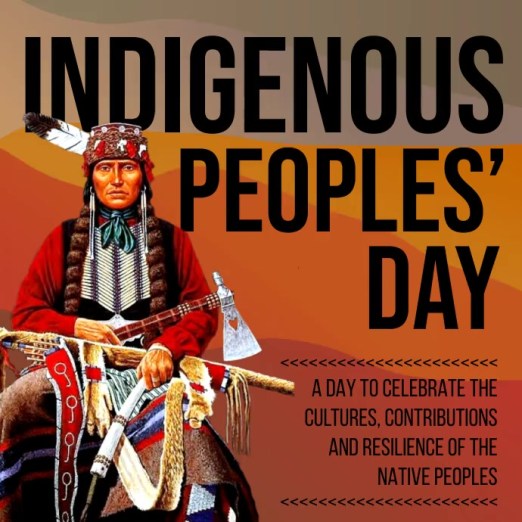
Native American Heritage Day 2023: Activities, History, FAQs, Dates, and Facts
NATIVE AMERICAN HERITAGE DAY DATES
| YEAR | DATE | DAY |
|---|---|---|
| 2023 | November 24 | Friday |
| 2024 | November 29 | Friday |
| 2025 | November 28 | Friday |
Native American Heritage Day 2023: November 24 is observed as National Native American Heritage Day, the day following Thanksgiving. This day is dedicated to the celebration of the diverse cultures, contributions, achievements, and heritage of Native American. Native Americans are the originators of American history, and the bald eagle depicted on the U.S. shield is an Iroquois emblem. While commemorating this day, one may admire exhibitions of their distinctive recipes and cultural attire while also voicing opposition to the heinous injustices they have endured.
The History of National Heritage Day
In 1912 and 1915, Dr. Arthur C. Parker of the Seneca tribe initially staged a demonstration in opposition to National Native American Heritage Day. Initially, he advocated for the recognition of “American Indian Day” by the Boy Scouts of America. President George H. W. Bush signed the legislation in 1990 with the intention of designating the day after Thanksgiving as American Indian Heritage Day. Congressman Joe Baca had proposed it.
November 28 was designated by law as Native American Heritage Day, in remembrance of their innumerable contributions to the United States. 184 tribes recognized by the federal government and the National Indian Gaming Association (NIGA) both contributed.
Through activities and ceremonies, Native American Heritage Day encourages individuals of all backgrounds in the United States to develop an appropriate appreciation for indigenous cultures. Additionally, educational institutions are recommended to augment their pupils’ consciousness regarding Native Americans through the implementation of classroom exercises that center on their historical background, significant contributions, and notable accomplishments.
The Native American Heritage Day Act of 2009 underwent technical changes after receiving initial approval from the United States House of Representatives, and all senators in the United States Senate subsequently approved those changes. By a unanimous vote, the House of Representatives re-approved the legislation, incorporating the amendments proposed by the Senate. President Barack Obama subsequently ratified the legislation into law on October 30, 2009.
Native Americans utilize Native American Heritage Day and Month as a significant opportunity to inform the public about their communities. They take the lead in discussions surrounding culture on this particular day, where they exhibit traditional footwear (“rocking the moccasin”) to honor their heritage and provide insight into the various tribal communities.
FAQs for National American Heritage Day
Which term is more suitable for use, Native American or American Indian?
Both expressions are suitable.
Do indigenous Americans remit taxes?
Indeed, they do. Individual Americans and their tribes both pay taxes.
How do communities function?
Tribes possess inherent entitlements to govern according to their own systems of governance. Numerous tribal governments have embraced constitutions as part of their organizational frameworks, whereas others continue to adhere to traditional methods of governance. It is common to refer to the chief, governor, president, or tribal chairperson as the governor of a tribe.
Observing Native American Heritage Day: A Guide
Recognize the realities
Observe documentaries or read books that accurately depict the history and culture of Native Americans. Visit an area-specific Native American museum or heritage center.
Participate in social activities
Engage in online forums or social media discussions to commemorate Native American Heritage Day. The #NativeFamily community on TikTok is renowned.
Prepare meals like an authentic Native American.
Specify a dish from Native America to prepare. Consider serving Three Sisters Soup, Pemmican, or a basic Buffalo Stew. Explore the rich recipes of Native American cuisine, which is famous.
Five Native American facts
The mean age of the population is 31.
Native Americans regard thirty-one as the age of middle age.
A minority of Native Americans possess advanced degrees.
8% of Native Americans aged 25 and older hold a professional or graduate degree.
They hold more than 24,000 companies.
Alaska Natives and American Indians own approximately 24,503 enterprises in the United States.
Hundreds of Indian communities exist.
There are 574 Indian tribes that the federal government recognizes as of 2020.
It is the sequoia tree that bears its name.
The massive redwood honors Cherokee leader Sequoyah, who helped create the Cherokee alphabet.
A Proclamation on National Native American Heritage Month (November), 2023
Now we wait to see if this proclamation is carried out or just more lip service by another USA president.
A Proclamation on National Native American Heritage Month, 2023
During National Native American Heritage Month, we recognize the invaluable contributions of Native peoples that have shaped our country and honor the hundreds of Tribal Nations who continue exercising their inherent sovereignty as vital members of the overlapping system of governments in the United States. We also recommit to supporting Tribal sovereignty; upholding the Federal Government’s solemn trust and treaty responsibilities; and working in partnership with Tribal Nations to advance prosperity, dignity, and safety for all Native peoples.
Since time immemorial, Native communities have passed down rich cultures, knowledge, traditions, and ways of life. But throughout our history, Native peoples’ cultures, identities, and governments were not always seen as a part of this Nation but as a threat to it. Native people were pressured to assimilate, banned from practicing their traditions and sacred ceremonies, and forced from their homes and ancestral homelands. This violence and devastation cost countless lives, tore families apart, and caused lasting damage to Tribal communities and institutions.
Despite centuries of violence and oppression, Native peoples remain resilient and proud. Today, Native Americans are essential to the fabric of the United States. They serve in the United States Armed Forces at higher rates than any other ethnic group. They continue to steward so many of our great lands. Their contributions to science, humanities, arts, public service, and more have brought prosperity for all of us. Their diverse cultures and communities continue to thrive and lead us forward.
Since the beginning of my Administration, I have been determined to help champion a new and better chapter in the story of our Nation-to-Nation relationships. I started by appointing Native Americans to lead in my Administration — including the first Native American Secretary of the Interior Deb Haaland, dozens of Senate-confirmed Native American officials, and over 80 Native American appointees serving across my Administration and in the Federal courts. I restored the annual White House Tribal Nations Summit to advance communication between key members of my Administration and the leaders of hundreds of Tribal Nations. My Administration formally recognized Indigenous Knowledge as one of the many important bodies of knowledge that contributes to the scientific, technical, social, and economic advancements of the United States and our collective understanding of the natural world.
Together with leadership from Tribal Nations, we are making historic investments in Indian Country. Our American Rescue Plan invested $32 billion in Tribal Nations — the largest one-time direct investment in Indian Country in American history. Our Bipartisan Infrastructure Law invested more than $13 billion to rebuild infrastructure, the single largest investment in Indian Country infrastructure in history. Our Inflation Reduction Act also made the largest investment ever to combat the existential threat of climate change, including $700 million dedicated to climate change response in Native communities. Last year, I signed a Presidential Memorandum that improves consultation between the Federal Government and Tribal Nations.
My Administration is also working to address the impacts of harmful Federal policies of the past while ensuring Native communities are safe and healthy. Through the Department of the Interior’s Road to Healing initiative, Native language preservation, public safety initiatives, and bold new investments, we are supporting Native American families and their communities as they heal. We are also working to improve public health and safety for Native Americans. I signed an Executive Order that helps us respond more effectively to the epidemic of missing and murdered Indigenous peoples. Last year, when we reauthorized the Violence Against Women Act, I was proud to include historic provisions that reaffirm Tribal sovereignty and restore Tribal jurisdiction. My budget for Fiscal Year 2024 also requested a $9.1 billion infusion for the Indian Health Service, and I have asked the Congress to make that funding a mandatory part of the Federal budget for the first time in our history.
We are also committed to partnering with Tribal Nations to protect and steward their sacred and ancestral lands and waters. Through Tribal co-stewardship agreements, we work directly with Tribal Nations to make decisions about how to manage those lands that are most precious to them — recognizing and utilizing the invaluable knowledge they have from countless generations. I established new national monuments protecting lands sacred to Tribal Nations at Baaj Nwaavjo I’tah Kukveni in Arizona, the Camp Hale-Continental Divide in Colorado, and Avi Kwa Ame in Nevada. I also restored protections for the Northeast Canyons and Seamounts Marine National Monument in New England and Bears Ears and Grand Staircase-Escalante in Utah.
This month, we celebrate Native American history and culture. We are reminded that with hard work and a commitment to our founding ideals, we can address the wrongs of our past and become a more perfect Union — one that ensures liberty, justice, dignity, and equality for all.
NOW, THEREFORE, I, JOSEPH R. BIDEN JR., President of the United States of America, by virtue of the authority vested in me by the Constitution and the laws of the United States, do hereby proclaim November 2023 as National Native American Heritage Month. I urge all Americans, as well as their elected representatives at the Federal, State, and local levels, to observe this month with appropriate programs, ceremonies, and activities. Also, I urge all Americans to celebrate November 24, 2023, as Native American Heritage Day.
IN WITNESS WHEREOF, I have hereunto set my hand this thirty-first day of October, in the year of our Lord two thousand twenty-three, and of the Independence of the United States of America the two hundred and forty-eighth.
November 24, 2023 Current Moon Phase
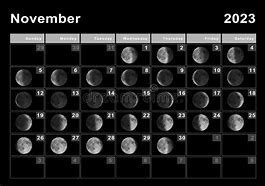
Current Moon Phase
You can use this link to go forward or backward in time for Moon phase information. If you are curious, you can even find out what phase the Moon was in when you or anyone else was born.
From MoonGiant.com
The Moon’s current phase for today and tonight is a Waxing Gibbous phase. Visible through most of the night sky setting a few hours before sunrise. This phase is when the moon is more than 50% illuminated but not yet a Full Moon. The phase lasts about 7 days with the moon becoming more illuminated each day until the Full Moon. This September Full Moon will be the forth and final supermoon of 2023.
During a Waxing Gibbous the moon rises in the east in mid-afternoon and is high in the eastern sky at sunset. The word Gibbous first appeared in the 14th century and has its roots in the Latin word “gibbosus” meaning humpbacked.
Visit the November 2023 Moon Phases Calendar to see all the daily moon phase for this month.
Today’s Waxing Gibbous Phase
The Waxing Gibbous on November 24 has an illumination of 90%. This is the percentage of the Moon illuminated by the Sun. The illumination is constantly changing and can vary up to 10% a day. On November 24 the Moon is 11.74 days old. This refers to how many days it has been since the last New Moon. It takes 29.53 days for the Moon to orbit the Earth and go through the lunar cycle of all 8 Moon phases.
Phase Details
Phase: Waxing Gibbous
Illumination: 90%
Moon Age: 11.74 days
Moon Angle: 0.54
Moon Distance: 370,186.90 km
Sun Angle: 0.54
Sun Distance: 147,683,099.13 km
Illumination: 90%
Moon Age: 11.74 days
Moon Angle: 0.54
Moon Distance: 370,186.90 km
Sun Angle: 0.54
Sun Distance: 147,683,099.13 km
Useful Moon Resources
Check the weather before a night of Moon gazing at weather.com
For a list of all the current meteor showers visit American Meteor Society
The 8 Lunar Phases
There are 8 lunar phases the Moon goes through in its 29.53 days lunar cycle. The 4 major Moon phases are Full Moon, New Moon, First Quarter and Last Quarter. Between these major phases, there are 4 minor ones: the Waxing Crescent, Waxing Gibbous, Waning Gibbous and Waning Crescent. For more info on the Moon Cycle and on each phase check out Wikipedia Lunar Phase page.
A Thought for Today
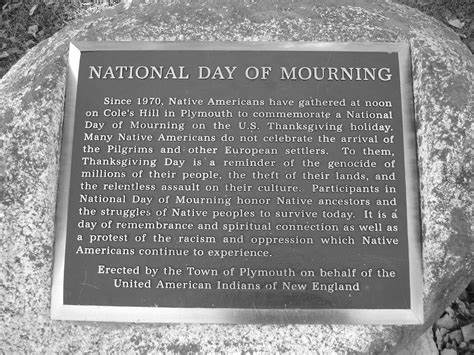
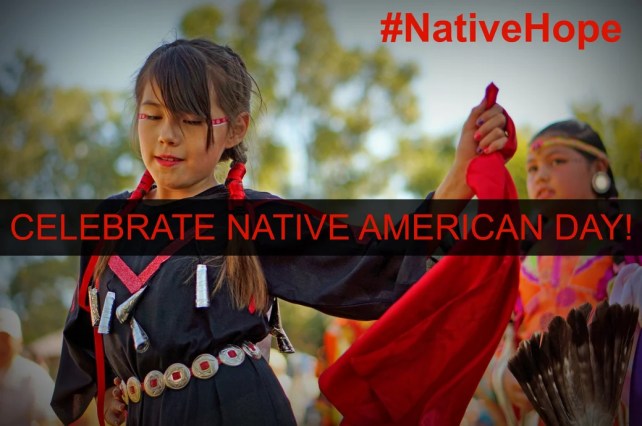
 Witches Of The Craft®
You must be logged in to post a comment.