You can use this link to go forward or backward in time for Moon phase information. If you are curious, you can even find out what phase the Moon was in when you or anyone else was born.
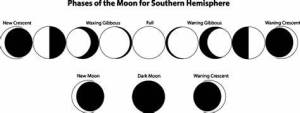
The 8 Lunar Phases
There are 8 lunar phases the Moon goes through in its 29.53 days lunar cycle. The 4 major Moon phases are Full Moon, New Moon, First Quarter and Last Quarter. Between these major phases, there are 4 minor ones: the Waxing Crescent, Waxing Gibbous, Waning Gibbous and Waning Crescent. For more info on the Moon Cycle and on each phase check out Wikipedia Lunar Phase page.
Useful Moon Resources
Check the weather before a night of Moon gazing at weather.com
The Moon’s current phase for today and tonight is a Waxing Gibbous phase. Visible through most of the night sky setting a few hours before sunrise. This phase is when the moon is more than 50% illuminated but not yet a Full Moon. The phase lasts about 7 days with the moon becoming more illuminated each day until the Full Moon. This September Full Moon will be the forth and final supermoon of 2023.
During a Waxing Gibbous the moon rises in the east in mid-afternoon and is high in the eastern sky at sunset. The word Gibbous first appeared in the 14th century and has its roots in the Latin word “gibbosus” meaning humpbacked.
The Waxing Gibbous on May 20 has an illumination of 91%. This is the percentage of the Moon illuminated by the Sun. The illumination is constantly changing and can vary up to 10% a day. On May 20 the Moon is 11.87 days old. This refers to how many days it has been since the last New Moon. It takes 29.53 days for the Moon to orbit the Earth and go through the lunar cycle of all 8 Moon phases.
Phase Details
Phase: Waxing Gibbous
Illumination: 91%
Moon Age: 11.87 days
Moon Angle: 0.49
Moon Distance: 402,519.74 km
Sun Angle: 0.53
Sun Distance: 151,418,693.15 km
Southern Hemisphere
21 May 2024
The Moon’s current phase for today and tonight is a Waxing Gibbous phase. Visible through most of the night sky setting a few hours before sunrise. This phase is when the moon is more than 50% illuminated but not yet a Full Moon. The phase lasts about 7 days with the moon becoming more illuminated each day until the Full Moon. This September Full Moon will be the forth and final supermoon of 2023.
During a Waxing Gibbous the moon rises in the east in mid-afternoon and is high in the eastern sky at sunset. The word Gibbous first appeared in the 14th century and has its roots in the Latin word “gibbosus” meaning humpbacked.
The Waxing Gibbous on May 21 has an illumination of 96%. This is the percentage of the Moon illuminated by the Sun. The illumination is constantly changing and can vary up to 10% a day. On May 21 the Moon is 12.79 days old. This refers to how many days it has been since the last New Moon. It takes 29.53 days for the Moon to orbit the Earth and go through the lunar cycle of all 8 Moon phases.
Phase Details
Phase: Waxing Gibbous
Illumination: 96%
Moon Age: 12.79 days
Moon Angle: 0.50
Moon Distance: 399,745.85 km
Sun Angle: 0.53
Sun Distance: 151,447,577.28 km
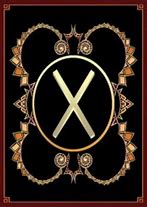
Traditionally, representing the energy of a Queen, this feminine guardian is endowed with enormous good sense and problem solving energy, but she is not particularly entrepreneurial. She loves to advise, encourage, and empower those she gets involved with, studying their problems with them and setting them up to solve them. Traditionally, she was pictured as the Sibyl or Oracle, perhaps a Tarot reader, who made herself available to people in need, no matter what their social class or situation. In modern times, she will be found educating, healing, managing disaster aid programs or a charitable drive of some sort. In every case, she does not see the benefits that exist in her life as belonging solely to her. She feels the needs of her people and will spend freely of her time, energy, skills, money to see that nobody is left out. For this, and because she likes to work in an atmosphere of beauty, enjoyment and abundance, she is sometimes accused of being extravagant. But she works hard, and she sees no reason to deny herself the rewards of a job well done. Everyone who comes in contact with her feels enriched by her enjoyment in living.
Rune
Wunjo
“Great minds think alike, though fools seldom differ.” “Be careful what you wish for…”
Key Concepts: joy, perfection, the art of correct wishing, correct application of the will, well-being, contentment, hope, expectation, relationship, family, bonding, trusted kinsfolk, shared ideals or aims, group harmony, symbols of shared identity, optimism, cooperative effort, like-mindedness, friendship
Energy: harmony of like forces, effortless ease, fellowship, fulfillment, wishing, genuine friendship,
Mundane: parties, friendship, family, community Divinations: Joy, harmony, fellowship, accomplishment, prosperity; or stultification, sorrow, strife, alienation, warns of caution, blindness to danger, deception, betrayal.
Governs: Strengthens links and bonds Invocation of fellowship and harmony. Banishes alienation and other inharmonious impediments to trust Creating joy through the use of true will Realization of the link and multiplicity of relationship of all things The art of correct wishing, ‘law of attraction’
Witches Rune
The Birds
Keywords: Unexpected news, change.
Meanings: The Birds Rune means some unexpected news that may alter your life completely, especially if this is the leading rune. Generally, the news will lead to a positive change but pay close attention to the nearest runes to determine its nature. It can also mean news of friends or family that you haven’t had contact with in quite a while. Letters and documents should be watched for as they may well bring happiness.
Ogham
Beith-Birch
The Birch tree is known as a pioneering species, which means it is often first to colonize open ground following a disturbance or fire. Because of this natural fact Beith is the first letter of the Ogham alphabet. It symbolizes birth, renewal, and new beginnings. The Beith symbol appearing is a true sign that a change has occurred or will occur.
Fortune – Drawing this Ogham is a way of telling you to look for a new path, a necessary change is on the way!
A Thunderous Cloudburst shatters the oppressive humidity: The Superior Person knows the release in forgiveness, pardoning the faults of others and dealing gently with those who sin against him.
It pays to accept things as they are for now. If there is nothing else to be gained, a return brings good fortune. If there is something yet to be gained, act on it at once.
SITUATION ANALYSIS:
The relief you experience here is not your own personal pardon, but the release of others from your rigid expectations. Like a hot air balloon, you will rise to new heights as you cast the heavy sandbags of resentments and restrictions away from you. Feel the lightness of being that results from forgiving others and accepting them as they are. Free yourself of the endless vigil of policing the behavior of others. See them for who they are, not what they can or can’t do for you.
You can use this link to go forward or backward in time for Moon phase information. If you are curious, you can even find out what phase the Moon was in when you or anyone else was born.
The 8 Lunar Phases
There are 8 lunar phases the Moon goes through in its 29.53 days lunar cycle. The 4 major Moon phases are Full Moon, New Moon, First Quarter and Last Quarter. Between these major phases, there are 4 minor ones: the Waxing Crescent, Waxing Gibbous, Waning Gibbous and Waning Crescent. For more info on the Moon Cycle and on each phase check out Wikipedia Lunar Phase page.
Useful Moon Resources
Check the weather before a night of Moon gazing at weather.com
The Moon’s current phase for today and tonight is a Waxing Gibbous phase. Visible through most of the night sky setting a few hours before sunrise. This phase is when the moon is more than 50% illuminated but not yet a Full Moon. The phase lasts about 7 days with the moon becoming more illuminated each day until the Full Moon. This September Full Moon will be the forth and final supermoon of 2023.
During a Waxing Gibbous the moon rises in the east in mid-afternoon and is high in the eastern sky at sunset. The word Gibbous first appeared in the 14th century and has its roots in the Latin word “gibbosus” meaning humpbacked.
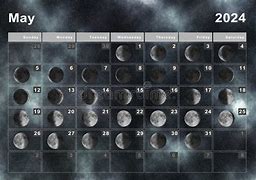
The Waxing Gibbous on May 19 has an illumination of 84%. This is the percentage of the Moon illuminated by the Sun. The illumination is constantly changing and can vary up to 10% a day. On May 19 the Moon is 10.96 days old. This refers to how many days it has been since the last New Moon. It takes 29.53 days for the Moon to orbit the Earth and go through the lunar cycle of all 8 Moon phases.
Phase Details
Phase: Waxing Gibbous
Illumination: 84%
Moon Age: 10.96 days
Moon Angle: 0.49
Moon Distance: 404,425.73 km
Sun Angle: 0.53
Sun Distance: 151,389,277.62 km
Southern Hemisphere
20 May 2024
The Moon’s current phase for today and tonight is a Waxing Gibbous phase. Visible through most of the night sky setting a few hours before sunrise. This phase is when the moon is more than 50% illuminated but not yet a Full Moon. The phase lasts about 7 days with the moon becoming more illuminated each day until the Full Moon. This September Full Moon will be the forth and final supermoon of 2023.
During a Waxing Gibbous the moon rises in the east in mid-afternoon and is high in the eastern sky at sunset. The word Gibbous first appeared in the 14th century and has its roots in the Latin word “gibbosus” meaning humpbacked.
The Waxing Gibbous on May 20 has an illumination of 91%. This is the percentage of the Moon illuminated by the Sun. The illumination is constantly changing and can vary up to 10% a day. On May 20 the Moon is 11.87 days old. This refers to how many days it has been since the last New Moon. It takes 29.53 days for the Moon to orbit the Earth and go through the lunar cycle of all 8 Moon phases.
Phase Details
Phase: Waxing Gibbous
Illumination: 91%
Moon Age: 11.87 days
Moon Angle: 0.49
Moon Distance: 402,519.74 km
Sun Angle: 0.53
Sun Distance: 151,418,693.15 km
A major Gemini hit is arriving. On Monday, the Sun enters Gemini for the first time in a year to stay for four weeks. This will enliven everyone and create spirited and exciting times. (“Look –a bright shiny object!”) This also empowers fellow Air signs Libra and Aquarius, and boosts the energy of Aries and Leo. (A Leo paid me to say this.) Expect exciting chances to socialize and meet people this week as we forge new alliances and see new places. But lo! What news from yonder modem breaks? On Saturday, Jupiter enters Gemini for the first time in 12 years bringing dazzling possibilities! This ushers in a new brand of good luck for all of us in the next 12 months! No need to get in line. The magic will happen!
Aries (March 21-April 19)
The pace of your days will accelerate starting this week. In fact, this busy, exciting shift will actually last for the next year! This is why you will be taking more short trips, talking to siblings, relatives and neighbours, plus reading, writing and studying. In fact, the year ahead offers you great opportunities to gain advancement in any field of study. However, perhaps the single most exciting shift for you will be that your optimism will grow. Your plans for the future will be larger and more expansive. You will entertain ambitious ideas and believe that you can do them, which means you probably will! This kind of confidence is empowering.
Taurus (April 20-May 20)
Oh my! Excellent news for your sign (considering that you’re the financial wizard of the zodiac). In the next 12 months, you will get richer. Factoid. This might happen for many reasons. You might inherit. You might find a better paying job. You might see ways to make money on the side. You might get a raise. You might even feel richer simply because you buy yourself something that increases your status in the eyes of others and you feel entitled. Not only that, you will see ways to make more money. You’ll have excellent moneymaking ideas. Some of you will travel and many of you will earn money by dealing with other countries. Not too shabby.
Gemini (May 21-June 20)
Well, it’s all about you, dear Gemini. This week the Sun, fair Venus and lucky Jupiter all enter your sign. (It doesn’t get better than this.) Your energy will increase. You will feel happier, buoyant and more enthusiastic about life. You will look good to others! You will be more charming and diplomatic; and yet, at the same time, you’ll be enthusiastic and magnetic, which is why others will be attracted to you. All kinds of people and resources will be drawn to you, which means you’re looking at one of the most fortunate years ahead that you have had in over a decade. In fact, this blessing can only come to you about three or four times in your adult life. Get ready to dress for success!
Cancer (June 21-July 22)
Beginning this week, you will feel a subtle shift because in many ways, there will be a sense of peace and privacy being restored to your world. In the past year, you have had more interactions with friends and groups, sometimes to the extent of being too busy and too involved with organizations. For different reasons, you will start to protect and value your own privacy more. You might start to explore the spiritual and religious dimensions of your life more deeply than you have in the past. You might also spend time helping someone either personally or (in a broader way) your community. Your ideals will become noble and lofty.
Leo (July 23-Aug. 22)
This week you’re entering an exciting shift. The first thing you will notice is that you’re becoming more popular, and eager and willing to engage with friends and see people. Many of you will start to become more involved in groups, clubs or organizations. In fact, some of you might take on a leadership role (which is second nature for you). Your desire to travel and expand your world will definitely grow. Very likely, you will give greater thought to your future goals as well. Fortunately, Jupiter will encourage you to think big and expect the best for yourself. You will start to think about doing things you wouldn’t have dreamed about before. “To infinity and beyond!”
Virgo (Aug. 23-Sept. 22)
This is a pivotal time for you because for the first time in a year, the Sun will cross the top of your chart in the next four weeks, making you look fabulous! (This could cause increased responsibilities to come your way.) But better than that, lucky Jupiter will also cross the top of your chart during the next 12 months! (First time in over a decade.) Major bonus! Expect wonderful opportunities to boost your good name and success. This ushers in a successful time for your profession, your career, your social status and reputation. This will also gives some of you a chance to change your field of work to medicine, healing or something to do with travel. All hail Virgo!
Libra (Sept. 23-Oct. 22)
Your life will improve starting this week because you will attract numerous opportunities to travel in the next 12 months. Not only will you travel and explore more of the world, you will study and learn. You might go back to school. You might take courses. You might teach courses. Opportunities in publishing also exist, so you might publish or write a book. Likewise, opportunities in the legal field will abound! Similar chances to explore advancement in the medical profession or anything to do with healing will also benefit you. In the next several weeks, you might discover new romance with someone “different” or from another culture. Sweet!
Scorpio (Oct. 23-Nov. 21)
They say that no news is good news, but when it comes to financial matters – it’s nice to know the next 12 months will favour you financially. Yay! Bring it on! This is because lucky Jupiter, which can expand, magnify and attract good fortune will be sitting in one of your Money Houses! You might inherit. You might get money back from the government. You might get money from an insurance payout. You might benefit indirectly because your partner makes more money or gets a bonus. Certainly, your business partner might bring money or something advantageous to the table. Right now, you’re working hard, which sets the stage for future wealth.
Sagittarius (Nov. 22-Dec. 21)
Great news! This week the Sun, Venus and lucky Jupiter will enter your House of Partnerships, giving this area of your life a marvellous boost. The Sun and Venus will be brief, but pleasant. However, Jupiter will bring an even greater benefit for the next 12 months! In fact, it is such a benefit to your closest relationships, this window of time is the best time for your sign to get married since 2012. Many of you will meet foreign people and people from other cultures. For those of you who do marry, you might marry someone slightly older or more well-established. This is a time of culmination in your life, which makes you want to go after everything. (It’s okay to have your head in the clouds if you keep your feet on the ground.)
Capricorn (Dec. 22-Jan. 19)
You’re heading into a fortunate window because planetary aspects will help you to improve your health in the next year. Plus, Jupiter will certainly attract opportunities for you to improve your job. And if you don’t improve your job, or your nasty boss does not get transferred or fired, then you will find a better job. Trust me. This is the best chance for you in over a decade to both improve your health and improve your work! In the immediate future, romance related to your work might percolate. In the long-range future, work-related travel is highly likely. Meanwhile, do what you can to keep the peace at home. Easy does it.
Aquarius (Jan. 20-Feb. 18)
Some people get lucky, and this year, it’s you! This week the Sun, Venus and lucky Jupiter move to the part of your chart that encourages the arts, romance, vacations, social outings, parties, sports events and involvement with children. All the fun stuff! Your creative potential will be enormous! Your health will feel vigourous and you will have a heightened feeling of well-being for the next 12 months! Believe it or not, this is even a good time for financial matters, especially financial speculation. (Mom always liked you best.) Many of you will also do something to make your surroundings more elegant. (You know who you are.)
Pisces (Feb. 19-March 20)
This week ushers in a delightful influence for you that will improve your family life in a beautiful way. Family members will be more generous to each other. They will be more loving to each other. In fact, some of you might expand your family through birth, marriage or adoption. By extension, you can improve your home. This means you will improve your existing home, through redecorating or renovations; or you might move to something that you like better. In the same vein (but the other arm), you can make money through real-estate speculation or by buying and selling your own home. Ka-ching!
You can use this link to go forward or backward in time for Moon phase information. If you are curious, you can even find out what phase the Moon was in when you or anyone else was born.
The 8 Lunar Phases
There are 8 lunar phases the Moon goes through in its 29.53 days lunar cycle. The 4 major Moon phases are Full Moon, New Moon, First Quarter and Last Quarter. Between these major phases, there are 4 minor ones: the Waxing Crescent, Waxing Gibbous, Waning Gibbous and Waning Crescent. For more info on the Moon Cycle and on each phase check out Wikipedia Lunar Phase page.
Useful Moon Resources
Check the weather before a night of Moon gazing at weather.com
The Moon’s current phase for today and tonight is a Waxing Gibbous phase. Visible through most of the night sky setting a few hours before sunrise. This phase is when the moon is more than 50% illuminated but not yet a Full Moon. The phase lasts about 7 days with the moon becoming more illuminated each day until the Full Moon. This September Full Moon will be the forth and final supermoon of 2023.
During a Waxing Gibbous the moon rises in the east in mid-afternoon and is high in the eastern sky at sunset. The word Gibbous first appeared in the 14th century and has its roots in the Latin word “gibbosus” meaning humpbacked.
The Waxing Gibbous on May 18 has an illumination of 77%. This is the percentage of the Moon illuminated by the Sun. The illumination is constantly changing and can vary up to 10% a day. On May 18 the Moon is 10.06 days old. This refers to how many days it has been since the last New Moon. It takes 29.53 days for the Moon to orbit the Earth and go through the lunar cycle of all 8 Moon phases.
Phase Details
Phase: Waxing Gibbous
Illumination: 77%
Moon Age: 10.06 days
Moon Angle: 0.49
Moon Distance: 405,389.69 km
Sun Angle: 0.53
Sun Distance: 151,359,338.80 km
Southern Hemisphere
19 May 2024
The Moon’s current phase for today and tonight is a Waxing Gibbous phase. Visible through most of the night sky setting a few hours before sunrise. This phase is when the moon is more than 50% illuminated but not yet a Full Moon. The phase lasts about 7 days with the moon becoming more illuminated each day until the Full Moon. This September Full Moon will be the forth and final supermoon of 2023.
During a Waxing Gibbous the moon rises in the east in mid-afternoon and is high in the eastern sky at sunset. The word Gibbous first appeared in the 14th century and has its roots in the Latin word “gibbosus” meaning humpbacked.
The Waxing Gibbous on May 19 has an illumination of 84%. This is the percentage of the Moon illuminated by the Sun. The illumination is constantly changing and can vary up to 10% a day. On May 19 the Moon is 10.96 days old. This refers to how many days it has been since the last New Moon. It takes 29.53 days for the Moon to orbit the Earth and go through the lunar cycle of all 8 Moon phases.
Phase Details
Phase: Waxing Gibbous
Illumination: 84%
Moon Age: 10.96 days
Moon Angle: 0.49
Moon Distance: 404,425.73 km
Sun Angle: 0.53
Sun Distance: 151,389,277.62 km
This spell features some of our favorite ingredients for increasing memory and focus! If you find yourself unable to focus with a side effect of a bad memory, like me, this spell will work wonders on you! This memory spell utilizes rosemary, an herb well known for repairing the memory; it’s also great for protecting your confidence, which plays a large role in our ability to recall things!
We’ve incorporated a few different types of crystals, depending on your specific need, and we’ve also brought in some symbolism and numerology to aid in the energy of the work. The number 4 vibrates stability and focus, as does the shape of the square.This spell is best performed on a Sunday or during the hour of the Sun. Keep in mind that you will still need to perform real-world follow-up.
Bring your water to a boil. In the meantime, create your sacred space by cleansing with sage, followed by palo santo or sweetgrass. You may also cleanse your candle, crystals, and rosemary with the sage.
Bring all of your ingredients into your sacred space. You may choose to cast a protective circle, if that’s part of your practice.
Hold your hands over the Rosemary and visualize remembering everything. Say “To increase my memory.”
Pour the Rosemary leaves into your tea ball. While continuing to visualize your memory working better than you think it will, pour the water over the Rosemary leaves.
Hold your hands over the steaming cup once more. Say “To increase my memory.”
Hold your hands over the crystals, and visualize yourself successfully focusing on your work. Say “To increase my focus.”
Arrange the crystals in a square around the coffee cup. Imagine the energy of the crystals forming a solid square around and through the cup. This square represents a solid foundation of focus, empowering the tea with the energies of focus.
Hold your hands over the square of crystals and tea. Say “To increase my focus.”
Using your carving tool of choice carve “+ Memorae” down one side of the candle. Say “Memorae. To increase my memory.” Again, visualize that your memory is recalling everything it needs to and more!
On the other side, carve “+ Focus”. When you are done, say “Focus. To increase my focus.” Again, visualize that your focus allows you to complete your work perfectly!
Place the candle above your crystals and tea. Hold your hand over the candle and chant “Increase my memory. Increase my focus!” until you feel convinced that the spell is working! You’ll feel your hair stand on end, you may feel slightly faint, or you may notice that you’ve begun chanting very loudly! Say “Increase my memory. Increase my focus” one last time and light the candle.
Visualize all of the energy from chanting is the light of the candle, the spark of the spell. Visualize that energy going down the candle, drawing a straight line to your square grid and into your cup.
Know that the energy of the spell is now in your cup. Drink your Memory and Focus Tea and feel your mind opening, your memory working, and your focus kicking in.
Clean up, say Amen, say So Mote It Be, close your circle, do what you need to do and enjoy the effects of your tea!
You can let the candle burn out or extinguish it and use it for the same spell. You can also use it for a quick memory boost later.
You can use this link to go forward or backward in time for Moon phase information. If you are curious, you can even find out what phase the Moon was in when you or anyone else was born.
The 8 Lunar Phases
There are 8 lunar phases the Moon goes through in its 29.53 days lunar cycle. The 4 major Moon phases are Full Moon, New Moon, First Quarter and Last Quarter. Between these major phases, there are 4 minor ones: the Waxing Crescent, Waxing Gibbous, Waning Gibbous and Waning Crescent. For more info on the Moon Cycle and on each phase check out Wikipedia Lunar Phase page.
Useful Moon Resources
Check the weather before a night of Moon gazing at weather.com
The Moon’s current phase for today and tonight is a Waxing Gibbous phase. Visible through most of the night sky setting a few hours before sunrise. This phase is when the moon is more than 50% illuminated but not yet a Full Moon. The phase lasts about 7 days with the moon becoming more illuminated each day until the Full Moon. This September Full Moon will be the forth and final supermoon of 2023.
During a Waxing Gibbous the moon rises in the east in mid-afternoon and is high in the eastern sky at sunset. The word Gibbous first appeared in the 14th century and has its roots in the Latin word “gibbosus” meaning humpbacked.
The Waxing Gibbous on May 17 has an illumination of 69%. This is the percentage of the Moon illuminated by the Sun. The illumination is constantly changing and can vary up to 10% a day. On May 17 the Moon is 9.17 days old. This refers to how many days it has been since the last New Moon. It takes 29.53 days for the Moon to orbit the Earth and go through the lunar cycle of all 8 Moon phases.
Phase Details
Phase: Waxing Gibbous
Illumination: 69%
Moon Age: 9.17 days
Moon Angle: 0.49
Moon Distance: 405,370.96 km
Sun Angle: 0.53
Sun Distance: 151,328,884.92 km
Southern Hemisphere
18 May 2024
The Moon’s current phase for today and tonight is a Waxing Gibbous phase. Visible through most of the night sky setting a few hours before sunrise. This phase is when the moon is more than 50% illuminated but not yet a Full Moon. The phase lasts about 7 days with the moon becoming more illuminated each day until the Full Moon. This September Full Moon will be the forth and final supermoon of 2023.
During a Waxing Gibbous the moon rises in the east in mid-afternoon and is high in the eastern sky at sunset. The word Gibbous first appeared in the 14th century and has its roots in the Latin word “gibbosus” meaning humpbacked.
The Waxing Gibbous on May 18 has an illumination of 77%. This is the percentage of the Moon illuminated by the Sun. The illumination is constantly changing and can vary up to 10% a day. On May 18 the Moon is 10.06 days old. This refers to how many days it has been since the last New Moon. It takes 29.53 days for the Moon to orbit the Earth and go through the lunar cycle of all 8 Moon phases.
Phase Details
Phase: Waxing Gibbous
Illumination: 77%
Moon Age: 10.06 days
Moon Angle: 0.49
Moon Distance: 405,389.69 km
Sun Angle: 0.53
Sun Distance: 151,359,338.80 km
The Goddess brings us no more or less than we
are to her
She is the power for us to find ourselves
She is the light that guides our ways
She is the hand that extends when we are lost
She finds our heart and soul
For she knows what we hide
She bears all for us
For she is Mother and we are child
This potion is a delicious combination of spices and figs that has a rich purple color and an amazing cinnamon, cardamom scent mixed with the delicate tones of earthy, fresh figs.
You can use this potion drizzled on top of foods such as muffins, pancakes, berries, yogurt, and meats like ham and chicken. You can also add it to cocktails and mocktails for a light, spiced earthy drink with a vivid pink color.
I love making this potion in the fall, during the time of Mabon because figs are in season and it is a harvest festival of abundance.
ITEMS NEEDED
½ cup whole fresh figs
2 whole cloves
1 small cinnamon stick
½ cup sugar
½ cup water
¼ tsp cardamom ground
¼ tsp nutmeg
¼ tsp vanilla
STEPS
1. Slice the figs
2. Combine all the ingredients and bring to a boil. Reduce to a simmer for and simmer for 20 minutes, until the syrup has darkened and thickened.
3. Remove from heat and strain to remove the fig pieces and cinnamon stick
4. Let the syrup cool and use it drizzled on foods or in drinks. Recite the incantation below when you eat the syrup and focus on bringing in prosperity and success. (see below for a delicious cocktail using this fig syrup)
*Refrigerate the syrup to keep it for later. It will last about 1-2 weeks
Fig Cocktail Recipe:
Add ice to a glass and then add 1 part fig syrup, 1 part gin (or gingerale for a mocktail), top with club soda or tonic water, and add a squeeze of lemon
You can use this link to go forward or backward in time for Moon phase information. If you are curious, you can even find out what phase the Moon was in when you or anyone else was born.
The 8 Lunar Phases
There are 8 lunar phases the Moon goes through in its 29.53 days lunar cycle. The 4 major Moon phases are Full Moon, New Moon, First Quarter and Last Quarter. Between these major phases, there are 4 minor ones: the Waxing Crescent, Waxing Gibbous, Waning Gibbous and Waning Crescent. For more info on the Moon Cycle and on each phase check out Wikipedia Lunar Phase page.
Useful Moon Resources
Check the weather before a night of Moon gazing at weather.com
The Moon’s current phase for today and tonight is a Waxing Gibbous phase. Visible through most of the night sky setting a few hours before sunrise. This phase is when the moon is more than 50% illuminated but not yet a Full Moon. The phase lasts about 7 days with the moon becoming more illuminated each day until the Full Moon. This September Full Moon will be the forth and final supermoon of 2023.
During a Waxing Gibbous the moon rises in the east in mid-afternoon and is high in the eastern sky at sunset. The word Gibbous first appeared in the 14th century and has its roots in the Latin word “gibbosus” meaning humpbacked.
The Waxing Gibbous on May 16 has an illumination of 59%. This is the percentage of the Moon illuminated by the Sun. The illumination is constantly changing and can vary up to 10% a day. On May 16 the Moon is 8.28 days old. This refers to how many days it has been since the last New Moon. It takes 29.53 days for the Moon to orbit the Earth and go through the lunar cycle of all 8 Moon phases.
Phase Details
Phase: Waxing Gibbous
Illumination: 59%
Moon Age: 8.28 days
Moon Angle: 0.49
Moon Distance: 404,361.13 km
Sun Angle: 0.53
Sun Distance: 151,297,924.39 km
Southern Hemisphere
17 May 2024
The Moon’s current phase for today and tonight is a Waxing Gibbous phase. Visible through most of the night sky setting a few hours before sunrise. This phase is when the moon is more than 50% illuminated but not yet a Full Moon. The phase lasts about 7 days with the moon becoming more illuminated each day until the Full Moon. This September Full Moon will be the forth and final supermoon of 2023.
During a Waxing Gibbous the moon rises in the east in mid-afternoon and is high in the eastern sky at sunset. The word Gibbous first appeared in the 14th century and has its roots in the Latin word “gibbosus” meaning humpbacked.
The Waxing Gibbous on May 17 has an illumination of 69%. This is the percentage of the Moon illuminated by the Sun. The illumination is constantly changing and can vary up to 10% a day. On May 17 the Moon is 9.17 days old. This refers to how many days it has been since the last New Moon. It takes 29.53 days for the Moon to orbit the Earth and go through the lunar cycle of all 8 Moon phases.
Phase Details
Phase: Waxing Gibbous
Illumination: 69%
Moon Age: 9.17 days
Moon Angle: 0.49
Moon Distance: 405,370.96 km
Sun Angle: 0.53
Sun Distance: 151,328,884.92 km
The woman in Four of Water Osho Zen Tarot is showing a soft smile on her face. In fact, she was just observing what the mind was doing; not judging, not trying to stop nor analyzing them. She only saw them as passersby, like a ripple on the lake. And the antics of the mind are always hilarious, they keep jumping up and down, twisting in many ways, trying to attract attention and entice us into the game.
Being able to develop abilities in creating a distance from the mind is one of the great favors. Those are the things we do when we meditate, chant, or repeat an affirmation, but we only look at it, as if they belong to someone else’s mind. Right now, you are ready to create this distance, to watch the show without getting caught up in the drama. Let’s immerse yourself in the simple freedom of Turning In whenever possible and knack of meditation will develop and deepen in you.
The energy of Four of Water Osho Zen Tarot based on Osho’s teachings
Turning inwards is not a turning at all. Going inwards is not a going at all. Turning inwards simply means that you have been running after this desire and that, and you have been running and running and you have been coming again and again to frustration.
That each desire brings misery, that there is no fulfillment through desire. That you never reach anywhere, that contentment is impossible.
Seeing this truth, that running after desires takes you nowhere, you stop. Not that you make any effort to stop. If you make any effort to stop it is again running, in a subtle way. You are still desiring–maybe now it is desirelessness that you desire. If you are making an effort to go in, you are still going out. Any effort can only take you out, outwards.
All journeys are outward journeys, there is no inward journey. How can you journey inwards? You are already there, there is no point in going. When going stops, journeying disappears; when desiring is no more clouding your mind, you are in. This is called turning in. But it is not a turning at all, it is simply not going out.
Websites Source: Osho, This Very Body The Buddha, Chapter 9.
Sound: “f” Stands for: Well being Casting meaning: This is a rune of prosperity, well-being, and fruitfulness. It represents the Mother Goddess as preserver and nurturer as well as the mythical cow Audhumla. It symbolizes the abundance gained through power, as well as the power itself.
The apple is an ancient symbol of bounty, harmony, and completion. True to symbolism, Quiert indicates a time of well-deserved rest, or at least that you deserve rest even if you are unable to have enough of it. Constant activity goes against the flow of nature. Our society, which seeks to progress at an ever-faster pace until the human race metastasizes across the universe, has got it all wrong. Slowing down is the appropriate action in many cases, for instance after a period of activity or at the culmination of a big project.
There is great delight in the smallest periods of rest, whether that means taking the time to thank the person at the restaurant for making your sandwich (just because you paid for it with money does not mean verbal gratitude goes unappreciated) or to give a firm, polite “no” when someone deliberately or unwittingly threatens your peace of mind by asking too much of you. Quiert speaks of the sweetness of small human gestures and petite graces. Without them, civilization wouldn’t be quite so civilized, nor would it be as worthy of holding together.
Quiert might also indicate a longer resting/healing time for you or for someone else, or that rest is needed. Quiert says, “Don’t forget to stop and smell the roses. Observe. Live in the moment instead of always planning for the perfect future or reliving the past.” It is a marker of gratitude in general, and the slowness required to fully sense the world around us.
The gentle Wind ripples the Lake’s surface:
The Superior Person finds common ground between points of contention, wearing away rigid perspectives that would lead to fatal error.
Pigs and fishes.
You may cross to the far shore.
Great fortune if you stay on course.
SITUATION ANALYSIS:
The subject of this hexagram discovers a key to Tranquility by first gaining insight into his own nature, then turning that vision outward.
By resolving inner conflicts and being at peace with himself, he learns to gain insight into others.
In effect, he enters another, sees with the other’s eyes, listens with the other’s ears, feels with the other’s heart.
He then returns to his own center, with new perspective and understanding.
Number 0 is the mother of existence. Everything comes from this void, this inexplicable, dark, eternal womb. Nobody has 0 as their life path or destiny number – this number is the number of the Universe itself. We are all children of 0.
Number 00 means emphasized message, Angels and Higher Powers ask for your attention. Open your eyes, listen and think about everything that’s happening. Trust your intuition and follow their guidance without any delay.
Planetary magick is a complex system which blends astrology, ancient cosmology, and celestial intelligences in an attempt to bring the most effective results. In this article, we’ll discuss the planetary rulers of the seven days of the week, and the best day to perform different types of magick.
Planetary magic can seem cumbersome, especially to Witches more accustomed to elemental (Earth) magic. But you don’t have to spend hours drafting talismans or poring over charts to add some planetary flavor to your spellwork. Using a very simple overview of magickal timing, you can make sure your working is aligned with the appropriate planetary ruler.
The idea of planetary rulership (and the 7-day week) dates all the way back to Chaldean (Babylonian) astrology. They assigned a planet to rule each day, and further divided the day into planetary hours. Later, the Greek and Roman civilizations adapted the Babylonian calender for their use. Planetary magic was re-discovered by the medieval magicians, who looked to the Classical world for inspiration. The tradition of using different days for different types of magic was put forth in the 16th-century Key of Solomon, a foundational text of the Western magical tradition.
Planetary magick relies mainly on the seven Classical “planets,” (although minor planets, comets, and other features enter into advanced systems). Of the seven, the sun and moon aren’t really planets, of course. But ancient astrologers didn’t know that, so the nickname stuck.
In English (as well as in French, Spanish and related languages), the names of the days of the week still reflect their planetary rulers. (This is very handy when you’re trying to remember which is which!)
You can use this link to go forward or backward in time for Moon phase information. If you are curious, you can even find out what phase the Moon was in when you or anyone else was born.
The 8 Lunar Phases
There are 8 lunar phases the Moon goes through in its 29.53 days lunar cycle. The 4 major Moon phases are Full Moon, New Moon, First Quarter and Last Quarter. Between these major phases, there are 4 minor ones: the Waxing Crescent, Waxing Gibbous, Waning Gibbous and Waning Crescent. For more info on the Moon Cycle and on each phase check out Wikipedia Lunar Phase page.
Useful Moon Resources
Check the weather before a night of Moon gazing at weather.com
The Moon’s current phase for today and tonight is a First Quarter phase. This phase occurs roughly 7 days after the New Moon when the moon is one quarter of the way through its orbit around the earth. Exactly half the moon will be illuminated and half dark. On the day of the First Quarter phase the moon is high overhead at sunset and is visible until mid-night when it sets in the west. The First Quarter phase is a one-day event and in the following days enters a Waxing Gibbous phase becoming more illuminated each day until the Full Moon.
The First Quarter on May 15 has an illumination of 50%. This is the percentage of the Moon illuminated by the Sun. The illumination is constantly changing and can vary up to 10% a day. On May 15 the Moon is 7.38 days old. This refers to how many days it has been since the last New Moon. It takes 29.53 days for the Moon to orbit the Earth and go through the lunar cycle of all 8 Moon phases.
Phase Details
Phase: First Quarter
Illumination: 50%
Moon Age: 7.38 days
Moon Angle: 0.49
Moon Distance: 402,385.72 km
Sun Angle: 0.53
Sun Distance: 151,266,465.74 km
Southern Hemisphere
16 May 2024
The Moon’s current phase for today and tonight is a Waxing Gibbous phase. Visible through most of the night sky setting a few hours before sunrise. This phase is when the moon is more than 50% illuminated but not yet a Full Moon. The phase lasts about 7 days with the moon becoming more illuminated each day until the Full Moon. This September Full Moon will be the forth and final supermoon of 2023.
During a Waxing Gibbous the moon rises in the east in mid-afternoon and is high in the eastern sky at sunset. The word Gibbous first appeared in the 14th century and has its roots in the Latin word “gibbosus” meaning humpbacked.
The Waxing Gibbous on May 16 has an illumination of 59%. This is the percentage of the Moon illuminated by the Sun. The illumination is constantly changing and can vary up to 10% a day. On May 16 the Moon is 8.28 days old. This refers to how many days it has been since the last New Moon. It takes 29.53 days for the Moon to orbit the Earth and go through the lunar cycle of all 8 Moon phases.
Phase Details
Phase: Waxing Gibbous
Illumination: 59%
Moon Age: 8.28 days
Moon Angle: 0.49
Moon Distance: 404,361.13 km
Sun Angle: 0.53
Sun Distance: 151,297,924.39 km
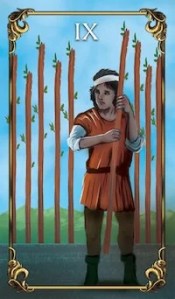
When the 9 of Wands Tarot card appears, it is a gentle nudge from the Universe that you are doing everything right.
It seems to be a slow-moving and stalemate position card, but that is only half true. No action is happening in this card, so making a big move on a key issue is advised against. Instead, pull back, retreat into defensive mode, and assess the situation. You will find that you are farther along in this situation than you initially felt.
This is a courageous card, noting the courage you have exuded along the way in your battles. This card also says your patience will be rewarded if you keep your current course.
Symbolism
When the 9 of Wands Tarot card appears in your day, know that the Tarot is sending a message to acknowledge and validate your sense of perseverance and patience. This card also denotes courage.
This is not an action card but a card to say your patience will pay off. Here we see a man in an almost defensive position. He holds one wand close to his chest, and the others are all up in front of him, almost like a barrier. He looks guarded and peeks between the wands to see what lies ahead. What does he find? A glorious horizon. When this card appears in your day, know that the battles you have been facing are drawing to a close, and your courage will pay off.
Cougar meanings and symbolism include protection, agility, adaptability, secrecy, beauty, and wealth. The cougar (also referred to as a mountain lion, puma, or panther) is native to the Americas, with a range that spans from the Yukon in Canada all the way to Tierra del Fuego in Argentina. As a result, these wild cats are subjects in the mythology of cultures throughout the Americas.
In this post, you’ll learn about cougar symbolism and meanings, the cougar spirit animal, and cougar mythology. This post will also include the symbolism and mythology of the mountain lion, panther, and puma (the alternative names for cougar) and I may use the words interchangeably throughout this post.
Right Side A rune of generosity and the giving and receiving of gifts; and with the help of the Gods, kindness and aid to others. It is a gift and a greeting of peace. Partnerships and relationships are blessed. People unite and relationships move to a deeper level. “The lovers kiss; the bountiful Goddess abundance.” This rune also represents sacrifice and the balance of opposing factions or elements. A remnant of Gyfu gis still sent today to mark the passing of another year.
Reversed This rune reversed is indicative of harm to friendship, separations and self centred behaviour.
Meaning – Spiritual paths, lust, arousal, spiritual guidance, and movement. Onn also represents the health and vitality of intimacy and sexuality. Do not feel bashful about what you desire and allow yourself to experience pleasure fully. Onn can also represent forward motion or movement similar to a wagon wheel. It can be indicative that you need to examine and deepen your connection with your spiritual journey or change your life’s direction. Movement can also indicate an actual trip or moving to a new home.
If reversed – Complications, peril, unhealthy behaviors, and danger. You may be putting yourself in jeopardy by taking too many chances. Do your best to slow down and find the path that is right for you.
Inscription and Magical Uses – Helpful for safe journeys or travel, physical movement issues (health or physical therapy), or to remove obstacles from your path.
Folklore – Gorse was believed to be protective obstructions when planted around the home and would keep the Sidhe (faerie folk) away. It was also used in a famous saying – “When gorse is out of bloom, kissing is out of season.”
Heaven above and Heaven below:
Heaven in constant motion.
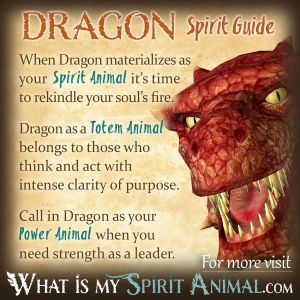
With the strength of the dragon, the Superior Person steels himself for ceaseless activity.
Productive Activity.
Potent Influence.
Sublime Success if you keep to your course.
SITUATION ANALYSIS:
The time for action has come.
You now have the focus and the stamina necessary for accomplishing great tasks.
The path before you is being cleared and reward lies ahead.
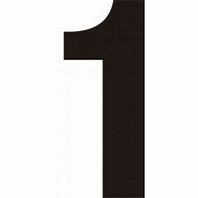
One, among the numbers of the numerological core, is a clear evidence that you are entrusted with a certain mission, and sooner or later you will have to accomplish it. You won’t manage to stay away from situations requiring courage and determination and avoid complications and responsibility forever. The day is sure to come when you perform an Action with a capital A. And it will be the major step on your way, the most striking fact of biography, the action for which you will be assessed by your contemporaries and remembered by your descendants.
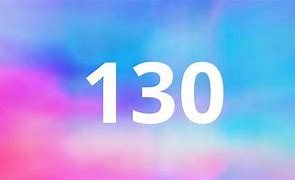
When you see this number repeatedly, that’s a sign that you still question the reason for your existence on this Earth. 130 serves as the beginning point for a newer, better life. If you feel discouraged and you’re on the verge of giving up, your angels compel you to keep striving forward through the number 130. Whenever this number appears in your life, know that you have the power to overcome whatever challenges and obstacles you may be going through. Your angels support you in everything you do, and they urge you to stay broad-minded to live a life full of new expectations.
One of the most interesting facts about angel numbers is that their hidden universal energies lie in their individual digits. In this case, the vibrations and energies of the three numbers—1, 3, and 0— hold the secret meaning of the 130 angel number.
Number 1
Number 1’s a powerful number. It sets solid foundations in the life of a discouraged soul and assures them of new beginnings in the future.
This same number also serves as a special sign from your angels that you’re destined for a life full of success and happiness.
Number 3
Number 3’s vibrational influence enhances your creativity, which, in turn, boosts your inspiration and motivation to spark growth in your life. 3 is a number of progress and blessings.
Number 0
Lastly, number 0’s symbolism is centered around infinity, eternity, and nothingness. This number is the Divine Source’s paradox that goes beyond our limited understanding as human beings, and it also amplifies the influence of the other two numbers.
Number 130
With the information gathered, we can now say that number 130’s a sign that you should take positive action in your life. Number 1’s assurance of new beginnings, number 3’s creativity, and number 0’s infinity combine to give you reason to have a more positive self-expression.
(YOU CAN COPY AND PASTE ANY SPELLS POSTED TO A DOCUMENT TO PRINT AND/OR SAVE ON YOUR COMPUTER)
LOVE SPELL WARNING: Love spells such as this one take the person who you want to love you free will/spirit away. What happens with a spell like this is the person will become obsessed with you to the point of possibly losing their job, which in turn can make them lose their home, automobile, friends, their family, etc. I have heard of people under love spells dying from not eating or drinking when they are not in the presence of the spellcaster 24/7/365. So, unless you want some who only loves you because of a spell you put on them then go for it. But if you want someone to love you because they feel that emotion towards you then please do not do this spell. The same warning goes for animals, birds, reptiles, or anything else that has a heart and can create a bond with someone.
Love and Sweetness Candle Dressing
Not all candles dressings have to include oil. There are many other creative and meaningful ways to make your herbs stick to your candle, like in this recipe. Instead of using oil, the candle will be coated with maple syrup. As a sugary liquid, maple syrup is associated with sweetness and attraction. If you find it to sticky, try mixing it with a few drops of water to dilute it.
For anointing, you will need:
1/2 teaspoon maple syrup
1/2 teaspoon white sugar
1/2 teaspoon crushed rose petals
1 pinch orris root powder
This dressing can be used on any candles that are burned during love spells, including those surround the place where you do your magical working. If you are doing a spell for attraction using two candles (for example, two candles shaped like human beings bound together), the stickiness of the maple syrup serves to fuse the couple together even further. If you don’t like maple syrup, you can use honey, sugar water, or even a really sweet beverage.
By Kate Freuler in Llewellyn’s Witches’ Datebook 2023 page 113
You can use this link to go forward or backward in time for Moon phase information. If you are curious, you can even find out what phase the Moon was in when you or anyone else was born.
The 8 Lunar Phases
There are 8 lunar phases the Moon goes through in its 29.53 days lunar cycle. The 4 major Moon phases are Full Moon, New Moon, First Quarter and Last Quarter. Between these major phases, there are 4 minor ones: the Waxing Crescent, Waxing Gibbous, Waning Gibbous and Waning Crescent. For more info on the Moon Cycle and on each phase check out Wikipedia Lunar Phase page.
Useful Moon Resources
Check the weather before a night of Moon gazing at weather.com
The Moon’s current phase for today and tonight is a Waxing Crescent Phase. Best seen in the west after the sun dips below the horizon at sunset. This is the first Phase after the New Moon and is a great time to see the features of the moon’s surface. The moon is close to the sun in the sky and mostly dark except for the right edge of the moon which becomes brighter as the days get closer to the next phase which is a First Quarter with a 50% illumination.
The Waxing Crescent on May 14 has an illumination of 40%. This is the percentage of the Moon illuminated by the Sun. The illumination is constantly changing and can vary up to 10% a day. On May 14 the Moon is 6.47 days old. This refers to how many days it has been since the last New Moon. It takes 29.53 days for the Moon to orbit the Earth and go through the lunar cycle of all 8 Moon phases.
Phase Details
Phase: Waxing Crescent
Illumination: 40%
Moon Age: 6.47 days
Moon Angle: 0.50
Moon Distance: 399,508.50 km
Sun Angle: 0.53
Sun Distance: 151,234,517.68 km
Southern Hemisphere
15 May 2024
The Moon’s current phase for today and tonight is a First Quarter phase. This phase occurs roughly 7 days after the New Moon when the moon is one quarter of the way through its orbit around the earth. Exactly half the moon will be illuminated and half dark. On the day of the First Quarter phase the moon is high overhead at sunset and is visible until mid-night when it sets in the west. The First Quarter phase is a one-day event and in the following days enters a Waxing Gibbous phase becoming more illuminated each day until the Full Moon.
The First Quarter on May 15 has an illumination of 50%. This is the percentage of the Moon illuminated by the Sun. The illumination is constantly changing and can vary up to 10% a day. On May 15 the Moon is 7.38 days old. This refers to how many days it has been since the last New Moon. It takes 29.53 days for the Moon to orbit the Earth and go through the lunar cycle of all 8 Moon phases.
Phase Details
Phase: First Quarter
Illumination: 50%
Moon Age: 7.38 days
Moon Angle: 0.49
Moon Distance: 402,385.72 km
Sun Angle: 0.53
Sun Distance: 151,266,465.74 km
This week promises social opportunities and exciting romance! Monday is an ideal day to break free from routine and explore new vistas. (At least a new coffee shop.) Monday night is a great date night! Tuesday continues to be friendly and sociable; but Wednesday is crunchy. Oops. Wednesday is tough. Fortunately, Friday sets the tone for a fabulous weekend for romance, socializing, exploring the arts and having fun! Love at first sight can happen on Saturday when Venus is lined up with unpredictable Uranus. And in some cases, this will lead to marriage where two people take turns mashing the trash down in the hopes the other one will cave first and empty the bin.
Aries (March 21-April 19)
Although this is a fun-loving, sociable week, your primary focus will be on money, cash flow and earnings. Ka-ching! You’ll have moneymaking ideas, and because your ruler fiery Mars is in your sign, this means you won’t be afraid to act on them. Oh yeah! In fact, you have boundless energy this week! By the end of the week, you might receive a windfall or a gift, or you might literally find money. Or you might score something amazing when shopping, perhaps a surprising antique? Expect ways to sweeten your assets and fatten your coffers in a sudden way at the end of the week because this is entirely likely! Keep your eyes open because you might have to look. Be alert.
Taurus (April 20-May 20)
This is a lovely, friendly week for you. The Sun, Mercury, Venus, Jupiter and Uranus are all in your sign, boosting your energy and enthusiasm, which will make you a powerful communicator. Many will be attracted to your optimistic energy. (Enthusiasm is contagious.) This is an excellent week to buy wardrobe goodies. And because something unexpected and fortunate will happen at the end of the week, you might want to shop on Saturday to take advantage of this lucky influence of sudden good fortune. Saturday is also a great day to look for a job or negotiate because unexpected opportunities will bless you. The weekend will be a productive time for you. (Meanwhile, do be aware of the possibility that someone around you does not have your best interests at heart. Keep your eyes open. Trust your hunches.)
Gemini (May 21-June 20)
Although social opportunities abound this week, many of you will choose to play things low-key and enjoy your privacy because this is what you really want to do right now. Basically, this is because your personal year is coming to an end, and before your birthday arrives, you need some time to let the dust settle and think about what you want for your personal new year ahead. Nevertheless, competition with sports or groups or classes might take place for some of you. One thing is certain: with Mars in your 11th House, (something that can occur only once every two years for about six weeks) this is the perfect time to formulate goals for the future! Ideas?
Cancer (June 21-July 22)
Get ready to socialize this week because it will be a popular time for you! Many of you will be active with younger people more than usual, as well as creative and artistic people. You’re also ambitious at this time about achieving your goals, which is why you might attract help from others. This weekend, especially Saturday, something unusual or unexpected will occur that changes things for you. You might meet someone unusual. You might spontaneously join a club or an organization. You might fall in love with someone. In fact, this person might be a friend or a casual acquaintance and suddenly voila! Things are turning romantic! Who knew?
Leo (July 23-Aug. 22)
You’re looking swell this week, dear Leo because four planets are at the top of your chart. Not only will people notice you, they will listen to you. Because of this celestial advantage, this is an excellent time to go after what you want. Push the limits. Demand the advantage. Talk to bosses and authority figures. Make your pitch. (You get the idea.) Meanwhile, grab any chance to get outta Dodge because you need a change of scenery. Oh yes, you want some adventure in your life! You should know that these qualities combined will give you the ability to influence others. In part, this is because you identify with your beliefs now and will defend them with passion!
Virgo (Aug. 23-Sept. 22)
Life is thrilling for most of you at this time because you’re motivated to do something different. You’re eager to learn, which means many of you are studying or reading or meeting people from different backgrounds so that you can expand your knowledge of the world. Likewise, you’re motivated to travel because you want a change of scenery. You want adventure! You want the thrill of discovery! Because of this strong desire and motivation – you will make these things happen. If you can’t travel far, you can be a tourist in your own neighbourhood. All kinds of exciting, fresh things will be revealed to you. Perhaps even new love because Saturday is a time that is ripe for love at first sight!
Libra (Sept. 23-Oct. 22)
You’re a social sign and this is a sociable week! Nevertheless, you’re dealing with taxes, debt, shared property, inheritances and insurance issues. (These are loose ends you have to work out.) Fortunately, the gods are with you! Gifts, goodies and favours from others will come your way. And they will surprise you. Therefore, keep your pockets open and hope for the best. Meanwhile, be patient with partners and close friends because fiery Mars is opposite your sign, which makes you irritated with others. Hint: Visualize these feelings of irritation floating up into a little cloud above your head that drifts away and dissolves.
Scorpio (Oct. 23-Nov. 21)
This week there are many possibilities for you in terms of close friendships, relationships and partnerships. To begin with, your focus is strong in these areas, and the presence of Venus and Jupiter will ensure smooth relations with others. Everything is hunky-dory. However, this same astrological influence might suddenly provoke new love, unexpected flirtations and sudden introductions that turn into something exciting! With this in mind, look your best when you go out. And if love at first sight doesn’t happen, walk by a second time. Even though you have this strong focus for socializing with others and meeting potential new love, you’re also working hard this week. (You deserve dessert.)
Sagittarius (Nov. 22-Dec. 21)
More than any other sign, the phrase “work hard/party hard” applies to you because you love the outdoors, you love animals, you love physical activities and you love to party. And when it comes to work – you’re no slouch. This week typifies your impulses in these areas. You have a strong work ethic to be productive and accomplish as much as possible in an efficient, effective way. And you will do this with unexpected praise, bonuses and perks. Surprise job opportunities might fall in your lap. Meanwhile, fiery Mars is in a playful part of your chart urging you to do exactly what you want. Romance will be passionate and competitive sports will appeal. Awright!
Capricorn (Dec. 22-Jan. 19)
Throughout the year, different parts of your chart are highlighted as the planets move through them. This week there is a handful of planets in the most fun-loving, playful part of your chart. Therefore, accept invitations to socialize and party. Don’t hesitate to express yourself, especially creatively. Enjoy sports events and fun activities with kids. And do be aware that for all signs, romance is percolating in the background; however, for you, it’s upfront centre stage! In fact, on Saturday, love at first sight, unexpected flirtations, surprise invitations and other exciting diversions will happen. (However, be careful about sports accidents.) Enjoy!
Aquarius (Jan. 20-Feb. 18)
Home, family and your private life continue to be your primary focus at this time. Fortunately, this is also the same area that will give you pleasure and surprising rewards this week. Bonus! Family discussions and home repairs are likely. You might be involved with a parent more than usual. Redecorating projects will excite you making this is a fabulous week to entertain at home! Meanwhile, by the weekend, especially on Saturday, something unusual and surprising might occur. Stock the fridge because it could be a spontaneous get-together or a surprise party. You might make an unusual purchase that pleases you – something artistic or high tech. Real-estate opportunities might also drop in your lap. Stay tuned!
Pisces (Feb. 19-March 20)
Your busy, fast pace continues this week. However, now life is more upbeat and fun-loving because Mercury will join the Sun, Venus and Jupiter, as well as Uranus in the part of your chart associated with everyday activities, schmoozing with relatives, siblings and neighbours plus, finding opportunities to learn, travel and meet new people and hear new ideas. In a nutshell – this is an exciting week! And by the weekend, something unexpected will surprise you. You might meet someone new and unusual. Sudden romance, especially with someone you already know, might catch you off guard. Meanwhile, you’re working hard to earn money because it’s going out as fast as it comes in. This is a great week to sign up for a course or explore learning opportunities.
(YOU CAN COPY AND PASTE ANY SPELLS POSTED TO A DOCUMENT TO PRINT AND/OR SAVE ON YOUR COMPUTER)
To Be Free of Something Negative
Draw an outline of yourself in the soil. Next, over it draw a symbol representing that which you wish to be free of.
Draw this symbol over the image. Gaze at it, see the symbol as part of yourself, as you are now.
Then, with careful strokes, completely erase the symbol with your fingertips. Make sure you don’t damage your original outline, however, if this happens, redraw immediately. Now gaze at the new you, free of the negative aspect and ready to start again with a cleaner slate.



 Wunjo
Wunjo The Birds

















You must be logged in to post a comment.