
Category: Monthly Information


All Sun Signs Zodiac Horoscopes for December 2023

Click here to read Georgia Nicols Daily, Weekly and Monthly Horoscopes
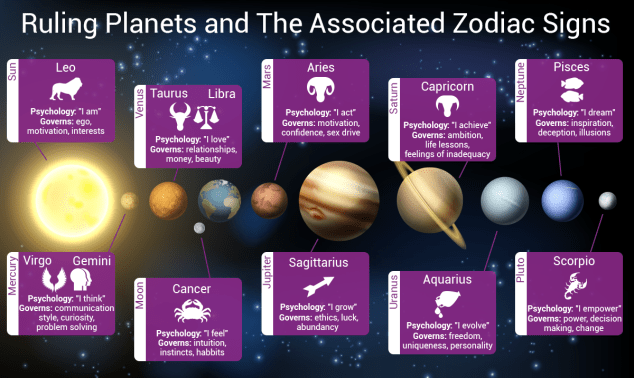
Click here for Anyone’s Birthday or Daily or Monthly Horoscopes from thehoroscope.co
Aires (March 21 – April 19)
Taurus (April 20-May 20)
Gemini (May 21-June 20)
Cancer (June 21-July 22)
Leo (July 23-Aug. 22)
Virgo (Aug. 23-Sept. 22)
Libra (Sept. 23-Oct. 22)
Scorpio (Oct. 23-Nov. 21)
Sagittarius (Nov. 22-Dec. 21)
Capricorn (Dec. 22-Jan. 19)
Aquarius (Jan. 20-Feb. 18)
Pisces (Feb. 19-March 20)
December 2023 Chinese Monthly Horoscope for All Zodiac Signs

December 2023 Chinese Monthly Horoscope for All Zodiac Signs Source: sunsigns.org
December 2023 Chinese Horoscope will give the predictions for the different aspects of a person’s life in that zodiac. These forecasts include all the Chinese zodiac signs, from Rat to Pig, for the year of the Black Water Rabbit.
The Chinese Lunar Calendar 2023 begins on January 22, 2023, and ends on February 09, 2024. December (Month 12) commences on January 11, 2024, and ends on February 9, 2024.
Rat
Rats will be able to find solutions for the existing problems during this month. Career growth may face difficulties. It is essential to face challenges with a calm mind and maintain your balance. Finances should be strictly controlled, and money should be saved as far as possible.
Singles will not be lucky in forming love relations. There will be happiness and joy in marital relationships with the scope for pregnancy. Stress may affect the health condition of Rats. Physical health will require regular diet and exercise plans. Relaxation will maintain mental health.
Ox
Ox people can expect good fortune in all facets of life. The career will progress smoothly. All the problems will be resolved with the necessary effort. There will be financial rewards to increase income.
Finances will look up during the month. There will be good money flow from the existing savings instruments. Married couples can look forward to increased happiness in their love life. Health should be maintained through regular medical checkups and care.
Tiger
Tigers will have good luck during the last month of the year. Career progress will be smooth, and they can complete their projects successfully. Financial investments may prove to be risky. Avoid all speculations.
Singles will be very much fortunate in love. They will get the right partners and should take every opportunity to improve the relationship. Health fortune is not very good. Take care of the ailments promptly. The health of family members also will require immediate attention.
Rabbit
Rabbits will have good fortune in many aspects of life during December 2023. Their career advancement will see them overcome difficulties in their jobs. Their persistence will get the approval of the management. They will be rewarded sufficiently through monetary benefits.
Dragon
Good luck will be smiling on the Dragons during December. The career will see tremendous growth. The company will appreciate your performance, and you will be rewarded with promotions and financial benefits.
Business people will prosper in their ventures. There will be opportunities to expand the current projects and start new ones. Health will not pose any serious problems. Minor ailments can be taken care of by regular medical intervention.
Snake
There will be a steady fortune for the Snakes during December. The career will face quite a few problems. Harmonious relationships with colleagues will help you tide over the crisis.
Money flow will be steady and will cover all the expenses. Investments should be made only in reliable instruments. Avoid giving loans to friends.
Health will pose quite a few problems. Diet and exercise plans may require changes to improve health. A good relationship with a spouse will help to reduce the problems. Any confrontation with your partner can affect your mental health.
Horse
Horse people will be subject to swinging moods during the month. This may affect their overall fortunes. Hence, it is necessary to have control over their emotions.
Career progress will be subject to their excellent performance. Keep your mood under control and try to accomplish your tasks. This will result in promotions and salary benefits.
Singles will have excellent prospects of meeting the love partners of their choice. Marital happiness will improve by maintaining cordial relationships with spouses.
Health will be affected by both physical and mental stress. Keep a check on your activities and relax enough to maintain your health.
Sheep/Ram
December promises to be a lucky month for Sheep individuals. Career development will be smooth. There will not be any problems in executing your projects. Appreciation and rewards are expected from the management.
Finances will improve, and there will be good money flow from previous investments. Singles can look forward to getting married to their love mates. All the problems existing in marital life will disappear, and harmony will return to the union. It can be further improved by couples’ holiday travel and more interaction between the partners.
Health for Goats will face minor problems from time to time. These can be taken care of through immediate medical assistance.
Monkey
Monkeys can look forward to a great month in December. The career will progress well with increased responsibilities and challenges. Your performance will attract the seniors and get promotions and monetary benefits.
Finances will see an uptrend due to the professional income and bonuses increase. All types of speculative investments should be avoided. They will end up in losses.
Single people will find their partners in love in social circles and get-togethers. There will be plenty of opportunities, and they will be lucky in love. Married life will be very cordial, and the partners will understand well.
Health will pose quite a few problems. Maintaining your physical fitness through a good diet and fitness programs is necessary. Otherwise, it may affect progress in other areas of life.
Rooster
The month of December will prove to be very lucky for Roosters. Career professionals will excel in their careers because of their experience and expertise. The company will be able to make good profits because of your performance. Hence, there will be promotions and financial bonuses.
With plenty of money in your kitty, you will have enough money to splurge on luxuries. Single Roosters will be successful in making good partnerships in love. They will get the partners of their liking. Marital happiness will be excellent and complete understanding exists between partners. Health prospects will be expected. You should avoid too much stress and take enough time to relax.
Dog
Dogs can look forward to increasing fortunes during the month. Career Dogs will do commendable work in their professions. Naturally, there will be a commensurate rise in financial incomes.
Finances will require good planning. It is essential to save as much money as possible. Avoid all types of borrowing and lending. The life of married couples will continue to be sweet, and the friendship will continue to add to the happiness of the marriage.
Health will require much more attention. Old diseases tend to reappear and will require immediate medical attention. Diet and exercise programs should be taken up as a priority to maintain good health.
Pig
Pigs can expect an auspicious month to end the year on a happy note.
Career people will get opportunities to improve their knowledge through advanced courses. The unemployed will do well in their ambition to get into good jobs. Money flow will be copious, and surplus money should be invested in secure investments.
Singles will be lucky to get the right partners in love. Married couples can go on a pleasure trip to increase the happiness and harmony in their union. Health will be fabulous, and hardly any problems will come up.
November 2023 Celestial Events (Including Retrograde Planet Information)
November 2023 Celestial Events Source: labroots.com
Labroots believes in the sharing of knowledge, and we wish to highlight key celestial events for November 2023 that all skywatchers are sure to enjoy. The night sky is full of wonders, from our Moon to planets to objects both within and well beyond the reaches of our solar system, and the events listed below are sure to get you excited for the wonders of astronomy. Each event is labeled in all caps for the type of event (e.g., MOON, PLANET, COMET, etc.) to provide skywatchers additional excitement to catch these incredible events!
November 3 (PLANET): Jupiter will be in opposition. This means the Sun, Earth and Jupiter will be lined up with Jupiter being the farthest of the objects. An object’s opposition means this is the most beneficial time to observe it, as it will be closest to Earth, along while being fully lit by the Sun, meaning it will be in its full phase.
November 4 (PLANET): Saturn ends retrograde motion. This means Saturn’s path across the sky will stop going in reverse and start moving forward again. Retrograde motion is experienced for all planets since they all orbit at different speeds, so they appear to move backwards during specific times of our year. For example, Saturn began appearing to move backwards in the sky on June 17 and will end this period on November 4 of this year.
November 5 (MOON): Last Quarter Moon. When observing from the Earth, this is when the entire left side of the Moon is lit while the right side is encased in darkness.
November 6 (METEOR SHOWER): Peak of Southern Taurids meteor shower. This means the Southern Taurids meteor shower will be at its maximum and viewers are recommended to see them just after midnight with an estimated five meteors per hour and some are anticipated to be fireballs.
November 9 (MOON and PLANET): The Earth’s Moon and the planet Venus will pass within 1-degree of each other.
November 10 (COMET): The comet C/2023 H2 (Lemmon) will make its closest approach to Earth, also known as perigee, at 0.19 astronomical units (AU), or approximately 17,662,000 miles away. For context, the orbit of Mars is approximately 50 million miles from the Earth’s orbit, so Lemmon will be between Earth and Mars during its perigee.
November 11 (MOON and STAR): The Earth’s Moon and the star Spica will pass within just over 2-degrees of each other.
November 13 (MOON): New Moon. When observing from the Earth, this is when the entire Moon will be completely encased in darkness.
November 14 (MOON, PLANET, and STAR): The Earth’s Moon will pass just over 1-degree from the planet Mercury and just under 1-degree from the star Antares.
November 16 (PLANET and STAR): The planet Mercury will pass just over 2-degrees from the star Antares.
November 18 (METEOR SHOWER, PLANET, and SUN): Peak of Leonids meteor shower. This means the Leonids meteor shower will be at its maximum and viewers are recommended to see them just after midnight with an estimated 10-15 meteors per hour and some are anticipated to be fireballs. Additionally, Mars will be in conjunction with the Sun, meaning the Red Planet will be on the opposite side of the Sun from Earth. This is clearly unobservable, but just a neat way to know where Mars will be located during this time.
November 20 (MOON and PLANET): First Quarter Moon. When observing from the Earth, this is when the entire right side of the Moon is lit while the left side is encased in darkness. Additionally, the Moon will pass within just over 2-degrees from the planet Saturn.
November 21 (METEOR SHOWER): Peak of Alpha Monocerotids meteor shower. This means the Alpha Monocerotids meteor shower will be at its maximum and viewers are recommended to see them just after midnight with variable number of meteors per hour and some are anticipated to be fireballs.
November 25 (MOON and PLANET): The Earth’s Moon will pass just over 2-degrees from the planet Jupiter.
November 27 (MOON and CONSTELLATION): Full Beaver Moon, which was given this name from Native American tribes in celebration of beavers. Additionally, the Moon will pass just over 1-degree from the constellation Pleiades.
November 28 (METEOR SHOWER, PLANET, and STAR): Peak of November Orionids meteor shower. This means the November Orionids meteor shower will be at its maximum and viewers are recommended to see them just after midnight with three meteors per hour and some are anticipated to be fireballs. Additionally, the planet Venus will pass just over 3-degrees from the star Spica.
Full Moon and New Moon for November 2023
November 2023 Moon Phase Information Source: moongiant.com
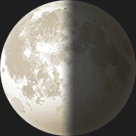 Last Quarter November 5 08:36 UTC |
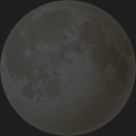 New Moon November 13 09:27 UTC |
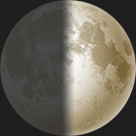 First Quarter November 20 10:50 UTC |
 |
November 2023 Moon Details
The Full Moon for this month will occur later in the month on Monday, November 27th. The New Moon is earlier in the month on Monday, November 13th.
About November’s Full Moon
With the changing of the seasons, November’s full moon marks the beginning of the end. In many different cultures, November’s full moon is intimately connected with death and loss, on both a literal and symbolic level. The Celts, for instance, called it the Reed Moon, comparing the mournful music made by wind instruments to the ghoulish sounds of spirits being drawn into the underworld. And not without good reason – the Full Mourning Moon marks a dangerous time of the year where people could easily slip into the underworld with a single misstep.
We may enjoy the luxury of winter coats and central heating now, but freezing to death during the long, dark winters used to be a very real threat to early inhabitants of Northern America. In order to survive, making warm winter clothing out of beaver fur was crucial for American colonists and Native American tribes. This is why November’s full moon is also known as the Beaver Moon. During this month, beavers are very active, working hard on dam construction, and so this was a good time to start harvesting their fur.
Missing the timing for this would mean death for these early Northern American communities, as the rivers would freeze over, making it impossible to set out traps. Many Native American tribes, including the Cree, Arapaho, and Abenaki tribes, called November’s full moon the “Moon When Rivers Start to Freeze”. This name drives home the importance of November’s full moon as a signal for these Native American tribes to begin trapping beavers before it was too late, as well as to complete their preparations for the darkest depths of winter.
For the Pagans, on the other hand, the final stage of their winter preparations involve the very important process of “mourning” – which is why they call the last moon before the winter solstice the Mourning Moon. After a full year of accumulating possessions, both physically and otherwise, the Mourning Moon is the perfect time to let go of old, unnecessary things, while giving yourself permission to mourn their passing. Practicing Pagans may perform a moonlit ritual where they write down the things they want to rid themselves of, and ask their Goddess for help in removing unwanted burdens.
Pagan traditions aside, anyone can benefit from taking the time to self-reflect and to let go. Take advantage of the Full Mourning Moon this November to look back on your year and take stock of your desires, your ambitions, your mental and behavioral habits, and the people you spend your energy on. Clean your living and work spaces, and sort out the physical objects that are not contributing to your well-being. Take the time to fully mourn and let go of anything – or anyone – that does not bring you joy, so that you can begin to move forward, unfettered, towards a lighter and happier new year.
Local Date and Time for November 2023 Full Moon in major cities around the world:
Los Angeles,
San Francisco,
Vancouver
November 27, 2023
1:16am PST
Denver,
Salt Lake City,
Calgary
November 27, 2023
2:16am MST
Chicago,
Houston,
San Antonio
November 27, 2023
3:16am CST
New York,
Toronto,
Atlanta
November 27, 2023
4:16am EST
London,
Manchester,
Dublin
November 27, 2023
9:16am GMT
Paris,
Rome,
Berlin
November 27, 2023
10:16am CET
Athens,
Istanbul,
Helsinki
November 27, 2023
11:16am EET
Dubai,
Abu Dhabi,
Muscat
November 27, 2023
1:16pm +04
Bangalore,
Mumbai,
New Delhi
November 27, 2023
2:46pm IST
Singapore,
Kuala Lumpur
November 27, 2023
5:16pm +08
Perth,
Hong Kong,
Beijing
November 27, 2023
5:16pm AWST
Sydney,
Brisbane,
Melbourne
November 27, 2023
8:16pm AEDT
November 2023 Moon Phase Calendar – Printable
November 2023 Moon Phases Source: en.tutiempo.net
| Monday | Tuesday | Wednesday | Thursday | Friday | Saturday | Sunday |
1 |
2 |
3 |
4 |
5 |
||
6 |
7 |
8 |
9 |
10 |
11 |
12 |
13 New |
14 |
15 |
16 |
17 |
18 |
19 |
20 |
21 |
22 |
23 |
24 |
25 |
26 |
27 Full |
28 |
29 |
30 |
November 2023 Chinese Horoscopes
Click here to read anyone’s birthday traits and more from sunsigns.org
November 2023 Chinese Monthly Horoscope for All Zodiac Signs
November 2023 Chinese Horoscope will give the likely happenings for the different areas of a person’s life of that zodiac. These predictions include all the Chinese zodiac signs, from Rat to Pig, for the year of the Black Water Rabbit.
The Chinese Lunar Calendar 2023 begins on January 22, 2023, and ends on February 09, 2024. November Month (Month 11) commences on December 13, 2023, and ends on January 10, 2024.
RAT
Rats can look forward to good luck in their career and wealth. A career offers good opportunities for advancement. They will get good promotions and salary benefits for their hard work. There will be chances for foreign travel for the promotion of the business.
Maintaining good relationships with juniors and seniors at the workplace is essential. Finances look up with increasing profits from investments. Health may pose a few problems. Proper medical care is required to maintain physical fitness.
OX
There will be declining fortunes for Ox people during the month. They will have to work harder at the workplace as there will be stiff competition between colleagues. Finances may face a few challenges. Return on investments will not be up to expectations. Single Ox may find it challenging to get into love relationships. There will be a sense of frustration.
Married life will be stressful as there will be constant fights between partners. Health will be affected by both physical and emotional stress. A regular diet with exercise will help physical fitness. Relaxation will be required to take care of mental health.
TIGER
Luck will be somewhat stable for the Tigers this month. Career advancement will be good, with possibilities of promotions and monetary rewards. The management will appreciate their hard work. They will also get the benefit of interacting with experts in the field.
Single Tigers have good prospects of getting into love partnerships. Married life will lack the excitement expected.
RABBIT
Rabbits can expect to have good fortune in most aspects of life. Career progress will be regular without much excitement. Finances will be just enough to cover the expenses.
Singles will have chances to get into love alliances during social activities. There are chances for a pleasure trip with family members, which will provide more bonding between the members. Health can be maintained by resorting to healthy practices and through enough relaxation.
DRAGON
There will be average luck during the month for the Dragons. Achieving career growth requires regular hard work and harmonious relationships with colleagues.
Finances will require more study to get good returns. All speculative investments should be avoided. Singles might fail to get the right love partners. Married people require more understanding to avoid conflicts. Health requires proper nurturing and exercise to remain in shape.
SNAKE
Snakes can look forward to steady luck during the month. Career advancement will be good but very much challenging. Possibilities of promotions and salary increases do exist. Having good relationships with one at all at the workplace is necessary.
Finances will see an uptrend during the month. Financial returns will be excellent. There will be opportunities for the expansion of the existing ventures as well as for initiating new ones. Singles may find it hard to get suitable love mates. Married couples should strive to maintain cordial relationships. Health will not pose many serious problems.
HORSE
Horses will have mixed fortunes during the month. Career progress will be affected due to bad performance and bad relations with colleagues at the office. More sincere and efficient work will help to minimize the distressing situation.
Finances will be stressful, and all risky investments should be avoided. Singles will have good opportunities to meet their prospective lovers. Married people will have a tough time, and there will be the possibility of breakups. All efforts should be made to save the relationship. Planning for a child should be done with care
Health will be affected by stress at the workplace and in the family surroundings. Proper relaxation and outings with family members will help in maintaining good health.
SHEEP
Sheep people can look forward to average fortunes during the month.
Career opportunities promise to be profitable. There will be possibilities for promotions and financial incentives based on hard work. They will come in contact with experts in the field, which will be beneficial for their career progress.
Relationships are in for bad luck during the month. Singles will not be able to get suitable love mates. Married people will face constant disagreements with their partners. They should make the necessary compromises to keep the marriage moving.
MONKEY
Monkeys can expect increasing fortunes during the month. Career professionals will make appreciable progress in their careers. The leaders will appreciate your performance, and there will be promotions with financial benefits.
Finances will be positive, and the money flow will be enough to cover the regular expenses. Singles can choose the right love partners in their social interactions. There will be friendship between married couples without any significant differences. The partners will go out of their way to maintain harmony.
Health can be maintained through a strict exercise and diet program. Mental health will require outdoor activities coupled with relaxation.
ROOSTER
Fortunes will decline for the Roosters during the month.
Investments require expert advice and good planning. Risky investments will end up in substantial financial losses. It is not a good month for love relationships.
Singles will hardly get a chance to meet suitable love mates. Third-party intervention may prove a spoiler for marital relationships. Extra-marital affairs should be strictly avoided for the marriage to move forward.
DOG
Fluctuating fortunes mark the lives of Dogs during the month.
Career progress will be good for diligent professionals. The management will recognize your performance. Single Dogs can hardly expect to meet suitable love mates, and the chances of relationships are bleak.
Married life will be constantly affected by severe conflicts, and the relationship will be highly stressful. Finding solutions for problems and maintaining harmony in the marriage is significant.
PIG
Fluctuating luck will mark the lives of Pigs during the month. Career progress will be good, provided Pigs can successfully overcome the demanding situations at work.
Finances for boars will see good profits from the previous savings. Speculative investments should be avoided at all costs. Singles will have a good chance of meeting their love mates through social contacts. Married life can be made harmonious through frequent interactions and avoiding all misunderstandings frequently.
Health will be a source of distress. All problems should be treated promptly through medical intervention. The health of children will require more care.
November 2023 Sun Sign Horoscopes
Click here for Anyone’s Birthday or Daily or Monthly Horoscopes from thehoroscope.co
ARIES
TAURUS
GEMINI
CANCER
LEO
VIRGO
LIBRA
SCORPIO
SAGITTARIUS
CAPRICORN
AQUARIUS
PISCES

Click here to read more about traits for anyone’s birthday horoscope from tarot.com
General Monthly Horoscope by Maria DeSimone
November 2023: Love makes the world a more beautiful place — and this month, it will be all around us! Venus enters Libra, its home sign, on November 8. Until it leaves again on December 4, we’ll have extraordinary support for both relationship harmony and aesthetically pleasing projects (like decorating) that we want to move forward with.
A New Moon in Scorpio on November 13 could bring an unexpected turn of events. It grants us the ability to expose and heal secrets, lies, or even fears that were once crippling. This will also prompt us to seek a deeper connection with others, although we should avoid using another person’s weakness against them to promote our own agenda. The ends won’t justify the means.
Then, on November 24, Mars enters Sagittarius. It’ll be time to chase passionate experiences! We will be inspired to grow and expand our horizons. Mars will show us the courage of our convictions that push us forward in any area of our life that requires us to be true to our beliefs. Even so, the Full Moon in Gemini on November 27 might bring mixed messages under the cosmic spotlight, creating more confusion than anything else. The ruler of this Full Moon, Mercury, will square nebulous Neptune. Information will be revealed, but we shouldn’t blindly trust it.
More Monthly Horoscopes
Click here and scroll down to read your complete monthly horoscope
For an accurate horoscope experience, we recommend reading both your Sun and Rising sign horoscopes. Not sure what your Rising sign is? Find out now with a free Cosmic Profile!
Aries: It’s your turn to enjoy harmony — and relationship blessings! Venus enters your partnership sector on November…
Taurus: When you love this month’s work, it may not even feel like work. Venus enters your focused 6th house on November…
Gemini: November might turn into the most pleasurable month for you this year! Venus enters your light-hearted 5th house…
Cancer: Your domestic life might finally become everything you’ve always dreamed of, with peace prevailing between you…
Leo: Your mind will potentially be on love for most of November — and your thoughts on this topic are likely quite…
Virgo: Financial prospects are gleaming! On November 8, Venus enters your earned income sector, creating gorgeous opportunities…
Libra: It’s true that beauty comes from within, but it doesn’t hurt when you’re radiant on the outside! This month, your…
Scorpio: Fresh starts don’t necessarily signal success this month. As far as your love life goes, you may find yourself…
Sagittarius: Your social life might be the brightest part of this month for you. Venus enters your friendly 11th house on November…
Capricorn: This month, you might be reminded of the more gratifying parts of your career — potentially even by receiving…
Aquarius: A career opportunity is right around the corner — though, simultaneously, you may encounter some trouble at home.…
Pisces: Your wallet may have something to be grateful for this month — and it might be thanks to someone else. Venus…
November 2023 Woldwide Holiday Calendar
November 2023 Source: holidayscalendar.com
| Date | Name | Location / Topic | |
|---|---|---|---|
| All Saints’ Day |  |
||
| Liberty Day |  |
||
| Independence Day |  |
||
| World Vegan Day |  |
||
| All Saints’ Day | |
||
| Revival Day |  |
||
| Anniversary of the Revolution |  |
||
| National Authors’ Day |  |
||
| National Calzone Day |  |


November 2023 Gardening by the Moon Phase – Printable or Save to a Word Document on Your Computer
November 2023 Gardening by the Moon Phase Source: mooncalendar.astro-seek.com
Please read this first:
Please keep in mind, that Gardening by Moon Phase and Gardening by Moon Zodiac Sign are two different/independent biodynamic systems and they might give you different or contradictiory gardening recommendations. Try to experiment also with these two zodiac systems to find which system suits you better.
1) Moon Phase x Moon Zodiac Sign:
a) Each Moon Phase (except Full Moon and New Moon) lasts about 1 week
b) Each Moon Zodiac Sign lasts about 2.5 days
2) Tropical (Astrological) x Sidereal (Astronomical) Zodiac:
(1-2 days difference in Leaf, Fruit, Root and Flower days)
There are two different zodiacs for determining the Moon Sign:
a) Tropical zodiac (Astrological) is based on the seasons – Vernal Equinox is fixed as 0° Aries (The 1st Fruit day)
b) Sidereal zodiac (Astronomical) takes into account Precession of Equinoxes and shifts 0° Aries back by cca 1-2 days. Maria Thun who was an authority on biodynamics was using this Sidereal zodiac
Moon Sign is calculated according to:

Moon Sign is calculated according to:
Tropical Zodiac (Vernal Equinox is fixed as 0° Aries)
Sidereal Zodiac (Includes Precession of Equinoxes. Used by Maria Thun)

| Date 2023 |
Moon Phase | Gardening by the Moon Phase |
Gardening by the Moon Zodiac Sign Tropical Zodiac (by Seasons) |
|||||
| Nov 1 Wed |
 |
Waning Gibbous | Sow/Plant: Below ground plants, especially Root plants Plant trees, shrubs and perennials – Harvest all crops |
|
||||
| Nov 2 Thu |
 |
Waning Gibbous | Sow/Plant: Below ground plants, especially Root plants Plant trees, shrubs and perennials – Harvest all crops |
|
||||
| Nov 3 Fri |
 |
Waning Gibbous | Sow/Plant: Below ground plants, especially Root plants Plant trees, shrubs and perennials – Harvest all crops |
|
||||
| Nov 4 Sat |
|
Waning Gibbous | Sow/Plant: Below ground plants, especially Root plants Plant trees, shrubs and perennials – Harvest all crops |
|
||||
| Nov 5 Sun |
 |
Last Quarter | Sow/Plant: Below ground plants, especially Root plants Plant trees, shrubs and perennials – Harvest all crops |
|
||||
| Nov 6 Mon
|
 |
Waning Crescent | Barren phase: Time to rest. Avoid seed sowing – Harvest and store crops Spraying days: Moon Opposition Saturn |
|
||||
| Nov 7 Tue |
 |
Waning Crescent | Barren phase: Time to rest. Avoid seed sowing – Harvest and store crops |
|
||||
| Nov 8 Wed |
|
Waning Crescent | Barren phase: Time to rest. Avoid seed sowing – Harvest and store crops |
|
||||
| Nov 9 Thu |
 |
Waning Crescent | Barren phase: Time to rest. Avoid seed sowing – Harvest and store crops |
|
||||
| Nov 10 Fri |
 |
Waning Crescent | Barren phase: Time to rest. Avoid seed sowing – Harvest and store crops |
|
||||
| Nov 11 Sat |
 |
Waning Crescent | Barren phase: Time to rest. Avoid seed sowing – Harvest and store crops |
|
||||
| Nov 12 Sun |
 |
Waning Crescent | Barren phase: Time to rest. Avoid seed sowing – Harvest and store crops |
|
||||
| Nov 13 Mon |
 |
NEW MOON at 09:27 |
Time to rest, celebrate and meditate |
|
||||
| Nov 14 Tue |
 |
Waxing Crescent | Sow/Plant: Above ground annuals, especially Leaf plants also Cereals, Herbs, Cucumbers – Mow lawns (to increase growth) |
|
||||
| Nov 15 Wed |
 |
Waxing Crescent | Sow/Plant: Above ground annuals, especially Leaf plants also Cereals, Herbs, Cucumbers – Mow lawns (to increase growth) |
|
||||
| Nov 16 Thu |
 |
Waxing Crescent | Sow/Plant: Above ground annuals, especially Leaf plants also Cereals, Herbs, Cucumbers – Mow lawns (to increase growth) |
|
||||
| Nov 17 Fri |
|
Waxing Crescent | Sow/Plant: Above ground annuals, especially Leaf plants also Cereals, Herbs, Cucumbers – Mow lawns (to increase growth) |
|
||||
| Nov 18 Sat |
 |
Waxing Crescent | Sow/Plant: Above ground annuals, especially Leaf plants also Cereals, Herbs, Cucumbers – Mow lawns (to increase growth) |
|
||||
| Nov 19 Sun |
 |
Waxing Crescent | Sow/Plant: Above ground annuals, especially Leaf plants also Cereals, Herbs, Cucumbers – Mow lawns (to increase growth) |
|
||||
| Nov 20 Mon |
 |
First Quarter | Sow/Plant: Above ground annuals, especially Leaf plants also Cereals, Herbs, Cucumbers – Mow lawns (to increase growth) |
|
||||
| Nov 21 Tue |
 |
Waxing Gibbous | Sow/Plant: Above ground annuals, especially Fruit plants also Cereals and Flowers – Mow lawns (to increase growth) |
|
||||
| Nov 22 Wed |
 |
Waxing Gibbous | Sow/Plant: Above ground annuals, especially Fruit plants also Cereals and Flowers – Mow lawns (to increase growth) |
|
||||
| Nov 23 Thu |
 |
Waxing Gibbous | Sow/Plant: Above ground annuals, especially Fruit plants also Cereals and Flowers – Mow lawns (to increase growth) |
|
||||
| Nov 24 Fri |
 |
Waxing Gibbous | Sow/Plant: Above ground annuals, especially Fruit plants also Cereals and Flowers – Mow lawns (to increase growth) |
|
||||
| Nov 25 Sat |
 |
Waxing Gibbous | Sow/Plant: Above ground annuals, especially Fruit plants also Cereals and Flowers Optimum planting day (2 days before the Full Moon) – Mow lawns (to increase growth) |
|
||||
| Nov 26 Sun |
 |
Waxing Gibbous | Sow/Plant: Above ground annuals, especially Fruit plants also Cereals and Flowers Optimum planting day (2 days before the Full Moon) – Mow lawns (to increase growth) |
|
||||
| Nov 27 Mon |
 |
FULL MOON at 09:16 |
Time to rest, celebrate and meditate
Pick medicinal herbs and plants |
|
||||
| Nov 28 Tue |
 |
Waning Gibbous | Sow/Plant: Below ground plants, especially Root plants Plant trees, shrubs and perennials – Harvest all crops |
|
||||
| Nov 29 Wed |
 |
Waning Gibbous | Sow/Plant: Below ground plants, especially Root plants Plant trees, shrubs and perennials – Harvest all crops |
|
||||
| Nov 30 Thu |
 |
Waning Gibbous | Sow/Plant: Below ground plants, especially Root plants Plant trees, shrubs and perennials – Harvest all crops |
|
||||
 Taurus
 Gemini
 Cancer
 Leo
Leo Virgo
Virgo Libra
Libra Scorpio
 Sagittarius
 Capricorn
 Aquarius
 Pisces
 Aries
AriesGardening by the Moon Zodiac Sign (Element) – Legend
| Biodynamic Calendar – Icon Legend | |
 |
Leaf days (Water Element)
|
 |
Fruit days (Fire Element)
|
 |
Root days (Earth Element)
|
 |
Flower days (Air Element)
|
| Gardening by the Moon Phase – Legend | |
 |
NEW MOON
|
 |
NEW MOON PHASE
New Moon -» First Quarter (Waxing Crescent) – Moonlight is increasing – Strongest gravitational pull – Soil releases / Earth exhales / Energy draws UP into upper planets
|
|
FIRST QUARTER PHASE
First Quarter -» Full Moon (Waxing Gibbous) – Moonlight becomes stronger – Gravitational pull is a little less now – Soil releases / Earth exhales / Energy draws UP into upper planets
|
|
FULL MOON
|
|
FULL MOON PHASE
Full Moon -» Last Quarter (Waning Gibbous) – Moonlight is decreasing – Gravitational pull is decreasing – Soil absorbs / Earth inhales / Energy draws DOWN into the Roots
|
|
LAST QUARTER PHASE
Last Quarter -» New Moon (Waning Crescent) – Moonlight has decreased – Gravitational pull has decreased – Soil absorbs / Earth inhales / Energy draws DOWN into the Roots
|
| Moon Opposition Saturn | |
   |
SPRAYING DAYS
|
Moon Sign is calculated according to:
Tropical Zodiac (Vernal Equinox is fixed as 0° Aries)
Sidereal Zodiac (Includes Precession of Equinoxes. Used by Maria Thun)

| Date 2023 |
Moon Phase | Gardening by the Moon Phase |
Gardening by the Moon Zodiac Sign Tropical Zodiac (by Seasons) |
|||||
| Nov 1 Wed |
|
Waning Gibbous | Sow/Plant: Below ground plants, especially Root plants Plant trees, shrubs and perennials – Harvest all crops |
|
||||
| Nov 2 Thu |
|
Waning Gibbous | Sow/Plant: Below ground plants, especially Root plants Plant trees, shrubs and perennials – Harvest all crops |
|
||||
| Nov 3 Fri |
|
Waning Gibbous | Sow/Plant: Below ground plants, especially Root plants Plant trees, shrubs and perennials – Harvest all crops |
|
||||
| Nov 4 Sat |
|
Waning Gibbous | Sow/Plant: Below ground plants, especially Root plants Plant trees, shrubs and perennials – Harvest all crops |
|
||||
| Nov 5 Sun |
|
Last Quarter | Sow/Plant: Below ground plants, especially Root plants Plant trees, shrubs and perennials – Harvest all crops |
|
||||
| Nov 6 Mon
|
|
Waning Crescent | Barren phase: Time to rest. Avoid seed sowing – Harvest and store crops Spraying days: Moon Opposition Saturn |
|
||||
| Nov 7 Tue |
|
Waning Crescent | Barren phase: Time to rest. Avoid seed sowing – Harvest and store crops |
|
||||
| Nov 8 Wed |
|
Waning Crescent | Barren phase: Time to rest. Avoid seed sowing – Harvest and store crops |
|
||||
| Nov 9 Thu |
|
Waning Crescent | Barren phase: Time to rest. Avoid seed sowing – Harvest and store crops |
|
||||
| Nov 10 Fri |
|
Waning Crescent | Barren phase: Time to rest. Avoid seed sowing – Harvest and store crops |
|
||||
| Nov 11 Sat |
|
Waning Crescent | Barren phase: Time to rest. Avoid seed sowing – Harvest and store crops |
|
||||
| Nov 12 Sun |
|
Waning Crescent | Barren phase: Time to rest. Avoid seed sowing – Harvest and store crops |
|
||||
| Nov 13 Mon |
|
NEW MOON at 09:27 |
Time to rest, celebrate and meditate |
|
||||
| Nov 14 Tue |
|
Waxing Crescent | Sow/Plant: Above ground annuals, especially Leaf plants also Cereals, Herbs, Cucumbers – Mow lawns (to increase growth) |
|
||||
| Nov 15 Wed |
|
Waxing Crescent | Sow/Plant: Above ground annuals, especially Leaf plants also Cereals, Herbs, Cucumbers – Mow lawns (to increase growth) |
|
||||
| Nov 16 Thu |
|
Waxing Crescent | Sow/Plant: Above ground annuals, especially Leaf plants also Cereals, Herbs, Cucumbers – Mow lawns (to increase growth) |
|
||||
| Nov 17 Fri |
|
Waxing Crescent | Sow/Plant: Above ground annuals, especially Leaf plants also Cereals, Herbs, Cucumbers – Mow lawns (to increase growth) |
|
||||
| Nov 18 Sat |
|
Waxing Crescent | Sow/Plant: Above ground annuals, especially Leaf plants also Cereals, Herbs, Cucumbers – Mow lawns (to increase growth) |
|
||||
| Nov 19 Sun |
|
Waxing Crescent | Sow/Plant: Above ground annuals, especially Leaf plants also Cereals, Herbs, Cucumbers – Mow lawns (to increase growth) |
|
||||
| Nov 20 Mon |
|
First Quarter | Sow/Plant: Above ground annuals, especially Leaf plants also Cereals, Herbs, Cucumbers – Mow lawns (to increase growth) |
|
||||
| Nov 21 Tue |
|
Waxing Gibbous | Sow/Plant: Above ground annuals, especially Fruit plants also Cereals and Flowers – Mow lawns (to increase growth) |
|
||||
| Nov 22 Wed |
|
Waxing Gibbous | Sow/Plant: Above ground annuals, especially Fruit plants also Cereals and Flowers – Mow lawns (to increase growth) |
|
||||
| Nov 23 Thu |
|
Waxing Gibbous | Sow/Plant: Above ground annuals, especially Fruit plants also Cereals and Flowers – Mow lawns (to increase growth) |
|
||||
| Nov 24 Fri |
|
Waxing Gibbous | Sow/Plant: Above ground annuals, especially Fruit plants also Cereals and Flowers – Mow lawns (to increase growth) |
|
||||
| Nov 25 Sat |
|
Waxing Gibbous | Sow/Plant: Above ground annuals, especially Fruit plants also Cereals and Flowers Optimum planting day (2 days before the Full Moon) – Mow lawns (to increase growth) |
|
||||
| Nov 26 Sun |
|
Waxing Gibbous | Sow/Plant: Above ground annuals, especially Fruit plants also Cereals and Flowers Optimum planting day (2 days before the Full Moon) – Mow lawns (to increase growth) |
|
||||
| Nov 27 Mon |
|
FULL MOON at 09:16 |
Time to rest, celebrate and meditate
Pick medicinal herbs and plants |
|
||||
| Nov 28 Tue |
|
Waning Gibbous | Sow/Plant: Below ground plants, especially Root plants Plant trees, shrubs and perennials – Harvest all crops |
|
||||
| Nov 29 Wed |
|
Waning Gibbous | Sow/Plant: Below ground plants, especially Root plants Plant trees, shrubs and perennials – Harvest all crops |
|
||||
| Nov 30 Thu |
|
Waning Gibbous | Sow/Plant: Below ground plants, especially Root plants Plant trees, shrubs and perennials – Harvest all crops |
|
||||
Gardening by the Moon Zodiac Sign (Element) – Legend
| Biodynamic Calendar – Icon Legend | |
|
Leaf days (Water Element)
|
|
Fruit days (Fire Element)
|
|
Root days (Earth Element)
|
|
Flower days (Air Element)
|
| Gardening by the Moon Phase – Legend | |
|
NEW MOON
|
|
NEW MOON PHASE
New Moon -» First Quarter (Waxing Crescent) – Moonlight is increasing – Strongest gravitational pull – Soil releases / Earth exhales / Energy draws UP into upper planets
|
|
FIRST QUARTER PHASE
First Quarter -» Full Moon (Waxing Gibbous) – Moonlight becomes stronger – Gravitational pull is a little less now – Soil releases / Earth exhales / Energy draws UP into upper planets
|
|
FULL MOON
|
|
FULL MOON PHASE
Full Moon -» Last Quarter (Waning Gibbous) – Moonlight is decreasing – Gravitational pull is decreasing – Soil absorbs / Earth inhales / Energy draws DOWN into the Roots
|
|
LAST QUARTER PHASE
Last Quarter -» New Moon (Waning Crescent) – Moonlight has decreased – Gravitational pull has decreased – Soil absorbs / Earth inhales / Energy draws DOWN into the Roots
|
| Moon Opposition Saturn | |
|
SPRAYING DAYS
|
NOVEMBER 2023 PAGAN CALENDAR OF OBSERVANCES
PAGAN CALENDAR OF OBSERVANCES Source: wiccanfamilytemple.org
0CT. 31 – Nov 6: Mid-Autumn / Day of the Dead / Hallowmas – Festival marking the transformation of life to death, the end of the agricultural year, departure of migrating and hibernating animals, and decay and death of vegetal and animal life. Observed by remembering departed ancestors and contemplating one’s own mortality.
NOV. 1: Cailleach’s Reign—Day of the Banshees; honoring the Riders of the Wild Hunt who search for souls to transport to the Land of Shadows. Reign of Celtic Cailleach, Crone Goddess.
NOV. 2: – White Tara Day. Day for meditation on Tantric Bodhisattva Goddess, White Tara, who guides the dead to Buddha Amitabha’s Pure Land, where all will find salvation.
– Egyptian Festival of Hathor: Mother of the Gods
NOV. 7 – 9: Feast of Divine Justice – Source of just law, honoring Goddess-God as Maat-Thoth (Egyptian); Goddess as Themis (Greek), Justice (Christian), and God as Forseti (Norse).
NOV. 11: Feast of Dionysus – Greek God whom Yeshua was “connected to” as the Cosmic Gnosis.
– Celtic Lunatishees—Day of the Fairy Sidhe; honoring the Other People in whom is held the immortal life force; Old November Eve [Samhain on old calendar].
NOV. 13: Festival of Jupiter – Roman deity associated with rain and agriculture, prime protector of the state, and concerned with all aspects of life.
– Roman Fontinalia – Feast of Fons, God of Springs.
NOV. 14: Feast of Musicians and Bards – Druid celebration of the Celtic musical arts.
NOV. 16: – Thracian Night of Hecate, Greek Goddess of the Hags or Wisewomen, (later called Witches), her name comes from Heqa-ma’at, a goddess in the ancient Egyptian Book of the Dead who later became Hekmah or Hokmah (also spelled Chokmah) meaning wisdom in the ancient Hebrew Bible (Old Testament). From Heqa-ma’at / Hecate / Hokmah we get the Greek word for wisewoman or holywoman, “hag”. Honoring Hecate – Thracian Goddess of the Moon, Magick, and Witches as the Teacher of the Craft.
NOV. 22: NIGHT OF SHIVA—family feast day honoring Shiva as the Pillar of Light/the life-force as the Infinite Light, with oil lamps and candlelight.
– Roman Festival of Diana: Goddess of Moon, Hunt, Wilderness, Birth.
NOV. 27: Uma/Parvati Day—honoring the Goddess as Queen and Mother of the Universe.
NOV. 29: Egyptian Feast of Hathor—honoring the Goddess as Horned Mother, and also as Sekhmet, the Lion Goddess of the Sun, and as Bastet, the Cat Goddess of Fertility and Life—Triple Goddess Bast-Hathor-Sekhmet.
The Full Hunter’s Moon experiences a partial lunar eclipse on Oct. 28. Here’s what to expect
Two weeks after casting its shadow across the Americas during an annular solar eclipse, the moon will swing around to skim through the northern edge of the Earth’s own shadow on Saturday, Oct. 28.
Eclipses of the sun and moon usually come in pairs. A solar eclipse is almost always accompanied by a lunar eclipse two weeks before or after it, since in two weeks the moon travels halfway around its orbit and is likely to form another almost-straight line with Earth and the sun.
This month will be no exception. Two weeks after casting its shadow across the Americas on Oct. 14 during an annular solar eclipse, the moon will swing around to barely skim through the northern edge of the Earth’s own shadow on Saturday, Oct. 28.
This will be almost like the lunar eclipse in May, though the moon passes not quite so wide of the center of the Earth’s shadow and manages to give the Earth’s dark umbra a glancing blow; an underwhelming postscript to the annular eclipse of the sun that was staged for North Americans exactly two weeks earlier.
Click here to read the rest of this article on Space.com
Related: Watch the partial lunar eclipse of the Full Hunter’s Moon on Oct. 28 with these free livestreams
Hunters Moon 2023: The Spiritual Meaning of the October Full Moon

Hunter’s Full Moon Source: thepeculiarbrunette.com
As the Hunters Moon of 2023 graces our skies, the spiritual bond between the human soul and the October Full Moon connects. It’s a celestial feast full of meaning, a ghostly dance of ritual, and represents the very core of astrology and spirituality.
Throughout the hallowed pages of history, the Hunters Moon has symbolized a time of harvest, abundance, the afterlife, spiritual transformation, and divination. Keep reading, and we’ll explore the spiritual significance of October’s Full Moon!
Every full moon has its own name based on the month or the season in which it appears. Creating a name for each full Moon allowed people to reflect on each season and how it affects them AND the natural world. There can be some variation on the Full Moon names due to the origins from whence they came.
Most Full Moon names are English translations of Native American names; others are rooted in Celtic, European (Anglo-Saxon and Germanic), and more recent Neo-Pagan origins. I created a guide to each Full Moon, complete with their meanings and how you can celebrate.
Table of Contents
October 2023 Gardening by the Moon Phase
October 2023 Garden Calendar Source: mooncalendar.astro-seek.com
Please read this first:
1) Moon Phase x Moon Zodiac Sign:
Please keep in mind, that Gardening by Moon Phase and Gardening by Moon Zodiac Sign are two different/independent biodynamic systems and they might give you different or contradictiory gardening recommendations.
- a) Each Moon Phase (except Full Moon and New Moon) lasts about 1 week
- b) Each Moon Zodiac Sign lasts about 2.5 days
Try to experiment with these two systems to find which recommendations suits you the most.
2) Tropical (Astrological) x Sidereal (Astronomical) Zodiac:
(1-2 days difference in Leaf, Fruit, Root and Flower days)
There are two different zodiacs for determining the Moon Sign:
- a) Tropical zodiac (Astrological) is based on the seasons – Vernal Equinox is fixed as 0° Aries (The 1st Fruit day)
- b) Sidereal zodiac (Astronomical) takes into account Precession of Equinoxes and shifts 0° Aries back by cca 1-2 days. Maria Thun who was an authority on biodynamics was using this Sidereal zodiac
Try to experiment also with these two zodiac systems to find which system suits you better.
Moon Sign is calculated according to: Sidereal Zodiac

| Date 2023 |
Moon Phase | Gardening by the Moon Phase |
Gardening by the Moon Zodiac Sign Tropical Zodiac (by Seasons) |
|||||
| Oct 1 Sun |
|
Waning Gibbous | Sow/Plant: Below ground plants, especially Root plants Plant trees, shrubs and perennials – Harvest all crops |
|
||||
| Oct 2 Mon |
|
Waning Gibbous | Sow/Plant: Below ground plants, especially Root plants Plant trees, shrubs and perennials – Harvest all crops |
|
||||
| Oct 3 Tue |
|
Waning Gibbous | Sow/Plant: Below ground plants, especially Root plants Plant trees, shrubs and perennials – Harvest all crops |
|
||||
| Oct 4 Wed |
|
Waning Gibbous | Sow/Plant: Below ground plants, especially Root plants Plant trees, shrubs and perennials – Harvest all crops |
|
||||
| Oct 5 Thu |
|
Waning Gibbous | Sow/Plant: Below ground plants, especially Root plants Plant trees, shrubs and perennials – Harvest all crops |
|
||||
| Oct 6 Fri |
|
Last Quarter | Sow/Plant: Below ground plants, especially Root plants Plant trees, shrubs and perennials – Harvest all crops |
|
||||
| Oct 7 Sat |
|
Waning Crescent | Barren phase: Time to rest. Avoid seed sowing – Harvest and store crops |
|
||||
| Oct 8 Sun |
|
Waning Crescent | Barren phase: Time to rest. Avoid seed sowing – Harvest and store crops |
|
||||
| Oct 9 Mon |
|
Waning Crescent | Barren phase: Time to rest. Avoid seed sowing – Harvest and store crops |
|
||||
| Oct 10 Tue
|
|
Waning Crescent | Barren phase: Time to rest. Avoid seed sowing – Harvest and store crops Spraying days: Moon Opposition Saturn |
|
||||
| Oct 11 Wed |
|
Waning Crescent | Barren phase: Time to rest. Avoid seed sowing – Harvest and store crops |
|
||||
| Oct 12 Thu |
|
Waning Crescent | Barren phase: Time to rest. Avoid seed sowing – Harvest and store crops |
|
||||
| Oct 13 Fri |
|
Waning Crescent | Barren phase: Time to rest. Avoid seed sowing – Harvest and store crops |
|
||||
| Oct 14 Sat |
|
NEW MOON at 17:54 |
Time to rest, celebrate and meditate |
|
||||
| Oct 15 Sun |
|
Waxing Crescent | Sow/Plant: Above ground annuals, especially Leaf plants also Cereals, Herbs, Cucumbers – Mow lawns (to increase growth) |
|
||||
| Oct 16 Mon |
|
Waxing Crescent | Sow/Plant: Above ground annuals, especially Leaf plants also Cereals, Herbs, Cucumbers – Mow lawns (to increase growth) |
|
||||
| Oct 17 Tue |
 |
Waxing Crescent | Sow/Plant: Above ground annuals, especially Leaf plants also Cereals, Herbs, Cucumbers – Mow lawns (to increase growth) |
|
||||
| Oct 18 Wed |
|
Waxing Crescent | Sow/Plant: Above ground annuals, especially Leaf plants also Cereals, Herbs, Cucumbers – Mow lawns (to increase growth) |
|
||||
| Oct 19 Thu |
|
Waxing Crescent | Sow/Plant: Above ground annuals, especially Leaf plants also Cereals, Herbs, Cucumbers – Mow lawns (to increase growth) |
|
||||
| Oct 20 Fri |
|
Waxing Crescent | Sow/Plant: Above ground annuals, especially Leaf plants also Cereals, Herbs, Cucumbers – Mow lawns (to increase growth) |
|
||||
| Oct 21 Sat |
|
Waxing Crescent | Sow/Plant: Above ground annuals, especially Leaf plants also Cereals, Herbs, Cucumbers – Mow lawns (to increase growth) |
|
||||
| Oct 22 Sun |
|
First Quarter | Sow/Plant: Above ground annuals, especially Leaf plants also Cereals, Herbs, Cucumbers – Mow lawns (to increase growth) |
|
||||
| Oct 23 Mon |
|
Waxing Gibbous | Sow/Plant: Above ground annuals, especially Fruit plants also Cereals and Flowers – Mow lawns (to increase growth) |
|
||||
| Oct 24 Tue |
|
Waxing Gibbous | Sow/Plant: Above ground annuals, especially Fruit plants also Cereals and Flowers – Mow lawns (to increase growth) |
|
||||
| Oct 25 Wed |
|
Waxing Gibbous | Sow/Plant: Above ground annuals, especially Fruit plants also Cereals and Flowers – Mow lawns (to increase growth) |
|
||||
| Oct 26 Thu |
|
Waxing Gibbous | Sow/Plant: Above ground annuals, especially Fruit plants also Cereals and Flowers – Mow lawns (to increase growth) |
|
||||
| Oct 27 Fri |
|
Waxing Gibbous | Sow/Plant: Above ground annuals, especially Fruit plants also Cereals and Flowers Optimum planting day (2 days before the Full Moon) – Mow lawns (to increase growth) |
|
||||
| Oct 28 Sat |
 |
FULL MOON at 20:23 |
Time to rest, celebrate and meditate
Pick medicinal herbs and plants |
|
||||
| Oct 29 Sun |
|
Waning Gibbous | Sow/Plant: Below ground plants, especially Root plants Plant trees, shrubs and perennials – Harvest all crops |
|
||||
| Oct 30 Mon |
|
Waning Gibbous | Sow/Plant: Below ground plants, especially Root plants Plant trees, shrubs and perennials – Harvest all crops |
|
||||
| Oct 31 Tue |
|
Waning Gibbous | Sow/Plant: Below ground plants, especially Root plants Plant trees, shrubs and perennials – Harvest all crops |
|
||||
Gardening by the Moon Zodiac Sign (Element) – Legend
Biodynamic Calendar – Icon Legend |
|
|
|
Leaf days (Water Element)
|
|
|
Fruit days (Fire Element)
|
|
|
Root days (Earth Element)
|
|
|
Flower days (Air Element)
|
Gardening by the Moon Phase – Legend |
|
|
NEW MOON
|
|
NEW MOON PHASE
New Moon -» First Quarter (Waxing Crescent) – Moonlight is increasing – Strongest gravitational pull – Soil releases / Earth exhales / Energy draws UP into upper planets
|
|
FIRST QUARTER PHASE
First Quarter -» Full Moon (Waxing Gibbous) – Moonlight becomes stronger – Gravitational pull is a little less now – Soil releases / Earth exhales / Energy draws UP into upper planets
|
|
FULL MOON
|
|
FULL MOON PHASE
Full Moon -» Last Quarter (Waning Gibbous) – Moonlight is decreasing – Gravitational pull is decreasing – Soil absorbs / Earth inhales / Energy draws DOWN into the Roots
|
|
LAST QUARTER PHASE
Last Quarter -» New Moon (Waning Crescent) – Moonlight has decreased – Gravitational pull has decreased – Soil absorbs / Earth inhales / Energy draws DOWN into the Roots
|
| Moon Opposition Saturn | |
|
SPRAYING DAYS
|
Moon Sign is calculated according to: Tropical Zodiac

| Date 2023 |
Moon Phase | Gardening by the Moon Phase |
Gardening by the Moon Zodiac Sign Tropical Zodiac (by Seasons) |
|||||
| Oct 1 Sun |
|
Waning Gibbous | Sow/Plant: Below ground plants, especially Root plants Plant trees, shrubs and perennials – Harvest all crops |
|
||||
| Oct 2 Mon |
|
Waning Gibbous | Sow/Plant: Below ground plants, especially Root plants Plant trees, shrubs and perennials – Harvest all crops |
|
||||
| Oct 3 Tue |
|
Waning Gibbous | Sow/Plant: Below ground plants, especially Root plants Plant trees, shrubs and perennials – Harvest all crops |
|
||||
| Oct 4 Wed |
|
Waning Gibbous | Sow/Plant: Below ground plants, especially Root plants Plant trees, shrubs and perennials – Harvest all crops |
|
||||
| Oct 5 Thu |
|
Waning Gibbous | Sow/Plant: Below ground plants, especially Root plants Plant trees, shrubs and perennials – Harvest all crops |
|
||||
| Oct 6 Fri |
|
Last Quarter | Sow/Plant: Below ground plants, especially Root plants Plant trees, shrubs and perennials – Harvest all crops |
|
||||
| Oct 7 Sat |
|
Waning Crescent | Barren phase: Time to rest. Avoid seed sowing – Harvest and store crops |
|
||||
| Oct 8 Sun |
|
Waning Crescent | Barren phase: Time to rest. Avoid seed sowing – Harvest and store crops |
|
||||
| Oct 9 Mon |
|
Waning Crescent | Barren phase: Time to rest. Avoid seed sowing – Harvest and store crops |
|
||||
| Oct 10 Tue
|
|
Waning Crescent | Barren phase: Time to rest. Avoid seed sowing – Harvest and store crops Spraying days: Moon Opposition Saturn |
|
||||
| Oct 11 Wed |
|
Waning Crescent | Barren phase: Time to rest. Avoid seed sowing – Harvest and store crops |
|
||||
| Oct 12 Thu |
|
Waning Crescent | Barren phase: Time to rest. Avoid seed sowing – Harvest and store crops |
|
||||
| Oct 13 Fri |
|
Waning Crescent | Barren phase: Time to rest. Avoid seed sowing – Harvest and store crops |
|
||||
| Oct 14 Sat |
|
NEW MOON at 17:54 |
Time to rest, celebrate and meditate |
|
||||
| Oct 15 Sun |
|
Waxing Crescent | Sow/Plant: Above ground annuals, especially Leaf plants also Cereals, Herbs, Cucumbers – Mow lawns (to increase growth) |
|
||||
| Oct 16 Mon |
|
Waxing Crescent | Sow/Plant: Above ground annuals, especially Leaf plants also Cereals, Herbs, Cucumbers – Mow lawns (to increase growth) |
|
||||
| Oct 17 Tue |
|
Waxing Crescent | Sow/Plant: Above ground annuals, especially Leaf plants also Cereals, Herbs, Cucumbers – Mow lawns (to increase growth) |
|
||||
| Oct 18 Wed |
|
Waxing Crescent | Sow/Plant: Above ground annuals, especially Leaf plants also Cereals, Herbs, Cucumbers – Mow lawns (to increase growth) |
|
||||
| Oct 19 Thu |
|
Waxing Crescent | Sow/Plant: Above ground annuals, especially Leaf plants also Cereals, Herbs, Cucumbers – Mow lawns (to increase growth) |
|
||||
| Oct 20 Fri |
|
Waxing Crescent | Sow/Plant: Above ground annuals, especially Leaf plants also Cereals, Herbs, Cucumbers – Mow lawns (to increase growth) |
|
||||
| Oct 21 Sat |
|
Waxing Crescent | Sow/Plant: Above ground annuals, especially Leaf plants also Cereals, Herbs, Cucumbers – Mow lawns (to increase growth) |
|
||||
| Oct 22 Sun |
|
First Quarter | Sow/Plant: Above ground annuals, especially Leaf plants also Cereals, Herbs, Cucumbers – Mow lawns (to increase growth) |
|
||||
| Oct 23 Mon |
|
Waxing Gibbous | Sow/Plant: Above ground annuals, especially Fruit plants also Cereals and Flowers – Mow lawns (to increase growth) |
|
||||
| Oct 24 Tue |
|
Waxing Gibbous | Sow/Plant: Above ground annuals, especially Fruit plants also Cereals and Flowers – Mow lawns (to increase growth) |
|
||||
| Oct 25 Wed |
|
Waxing Gibbous | Sow/Plant: Above ground annuals, especially Fruit plants also Cereals and Flowers – Mow lawns (to increase growth) |
|
||||
| Oct 26 Thu |
|
Waxing Gibbous | Sow/Plant: Above ground annuals, especially Fruit plants also Cereals and Flowers – Mow lawns (to increase growth) |
|
||||
| Oct 27 Fri |
|
Waxing Gibbous | Sow/Plant: Above ground annuals, especially Fruit plants also Cereals and Flowers Optimum planting day (2 days before the Full Moon) – Mow lawns (to increase growth) |
|
||||
| Oct 28 Sat |
|
FULL MOON at 20:23 |
Time to rest, celebrate and meditate
Pick medicinal herbs and plants |
|
||||
| Oct 29 Sun |
|
Waning Gibbous | Sow/Plant: Below ground plants, especially Root plants Plant trees, shrubs and perennials – Harvest all crops |
|
||||
| Oct 30 Mon |
|
Waning Gibbous | Sow/Plant: Below ground plants, especially Root plants Plant trees, shrubs and perennials – Harvest all crops |
|
||||
| Oct 31 Tue |
|
Waning Gibbous | Sow/Plant: Below ground plants, especially Root plants Plant trees, shrubs and perennials – Harvest all crops |
|
||||
Gardening by the Moon Zodiac Sign (Element) – Legend
| Biodynamic Calendar – Icon Legend | |
|
Leaf days (Water Element)
|
|
Fruit days (Fire Element)
|
|
Root days (Earth Element)
|
|
Flower days (Air Element)
|
| Gardening by the Moon Phase – Legend | |
|
NEW MOON
|
|
NEW MOON PHASE
New Moon -» First Quarter (Waxing Crescent) – Moonlight is increasing – Strongest gravitational pull – Soil releases / Earth exhales / Energy draws UP into upper planets
|
|
FIRST QUARTER PHASE
First Quarter -» Full Moon (Waxing Gibbous) – Moonlight becomes stronger – Gravitational pull is a little less now – Soil releases / Earth exhales / Energy draws UP into upper planets
|
|
FULL MOON
|
|
FULL MOON PHASE
Full Moon -» Last Quarter (Waning Gibbous) – Moonlight is decreasing – Gravitational pull is decreasing – Soil absorbs / Earth inhales / Energy draws DOWN into the Roots
|
|
LAST QUARTER PHASE
Last Quarter -» New Moon (Waning Crescent) – Moonlight has decreased – Gravitational pull has decreased – Soil absorbs / Earth inhales / Energy draws DOWN into the Roots
|
| Moon Opposition Saturn | |
|
SPRAYING DAYS
|
All October Holidays in 2023
Source: www.holidayscalendar.com
For whatever reason this calendar does not include Pagan holidays.


October 2023 Retrograde Planets
Source: www.astrologyanswers.com
Pluto Retrograde: May 1 – October 10, 2023
Starts at: 0 degrees Aquarius
Enters Capricorn: June 11, 2023
Ends at: 27 degrees Capricorn
Signs most impacted: Scorpio, Capricorn, Aquarius
This is the first retrograde with Pluto in Aquarius, and we’re focusing on major transformations that impact our future. We’re not just hoping and dreaming. We’re acting thanks to Pluto.
Major changes may have already begun by then, and Pluto retrograde can allow us to adjust to some of this. Some developments may have come out of nowhere, and we have to be flexible.
With the retrograde bringing back Pluto in Capricorn, this can bring some energy back to transforming our institutions, governments, and structures all around us. This has been a big focus for over a decade, and Pluto at the end of Capricorn gives us one last shot and helps us to wrap things up and get it done.
Saturn Retrograde: June 17 – November 4, 2023
Starts at: 7 degrees Pisces
Ends at: 0 degrees Pisces
Signs most impacted: Capricorn, Pisces
The Saturn retrograde for 2023 comes entirely in Pisces, a new sign for Saturn.
Saturn retrograde can be quite karmic, and Pisces is a karmic sign, so this can be a highly karmic period where we’re not only in tune with the subtle energies around us but also more aware of the path we should be on.
This Saturn retrograde can be excellent for releasing karmic baggage, energetic sludge, and emotional issues. Pisces is the last sign of the zodiac and is associated with endings, so take time to reflect and be introspective, connect to your subconscious, and see what you can let go of.
Neptune Retrograde: June 30 – December 6, 2023
Starts at: 27 degrees Pisces
Ends at: 24 degrees Pisces
Signs most impacted: Pisces
Neptune retrograde is a time for notorious fog, and that’s been even stronger with Neptune in Pisces, the sign it naturally rules. It can be difficult to see what’s right in front of us, and we may not think things through carefully enough.
Since Saturn is also in Pisces for this Neptune retrograde, karmic energy can be super strong. We can all become much more aware of this, and there can be karmic events, fated developments, and encounters.
Chiron Retrograde: July 23 – December 26, 2023
Starts at: 19 degrees Aries
Ends at: 15 degrees Aries
Signs most impacted: Aries
Chiron is the wounded healer in astrology, showing the wounds we have and how we can heal and grow from them. Chiron retrograde is a helpful time for focusing on blocks to healing and growth, and we can find those blocks and work on removing them.
Chiron retrograde is a quieter time of introspection and reflection, and we can turn inward, trying to understand. Chiron retrograde in Aries can focus on our identity, and we can take initiative to make improvements and take control of our growth.
Note that this retrograde begins the day after Venus retrograde starts, so old love wounds may get extra focus.
Uranus Retrograde: August 28, 2023 – January 27, 2024
Starts at: 23 degrees Taurus
Ends at: 19 degrees Taurus
Signs most impacted: Taurus, Aquarius
Uranus is the planetary ruler of change, so Uranus retrograde actually slows this down, and we have a chance to adjust and let the changes that have already occurred absorb. The problem is we can get restless with the slowing, which can make us lash out or become rebellious.
Taurus means the changes likely impact our values, what we feel is worth something, and stability and security. Be smart with your plans for changes, and take small steps.
Note that Uranus is also retrograde to start 2023! Until January 22, so we have some of this effect going into 2023 as well.
Jupiter Retrograde: September 4 – December 30, 2023
Starts at: 15 degrees Taurus
Ends at: 5 degrees Taurus
Signs most impacted: Taurus, Sagittarius
This entire Jupiter retrograde occurs in Taurus, and Jupiter in Taurus helps us focus on improving stability, security, and confidence. Jupiter retrograde in Taurus can make us more stubborn and stuck, and we have to work on being more flexible since we may not be as open to opportunities to change that.
Jupiter retrograde can be karmic in nature, like Saturn and Neptune, but with less fog and lessons. It can be easier to connect to your subconscious mind and work through baggage.
The November 29th, 2023 Lunar Eclipse is widely conjunct Jupiter, and Jupiter direct will trigger that eclipse, so there can be significant developments related to finances, resources, stability, and values.
October 2023 Moon Details
October Moon Phases Information – Source: www.moongiant.com
Last Quarter October 6 13:47 UTC |
New Moon October 14 17:55 UTC |
First Quarter October 22 03:29 UTC |
|
The Full Moon for this month will occur later in the month on Saturday, October 28th. The New Moon is earlier in the month on Saturday, October 14th.
The Harvest Moon and Hunter’s Moon
October’s full moon is commonly called the Hunter’s Moon, harkening back to European and Native American traditions where hunters would use the light of the full moon to track down their prey and stock up for the coming winter. Contrary to popular belief, the Hunter’s Moon isn’t actually bigger or brighter than usual. It simply rises earlier, soon after sunset, which would give hunters plenty of bright moonlight to hunt by during the early evenings. To Neo Pagans, however, the Hunter’s Moon is known by a far more morbid name – the Blood Moon.
Humans through the ages have always found autumn’s full moons to be creepy, and not without good reason. There’s a reason why English folks in the Middle Ages called October’s full moon the Blood Moon, and it’s the exact same reason why even Halloween imagery today often features a large, low-hanging moon with an eerie reddish glow. The Hunter’s Moon rises early in the evening, which means that you are more likely to see it near the horizon. When you observe the moon while it’s near the horizon, it gives off the illusion of being bigger while it’s in fact the same size. In addition, observing the moon at the horizon makes it look redder. This is because you’re seeing it through a thicker atmosphere, which scatters more blue light and lets more red light pass through to reach your eyes.
Scientific explanations aside, the Hunter’s Moon or Blood Moon still holds an undeniable aura of mystique and power. As October’s full moon occurs right before Samhain, the Gaelic mid-autumn festival that has evolved into Halloween today, Neo Pagans consider the month of the Blood Moon to be a special time denoting the change of seasons and a prime opportunity to contact dead loved ones, given the thinning of the veil between the physical world and the spiritual world. Precious stones such as amethyst are used to ward off evil, and sacred flowers like chrysanthemum are used when working with spirits, such as in rituals to commune with long-dead ancestors.
Despite the Blood Moon’s spooky associations, it rarely actually happens on Samhain or Halloween night itself. The next time you’ll get to see the full moon on Halloween is 2020, and if you miss that, you’ll have to wait 15 years to see it in 2035. Sometimes, October’s full moon even happens early enough in the month that it becomes the Harvest Moon, which is defined as the full moon that’s closest to the fall equinox. In Chinese culture, the Harvest Moon is celebrated during the Mid-Autumn Festival, where people gather to celebrate by eating mooncakes. There is also a harvest festival in India that celebrates October’s full moon, called Sharad Purnima. Devotees fast all day before offering delicacies to the Moon God under the moonlight.
In contrast to the day-long fast of India’s moonlight festival, the Hunter’s Moon was a very important feast day in Europe as well as for many Native American tribes. Appropriately, the Ponca tribe’s name for the Hunter’s Moon is “the moon when they store food in caches”. Taking advantage of the fact that the fields have been reaped, hunters would capture foxes and other small animals who come out to graze on the fallen grains, as well as hunt down deer in the moonlight. They would butcher their prey and preserve their meat. Blood Moon is an excellent name for this month’s full moon, given that it was a final, bloody harvesting of meat before the winter months.
Sadly, the tradition of feasting during the Hunter’s Moon was lost around the year 1700, but its spirit still lives on in historical reenactments like the Feast of the Hunter’s Moon, or even the feast of candy enjoyed by trick-or-treaters everywhere on Halloween.
Local Date and Time for October 2023 Full Moon in major cities around the world:
Los Angeles,
San Francisco,
Vancouver
October 28, 2023
1:24pm PDT
Denver,
Salt Lake City,
Calgary
October 28, 2023
2:24pm MDT
Chicago,
Houston,
San Antonio
October 28, 2023
3:24pm CDT
New York,
Toronto,
Atlanta
October 28, 2023
4:24pm EDT
London,
Manchester,
Dublin
October 28, 2023
9:24pm BST
Paris,
Rome,
Berlin
October 28, 2023
10:24pm CEST
Athens,
Istanbul,
Helsinki
October 28, 2023
11:24pm EEST
Dubai,
Abu Dhabi,
Muscat
October 29, 2023
12:24am +04
Bangalore,
Mumbai,
New Delhi
October 29, 2023
1:54am IST
Singapore,
Kuala Lumpur
October 29, 2023
4:24am +08
Perth,
Hong Kong,
Beijing
October 29, 2023
4:24am AWST
Sydney,
Brisbane,
Melbourne
October 29, 2023
7:24am AEDT
PAGAN CALENDAR OF OBSERVANCES FOR OCTOBER 2023
PAGAN CALENDAR OF OBSERVANCES FOR OCTOBER 2023 – Source: wiccanfamilytemple.org
OCT. 2: Feast of the Guardian Spirits—honoring spirit guides and helpers.
OCT. 4: Roman Jejunium Cereris: Fast Day for Ceres
OCT. 9-11: Feast of Divine Wisdom – Source of all knowledge, honoring God-Goddess as Odin-Frigg (Norse); and Goddess as Sophia/Wisdom (Christian), Truth/Maat (Egyptian), Metis (Greek), Sarasvati (Hindu), & Manat (Arabic-Sufi).
OCT. 13: Knights Templar Remembrance Day
Greek Thesmophorus: five-day women’s pilgrimage for Aphrodite as Goddess of Genetyllis (childbirth), Demeter as Mother of a beautiful child (Persephone), with revelry the first day, celebration the second, temple of Demeter the third, fast and mourning for Persephone the fourth, and rejoicing the fifth day.
Oct 18: English Great Horn Fair – Festival of Herne.
OCT. 18: Great Horn Festival—Horned God and Lady of the Wood invoked for the fertility of wild game and the Hunting Season.
OCT. 24: Raphaelmas, Feast of Archangel Raphael, whose name means, “The High One Heals.” Since 1970, the Catholic Church no longer recognizes this day for Raphael, ending more than a thousand years of tradition by opting to lump him in with Gabriel and Michael for a Feast of the Holy Archangels Day on Sept 29.
OCT. 24: Druid Feast for Spirits of Air
OCT. 26 – NOV. 2: Egyptian Zetesis and Heuresis search and recovery of Osiris by Isis.
– Isia – Egyptian festival recalling Set (God of Destruction) killing God Osiris; Goddess Isis mourning Him, resurrecting Him, and conceiving God Horus with Him; and Osiris becoming Lord of Amenta, land of the dead. He weighs souls against the Feather of Truth on Goddess Maat’s Scale of Justice, but defers to Isis for those who fail the test.
OCT. 31: Samhain / Hallowmas / Halloween – Celtic New Year and feast of Cerridwen (Goddess of Death) and Beli (the Holly King, God of the Waning Sun). Last Harvest; New Year, day when the veil between the worlds is thinnest (God enters the Goddess’ womb for rebirth, hence the tomb become the womb. Third Harvest—Root Harvest; All Hallows Ever: Dark God and Dark Goddess united in the Underworld allow spirit communication at this most holy [hallowed] time.
OCT: 31 – NOV. 2: Descent of Inanna – Sumerian fast recalling the descent of Inanna (Goddess of Life) to the Underworld. Ereshkigal (Goddess of Death and Rebirth) detained Her until She agreed to have Dumuzi (God of Life and Death) remain there each Winter.
– Fast of Hod – Norse fast marking Hod (blind God of Darkness) unintentionally killing Balder (God of Light), and devoted Nanna (Goddess of Flowers) dying of a broken heart.
Last supermoon of 2023 rises this week. Don’t miss the Harvest Moon shine with 3 bright planets
Source: www.space.com
Rising on Friday, Sept. 29, the Harvest Moon will be joined in the sky by our solar system’s two largest planets, Jupiter and Saturn, and its smallest, Mercury.
September’s full moon, known as the Harvest Moon, will rise on Friday, Sept. 29 — and it is a special one. Not only will it be the fourth successive supermoon of 2023, but it is also the final supermoon of the year, thus marking the end of a very supermoon summer.
Fittingly for such a special supermoon, the Harvest Moon will also be joined by a parade of planets in the sky, including the solar system’s largest worlds, Jupiter and Saturn, as well as its smallest, Mercury.
From New York City, the fully illuminated moon will rise at around 18:33 EDT (2233 GMT) and set the following day at around 06:52 EDT (1052 GMT), according to In the Sky. Following the full moon, which will be located in the Pisces constellation, the lunar face will recede, a process astronomers call “waning.” After that, Earth‘s natural satellite will head toward its next intriguing phase, turning into a completely dark new moon on Oct. 14, which will mark the start of a new 29.5-day lunar cycle.
The run of four consecutive supermoons began with the Full Buck Moon on July 3. This was followed by two supermoons in August, the Full Sturgeon Moon on Tuesday, Aug. 1, and the Full Blue Moon on Aug. 30..
Related: Night sky, September 2023: What you can see tonight [maps]
The term “supermoon” refers to full moons that happen around the time when the moon is closest to Earth in its orbit, an approach called perigee. This happens because the moon’s orbit around Earth is an ellipse rather than a perfect circle, meaning there are times when it falls further away from our planet and times when it comes closer.
The proximity of the moon during supermoons means the lunar disk can appear around 30% brighter and around 14% larger as seen from Earth compared to the appearance of the lunar face during “regular” full moons. These differences may be visible to moon-watchers with a lot of experience observing lunar events, but aren’t really that noticeable with the unaided eye to skywatchers who don’t often scrutinize the moon.
The moon will reach perigee in the evening of Wednesday, Sept. 27, at around 21:06 EDT (0106 GMT), two days before the Harvest Moon, according to NASA. By the time the moon’s fully illuminated face is turned toward Earth, it will be around 224,657 miles (361,552 kilometers) from our planet, according to eclipse expert and retired NASA astrophysicist Fred Espanak. This is opposed to the moon’s average distance from Earth, which falls around 238,000 miles (382,900 km).
However, this won’t be the closest or, therefore, brightest supermoon of 2023. During the Aug. 30 Full Blue Moon, the moon was around 222,043 miles (357,343 km) from Earth, according to Espanak.
The first planet to visit the final supermoon of 2023 on Saturday will be Saturn, the second-largest planet in the solar system, which will rise at around 17:18 EDT (2118 GMT) and will sit in the Aquarius constellation, according to In the Sky. Saturn’s fellow gas giant and the solar system’s largest planet, Jupiter, will rise at 20:17 EDT (0017 GMT). Jupiter will sit to the left of the Harvest Moon in the Aries constellation.
Mercury will be the last planet to pay the Harvest Moon a visit and will be the toughest to spot. The closest planet to the sun, Mercury is currently at its furthest from our host star. Though it appears in the morning sky, it disappears in the evening. On Saturday, the solar system’s smallest planet will rise at around 05:30 (0930 GMT). Mercury will share the sky with the full moon for just over an hour before the final supermoon of the year sets.
Skywatchers who miss the Harvest Moon will have to wait a while for the next supermoon, which will also be a Harvest Moon, rising on Sept. 18, 2024. This will be the first of two supermoons next year, with the second occurring a month later on Oct. 17, 2024.
If you are hoping to catch a look at the Harvest Moon, our guides to the best telescopes and binoculars are a great place to start.
If you’re looking to snap photos of the night sky in general, check out our guide on how to photograph meteor showers, as well as our best cameras for astrophotography and best lenses for astrophotography.
Editor’s Note: If you snap an image of the Harvest Moon and would like to share it with Space.com’s readers, send your photo(s), comments, and your name and location to spacephotos@space.com.


You must be logged in to post a comment.