
Spell To Dispel Negative Energies

Spell To Dispel Negative Energies

This spell is to help dispel negative energies around you and involves making a talisman.

Take a small clear crystal, an acorn, some rosemary and mandrake and
a bit of green silk or cotton. It doesn’t need to be a big piece.
Cast your circle and creating a pouch from the herbs, bless them with
each element saying

“While this dwells within, there will be protection without. Cleanse
and charge this charm, element of against all who wish me ill!”

Now hang this somewhere not too obviously, like hiding it in a corner
or over a window. This will protect you till next Samhain when you
should burn it in the sacred fire, crystal and all. If it is not too
tainted, the fire will just cleanse the crystal and you’ll be able to
retrieve it from the ashes but I always recommend just getting a new
one.  ~source unknown~

GrannyMoon’s Morning Feast and The Crystal Scrying Ball

ABC of Life

ABC of Life


A – Accept
Accept others for who they are and for the choices they’ve made even if you have difficulty understanding their beliefs, motives, or actions.

B – Break Away
Break away from everything that stands in the way of what you hope to accomplish with your life.

C – Create
Create a family of friends whom you can share your hopes, dreams, sorrows,and happiness with.

D – Decide
Decide that you’ll be successful and happy come what may, and good things will find you. The roadblocks are only minor obstacles along the way.

E – Explore
Explore and experiment. The world has much to offer, and you have much to give. And every time you try something new, you’ll learn more about yourself.

F – Forgive
Forgive and forget. Grudges only weigh you down and inspire unhappiness and grief. Soar above it, and remember that everyone makes mistakes.

G – Grow
Leave the childhood monsters behind. They can no longer hurt you or stand in your way.

H – Hope
Hope for the best and never forget that anything is possible as long as you remain dedicated to the task.

I – Ignore
Ignore the negative voice inside your head. Focus instead on your goals and remember your accomplishments. Your past success is only a small inkling of what the future holds.

J – Journey
Journey to new worlds, new possibilities, by remaining open-minded. Try to learn something new every day, and you’ll grow.

K – Know
Know that no matter how bad things seem, they’ll always get better. The warmth of spring always follows the harshest winter.

L – Love
Let love fill your heart instead of hate. When hate is in your heart, there’s room for nothing else, but when love is in your heart, there’s room for endless happiness.

M – Manage
Manage your time and your expenses wisely, and you’ll suffer less stress and worry. Then you’ll be able to focus on the important things in life.

N – Notice
Never ignore the poor, infirm, helpless, weak, or suffering. Offer your assistance when possible, and always your kindness and understanding.

O – Open
Open your eyes and take in all the beauty around you. Even during the worst of times, there’s still much to be thankful for.

P – Play
Never forget to have fun along the way. Success means nothing without happiness.

Q – Question
Ask many questions, because you’re here to learn.

R – Relax
Refuse to let worry and stress rule your life, and remember that things always have a way of working out in the end.

S – Share
Share your talent, skills, knowledge, and time with others. Everything that you invest in others will return to you many times over.

T – Try
Even when your dreams seem impossible to reach, try anyway. You’ll be amazed by what you can accomplish.

U – Use
Use your gifts to your best ability. Talent that’s wasted has no value. Talent that’s used will bring unexpected rewards.

V – Value
Value the friends and family members who’ve supported and encouraged you, and be there for them as well.

W – Work
Work hard every day to be the best person you can be, but never feel guilty if you fall short of your goals. Every sunrise offers a second chance.

X – X-Ray
Look deep inside the hearts of those around you and you’ll see the goodness and beauty within.

Y – Yield
Yield to commitment. If you stay on track and remain dedicated, you’ll find success at the end of the road.

Z – Zoom
Zoom to a happy place when bad memories or sorrow rears its ugly head. Let nothing interfere with your goals. Instead, focus on your abilities, your dreams, and a brighter tomorrow

” Morning Coffee”
Created, and maintained by:Dizzyrizzy@… GrandmaGail2BC@…
Copyright © 1996 -2010
” Morning Coffee” all rights reserved.

Curing with the herb: cayenne pepper

Curing with the herb: cayenne pepper

Curing with the herb, cayenne pepper has been touted as one of the most useful.

Plant’s History: Hot peppers have been used in the tropical areas of South and Central America and Africa for somewhere in the neighborhood of 10,000 years. The earliest recollection of cayenne pepper in any documented form was in 1493, when Christopher Columbus’ voyage. With the booming spice and herb trade taking precedence, the discovery of this hot spice was not only important, but quite exciting to herbalist around the world.

Cayenne Pepper has many names, including hot flame, devil’s tongue, red bird pepper, African pepper, cockspur pepper and goat’s pepper.

Hot Peppers originate in the tropics, but can be successfully grown in other areas. They need approximately 14-16 weeks of growing time. In Michigan, the plants are set as soon as danger of frost has passed, and by the end of September, the plants are about 2 ½ or 3 feet in height and loaded with both green and red peppers.

The longer the peppers remain on the plant, the more red they will become. Don’t be fooled, green pods are just as hot.

Active ingredient: Capsicum genus of the pepper family Capsaicin, found in the pepper, is used in over-the-counter and prescription topical drug cream products for the use of painful joints, stomach problems, as a gargle, for hangover, and when a fever is present. However, always consult a physician when using cayenne pepper for medicinal uses.

Cayenne pepper is extremely hot, in it’s ground state it’s dangerous when inhaled, and in it’s whole form is danger to mucous membranes such as the nose and eyes. If preserving the pepper, keep mouth and nose covered–even the fumes carry a whollup–and wear gloves! The capsaicin is what causes your mouth and eyes to water and burn when you’ve bitten into a cayenne pepper. If this happens, immediately drink a glass of milk, which has a neutralizing ingredient in it. Water will heighten the burning sensation.

Medicinal uses: The cayenne pepper’s fiery substance, capsaicin, is the part of the plant valued worldwide by scientists and herbalists.

Whether ingested or applied externally, capsaicin is a powerful ingredient. It’s soothing and restorative effects on the digestive system are immense for occasional digestive problems and can be used to calm digestive disorders. At the same time, please be careful when using this product. Anyone with intestinal and/or colon disorders, should consult a physician before using cayenne pepper, as it may be disruptive.

In the West Indies, cayenne pepper pods are soaked in hot water, then mixed with sugar and the juice of sour oranges and used as a drink when a fever is present. The capsaicin will induce sweat, which in turn will cool the patient. Additionally, the orange will supply vitamin C and the sugar, energy.

Cayenne, which itself if high in vitamins A and C, are very nutritious.

If used in a poultice as a stimulant, cayenne also promotes blood flow. When used topically, it will be very hot the first couple of uses, but by day 14 or no longer than 30 days, the skin in the affected area will have adjusted to it and pain should be gone. However, it will cause redness, and excessive, extended contact with skin may result in severe blistering. Never put cayenne pepper on an open sore, abrasion or laceration. High does taken internally can lead to kidney damage. This product, as all medicinal products, should be administered by a physician.

Cayenne pepper is also used for toothache, and as a liniment for sprains and congestion problems.

It has also been suggested that cayenne pepper is useful in the relief of cluster headaches, and cayenne pepper tea is used for the common cold.

REMEMBER, always use caution with this product. It is very powerful. Moderation is the key.

Culinary properties: Cayenne pepper is the perfect addition to chili or hot spicy foods. Again, use in moderation. I suggest setting a bottle of cayenne pepper on the table and allowing everyone to use as desired, rather than dumping it into the whole pot of chili. You may end up eating alone. (I add a dried cayenne to chili dishes for a more mild spice.)

Grinding or crushing the pepper is another good way to use it. I suggest drying it, placing it in a sealed plastic bag and running a rolling pin over it several times. Start with a small pinch in recipes, and build from there.Decorative Uses: Cayenne pepper is colorful, festive and interesting when used as a decorative ingredient to existing decor. Try hanging them–swag-like–for a Mexican look. Or, wrap wire around the pod–one at a time–and make a beautiful wreath. To make a round wreath, use a wire coat hanger and bent to the appropriate shape. Another fun way to display the peppers is to buy a wire-shaped heart or star and wire the pods onto it.If your intention is to make a culinary wreath, add other herbs that can be used in the kitchen, such as sage, rosemary, dill, parsley, etc. to the wreath. Use the green product as the background, this will bring out the cayenne’s bright color. Speaking of it’s color, however, do expect it to fade from the bright red to a deeper, almost brown-red, color.Another method, if you have the room, is to pull the entire plant up by its roots, pull all the leaves off of it, and dry the plant. Then, cut the roots and dirty portion off the bottom, and hang in the kitchen in it’s natural state.If you plan to use the cayenne peppers that are now decorating your wall, in a culinary fashion, be careful not to spray the wreath or swag with anything to keep its color or stiffness, and always wash the pods before adding to the pot. Remember you will be ingesting the product!CONSULT A PHYSICIAN BEFORE FOLLOWING ANY MEDICINAL PROGRAM THAT DID NOT COME PRESCRIBED BY A PHYSICIAN.

Traditional Ancient Chinese medicine

Traditional Ancient Chinese medicine

Traditional Ancient Chinese Medicine – uses physiology and pathology of the human body in a holistic view.

Traditional chinese medicine for dummies – Traditional Chinese Medicine (TCM) uses the physiology and pathology of the human body. Basic TCM highlights two features. They include a holistic (view as whole) vision and the treatment identifying causes. TCM does not recognise diseases as in the West. All of our body organs work differently, but in conjunction with each other. Disruption to regular functions causes disease. Acupuncture therapy arouses external areas of the body. The human body is more than a single entity, but is one with nature. TCM realises that changes in the environment can change bodily rhythms as well.

TCM cites a relationship between each of the body organs. This relationship in turn is with the surrounding environment. The long term use of TCM states many factors that may cause imbalance within the human body. TCM uses clinical indications through the examination of disease symptoms. Causative factors are diagnosed from these symptoms.

TCM does not name diseases as we do in West.  TCM sees a prostate  as one o less common in the overweight. Every individual patient is a unique case, like the different sexes and human characteristics. Modern Western medicine can learn from ancient TCM.roblemf dampness and thus treated accordingly. Migraineis a liver and blood disorder. The practitioner states the disorders in terms of the patterns they display. There are the eight Fundamental Patterns called: interior, exterior, heat or cold, excess, deficiency, Yin and Yang. These patterns explain how disorders occur in the mind, body or spirit.

In China, Qi is a form of energy flowing along unseen meridian channels throughout the body. Qi is not visible. Everything in the universe has Qi. The human body is a type of Qi. Qi Gong is a popular Chinese excercise involving breathing and meditation for physical and spiritual wellbeing.

Interior and exterior patterns show the practitioner the location of the disease. Interior patterns of disorders are chronic. Signs include unusual changes in urine and stool, pain or discomfort in the body and no inhibition to cold or wind. Exterior patterns of disorder often arise quickly and are acute. Signs include chills, fever, an aversion to cold and general aches and pains.

Heat and cold signify the body’s activity with the nature of the disease. Cold signifies deficient Yang or external harmful cold. Cold slows the body, making the person lethargic. Warmth lessens pain. Heat signifies invasion of external harmful heat; a lessening of Yin and excess Yang. Heat hastens the body’s activities. Maybe the person will speak incessantly and have the need for cold liquids.

Deficiency and excess signify the effect of the disorder on the body’s natural resistance. Deficiency is a sign of weakness in the body. A pale sickly appearance, profuse sweating, shallow breathing and pain lessened with pressure, are symptoms. Excess is hyperactivity in the body. Difficult to stay still, heavy breathing and pressure-increased pain, are symptoms.

Yin and Yang are the opposing, but complementary in nature. Yin is feminine and emphases interior, cold and deficiency. Yang is masculine and emphases exterior, heat and excess. If Yin and Yang are in balance the body is healthy, but imbalance signifies ill health. TCM sees the human body as a cosmos, in harmony with nature, internal harmony and mental and physical harmony.

The uses of herbs are important in TCM. Virtually any herb can aid or cure a complaint. More than 50,000 medicinal herbs are recorded in China, but only a small fraction is in use. A western TCM practitioner generally will not use more than 200. Modern medicine may reject herbal use as unproven and even dangerous, but synthetic drugs have proved to be as harmful. A ‘natural’ substance is not always safe. Anything taken in excess can be harmful. The Chinese have proven TCM to be beneficial from thousands of years practice.

There are five flavours familiar with herbs. Bitter herbs remove heat from the body, cure coughing, vomiting, help constipation and are good for the heart. Sweet herbs are beneficial for the spleen, pain reduction and restoring harmony and energy. Pungent herbs aid circulation, the lungs and mild ailments. Sour herbs aid the liver, used to treat diarrhoea and prevent pus. Salty herbs also aid constipation, for the thyroid, abdominal and kidney problems.

Acupuncture is a common form of TCM. The practice is as old as TCM and even the Chinese do not know how it works. For this reason modern medicine does not totally accept acupuncture. Acupuncture has helped ailments from flu to chronic pain. Chinese studies have shown that external stimulation of the body affects the internal body. There are hundreds of acupuncture points over the entire body. One point to numerous points is each associated with an organ or a location in the internal body. The pressures of the needles are not painful.

A person’s voice, breathing and or cough will aid the practitioner in identifying disorders. A too high voice and or an abrupt major cough will signify excess. A weak quiet voice and/or with a weak cough signifies deficiency. Losing your voice or croakiness can signify either deficiency or excess. Wheezing indicates dampness. Two odours indicate the presence of disorder. A foul odour from a discharge indicates heat and excess. Less of an odour signifies cold or deficiency.

TCM considers seasonal weather, geographical location, environment and personal (age, sex, temperament and customs) aspects. Summer’s humidity will most likely initiate diseases due to dampness. Combine herbs for summer diseases with herbs removing dampness. Do not use drying herbs during cold and dry weather.

Children and the elderly have weakened qi and lower vitality. Avoid using strong, potent drugs in such cases. Overweight patients commonly will have diseases caused by internal pathogenic dampness. Pathogenic heat is  less common in the overweight. Every individual patient is a unique case, like the different sexes and human characteristics. Modern Western medicine can learn from ancient TCM.

Pumpkin seed oil: a medicinal seasoning

Pumpkin seed oil: a medicinal seasoning

Explains how and where pumpkin seed oil is made, and its medicinal purposes. Also details its use in cooking.

Pumpkin seed oil, also called Kuerbiskernoel, is derived from the Styrian pumpkin whose botanical name is known as Cucurbita Pepo Convarietas Citrullinina – Varietas Styriaca. Although these pumpkins originated in the southeast region of Austria, which is called Styria, they are now grown in other parts of the world including in Ontario, Canada. Styrian pumpkins are a special variety of pumpkin. These pumpkins have a yellow/green skin and yellow/orange flesh inside. Additionally, these pumpkins contain seeds that are dark green and that do not have an outer shell. Because Styrian pumpkin seeds do not have a shell, the seeds can be processed easily into pumpkin seed oil.

Pumpkin seed oil has been popular for years among natives of the Styrian region of Austria and those who live in the northern portion of Slovenia, Europe. Additionally, this oil is now gaining a reputation among chefs worldwide because of its highly nutritional benefits. For example, the seeds from this pumpkin type contain vitamins A, B1, B2, B6, C, D, E, and K, as well as many minerals including calcium and magnesium. The oil also contains over 60% of unsaturated fatty acid and is rich in vegetable protein. Recent medical research has also announced the health benefits provided by using pumpkin seed oil. These benefits include regulating cholesterol levels and aiding in the prevention and treatment of bladder and prostate problems.

Styrian pumpkins are ripened and harvested in the fall. To make pumpkin seed oil, the seeds are manually removed from the pumpkins. Approximately 2.5kg of pumpkin seeds are required to make one liter of pumpkin seed oil. Once the seeds have been removed from the pumpkins, they are washed and dried. The dried seeds are then roasted for a few minutes at a high temperature (approximately 140ºF). Once roasted, the seeds are pressed using high pressure. The result of this pressing is the production of a dark green/black oil. This oil is then bottled and packaged for use.

Pumpkin seed oil has an unusual flavor that is somewhat nutty. Because of this unusual flavor, if you are not used to using pumpkin seed oil it is recommended that you experiment with it first. For example, try finding recipes that contain the oil and test the results of its usage. Pumpkin seed oil is typically used as a salad dressing combined with apple cider vinegar and salt. Additionally, it can be used in cooking and baking as an ingredient in sauces, sausages, and cakes.

You can buy pumpkin seed oil in some grocery, specialty, and health food stores. You can also purchase it by mail or over the Internet. When purchasing pumpkin seed oil, make sure that the oil is made from 100% pumpkin seeds with no additives. Because of its thick consistency, occasionally some producers will add sunflower seed oil to the pumpkin seed oil in order to thin out the oil base. Combining the two oil types also allows manufacturers to produce a less expensive product. Therefore, make sure that you read the label placed on the sunflower seed oil bottle, or inquire to the supplier about the oil’s contents, before purchasing any oil.

General Health Information: What is homeopathy?

General Health Information: What is homeopathy?

Introduction to homeopathy, a natural, effective alternative method of treating your family, using remedies such as Arnica montana, Chamomilla, and Hepar sulph.

Homeopathy was developed in the early 1800’s by Samuel Hahnemann. It is based on the “law of similars”, wherein “like cures like”. As in vaccinations, you receive a dose of what you’re trying to eliminate. All homeopathic remedies are natural, derived form animal, vegetable or mineral matter.

Illnesses are treated according to their symptoms. It doesn’t matter where you got the cold, flu, diarrhea, muscle cramp or headache. How it is manifested is what a homeopath looks at. For instance, a cold can come on slowly or quickly, make you thirsty or not. A headache can be in the front or the back of the head.

List the symptoms and include mental and emotional states as well. Include, too, the time of day your patien

feels worse, and what, if anything, makes the symptoms worse or better (lying down, fresh air, movement, etc.). Now check out the repertory. This is a book (or just a chapter in a book about homeopathy) that describes symptoms categorized according to parts of the body. There are homeopathic remedies listed under each symptom. Once you have gone through the repertory with your symptoms, you will most likely find one or two remedies that repeat themselves.

Now turn to the materia medica, another book, or chapter in a complete book. It describes the remedies and their actions on the body in detail. Read about the remedies that show up most often for the symptoms you’ve listed. When you find what seems to be the most suitable, administer it. This is a ‘dose’ three times a day for three days, or until the symptoms change. At that point you would change the remedy.

Homeopathic remedies are non-toxic. If you administer the wrong remedy, there are no ill-effects. You just won’t see a change in the symptoms. Simply re-evaluate and re-administer.

This is not as complex as it sounds, and can be simplified with the purchase of a good book on homeopathy in the home and a small kit. Some are sold as children’s kits, with 8 remedies. Another kit has about 35 remedies in it. The small one is a good way to start, and frankly, kids only use a few of the same remedies over and over.

Here are the ones most used in my house:

Arnica montana – This is indispensable for bruises. It takes care of shock in any situation, and aids in healing of dental work (even a cleaning) and other surgeries. It reduces swelling, making the patient more comfortable.

Chamomilla – This is the best remedy for teething babies, when they are irritable and feverish.

Hepar sulph. – I use this frequently for colds at all stages. It’s good for sore throats, abscesses and other infections.

Ipecac. – This is good for intestinal cramping and nausea.

Bryonia – Great for constipation. Usually works with one dose.

Hypericum – This is St. John’s Wort, and is used for damage to nerve endings.

Sulphur – For skin problems.

Apis – For bee stings and bites.

You can see that homeopathy covers anything you could possibly need to treat in your family. With medical costs so high these days, homeopathy is worth looking into!

Natural home remedies: potatoes

Natural home remedies: potatoes

HOw to use the simple potato to relieve stomach upsets, wounds and inflammations.

The potato is native to South America and was transported to Europe in the mid-1500’s by Spanish sailors. It wasn’t until the 1800’s however that the potato became a staple food in Europe where it gained popularity for its nutritional benefits. Today there are more than 100 potato varieties. They come in many sizes, shapes and colors (yellow, white, red and even blue). Despite the physical differences, all varieties of the potato offer similar health benefits.

The components of potatoes consist of a high complex of carbohydrates, fiber and proteins. Included also are vitamin A, B-complex, and C; copper, iron, magnesium, manganese, niacin and potassium. The skin is high in nutrients, and if possible the skin should be eaten or if not, peel as close to skin surface as possible to maintain the nutrients that cling closer to the skins

The potato is a member of the nightshade family, and does contain very small quanities of atropine. This substance is deadly in large amounts, but in small doses it has antispasmodic effects, making potatoes useful for easing gastrointestinal pain and cramping. Potatoes can also be used externally for muscle pains and skin problems.

One of the therapeutic effects of potatoes come from the alkaline juices that can neutralize the stomach acids and relieve stomach upsets. Another is also to make potato water that will cleanse intestines and reduce the amount of acid in the gastointestinal system. To make the water you wash and dice a large potato. Steep it overnight in one cup of water to which you add a pinch of sea salt. Strain and drink the water every morning on an empty stomach.Potatoes are also used for inflammation and for pain relief. Use of the potato wrap has a long history as a folk remedy for all types of muscle and bone pain. Potatoes retain heat for long periods of time, allowing the warmth to penetrate deep into the tissues. To make this wrap, boil 1 lb. of potatoes in their skins until tender. Place them in a linen sack and mash them. Apply the sack to the affected area, placing a towel underneath the sack if too hot. Attach the sack tightly to the body with a woolen blanket. Remove the sack only after it has cooled down completely. On the flip side, raw potatoes have a very cooling effect. Raw potato slices bring fast relief from swelling and itching caused by contact dermatitis and insect bites. The slices are also effective for bruises and sties. For this effect, peel and slice a potato and apply the slice to the affected skin until the potato warms up. For slow healing inflammations and wounds, grate three raw potatoes and moisten them with milk. Wrap then in a linen cloth and apply to the affected area.When storing potatoes there are a few tips to remember. Discard any potatoes that have excessive soft or sprouts. Look for any green spots or small sprouts and before cooking; peel this thoroughly. Mature potatoes may be stored up to two months, new potatoes can be stored for one week. Remember to use skins as much as possible to maintain all nutrients, and if not, to peel as closely to skin as can.

Natural remedies for arthritis

Natural remedies for arthritis

Natural treatments and remedies for arthritis sufferers. This list is for informational use only, please consult your physician before switching medications to natural remedies.

Arthritis sufferers all over the world are ever seeking relief for their pain. Unfortunately, there is no cure for this problem contrary to what many pharmaceutical companies claim. Taking their medicine will not cure any type of arthritis. Speaking to your physician for the latest research about your specific type of arthritis would be beneficial for finding pain relief.

With the rise of medications (and their prices) available to patients suffering with this ailment, many still prefer to seek natural remedies. This could be for any variety of reasons:- The patient may have tried several medications that are either not working as well or at all for them anymore.

– The patient may not believe in healing their body chemically and wishes to find an organic remedy.

– The patient may not be able to afford their prescription medication anymore, so they are seeking a less costly alternative.

– The patient is concerned with side effects associated with a particular medication prescribed or suggested to them by their physician.

Listed below are several alternatives to arthritis medications. Before taking yourself off your current medication, it is strongly advised that you meet with your physician first. These are by no means medical claims; they are merely suggestions for those who are curious or seeking more information. Listed below are also common concerns, usage and (or) side effects related to each remedy.

– Acupuncture

– Animal foods: avoid them. Arachidonic acid found in meat provokes joint inflammation.

– Bee/snake venom: Little scientific backing, real chance for allergic reaction.

– Chondroitin: helps draw fluid into cartilage, improving shock-absorbing ability.

– Elimination diets/weight control: more weight equals more joint pressure. It is debatable if fasting reduces symptoms or not.

– Fish oils: controls inflammation in the body. Examples of other oils also used for the same purpose: flax, borage, sesame, sunflower and pumpkin.

– Food allergies: linked to many causes for arthritis. Common foods to look out for: wheat, corn, dairy, citrus, salt, caffeine, tomatoes, white potatoes, eggplant and peppers. (does not include black peppers)

– Ginger: Anti-oxidant, inflammatory with no major side effects.

– Glucosamine sulfate: builds cartilage with very few side effects.

– Magnets: results are still preliminary. Most commonly used in jewelry, clothing, and bed linens. It is stated that many of the magnets available on the market are not strong enough.

– MSM: Organic sulfur used to reduce inflammation.

– Nettle leaf: Reduces need for NSAIDS by 70% (non-steroidal anti-inflammatory drugs)

– Vitamin E: An antioxidant used primarily for osteoarthritis.

– Yoga, meditation, creative visualization and imagery.

– Aroma therapy

– Osteopathy and chiropractic therapy – Homeopathy- Environmental medicine- Pantothenic acidThis is just the tip of the iceberg in terms of what arthritis sufferers can do when seeking natural remedies. Due to the lack of scientific study for many of these treatments, there is still cause for concern. Consult your physician, visit your local library or visit your favorite bookseller for more information and other alternatives.

Home wart remedies

Home wart remedies

Learn to remedy warts safely at home with these traditional and alternative treatments.

Warts are benign tumors most often caused by a virus that develops on the outer skin layer. Warts are non-cancerous growths which can develop at any age, but are more commonly found on children and young adults. The size and shape of an individual wart is entirely dependent on the particular type of wart and its location of growth.

GENERAL CHARACTERISTICSAlthough each type of wart has distinct characteristics, all warts have similar patterns and appearances, which help to distinguish them from other growths and conditions. Always confirm with your doctor that your skin growth is not cancer. General signs and symptoms of warts are:

Tiny growths that grow continuously.

Growths with rough surfaces.Growths with clearly defined borders.Growths which are the same color as the skin (with the exception of Flat and Common warts).Smaller growths which form a circle around one central, usually larger growth.Painless areas of thickened skin.CAUSESWarts are caused by the “papilloma” virus, which invades the epidermis layer of skin. As the virus spreads, it stimulates certain cells to grow at a faster rate than normal, forming a wart. Warts can spread from person to person through general contact such as:Use of public bathing/showering facilities.Skin trauma.Skin to skin contact.Sharing footwear.Sharing head wear.A NOTE ABOUT WART TREATMENTThe type of wart you have and its location will determine which treatment approach is best. A small number of warts (20%) will disappear on their own within a month of infection. Without therapy, warts generally disappear within 1-3 years with little or no scarring.TYPES OF WARTSCOMMON WARTSCommon warts are small, but firm growths of skin that often appear in areas which are injured frequently. Typical signs of common warts include:Round, rough edged growths of skin on the body or hands.Irregular growths of skin which are colored yellow, brown, or gray.Small growths on the skin measuring no more than one-half inch across.Irregular sized growths which have a rough surface.Small growths on knees, elbows, scalp, or around fingernails.TRADITIONAL TREATMENTSACID TREATMENTDaily applications of solutions or plaster preparations containing salicylic, lactic acids or cantharidin will aid in softening the infected skin, allowing it to be peeled off safely. Salicylic and lactic acids can be applied twice daily for up to 6-weeks.LIQUID NITROGENA doctor can also use Liquid Nitrogen as a treatment for Common warts. Liquid Nitrogen works by freezing the skin and in essence, burning the wart from the body. This process takes 2-4 weeks to complete and usually requires multiple visits.LASER SURGERYLaser surgery or electrodesiccation is another popular treatment for Common warts. Through means of electrical current, doctors are able to destroy the wart completely in one sitting. However, some scarring will occur.PLANTAR WARTSPlantar warts form on the soles of the foot, where they are usually surrounded by a thickened area of skin. Other symptoms of Plantar warts include:Tender areas of skin on the sole of the foot.Small, bleeding sores on the sole of the foot.Flattened, blister-looking irritated areas of skin.TRADITIONAL TREATMENTACIDSPlantar warts are easily treated with solutions containing salicylic acid. Preparations are sold as plaster formulas or liquid and are available at most drug stores. Salicylic acid treatments can be applied twice daily for 4-6 weeks.PADS AND CUSHIONSSpecially sized pads and cushions can be purchased over the counter to minimize the pain and discomfort of Plantars warts, and make walking easier.BENZOYL PEROXIDEBenzoyl peroxide can be applied to Plantars warts several times daily to help cleanse and soothe irritated tissue. Apply liberally with a cotton ball after washing, and allow to dry before covering.FLAT WARTSFlat warts are most common in young adults and children and present themselves in groups of small sores. Symptoms include:Smooth, brown or yellow brown areas of skin.Brown or yellow groups of raised skin on the face.TRADITIONAL TREATMENTPEELING AGENTSMost Flat warts respond well to a therapy of peeling agents containing retinoic. Such agents will allow the skin of the wart to easily free itself from the body.ACIDSSolutions containing salicylic acid also work well on Flat warts. Salicylic acids work in a similar fashion to peeling agents, in that they allow the wart’s infected skin to break free from the rest of the body, facilitating quicker healing. Apply salicylic acids twice daily for up to 6-weeks.FILLFORM WARTSFillform warts can appear anywhere on the body and are common in all age groups. Typical symptoms of Fillform warts include:Long growths around eyelids, face, neck or lips.Small growths on face or neck area.Narrow, long growths that appear to blister and break open.TRADITIONAL THERAPYSPECIALIZED FORMULASFillform warts also respond well to solutions containing salicylic acid. However, since Fillform warts commonly form around the eyes, eyelids and mouth area, at-home treatments with basic solutions are not recommended. Look for specialized over-the-counter remedies, which state they can be used around sensitive eye and lip tissue.WART PREVENTIONLike most medical conditions, warts can be prevented. To prevent spreading:Never scratch or pick at a wart.Wash hands frequently.Cover cuts and scratches with bandages to prevent further contamination to damaged skin.Don’t touch warts on others.Don’t share footwear or head wear.Wear shoes or protective footwear in public bathing/shower areas.Wash infected skin often once it blisters or bursts open.ALTERNATIVE THERAPYALOEAloe has been used for nearly 2,000 years as a wart treatment. Applied externally in cream form or directly from aloe plant, aloe eases discomfort and helps to speed healing.LEMON OILOne drop of Lemon (essential) oil applied directly to infected skin can help to eliminate most types of warts.MILKWEEDThe white sap from milkweed is used internationally to treat wart removal. Apply directly from plant or use topical creams.DANDELION SAPDandelion sap is a time-honored treatment for the removal and cleansing of warts. Apply sap directly to wart, as needed.

Nutritional and healing benefits of honey

Nutritional and healing benefits of honey

Honey has been used by doctors for hundreds of years and has been revered for its healing properties, which include preventing infection, helping soothe ulcers, and treat diarrhea.

Throughout the centuries, honey has held a place in popular culture. Besides the stories of that beloved bear Pooh, always pursuing the ever elusive honey pot, Greek mythology tells of a tale in which the life of Zeus is saved by bees feeding him honey. Though it is technically not much different than table sugar, there seem to be healing properties hidden in its gooey goodness.

Doctors have been using honey in healing for centuries. There are three ingredients in honey that make it ideal as a healing compound. Many types of honey are found to be high in hydrogen peroxide, which you probably use at home to disinfect scrapes and cuts. In addition to this disinfecting power, the high sugar content in honey is great for absorbing moisture inside wounds. This makes it difficult for bacteria to survive. The final blow is propolis, a compound found in the nectar of some honey, which can actually kill bacteria. Dr. Peter Molan has been researching honey at the Honey Research Unit at the University of Waikato in Hamilton, New Zealand for 15 years. In his research he has discovered that honey effectively kills all seven types of bacteria that can cause wound infection.

Not only has it been found to stop infection outside your body, but certain types of honey have been found to stop infections inside your body as well. A study conducted at the Honey Research Unit discovered that a certain type of honey, indigenous to New Zealand, has been found to kill the bacteria that forms ulcers in the stomach. Ulcer sufferers were given 4 tablespoons of honey a day and 100% of those involved in the experiment found relief from their ulcer symptoms. Traditionally, children suffering from diarrhea have been given a sugar solution to help rehydrate and replace essential minerals. Researchers in South Africa have discovered that honey can be more beneficial than sugar in these instances, because the bacteria-killing compounds in the honey can actually kill the bacteria found in the intestine that can be causing the diarrhea. On the opposite side of the problem, honey can also be used as a cure for constipation. The high amounts of fructose in honey cause it to arrive in the large intestine undigested, which begins a fermentation process. This process allows fluid to be drawn into the bowel which acts as a laxative.

When shopping for honey, however, there are two things you must be aware of. Always buy raw honey. Once honey has gone through the high heat processing procedure, it loses a great deal of its healing power. When choosing raw honey , be sure to choose Manuka honey. This honey is produced in New Zealand, where the bees feed on a particular type of flowering shrub. Manuka honey has the highest anti-bacterial compound composition. It can usually be found in health food stores. Be sure to read the label and look for the words “active Manuka honey” This will be the most effective honey in your fight against bacteria and is especially effective against stomach ulcers.

What is St. Johns Wart?

What is St. Johns Wart?

What St. Johns Wart is–an herb, used for its healing characteristics. St. Johns Wart can be made by you easily.

St. Johns’ Wort (Hypericum perforatum) is a common wild plant that grows in much of Europe and North America. If it grows near you, or if you plant this perennial plant in your garden, you can easily make your own medicinal tincture, for a fraction of the cost of store-bought St. Johns’ Wort tincture.

First, get yourself a good plant identification book, and make sure you’re finding real St. Johns’ Wort. I recommend any book written by Michael Moore–his books are a wealth of information about herbal medicine. Or get a knowledgeable “plant person” to show you. Once you see it, you’ll always be able to recognize it. To be sure you’re looking at the real thing, hold one of the tiny leaves up to the light. If it’s St. Johns’ Wort, the leaf will appear to be covered with teeny little holes you can see light through. Remember that scientific name: Hypericum perforatum. That refers to those little pinprick windows in the leaves.

Caution: There is an ornamental plant sold by some nurseries that is called St. Johns’ Wort. It’s not the medicinal kind. Ask for the scientific name and look for those little “holes.”

To make your tincture you need a wide-mouthed jar and lid and some 190 proof grain alcohol (AKA “Everclear”). Please note that this is drinking-type alcohol, NOT rubbing alcohol.

If you can’t get 190 proof alcohol, you can make do with 100 proof vodka, but your final product will be inferior.

When the plant blooms (usually June through mid-August in U.S.) pick the tops–flowers, buds, a few leaves and a bit of stem are fine. Wait until the dew dries to do your picking.

Let the flowers wilt at room temperature for a few hours or overnight. This drives away insects, and makes the next step easier.

Cram the wilted flowers into your jar, packing them tightly. If you don’t have enough to fill the jar, you can save wilted blossoms in your freezer until you have a jarful. Or just do a part jarful–but squish those flowers in there good.

Then pour the grain alcohol over the flowers, just covering them–there should just be a thin layer of liquid over the top. The liquid will immediately start turning red, which is a sign that the essential compounds are being pulled out of the flowers into the liquid.

Shake the jar gently once a day for two weeks, then strain off the liquid. Squeeze the plant mass really well to get all the juice out.

The usual dosage is 20-30 drops, 3 times a day in a little water.

Caution: Prolonged excessive dosages may cause sensitivity to sunlight.

Warning: St. Johns’ Wort can neutralize the effects of some birth control pills, and some medications for cancer treatment and for HIV. Consult your health care provider or pharmacist before using.

St. Johns’ Wort should not be taken if you are taking Prozac or similar anti-depressants. Consult your health care provider or pharmacist before using.

Herbs for healing

Herbs for healing

Some unusual herbs for healing to grow in your garden that can be used for herbal teas and poultices.

These days anyone can walk into a healthfood store and buy a wide range of vitamins and minerals and herbal remedies. They may or may not work; though there is often a placebo effect and we feel a bit better anyway.

But there is something rather charming about growing your own herbs and then turning them into healing infusions, poultices or other things. Admittedly it can take you a whole plant to gain the equivalent of a tub of tablets bought from the store, but the very process of growing and preparing the herb is soothing and makes you feel connected with the earth. It is worthwhile for minor ailments.

Arnica can be purchased in ointment form and is used for bruises. It causes the bruise to develop rapidly and therefore heal faster, and is very effective. The whole plant can be boiled down and made into a poultice to apply to the bruised area. It should not be taken internally.

Evening Primrose makes a strikingly beautiful garden plant, having profuse yellow flowers and attractive foliage. The seed oil is very high in GLA, which has been discovered to be a vital part of our diet. It is used by many women for pre-menstrual tension disorders, and is also used symptomatically for eczema and dry skin (taken internally). You may eat the seeds. It is currently being researched for possible applications in numerous areas including breast cancer and arthritis.Feverfew has attractive foliage and white daisy-like flowers. It is believed to cure migraines. A feverfew sandwich every day (the leaves in a normal sandwich) possibly prevents migraines. Prince Charles uses it.Licorice is the source of the popular sweet, though most of the sweets probably have synthetic licorice flavoring in them these days. The roots are boiled to extract the typical taste. It is useful for digestive irregularities including constipation.Russian Comfrey is used as a poultice to promote healing. It is very pretty, with white or pink flowers, and looks decorative in the herb garden. It has been used for thousands of years to help heal sprains and fractures.Self-Heal, or Heal-All, sprawls everywhere and has attractive purple or pink flowers. Its main use is for treating external wounds, though it can also be taken internally as a gargle.Valerian is a natural sedative. You can eat the leaves as they are, or make tea out of them. Many people prefer the tea sweetened with honey, and as honey is also a natural sedative this makes a great deal of sense. It has delicate pink flowers, making it yet another attractive addition to the herb garden. Its name is derived from a Latin word meaning ‘in health’.Wormwood, taken internally, helps regulate the stomach and gallbladder. It was a traditional remedy for dealing with internal parasites. It was also used in the distillation of the liquor Absinthe, which was made illegal after authorities realized that it was poisonous. The herb can be taken internally with care.If you are growing and preparing your own herbs, the easiest way to use them is in herbal teas or poultices. For tea, use the leaves (unless otherwise indicated), either dry or fresh, and steep them in boiled water for about five minutes. Many people prefer the taste of herbal teas sweetened with honey, and as I mentioned above, honey is a natural sedative and of great use in herbal medicine. For a poultice, also steep the leaves in a little water and then wrap them up in a clean cloth and place them on the affected area. Other forms of herbal preparation, such as distillation into oils, are too complicated to go into here and best left to the professional.There are many other healing herbs. All of the above are easy to grow in the average herb garden, and I have personally grown all of these and many more. No special gardening skills are required – if you can grow flowers

Herbs and health

Herbs and health

There are many herbs that are beneficial to health and well being. Many you can grow yourself and use in cooking and on food.

Herbs are an everyday part of our lives in cooking and there are few that do not know the common names and uses. The added flavour of basil with fresh tomatoes, parsley sprinkled on meat dishes and soups, the bay leaf added to stews and soups are all much enjoyed and, in most kitchens, a whole variety of fresh, or usually dried, herbs can be found.

What many do not know is that many of the common herbs, and a lot more of the lesser known, have medicinal properties and that these can be used to replace expensive OTC and prescription drugs.

The list is an extensive one and it is not possible to do more than highlight a few of them here. These, however, are herbs that can be easily grown, or will be found wild, in most places.

ALOE VERA: This is often found as a house plant and is typified by its thick succulent leaves. It is an excellent plant to use for soothing burns and certain types of skin condition such as eczema, pimples etc. To use, simply cut a leaf and apply the gel-like sap to the affected area.

ANGELICA: We know Angelica best for the candied stems used in cakes and for other flavouring. However, it makes an excellent tea for treating feverish colds.

BORAGE: Borage grows wild in much of North America and Europe but can also be cultivated. The young leaves can be used in summer salads and drinks but its medicinal properties can be best used by making an infusion or tea.Put 2 teaspoons of dried borage into 1 cup of boiling water and infuse for 10 – 15 minutes. This should be drunk three times a day as an anti inflammatory.

BURDOCK: Burdock grows wild and, at season’s end, produces those seeds that stick so annoyingly to clothes when walking through the woods. Its root, however, is the source of one of the best blood purifiers.Boil 25 grams (1 oz.) of burdock root with 1½ pints of water until the liquid is reduced to 1 pint. Drink a wine glassful 4 times a day before meals.

CHAMOMILE: Chamomile tea can now be purchased in health food stores and even in general grocery stores and it is used to help with insomnia, anxiety or migraines. It is also very good in the treatment of sore throat, gingivitis and gastritis. Drink the tea throughout the day. For treatment of inflamed and sore eyes, use the cooled chamomile tea bags and place over the closed eyes for 30 minutes.

COMFREY: Comfrey is much used to maintain health in animals and cows, especially, will demolish a stand of comfrey in short order. It is, however, also excellent as an expectorant for bronchitis and irritable coughs and can soothe inflamed gastric and duodenal ulcers.Add 1 to 3 teaspoons of dried comfrey to 1 cup of water, bring to a boil and simmer for 15 minutes. Strain and drink three times a day until the condition eases.

FEVERFEW: This plant is part of the Chrysanthemum family and is excellent for the treatment of migraine, headaches and rheumatism. For headaches and migraine an infusion of both the leaves and the flowers should be used while, for rheumatism, the infusion of flowers alone is required.

LEMON BALM: The leaves of lemon balm can be used to repel mosquitoes and other flying insects. The juice from the leaves is good fro treating insect bites.

MARSHMALLOW: This can be purchased as a small plant and grown at home. A tea made from the leaves and flowers is good in the treatment of coughs and colds.

ROSEMARY: Rosemary oil can be purchased from health food stores, pharmacies and aromatherapy specialists. It can help relaxation and is supposed to be good for rheumatism. A tea, made from the leaves, is good for curing indigestion.

SAGE: Well known as a flavouring for food and in stuffings for poultry, sage is also good for treating colds and the ‘flu’ Make a tea using the leaves (quantity depends on taste) and drink three times a day.

THYME: We are missing only parsley for Simon and Garfunckel’s Scarborough Fair and thyme is another of those kitchen favourites. It is also excellent as a cough treatment and suppressant and should be used in tea form.

VALERIAN: Organic, OTC treatments for sleeplessness and stress will almost always include valerian as an ingredient. A tea made from the leaves is an excellent drink last thing at night.This is just a sample of the wide range of medicinal and helpful herbs. Many of them are now on sale in different forms in pharmacies and health food stores and you can take advantage of their healing properties without having to do much of your own preparation. Talk to the pharmacist or health store operator and seek advice.As with any medication, practice moderation and, if you are taking other medication, consult your physician before embarking on any herb related medication regimen.  

Meditation of the Day – Releasing Fear

If we allow them their way, our fears can exert a powerful influence over our thoughts, feelings and actions. Perform this meditation to loosen their grip.

  1. Close your eyes and bring to mind one of your deepest fears – for example, the fear of being unlovable.

  2. Acknowledge the presence of your fear. just be aware of its existence and observe how it feels without wallowing in it.

  3. Now imagine your fear embodied as a caged bird. Notice the appearance of the bird — its shape, the colour of its feathers, the sound of its call and its movements.

  4. Visualize opening the cage and setting the bird free, releasing it from your consciousness. As you watch the bird fly away, experience a wave of acceptance washing over you.

Holiday Lore

The time between sundown on Samhain to sundown today, the Day of the Dead, was considered a transition time,  or “thin place,” in Celtic lore. It was a time between the worlds where deep insights could pass more easily to those open to them. Through the portals could also pass beings of wisdom, of play, beings took on a feeling of otherness and evil, as our modern relationship between the realms has been muddled, today can be a day to tap into the magick and wonder of other worlds.

Welcome, Darkest Night

Welcome, Darkest Night

article

by Janice Van Cleve

I love this season of growing dark. The night starts earlier to cast its blanket of quiet and peace upon the land and calls me to wrap up what I am doing. Early darkness coaxes me to sit down to supper at six o’clock instead of nine, so I can digest properly before I go to sleep.  Longer nights delay the prodding light of morning, so I can grab a few more winks. It encourages me to work more efficiently with the daylight that I do have. The dark time of the year is a healthy time for me.

It is a healthy time for plants and animals as well. Perennials focus on building up their root systems during the dark time, and annuals spread their seeds. Leaves fall to the ground to be leached and composted into next year ‘s soil. Animals feast on the yield of crops and orchards and store up surplus to see them through the winter and spring. In the dark time, all nature refocuses on renewing itself, sloughing off that which is no longer necessary and nurturing the best for the new year.

For northern tribes who lived where night falls longest and deepest, the dark time of the year was a time of great creativity. Bards honed their songs and added new verses for the entertainment and education of their audiences. Farmers turned to woodworking to fashion furniture or to decorate the interiors of their homes. Tradespeople made cloth, tools, jewelry, clothes and other goods to sell the merchants when they returned in the spring. Cooks became more and more inventive as the darkness lingered and the variety in the larder grew more limited. Even today, most school and university classes are scheduled for the winter months. In the business world, new product releases from software to movies to automobiles are debuted during this time.

In short, the dark time of the year is a busy, industrious and very creative time for nature and for human activity. So why in modern society does it get such a bad rap? The ancients certainly figured out that spring followed winter every year, and they used their skills to create solstice calculators like Stonehenge to predict how much more winter they had left. Were they really immobilized in fear of the dark, waiting for solstice to give them hope of spring? Or, on the other hand, did they grumble at solstice that they only had a few more months to play, eat, sing and finish their carvings before they had to get back out and work the farm again? Ancient peoples, after all, did not create surpluses for profit or a year-round global economy. They simply raised enough to sustain themselves so they could devote their time to crafts and play.

Perhaps it was the new religion of Christianity that tried to separate light from dark, exalting the former and disparaging the latter. Perhaps it was Christians‘ idea to create fear of the dark so they could make light seem like a sort of salvation. However, nature doesn’t seem to need saving from anything, except from human greed. Nature goes on, year after year, with summer and winter alternating appropriate to the latitude. Nature values the dark time as much as the light and uses both to its advantage. The dark time is healthy and wholesome. It is as necessary for life as rain and sun, decay and bacteria.

And so it is appropriate that our pagan new year starts with Samhain, the beginning of the darkest time of the year. We rest before we work. We focus inwardly before we focus on the wider world. We sleep, we feast, we meditate, and we renew ourselves so that when spring’s light returns and calls us to next year’s work we can respond with new health and strength. These are gifts of the dark time. We are fortunate to have them!

A Witch’s Pantry: Foods to Warm Your Samhain and Winter

A Witch’s Pantry: Foods to Warm Your Samhain and Winter

article

by Catherine Harper

The year has turned towards dark, and the last of the autumn harvest is in. Every year, I grieve a little more for summer — this year all the more as the squash and beets come in, the farmer’s markets roll up for the year and I contemplate the long winter without the abundance of produce that has made the bulk of my diet. The more time I spend outside, the more I regret the fading of the light. Every year, the seasons penetrate a little deeper.

But it is also a good time. The winds come back, making the cedars dance, and I hardly had realized I’d missed them. On the best days, they carry the orange leaves of big leaf maples and just a few drops of rain swirling around. The grass turns green again, and then grows, until the light becomes too scant even for that. The rooms of our house grow, at least in import, and the kitchen is cheery and warm from the oven despite the dark and rain outside.

I wonder, sometimes, if there is an inherited factor in my relationship to my pantry. (I can certainly imagine that it might carry survival advantage.) There is something very satisfying for me about deep shelves full of canisters and gallon jars of rye, split peas, rice and lentils. Some of it makes a kind of sense, even in this world: Most years, for instance, I dry several gallons’ worth of boletes for use during the rest of the year. Home-dried tomatoes from our garden or wild ginger from the woods also has an obvious place, things that cannot simply be purchased as needed. And my (in part environmentally motivated) hatred of excessive packaging, love of durable storage and a bad experience with grain moths in my last apartment has combined to make me prefer jars and canisters to cardboard boxes and plastic bags for those things I can buy in bulk.

But there is also an almost atavistic sense wherein I know that my dry goods and what I could glean from the woods even in this dark time of year could keep a family fed and healthy for many months. (When I was first on my own, I lived this way quite often, though not really by choice. And indeed, in many ways it was healthier than the richer and more varied diet I am blessed with today.) And there is something very honest in the piles of squash, onions and garlic in the downstairs pantry, and the kales and chard that hold so well in the garden.

Much of this borders on ritual use. I may grow most of our green onions and kale and stock up on local squash near the end of the season, but almost all of the storage squash from our own garden is eaten either at Samhain (pumpkin soup with chili anchos, a touch of bitter chocolate, and a dollop of cream, some years) or Thanksgiving (traditions are easily established, and I will make stuffed squash each year until my dying day, I fear). In many things, our garden doesn’t meet our needs, but the things we’ve grown and saved ourselves are special and usually hold places of significance in the meal.

Tomato vines that still bear unripe tomatoes when the cold comes can be cut and hung upside down in the garage or basement. Squash, kept somewhere cool, dry and well-ventilated, can last through the next spring (some varieties better than others, of course). It will sweeten in storage, and the flesh will become drier. The first new squash of the year is always a shock to me because in comparison to the older squash it has so little sugar. Potatoes (which I don’t grow, though I know people who do in strange wire mesh and straw contraptions that keep the tubers out of our heavy clay soil) keep well if they are dry, well-ventilated and out of the light. Onions, too, prefer the dry and dark, but one must check them frequently for rot, or a single rotted onion will taint its neighbors.

And of course the dried grains and legumes will keep almost indefinitely. Whole-grain flour will often go rancid, but the whole grain will not if you have a hand mill to grind it at need. (It is my understanding that fresh ground flour, wherein the nutrients have not had a chance to oxidize, is also more nutritious. But mostly, I like the taste and texture.) Dried beans, which must be soaked in water at least overnight and then simmered for a good portion of the day, have fallen a bit in popular favor, but the slow-cooked soups that simmer and warm your kitchen are worth remembering. Oats, whole, rolled or steel cut, can be mixed with liquid, nuts and dried fruit and left to sit in a still-warm brick oven overnight. And many whole grains can be cooked with meat, broth and sturdy vegetables rather in the manner of a risotto. There is much good food in winter that relies neither on refrigeration or transport from sunnier climes.

Barlotto-Stuffed Pumpkins

Barley is a grain too seldom used. Mild and creamy in texture, it is a good foil for many hearty winter foods. The pumpkins described here are small pie pumpkins, measuring about four inches across — pumpkins are not the best storage squash, but these little pumpkins are available each year from our local organic farmer’s stand, and make for particularly attractive presentation. If they are not available near you, halved and seeded delicata or acorn squash also works well. These should be baked at 350 degrees, cut side down, for at least half an hour or until just tender before being stuffed, for their thicker walls will not quickly bake through after stuffing.

Barlotto

1 onion, chopped
1 tablespoon oil
2-4 cloves garlic
4-6 dried shiitake mushrooms
1&fraq12; cup hulled barley
2 cups water
Salt

A note on the mushrooms: Fresh shiitake or other strongly flavored fresh or dried mushroom can be substituted. If anything, increase the amount. Or add grocery-store button mushrooms to the shiitake.

Soak the shiitake mushrooms in a couple of cups of warm water for 20 minutes. In a medium-sized (and thick-bottomed) sauce pan, caramelize the onion in a little oil over medium heat. As the onion begins to turn a nice brown, slice the shiitake mushrooms and add them to the pot, continuing to stir gently. Add next the garlic, crushed or pressed. Let everything get a chance to brown — better browning will improve the flavor, but if you’re in a rush you can cut this down to a token browning. Then add the dry-hulled barley, stirring it to absorb the oil and letting it, too, brown lightly.

Add to this the two cups of water, and salt to taste. (The water you soaked the mushrooms in is particularly good for this, if you are careful not to pour in any sediment.) Bring to a simmer, reduce to low heat, and cover. The barley will need to simmer for at least 40 minutes. Check every 10 minutes or so, and add more water if needed. Simmer until the barley is tender.

Stuffing Your Pumpkins

To stuff the pumpkins, use a small knife or pumpkin saw to cut a large circle out around the stem of the pumpkin, as you would to make a jack-o-lantern. Remove seeds, and fill with the hot barley mixture (the heat will speed the cooking time). A little grated cheese can be added if desired. Replace the lids, and cook at 350 degrees for 20-30 minutes, or until the pumpkins are tender.

March 20, 2025 Daily Horoscopes and Birthday Horoscope’s Traits

Click here to read Georgia Nicols Daily and Weekly Horoscopes

Click here for Anyone’s Birthday or Daily or Monthly Horoscopes Source: thehoroscope.co

Click here to read anyone’s birthday traits and more Source: sunsigns.org

Click here to read more about traits for anyone’s birthday horoscope Source: tarot.com

Birthday Horoscope’s Traits

Joyful and blessed birthday wishes from Lady Carla Beltane with the WOTC Family and Friends!!

May the next year of your life bring you more love, laughter, joy, happiness, enough income to cover what you have to have along with a little leftover for fun! May it bring you everything you want if it is supposed to be and everything you need. May sorrow be unknown, and any negativity be minimal. May the wind always be at your back.

Being a Pisces born on March 20th, you are all about change and new experiences. You are relentless and get annoyed by too much calm.

Active and bold during your young years, you eventually decide to settle. In time, you become more and more practical and oriented towards finding solutions to the problems of those around. Prepare to read a special personality report below.

 The zodiac sign for March 20 is Pisces.

 Astrological symbol: Fish. The sign of the Fish is influential for those born February 19 – March 20, when the Sun is considered to be in Pisces. It signifies Divine Consciousness and ambivalence.

 The Pisces Constellation with the brightest star being Van Maanen’s is spread on 889 sq degrees between Aquarius to the West and Aries to the East. Its visible latitudes are +90° to -65°, this being just one of the twelve zodiac constellations.

 In Greece it is called Ihthis and in France goes by the name Poissons but the Latin origin of the March 3 zodiac sign, the Fish is in the name Pisces.

 Opposite sign: Virgo. This means that this sign and Pisces are a straight line across each other on the zodiac wheel and can create an opposition aspect. This suggests compassion and diligence as well as an interesting cooperation between the two sun signs.

 Modality: Mobile. The modality proposes the creative nature of those born on March 20 and their optimism and modesty in tackling most life events.

 Ruling house: The twelfth house. This zodiac placement suggests the starting over after a success or a pitfall and rising each and every time more powerful and with more experience to learn from.

 Ruling body: Neptune. This connection suggests intuition and pleasure. It also suggest the creativity surrounding the lives of these natives. The glyph of Neptune combines the cross with three crescents directed above.

 Element: Water. This element represents transformation and continuous growth and is considered to determine the mood swings of those associated with March 20 as they tend to support their actions on feelings and less on reason. Water boils things in association with fire, it’s vaporized by air and shapes things in combination with earth.

 Lucky day: Thursday. This is a day ruled by Jupiter, therefore deals with domination and seduction. It suggests the intuitive nature of Pisces natives.

 Lucky numbers: 5, 9, 18, 19, 23.

 Motto: “I believe!”

People born on March 20 are original and intuitive and love when they are surrounded by others who are as talented as they are. They also take time to observe what is going with those around them, be it at a human personality level or beyond that. They are easily annoyed by materialistic and selfish individuals and are amongst the first to point them out. They enjoy being par of fancy enterprises that allow them to showcase their potential and they are often quite accepting.

 Positive Traits: Energetic and quick learners, these Pisces natives have their own lifestyle in many regards. They make faithful and romantic lovers and also insightful and altruistic companions. They are active and bold in their early years but then with age they smooth things with their knowledge and become more confident in themselves.

 Negative Traits: Capricious and often stubborn, quick to dramatize and rapid to exaggerate what is going on in their lives, these natives want the whole attention to be on them. Unfortunately they are often victims of their own ideals and life principles and rarely know when to temper their behavior and smooth their impulses. They rely on instinct but often prioritize other things ahead. They try to make logical and rational arrangements but their feelings get caught along the way.

Love and Compatibility: Lovers born on March 20 are creative and adventurous. They love dating and meeting new and exciting persons but when it comes to commitment they avoid any kind of attachment. However, if they ever get struck by love they start acting like fools and their whole world starts revolving around the object of their affection. They are attracted to energetic and fun persons who can keep up with their active and unpredictable lifestyle.

 They are prudent and circumspect lovers and although not passionate their gentleness and honesty compensate. Their relationships are likely to grow on friendships as they need time to know the person that stays beside them. They offer everything they have to their loved one and ask for the same. Gentle and loving daydreamers now, but when time comes they will prove to be very dedicated to their family and they are likely to sacrifice many of their dreams for their loved one’s sake. They are most compatible with those born on the 2nd, 5th, 9th, 11th, 14th, 18th, 20th, 23rd, 27th and 29th. March 20 Zodiac people are very attracted to the other water signs: Cancer and Scorpio as they tend to share the same vision of life. In life, Pisces is constantly seeking for a partner whom to support and motivate them in exchange for their enthusiasm and energy and the most suitable to offer them this is the native from Taurus. Pisces is thought to be least compatible with Aquarius. As for the rest of compatibilities between the other star signs and Pisces, you know what they say, stars predispose but people dispose.

Lucky Color: The preferred color for Pisces zodiac is Turquoise.

This ever changing mix, ranging and changing shades appeals and stimulates the creative and visionary Pisces. This combination of watery colors is not only inspiring but surprisingly soothing for Pisces.

Other hues that appeal to people born on March 20 are purple, pink and sea-green.

Representative Birthstone: The sign stone for Pisces zodiac is the irresistible Aquamarine.

This precious stone is said to ease communication and humanitarian endeavors. Aquamarine also symbolizes increased awareness and quick response.

Other sign stones that are thought to bring luck to people born on March 20 are Amethyst and Opal.

Characteristic Flower: The representative flower for Pisces zodiac is Water Lily.

Water Lily also symbolizes a sincere and warm hearted nature. This is a flower said to influence emotional responses. The multiple petals focused around the golden center suggest a complex and focused nature.

Other flowers suggestive for Pisces are Jonquil and Violet.

Symbolic Metal: Aluminum is the characteristic metal for Pisces zodiac.

Aluminum suggests invention and innovation. This light weight original metal relates to travel and also has a few connections with spirituality and prosperity.

Another metal considered beneficial for people born on March 20 is Zinc.

Characteristics: March 20 Zodiac belongs to the third decan of PISCES (March 11-March 20). This decan is strongly influenced by the planet Pluto. This is representative for people who are creative and idealistic just like Pisces and focused just like Pluto. This period tempers the positive and negative characteristics of the Pisces zodiac sign, slightly enhancing the negative ones.

 Being born on the 20th day of the month shows a person who is patient, task oriented but also imaginative and emotional. The numerology for March 20 is 2. This number reveals balance and partnerships. It is the representative number for the desire of harmony and peace. Those Pisces associated with this numerology can become great mediators and with age they will only turn wiser, gentler and incredibly more considerate to other people. March is the first spring month in the Northern Hemisphere, bringing the revival and enthusiasm of spring. Those born in March are generous and attractive. March 20 Zodiac people are determined and attractive. The symbols for March include Aquamarine and Emerald as gemstones, Daffodil and Shamrock as plants and Mars, the god of war.

What Statistics Say: March 20 is counted in the Gregorian Calendar as the 79th day of the year or the 80th day in leap years, while until the end of the year there are 286 days left. The twentieth day of spring, this is the International Day of the Francophonie, the International Day of Happiness and the World Sparrow Day.

 Pisces as occurrence in birth signs is considered to be the fourth most popular. Under a definite feminine symbolism, this even number sign is considered to have a negative polarity with deep energy. This relates to introvert people who are reserved and quite strict. The archetype used when talking about this sign is the Medic. These natives don’t seem to be very interested in material possessions as they were rated the least earners. Famous people born on March 20 under the Pisces zodiac sign: Spike Lee, Carl Reiner, William Hurt, Fred Rogers, Brian Mulroney, Holly Hunter and David Thewlis.

If you were born on March 20, you are so sensitive and compassionate toward others that it may overwhelm you sometimes. While you are naturally optimistic, you are also so empathetic that seeing others in pain hurts you personally. Embrace this beautiful gift of sensitivity but practice a modicum of detachment to protect your own feelings and ward off depression. Your sense of loyalty is admirable, but you’ve got to learn to make yourself and your own needs a priority, too!

March 20 Pisces at Their Best: Insightful, compassionate, versatile

March 20 Pisces at Their Worst: Depressed, hyper-sensitive, weak

What to Wear: Soft pastels and relaxed-looking shirts, pants and skirts. Fairy godmother and knight in shining armor outfits are optional.

What to Eat: Clam chowder, shrimp cocktail, baked fish and sea scallops.

Who to Invite: All the millions of people who find their way into sentimental Pisces’ humongous heart.

Where to Go: Any water lover’s paradise like a river, pool, or the beach.

IF YOUR BIRTHDAY IS March 20, you are original. Your adaptable personality is suited well for party-goers. You can interact with anyone from any background. You are most attracted to nontraditional places, things, and people.

In social situations, you love to amuse people or to showcase your many talents. People are often attracted to you for your ability to set everyone at ease.

If you are a Piscean born on this day, your birthday personality characteristics show you to be inquisitive. You tend to develop a unique way of thinking that people may sometimes view as being odd.

Pisces, do not worry about that… keep on doing what you do. It is what makes you, You! Those with March 20 birthday, love their freedom and along with that, is your right to have your own experiences.

You are somewhat like the air we breathe. You can be high one day and low the next. When you are at your low, you can be reclusive and withdrawn.

There is a positive side to this, however. Yes… Pisceans will use this time to regroup or to reinvent themselves. You are on the right road to success. You have a great understanding of how you want your life to be.

On the negative side of Pisces zodiac birthday, 20 March people can be stubborn and competitive. You can get an idea in your head, and it is hard to get you to see otherwise.

Those born on this day would like to keep conflict to a minimum so this Piscean will not have many friends at all. Lessons learned from previous experience, it is easier that way and less drama is involved. You like to keep a positive attitude and avoid destructive influences.

Your birthday astrology predicts that your imagination needs fuel. You get your inspiration from others and your surroundings. Sometimes, Pisces, you get a gut feeling about something and it turns out to have favorable results.

This could be your inner self, leading you in the direction in which you should go. Listen to it especially regarding your financial affairs. It may be beneficial to you.

As the March 20 birthday horoscope foretells, you can excel at anything you do when it comes to your profession. However, you probably would be happiest in creative fields such as careers in writing or music.

Nature has a way of speaking to you when you involve yourself in spiritual things. In addition, Pisces, you would do well in the medical practice or social interaction since you love people and they love you as well.

As a Piscean, you are subject to illnesses relating to allergies or common ailments of the feet. It is also possible that you will have mental challenges. This could be due to a certain trauma in your life or something that is hereditary. Either way, you should seek professional help.

You cannot do some things on your own. It is human to reach for a drink of some kind when we are upset, but you, Pisces born on March 20, should avoid doing this. This kind of behavior can lead to a pattern of excessiveness. Pisceans are also at risk for eating disorders as well.

20 March Pisceans love to dress in free-flowing clothes while they are lounging at home. Often times, you can be in your bare feet. You do not shop at the major department stores for your bargains.

Pisces’ love to bargain hop visiting garage sales and thrift stores. You know you can find many interesting and unique things there. It is also a great way to give back to the community by using the local stores instead of those franchises and chains. You love a good buy and have a distinctive way of dressing.

You love yourself, Pisces. Self-love is a wonderful thing but you let other people’s opinion influence your decisions or and how you feel. You need to have a plan and order in your life.

The March 20 birthday meaning shows that you know exactly how you want things done and how they should turn out. Some of you born on this day are suited for most any profession but you will do well in the music field or something that can use your writing skills.

See: Famous Celebrities Born On March 20

This Day That Year – March 20 In History

1760 – Boston’s Great Fire destroys 349 buildings
1896 – In order to protect US citizens, Marine forces arrive in Nicaragua
1952 – Peace treaty with Japan is ratified
1976 – Patty Hearst is convicted on an armed robbery charge

March 20  Meen Rashi (Vedic Moon Sign)
March 20 Chinese Zodiac RABBIT

March 20 Birthday Planet

Your ruling planet is Neptune that symbolizes spirituality healing, feelings, emotions and mercy.

March 20 Birthday Symbols

The Two Fishes Are The Symbol For The Pisces Zodiac Sign

March 20 Birthday Tarot Card

Your Birth Day Tarot Card is The Moon. This card symbolizes psychic strengths, feelings, confusion, and doubts. The Minor Arcana cards are Ten of Cups and Queen of Wands

March 20 Birthday Compatibility

You are most compatible with people born under Zodiac Sign Cancer: This is an enchanting match that can be quite interesting.
You are not compatible with people born under Zodiac Sign Sagittarius: A relationship will be full of problems, fights, difficulties.

See Also:

March 20 Lucky Numbers

Number 2 – This number stands for caring, nurturing, sensitivity and tenderness.
Number 5 – This number symbolizes enthusiasm, innovation, experimentation and adventure.

Read about: Birthday Numerology

Lucky Colors For March 20 Birthday

Turquoise: This is a stable color that symbolizes psychic powers, sophistication, grounding, and optimism.
Silver: This color stands for elegance, mysticism, caring and wealth.

Lucky Days For March 20 Birthday

Thursday – This day is ruled by planet Jupiter. It symbolizes positive emotions, enthusiasm and wish to accomplish your goals.
Monday – This day is ruled by the Moon. It stands for nurturing, feelings, love, and emotions.

March 20 Birthstone Aquamarine

Aquamarine gemstone can help you connect to your spiritual inner self through meditation.

Ideal Zodiac Birthday Gifts For People Born On The 20th Of March:

An iPad for the man and a handmade jewelry box for the woman.
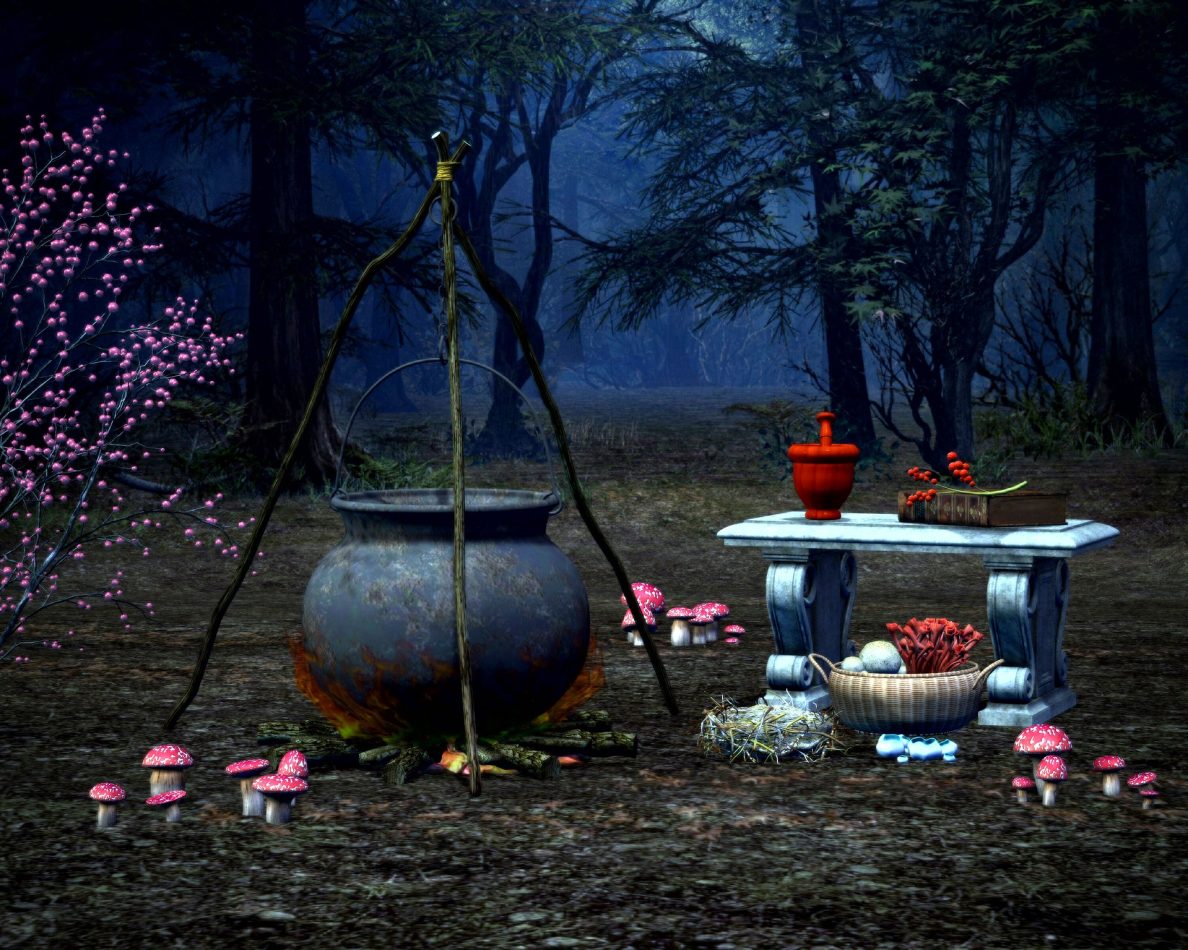
June 30, 2022 Current Moon Phase Digest

You can use this link to go forward or backward in time for Moon phase information. If you are curious, you can even find out what phase the Moon was in when you or anyone else was born.

From MoonGiant.com

The Moon’s current phase for today and tonight is a Waxing Crescent Phase. A Waxing Crescent is the first Phase after the New Moon and is a great time to see the features of the moon’s surface. During this phase the Moon can be seen in the wester sky after the sun dips below the horizon at sunset. The moon is close to the sun in the sky and mostly dark except for the right edge of the moon which becomes brighter as the days get closer to the next phase which is a First Quarter with a 50% illumination.

Visit the June 2022 Moon Phases Calendar to see all the daily moon phase for this month.

Today’s Waxing Crescent Phase

The Waxing Crescent on June 30 has an illumination of 2%. This is the percentage of the Moon illuminated by the Sun. The illumination is constantly changing and can vary up to 10% a day. On June 30 the Moon is 1.25 days old. This refers to how many days it has been since the last New Moon. It takes 29.53 days for the Moon to orbit the Earth and go through the lunar cycle of all 8 Moon phases.

The 8 Lunar Phases

There are 8 lunar phases the Moon goes through in its 29.53 days lunar cycle. The 4 major Moon phases are Full Moon, New Moon, First Quarter and Last Quarter. Between these major phases, there are 4 minor ones: the Waxing Crescent, Waxing Gibbous, Waning Gibbous and Waning Crescent. For more info on the Moon Cycle and on each phase check out Wikipedia Lunar Phase page.

Phase Details

Phase: Waxing Crescent
Illumination: 2%
Moon Age: 1.25 days
Moon Angle: 0.49
Moon Distance: 404,730.90 km
Sun Angle: 0.52
Sun Distance: 152,093,439.29 km

Useful Moon Resources