What & When is a Blue Moon?

High Priestess Raven Spirit Walker's avatarEnchanted Circle of Witches®

There are two astronomical definitions of a Blue Moon; both are a type of Full Moon. When the Moon very rarely actually looks blue, it’s because of a certain size dust particles in the atmosphere.
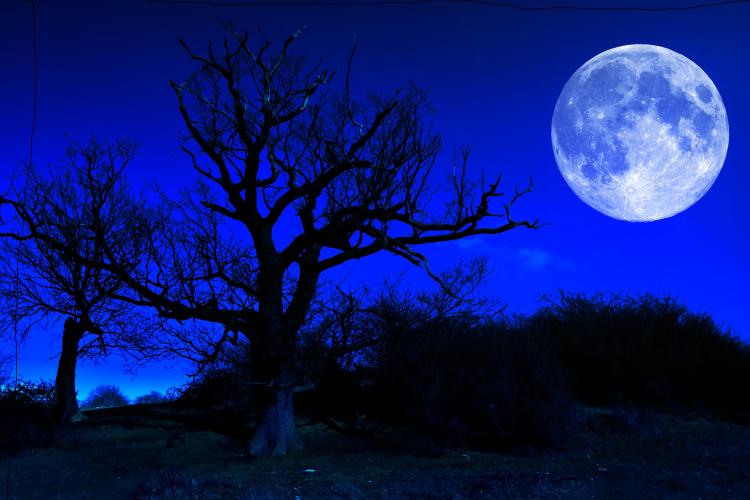
Illustration image
Blue moons are rarely blue
©bigstockphoto.com/Kamira

The next Blue Moons

YearDate
2015Friday, July 31
2016Saturday, May 21

Once in a blue moon means very rarely. But just how rare depends on your definition.

In astronomy, Blue Moon is defined as either the third full moon of an astronomical season with four full moons or the second full moon in a calendar month.

Such a blue Moon (second full Moon in single calendar month) will next occur on Friday, July 31, 2015 at 10:43 am UTC.

Contrary to popular belief, a blue moon is not actually blue in color. Blue moon is a term that is used to describe the third full moon…

View original post 415 more words
What is a Black Moon?

High Priestess Raven Spirit Walker's avatarEnchanted Circle of Witches®

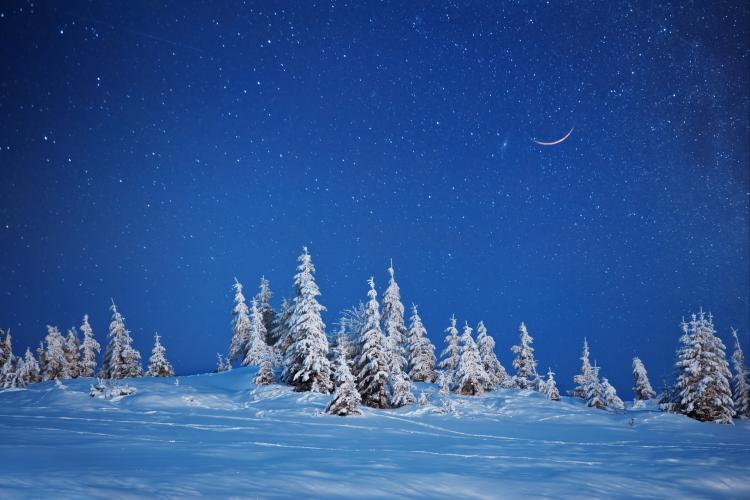
There are several definitions of Black Moon. It can be the third New Moon in an astronomical season with four New Moons or the second New Moon in the same calendar month.

Illustration image
A Black Moon can be a New Moon.
©bigstockphoto.com/mr. Smith

Black Moon is not a well known term in the astronomy world. In recent years, the term has been made popular by astrologers and followers of the Wiccan religion.

No Single Definition

There is no single accepted definition of a Black Moon. The term has been commonly used to refer to any of the following phenomena associated with the New Moon:

  • Second New Moon in a calendar month: These Black Moons occur relatively often – once every 2.5 years.
  • Third new moon in a season of four New Moons: Astronomers divide a year into fourseasons – spring, summer, fall (autumn)…

View original post 257 more words

Phases of the Moon

High Priestess Raven Spirit Walker's avatarEnchanted Circle of Witches®

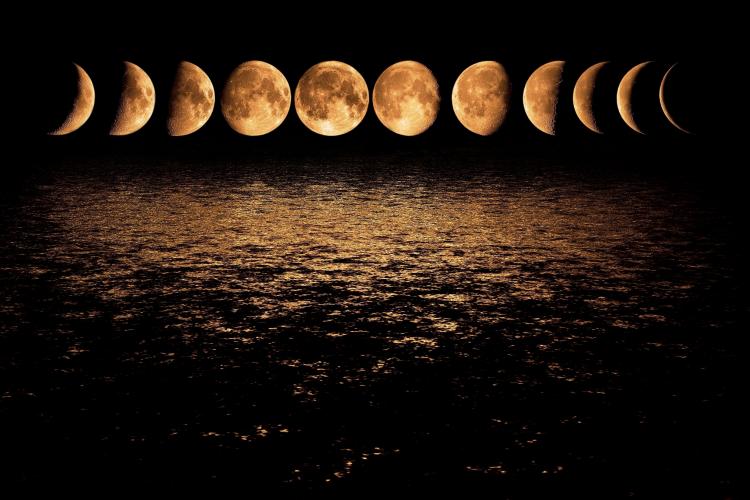
Moon phases depend on the position of both the Sun and Moon with respect to the Earth. The 4 primary phases of the Moon are: new, first quarter, full and third quarter.

Time lapse picture of Moon phases
The phases of the Moon.
©bigtockphoto.com/Petr Jilek

The intermediate phases between the primary phases are, waxing crescent, waxing gibbous, waning gibbous, and waning crescent.

New Moon

A new moon is the moment when the Sun and Moon are in conjunction, meaning that the Sun and Earth are on the opposite sides of the Moon.

A New Moon cannot normally be seen from the Earth since only the dark side of the Moon faces the Earth at New Moon. Sometimes, if the New Moon is close to the Lunar nodes of its path, it causes a Solar Eclipse.

New Moon Phase
New Moon: The darkest Moon Phase.

Waxing Crescent Moon

A few days after the new moon phase, the…

View original post 660 more words

What Is a Supermoon ?

High Priestess Raven Spirit Walker's avatarEnchanted Circle of Witches®

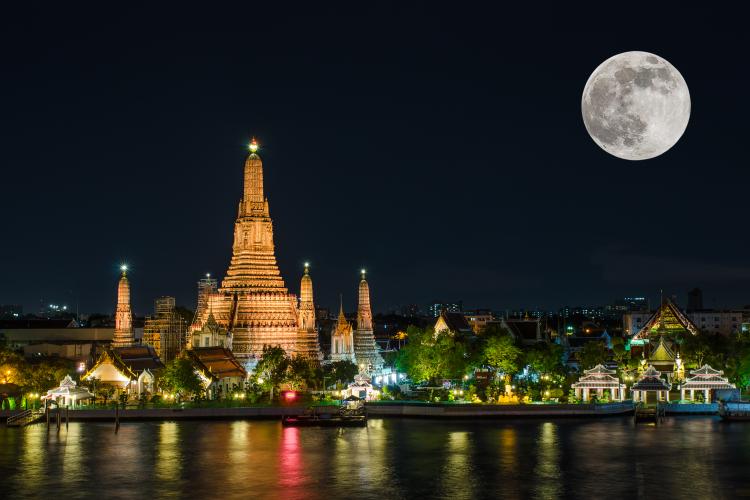
A supermoon happens when there’s a Full Moon or New Moon at the same time as the Moon’s closest approach to the Earth; perigee. It’s also known as Super Full Moon, Supoer New Moon and Perigee Moon.

Wat arun in night with super full moon
A Supermoon can be full or new.
©bigstockphoto.com/Prasit Rodphan

The Next Super Moons

YearDate
2015Sunday, September 27
2016Monday, November 14
2017Sunday, December 3

Because the Moon’s orbit around Earth is elliptical, thedistance from moon to Earth varies throughout the month and year. On average the distance is about 238,000 miles or 382,900 kilometers.

During a month, when the moon is closest to Earth it’s called perigee and when it’s farthest away from Earth it’s called apogee.

Moon Phases worldwide

When the Full Moon or New Moon coincides with being closest to Earth, or perigee, it is called a supermoon.

When the Moon is at the opposite end, farthest…

View original post 411 more words