The New Moon on April 5th Holds Promises A Journey To Success

New Moon 5 April 2019 – Journey To Success


The New Moon on Friday April 5, 2019 at 15° Aries is square Saturn. Although this is a challenging aspect, the new moon is more promising because of the fortunate fixed star Alpheratz.

The April 2019 new moon brings opportunities for honor, wealth, promotion, good friends and business success. But first, any fear, self-doubt or pessimism must be overcome with patience, perseverance and hard work.

New Moon Meaning

A new moon represents the end of one cycle and the beginning of another new 28 day cycle. Sun conjunct Moon gives an invigorating burst of energy and initiative. So this is an excellent time for making a fresh start, turning over a new leaf, or starting a new project. You can also question old habits, behaviors and beliefs as you search for new and inventive ways to make progress.

The effects of the April 5 new moon will last four weeks up to the May 4 New Moon. The best time for making a fresh start and for beginning new projects is during the first two weeks of this new moon cycle. This waxing phase of the Moon lasts from April 5 to the April 19 Full Moon.

New Moon April 2019 Astrology

The April 5 new moon makes a challenging aspect to Saturn but this is only a very mild influence because the orb is over four degrees. A stronger and more fortunate influence come from the bright fixed star Alpheratz in the Head of the Princess, Constellation Andromeda.

14 ♈ 33 – Fixed Star Alpheratz
15 ♈ 13 – Asteroid 144 Vibilia
15 ♈ 17 – New Moon
20 ♈ 01 – Square Saturn

New Moon Star

Fixed star Alpheratz gives independence, freedom, love, riches, honor and a keen intellect. [1] It also gives a harmonious nature which brings about good relationships and popularity. [2]

Alpheratz conjunct new moon gives honor, wealth, promotion, favors from others, perseverance, many good friends and business success. [1] Popularity and fame are possible but can also be easily toppled over and become unpopular. [2]

Constellation Andromeda bestows purity of thought, virtue, honor and dignity, but can also cause a battle with chimerical fears and a tendency to become easily discouraged. It gives love between husband and wife and reconciles adulterers. [1]

New Moon Planet

New Moon square Saturn with the wide orb of 4°44′ suggests there may be some tests and challenges to overcome before reaching the honor, promotion or happy marriage promised by Alpheratz.

If you suffer from depression, self-doubt, pessimism or low self-esteem, the new moon conjunct Alpheratz may trigger discouragement and “a battle with chimerical fears”. If so, this is a great opportunity to face your fears head on and beat them, once and for all.

Or you may feel that certain duties and responsibilities are holding you back from success. If so, the new moon is also test of your character. Strive to meet your responsibilities with patience, determination and a strong work ethic.

New Moon Asteroid

Asteroid Vibilia is named after the Roman goddess of journeys and traveling, “who prevented people from losing their way”. [3]

Astrologically, Vibilia does seem to relate to all kinds of traveling, especially the frequent, habitual or especially significant kind. [4]

Asteroid Vibilia could also symbolize a spiritual journey to gain enlightenment, self understanding, or happiness and contentment in your soul.

New Moon Summary

New Moon April 2019 offers wealth, happiness and success because of the star Alpheratz. But the square to Saturn means you have try hard and really want it. There can be no short cuts to success with this new moon.

This new moon will help you identify any sadness, fears or inhibitions that stand in your way professional success or companionship. Asteroid Vibilia may bring travel for work or romance, or she may help on an inner journey to get back on the path to success.

New Moon April 2019 Times and Dates
  • Los Angeles, April 5 at 1:50 am
  • New York, April 5 at 4:50 am
  • London, April 5 at 9:50 am
  • Delhi, April 5 at 2:20 am
  • Sydney, April 5 at 7:50 pm
References
  1. Fixed Stars and Constellations in Astrology, Vivian E. Robson, 1923, p.26, 133.
  2. Fixed Stars and Their Interpretation, Elsbeth Ebertin, 1971, p.2.
  3. Encyclopaedia of Antiquities and Elements of Archaeology, Thomas Dudley Fosbroke, 1843, p.582
  4. Asteroid 144 Vibilia, Mark Andrew Holmes

On April 2, Mercury Conjunct Neptune. What Does It Mean for You?

Mercury Conjunct Neptune 2 April 2019


Mercury conjunct Neptune natal heightens your senses to such a level, that the amount of information coming in can be difficult to process. It may become a problem deciphering what is real and what is not, what is important and what is just background noise, and what to keep secret or not. It is likely that you will see, hear, or notice with other senses, things which most others do not. This could include imaginary friends or entities when very young.

How others, especially parents and teachers, react to your stories about this imaginary world is critical. For in fact, what you “see”, may not be that imaginary at all. Being told that what you see is not real, or that you are just imagining it, may not be of great help as you grow older. This also applies to your general sensitivity, because you will pick up the feeling of those around you, even being weakened and debilitated if you are in a negative environment for a length of time.

With reassurance and acceptance, your abilities can turn out to be valuable talents. This would need some high standards though, learning to decipher truth from fiction, and using your gifts for moral and just causes. You not only perceive a great amount, but can also project much verbal and nonverbal information, plus psychic energy. Your incredible creativity and imagination can lead to career in the arts such as painting, dance or theater, as well as healing or other fields of communication, where your ideas can touch and inspire others.

Mercury Conjunct Neptune Transit

Mercury conjunct Neptune transit focuses your thinking and communications on spiritual topics, mysteries, the occult and secrets. It would be the ideal time to take up studies in artistic subjects because of your enhanced imagination and creativity. Valuable insights can be gained through meditation, dreaming, and practicing occult fields like astrology and Tarot. You may become involved in some intrigue or secret affair, where it is important to maintain the highest of moral standards to avoid scandal and slander.

Transiting Mercury conjunct Neptune can also impact on your thinking and communications in a positive or negative way. In its highest manifestation, this transit gives accurate psychic perception at all levels, with unbiased processing of this spiritual information. Ultimately, you can express these insights through compassionate, supportive and selfless words and thought projection. In the negative expression of this transit, thoughts and words are twisted by misconception, irrationality, confusion, fear and paranoia. This results in deceit, treachery, lies, poison and all manner of underhand tactics.

Mercury Conjunct Neptune Celebrities

Martin Luther 0°02′, Christos Tsiolkas 0°06′, Ian Holm 0°18′, Julio Iglesias 0°30′, Jewelle Gomez 0°32′, Egon Schiele 0°32′, Maria Shriver 0°34′, Lady Davina Lewis 0°36′, Neil Armstrong 0°40′, Twitter 0°43′, Meg Ryan 0°44′, Phil Andros 0°44′, Robert Currey 0°48′, Brexit 0°49′, Wikipedia 1°08′, Mary I of England 1°14′, Alyssa Milano 1°26′, Jeff Buckley 1°29′, Christian Doppler 1°29′, Melville Davisson Post 1°33′, Ray Bradbury 1°44′, Louis-Ferdinand Céline 1°47′, Richard Rodgers 2°23′, Demi Moore 2°24′, Robert Redford 2°29′, Tatum O’Neal 2°40′, Christina Aguilera 2°47′.


Mercury Conjunct Neptune Dates

19 February 2019
24 March 2019
2 April 2019
3 April 2020
29 March 2021
23 March 2022
16 March 2023
8 March 2024
2 March 2025
29 March 2025

Weekly Look At The Planets for April 1 – April 7

Weekly Look At The Planets for April 1 – April 7

Monday April 1

  • 10:47 am – Moon enters Pisces

Tuesday April 2

  • 05:36 am – Mercury conjunct Neptune at 17 ♓ 08 focuses your thinking and communications on spiritual topics, mysteries, the occult and secrets. It would be the ideal time to take up studies in artistic subjects because of your enhanced imagination and creativity. Valuable insights can be gained through meditation, dreaming, and practicing occult fields like astrology and Tarot.

Friday April 5

  • 04:50 am – New Moon at 15 ♈ 17 offers wealth, happiness and success because of the star Alpheratz. But the square to Saturn means you have try hard and really want it. There can be no short cuts to success with this new moon. This new moon will help you identify any sadness, fears or inhibitions that stand in your way professional success or companionship.

Saturday April 6

  • 09:06 am – Moon enters Taurus

Sunday April 7

  • 05:17 am – Mercury sextile Saturn is excellent for anything requiring clear thinking, good judgement and organisation skills. Catching up on paperwork, studying and research will also benefit from increased concentration and a good memory. Business dealings are favored especially long-term investments and real estate.

Upcoming Astrology Events for April

Upcoming Astrology Events for April

Apr 1 Moon enters Pisces
Apr 4 Moon enters Aries
Apr 5 ~* New Moon *~ Aries
Apr 6 Moon enters Taurus
Apr 8 Moon enters Gemini
Apr 10 Jupiter Sta. Rx
Apr 11 Moon enters Cancer
Apr 13 Moon enters Leo
Apr 15 Moon enters Virgo
Apr 17 Mercury enters Aries
Apr 17 Moon enters Libra
Apr 19 ~* Full Moon *~ Libra
Apr 19 Moon enters Scorpio
Apr 20 Sun enters Taurus
Apr 20 Venus enters Aries
Apr 21 Moon enters Sagittarius
Apr 23 Moon enters Capricorn
Apr 24 Pluto Sta. Rx
Apr 26 Moon enters Aquarius
Apr 28 Moon enters Pisces
Apr 30 Saturn Sta. Rx


Wishing All Our Brothers & Sisters of The Craft, A Very Beautiful & Blessed Tuesday!

Goddess

The Goddess is Alive

Moon shines down upon a sea of Light,
Shifting sands lay singing in the Heart of the Night.
I looked upon a scene that gripped me to the core,
White-clad maidens below were dancing on the shore.

Sweet sounds slipped from moon-lit throats,
Wind whipped hair abound,
Lit by the light within and without,
The Women circled ’round.

As I stood, water engulfed my feet,
My body swayed to your Heavenly Heart beat.
Wind and wave and fire light,
Paled in my mind Earthly delight.

Time slipped by me as you held your embrace,
And windblown spray covered my face.
Protected deep within your Womb,
I could feel the tender pain of Life’s bloom.

Candles flared high as the Dance progressed,
Deep inside with a healing touch you blessed.
All around, wind, wave and fire shouted of your life,
Your light speared deep within, soothing my strife.

Divine Mother, Goddess of Light,
To you I come seeking protection from the night.
Come home to shelter within your arm,
Surrounded by Love, hidden from harm.

Holy Mother, Queen of Heaven and Earth,
From you we all trace our Birth.
Heavenly Goddess, light from above,
Shine down upon us, we pray for your Love.

–Author Unknown
Published on Pagan Library

Happy April Fool’s Day!


HAPPY APRIL FOOL’S DAY!

I have some personal business to take care of, then when I get back we are going to up-date the site. Sorry for being off for so long but life happens! We will see you tomorrow. Till then…

Look up…

Look down…

Look all around….

WE LOVE YOU!


The Old Farmer’s Almanac for Mar. 28:


FLOWERS YOU CAN EAT

But did you know that the flowers of hundreds of common wild and cultivated plants are edible? Yes, there are many flowers that you can eat!

But did you know that the flowers of hundreds of common wild and cultivated plants are edible? Dressing up your soups, salads, drinks, and desserts with buds and flowers will add color, diversity, and new flavor to your meals. Adventurous folks might also want to explore some of the traditional medicinal uses of common flowers.

When preparing most flowers (exceptions: squash, violets, and nasturtiums) for food or beverage, use only the petals for best flavor. Remove the sepals, as well as the pistils and stamens.

FAVORITE EDIBLE FLOWERS

  • Nasturtium sits at the top of my list. It’s easy to grow from seed, indoors or out, and every above-ground part is edible. Its buds and delicate, voluptuous blossoms spice up a bland salad or cooked vegetable platter. Nasturtium leaves and flowers are rich in antioxidant and anti-inflammatory compounds, and have a long history of medicinal use in indigenous cultures for urinary-tract, cardiovascular, and respiratory disorders. Extracts of this cabbage-family relative are currently under investigation as possible treatments for many diseases, including antibiotic-resistant infections.
  • Daylily  Harvested fresh, the plump buds and meaty flowers of this common garden plant are delicious sauteed in a little oil or butter, then seasoned with salt and pepper. Some people stuff the just-opened blossom with a favorite stuffing mix, then saute the stuffed flowers in a little oil or poach them in broth. Use only freshly harvested buds/flowers.
  • Violets I’ve already written about my love of the irrepressible wild violets that pop up all over my lawns and gardens. Give it a read, and tend your lawn violets with care!
  • Roses The darker-colored, more aromatic the variety the more flavor it will have. Strew rose petals across a fresh salad, brew them into tea, or use the entire blossoms to decorate a cake.
  • Sunflowers Carefully separate the petals and sprinkle them into salads. For a real treat, harvest the unopened buds, remove the sepals, and steam the buds until tender. Meaty and filling, they taste like artichoke. Mmm!
  • Chamomile Dried or fresh, chamomile tea is renowned as a safe and gentle calming and sleep-promoting agent. It’s readily available in stores (buy flowers in bulk), and easy to grow in the home garden.
  • Calendula A lovely and easy-to-grow annual flower, calendula petals will add color and spice to just about any cooked or fresh dish. Carefully remove the petals and toss them into salad, stir-fries, or your favorite rice dishes.

Calendula flowers are renowned for skin care and healing. You’ll find calendula listed as an ingredient in many high-end skincare products and healing creams.

Here’s a nice recipe for homemade calendula oil or cream: Pull the petals from enough dried or fresh calendula blossoms to give you a cup. Add petals to a cup of olive oil in a large glass jar with a lid; seal and leave in a sunny window or outside for a week or two. After straining out the petals, you can use the oil as is, or heat it in a double boiler with ¼ cup of melted beeswax to make a spreadable cream.


Some caveats

  • Never eat a flower you can’t identify with absolute certainty and know to be safe.
  • Don’t eat commercially grown flowers or flowers that came from a florist; they could have been sprayed.
  • Don’t forage wild flowers on treated lawns or along well-traveled roadways (possibility of chemical contamination).
  • Introduce a new edible flower or floral tea slowly and gradually, especially if you have a serious ragweed or other pollen allergy. On your first try, take a few deep sniffs, then only a bite or two.
  • Because flowers may contain powerful phytocompounds (which confer their healing virtues, as well as their flavors and colors), check with your healthcare professional before eating edible flowers if you’re pregnant or taking prescription drugs.

ABOUT THIS BLOG

“Living Naturally” is all about living a naturally healthy lifestyle. Margaret Boyles covers health tips, ways to avoid illness, natural remedies, food that’s good for body and soul, recipes for homemade beauty products, ideas to make your home a healthy and safe haven, and the latest news on health. Our goal is also to encourage self-sufficiency, whether it’s relearning some age-old skills or getting informed on modern improvements that help us live better, healthier lives.


Source

The Old Farmer’s Almanac

The Old Farmer’s Almanac for Mar. 28th: MAKING AN HERBAL SALVE


MAKING AN HERBAL SALVE

Herbal salves (a term often used interchangeably with ointments, creams, balms, and unguents; I’ve never found definitions that differentiate them clearly) have come down through the ages as the premier household first-aid for scrapes, burns, wounds, itches, stings, bruises, diaper rashes, and more.

Early to midsummer is a great time of year to try your hand at it. Many healing herbs are in full leaf and have just begun to flower, concentrating their active healing constituents in their aboveground parts. (Fall is a good time to make root-based salves.)

I like to start with an herb-infused oil, which involves slightly wilting, then chopping and bruising the leaves or flowers I’ve collected, packing them loosely into a clean glass jar, and covering them with oil. I cover the top of the jar with a piece of cheesecloth or a coffee filter secured with a rubber band. This lets moisture that would otherwise spoil the salve escape from the jar.

Then I just leave the jar in a sunny windowsill for two or three weeks, shaking or stirring the infusion whenever I think of it, usually once or twice a day. I use a long wooden spoon for stirring.

When the herbs have infused long enough, I strain the plant material out with a cheesecloth, catching the oil in a glass pitcher, twisting the end of the cloth to squeeze as much oil as possible from the leafy material.

The final step: melting pure beeswax (use a double boiler on the stove or a pyrex cup within a glass bowl in the microwave), and adding it to the infused oil in a ratio of about five parts oil to one part melted wax. Stir with a wooden spoon and store in a sterilized glass or metal container.

It’s easy to adjust the consistency of a salve by adding a bit more oil to make it more spreadable or a bit more beeswax to thicken or harden it. Homemade salves without any preservative agents will last about six to eight months at room temperature out of direct heat and sunlight. Refrigerated, they’ll keep for a year or more.

Today I’m making a general-purpose household salve of comfrey and plantain leaves–the comfrey has just begun to flower at the edge of my vegetable garden, and the plantain grows abundantly in the lawn. I added the chopped leaves to a combination of grapeseed and coconut oiI, though I could have used olive, sunflower, sesame, or one of the exotic (and expensive) nut oils. Our ancestors didn’t have access to pressed oils; they made their healing ointments from bear grease, lard, and other animal fats, which reportedly have healing powers of their own.

I also could have used burdock, lemon balm, yarrow, self-heal, or one of dozens of wild and cultivated plants that flourish around here. Later in the season, I plan on making flower salves from mullein, calendula, and St. John’s wort. It’s fun to experiment and learn about the herbs and their uses as you go.

Although herbalists no longer recommend comfrey for internal consumption, it enjoys wide renown as a wound healer (in fact, it helps new skin form so fast, herbalists don’t recommend using it for deep wounds that require slow healing). Plantain enjoys equal renown as an anti-itch, anti-inflammatory herb.

My comfrey-plantain salve is versatile. I’ll use it on itches and stings, chapped hands and lips, cracked heels, ragged cuticles, nicks, cuts, and scrapes. It also works wonders on diaper and heat rash.

One caution: Clean and disinfect a fresh wound, then wait for it to stop bleeding before applying any salve. You don’t want to seal in an infectious agent.

ABOUT THIS BLOG

“Living Naturally” is all about living a naturally healthy lifestyle. Margaret Boyles covers health tips, ways to avoid illness, natural remedies, food that’s good for body and soul, recipes for homemade beauty products, ideas to make your home a healthy and safe haven, and the latest news on health. Our goal is also to encourage self-sufficiency, whether it’s relearning some age-old skills or getting informed on modern improvements that help us live better, healthier lives.


Source

The Old Farmer’s Almanac

The Old Farmer’s Almanac for Mar. 28: HOW TO MAKE AN HERBAL TINCTURE


HOW TO MAKE AN HERBAL TINCTURE


HOW TO MAKE AN HERBAL TINCTURE

Herbal tinctures are age-old remedies that can help soothe and heal whatever might ail you. Here’s how to make herbal tinctures using plants from your garden.

Last week I came across some Internet sites about herb-based first-aid kits. In addition to standard items such as scissors, bandages, and sterile gauze pads, most sites recommended packaged dried herbs for tea, a collection of essential oils, herbal creams and salves and a few alcohol tinctures.

Serendipitously, although I’m a teetotaler, I was heading for town that day to buy a bottle of vodka to make a few tinctures to supplement my own first-aid supplies. Herbal tinctures are really easy to make.

A traditional herbal tincture is made by steeping herbs in high-proof ethyl alcohol (sometimes vinegar) to extract and concentrate their medicinal constituents—molecules that plants have manufactured for self-protection and that we humans expropriate for our own medicinal use.

Ethyl alcohol tinctures are generally intended for internal use. Herbs tinctured in rubbing alcohol (isopropyl), witch hazel, or oil are called liniments, and are intended for external use only.

Although you can tincture leaves or needles, flowers, roots, and barks, either fresh or dried, I make mine mostly from fresh leaves harvested from my gardens, lawns and nearby wild places. Today, I’m gathering burdock leaves and flowers, the plantain running amok on the lawn, and the lemon balm beckoning from the herb garden.

THE ADVANTAGE OF TINCTURES

Depending on the condition being treated (or prevented), medicinal herbs can be brewed into teas or simmered into decoctions, mashed into poultices and salves, smoked (so their medicinal constituents enter the body through the lungs), or extracted into tinctures. Tinctures are generally taken internally a few drops at a time, several times a day, often in tea or juice. Some tinctures work well applied directly to wounds or skin infections.

Tinctures offer several advantages over other herbal formulations:

  • Alcohol generally extracts and concentrates more of the valuable medicinal compounds than water extracts (e.g., teas, infusions, tisanes).
  • In such concentrated form, tinctures are fast-acting.
  • Alcohol tinctures made with at least 80-proof ethanol don’t spoil, and they maintain their potency for a long time if properly stored. (Tinctures made with wine or vinegar won’t extract as many active phytocompounds, and they won’t last as long, although they can be enjoyed in salad dressings and marinades.)
  • Tinctures are portable and easy to tuck into a purse or traveling bag.

BEFORE YOU START

  • You’ll need to learn something, preferably a lot, about how, why, when, to use a particular plant tincture, and in what dose. Read books and articles, attend workshops, consult with local herbalists.
  • You need to be 100 percent certain you’ve properly identified the plant you plan to use. Do invest in some wild-plant field guides or join one of the local wild-plant identification workshops offered in your area.
  • Tincture only those plants you know haven’t been treated with pesticides.
  • Don’t use plants collected around the edges of commercially farmed fields or close to roadsides.

WHAT YOU’LL NEED

  • The plant parts you plan to tincture. To avoid diluting the alcohol with water, don’t wash them. (Roots are the exception; you may need to rinse or even scrub them lightly before chopping.) If the plant parts are already wet, lay them out and blot gently with a clean towel to dry them off. Discard any diseased or damaged material.
  • A bottle of 80-proof (or higher) ethyl alcohol. Many herbalists prefer vodka, because it’s relatively colorless, tasteless and odorless.
  • A glass jar with a tight lid. You don’t need large bottles for making an alcohol tincture; a tincture is a potent plant medicine administered only a few drops at a time. Start with small containers such as pint canning jars or empty peanut-butter or jam jars.
  • Some small, dark bottles for storing the decanted tincture(s). Storing them in the dark helps protect their potency.

HOW TO MAKE AN HERBAL TINCTURE

Chop large leaves, flowers, or roots; leave delicate leaves and flowers whole. Then fill the glass jar loosely with the plant material, and add enough alcohol to cover the plant materials. Seal the jar tightly.

Label and date the jar. Include the plant parts tinctured and the type of alcohol used. Set the jar in a cool, dark place for a month or longer, shaking or stirring occasionally and adding more alcohol if needed to keep the plant materials covered.

Strain the tincture over a clean cheesecloth into a glass or ceramic container twisting the cloth to remove as much of the tincture as possible. Funnel the tincture into dark glass bottles and cap (or cork) tightly. Label and date each tincture and store in a cool, dark place.

You can increase the concentration of a tincture by straining out the original plant materials and adding fresh material.

CAVEATS

Like any healing agent, herbal remedies in any form can pack a lot of power, which includes adverse reactions. Learn as much as possible about the herb you’re using before you try it. Your homemade tinctures don’t offer a standard “dose.” Begin with a new tincture by trying a few drops in warm water or tea, and work up slowly until you experience the desired results.

If you’re pregnant, nursing, taking prescription medicine, or suffering from a chronic illness, don’t start on an herbal remedy without consulting a health professional. Always include your use of herbs in the information you provide to your medical and dental professionals.

ABOUT THIS BLOG

“Living Naturally” is all about living a naturally healthy lifestyle. Margaret Boyles covers health tips, ways to avoid illness, natural remedies, food that’s good for body and soul, recipes for homemade beauty products, ideas to make your home a healthy and safe haven, and the latest news on health. Our goal is also to encourage self-sufficiency, whether it’s relearning some age-old skills or getting informed on modern improvements that help us live better, healthier lives.

Source:
The Old Farmer’s Almanac

Your Ogham Reading for for Mar. 28 is Coll-Hazel

Your Ogham Reading for for Mar. 28

Coll-Hazel

The Celts believed that hazelnuts gave inspiration and wisdom, even in many other cultures the hazel tree and it’s branches and nuts are used for protection. In Celtic mythology one of the greatest leaders named Fionn Mac Cumhail magically gained wisdom after eating salmon that sustained themselves upon hazelnuts. The ogham letter coll denotes wisdom, divination, and inspiration. Drawing this letter will give you a deeper look into you questions and concerns.

Fortune – Look inward to your own wisdom to gain the answer you seek. Be creative, be perceptive, this Ogham shows you already have the answer!

Your Daily Witches Rune for March 28th is The Moon

Your Daily Witches Rune

The Moon

Keywords: Change.

Meanings: The “x” marks represent the four main phases of the moon and so you can expect changes to happen within the next 28 days. This is a particularly feminine stone and often appears in response to questions about women’s issues. The Moon rune is a messenger. It is telling you to be aware that major changes are coming to your life. Consult the runes closest to it to determine whether those changes are negative or positive.

Your Daily Rune for March 23 is Gebo

Gebo

“For every gift a curse.”


Gebo
 – “Gay-boo” – Literally: “Gift” – Esoteric: Fair Exchange, Sacrifice, Sacred Marriage

Key Concepts: gifts, giving, taking, trade, sacrifice, process of exchange, balance, compensation, equilibrium, law of reciprocation, altruism, the gravity of equals and opposites, generosity, hospitality, honor

Psi: 
gratitude, forgiveness, appreciation

Energy:
 Exchanged powers, sacrifice, dissolution of barriers through gifting

Divinations: Generosity, gift, magical exchange, honor, sacrifice, divine vision; or influence buying, greed, loneliness, dependence, over-sacrifice, unbalanced behavior, dishonesty

Mundane:
 material gifts, thankfulness, trade

Governs: 
Sex magic
Mystical union and ‘Sacred Marriage’ between partners
Understanding of the true meaning of gifting and binding
Giving of oneself from within
Harmony between brothers and sisters and lovers
Favours, contracts, obligations, debt and oath-taking

Your Daily Past Lives Tarot Card for March 28th is The Chariot

Past Lives Tarot Card for Today

The Chariot


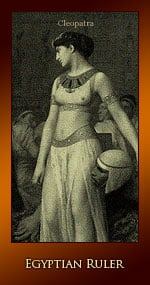
Choosing the Egyptian ruler card represents the presence of one of the pharaohs in your life. The Egyptian pharaohs dedicated their lives to reincarnating from the dead into a living and worthy vessel. Their presence ties you directly to the mystical, because the Egyptians believed that reality was just a reflection of a metaphysical journey through the paradise of the departed. The pharaoh is the living bridge between the two worlds and when one is with you, you are blessed to bring heaven to Earth.

Relationship going nowhere?